Table of Contents >> Show >> Hide
- What Defines the Growsgreen Urban Garden Style?
- Why This Urban Garden Look Works So Well in Small Spaces
- How to Steal the Growsgreen Urban Garden Look
- The Best Plant Palette for a Growsgreen-Inspired Garden
- Common Mistakes to Avoid
- What This Look Really Delivers
- Experiences That Make This Look Worth Stealing
If your dream outdoor space lives somewhere between “stylish dinner party” and “I harvested these herbs five minutes ago,” the Growsgreen urban garden look is worth borrowing. This design language, popularized through Beth Mullins’s San Francisco work, turns compact city spaces into layered outdoor rooms that feel relaxed, edited, and wildly usable. In other words: less sad patio, more rooftop retreat with main-character energy.
What makes this look so appealing is that it doesn’t rely on one precious plant or one impossibly expensive piece of furniture. Instead, it uses a smart formula: clean hardscape, tactile materials, structured planters, airy planting, and a little edible gardening woven into the mix. The result is modern, but not cold. Practical, but not boring. And yes, beautiful enough to make your neighbors suddenly care about their balcony for the first time in years.
In this guide, we’ll break down the design DNA behind the Growsgreen urban garden aesthetic, show you how to recreate it in a small backyard, balcony, rooftop, or townhouse patio, and explain how to make it feel personal rather than copied. Because “steal this look” sounds a lot classier than “borrow the vibe aggressively.”
What Defines the Growsgreen Urban Garden Style?
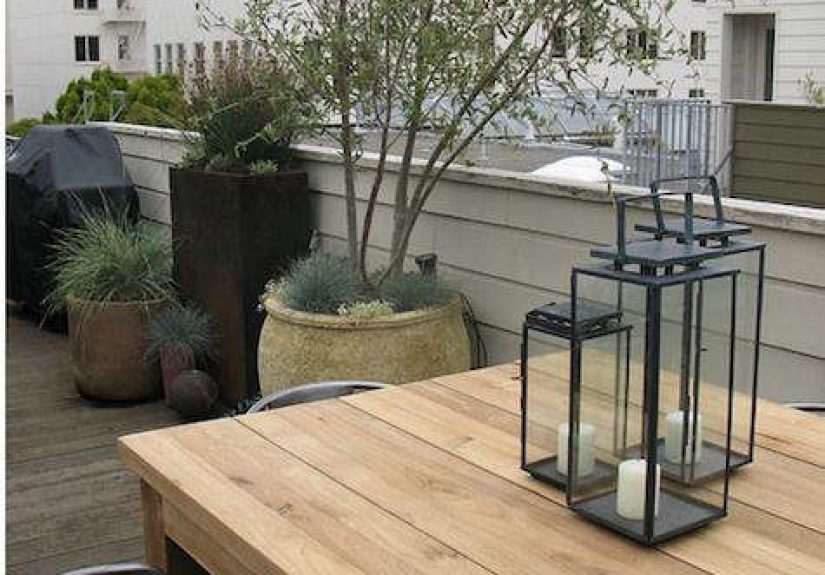
The Growsgreen look starts with contrast. In the original inspiration, Beth Mullins paired metal garden chairs with a simple wooden dining table, layered plant textures around seating areas, and used soft textiles to warm up a hard urban setting. That mix is the magic: wood against metal, concrete against grasses, clean lines against slightly loose planting. It feels modern organic rather than strict minimalism.
Another hallmark is layering. A small city garden cannot afford to be flat, visually or functionally. Growsgreen-style spaces use levels, overlapping planters, sculptural foliage, privacy screens, and flexible seating zones so the eye keeps moving. Even a compact footprint can feel generous when it includes a dining spot, a tucked-away lounge corner, and planters that create a sense of enclosure without making the garden feel boxed in.
There is also an unmistakable urban sensibility here. This is not a cottage garden trying to pretend it accidentally wandered into a skyline. The palette is restrained. The materials are honest. The layout feels intentional. Sometimes there’s a graphic accent, a bold planter, or a piece of signage-like decor that nods to city architecture. The plants soften the space, but they do not erase the setting. That balance is what gives the garden its cool factor.
Why This Urban Garden Look Works So Well in Small Spaces
Small-space gardens fail when they try to do too much at once. Ten chair styles, seventeen planter shapes, and a mystery flamingo statue are not a design plan. They are an outdoor cry for help. The Growsgreen approach works because it edits ruthlessly. It uses a limited material palette, repeats forms, and lets texture do the heavy lifting.
That matters especially in urban settings, where square footage is tight and every inch has to earn its keep. Large containers or raised beds can define the room. Light-colored gravel or a clean patio surface can make the footprint feel bigger. A few potted trees or tall grasses can create privacy without building a visual fortress. Vertical supports add height, edible planting, and drama without stealing floor space. The garden becomes more than decoration; it becomes an outdoor living system.
This style also fits how people actually use city gardens. You need space for coffee, dinner, herbs, a bit of screening from neighbors, and maybe one corner where you can pretend you are far more serene than you really are. A Growsgreen-inspired layout supports all of that. It is not just pretty in photos. It is designed for lingering.
How to Steal the Growsgreen Urban Garden Look
1. Start with a clean, functional hardscape
Before you buy a single planter, think about the floor. A Growsgreen-style garden usually begins with a simple, durable hardscape that makes furniture feel anchored. Gravel, concrete pavers, poured concrete, or a restrained deck material all work. The point is not to create visual chaos underfoot. The point is to give the planting a calm stage.
If your space is tiny, lighter gravel is especially useful because it visually opens up the garden. Gravel also adds texture and better drainage, which is a huge plus in urban spaces that see heavy use. Choose one finish and commit. This is not the moment for three different stone colors and a decorative border that looks like it belongs in a miniature golf course.
2. Use containers and raised beds like architecture
In this style, planters do more than hold soil. They shape the garden. Use rectangular boxes to frame a dining area, line a wall, or create a visual edge around a lounge zone. Raised beds can organize edibles beautifully and make harvesting easier. On rooftops, balconies, and paved patios, containers are often the most practical way to garden anyway, so you might as well make them part of the design language.
Stick to a disciplined mix of materials: powder-coated metal, weathered steel, wood, fiber cement, concrete, or simple ceramic. If you want the look to feel elevated, repeat two or three finishes instead of buying a random assortment of pots that seem to have met each other for the first time on clearance day.
Size matters. Shallow-rooted crops like lettuce, chives, spinach, and green onions can thrive in smaller containers, while tomatoes, cucumbers, beans, zucchini, and other deep-rooted plants need much more soil volume. Bigger containers are usually easier to maintain because they dry out less quickly and create more stable root conditions.
3. Mix metal, wood, and soft textiles
The original Growsgreen inspiration used metal chairs with a simple wood table, and that pairing remains one of the easiest ways to get the look right. Metal brings crispness. Wood adds warmth. Together, they create the polished-but-livable tone that urban gardens need.
Add textiles sparingly but intentionally: washed linen cushions, striped pillows, neutral seat pads, or an outdoor throw that softens the geometry. Think seaside calm rather than tropical theme park. A little texture goes a long way when the hardscape and furniture already have clean lines.
4. Plant in layers, not clumps
Growsgreen spaces are memorable because they feel lush without feeling messy. The trick is layering. Use tall elements like potted olive trees, dwarf fruit trees, bamboo alternatives, or upright grasses for height and privacy. Mid-level plants can include rosemary, lavender, salvia, thyme, heuchera, or compact shrubs. Then tuck in lower growers and spillers that soften edges and blur the line between planter and patio.
Texture matters more than flower count. Grasses, strappy foliage, silver leaves, broad edible greens, and airy stems create movement and visual depth. In a small urban garden, every plant should contribute to shape, mood, or usefulness. Ideally all three, because freeloading is not cute when square footage is expensive.
5. Blend ornamentals and edibles
One of the smartest ways to recreate this look is to make the garden beautiful enough for entertaining but productive enough for real life. That means mixing herbs, lettuces, chard, strawberries, edible flowers, and climbing vegetables into a design-forward planting plan. A neat raised bed of greens beside a dining area feels both practical and luxurious, which is exactly the sweet spot.
Try tucking purple kale or rainbow chard into ornamental containers, using thyme or creeping herbs near pathways, or training cucumbers and beans up a trellis. Herbs are especially useful because they smell amazing, look tidy, and put your cooking one smug step ahead of everyone else’s.
6. Go vertical whenever possible
Urban gardens should grow up, not just out. Trellises, wall planters, pergola structures, and climbing supports help maximize a small footprint while adding privacy and visual scale. They also let you grow more food in less space. Beans, peas, cucumbers, and some compact squash can all benefit from vertical support, while flowering vines can soften walls or railings.
Vertical elements are also important aesthetically. They pull the eye upward and make a modest patio or balcony feel more like a room. If your garden currently feels flat, this is one of the fastest ways to fix it.
7. Light it like an outdoor dining room
A Growsgreen-inspired urban garden should still work after sunset. Layered lighting is key: lanterns along pathways, overhead string lights or pendants above dining areas, and maybe a few candles or battery-powered lanterns on the table. The goal is warmth, not interrogation-room brightness.
Lighting is where many city gardens go wrong. People either install one lonely fixture and call it atmosphere, or they overdo it until the patio looks like it is auditioning for a reality show reveal. Keep it simple. Use a few soft sources at different heights. Let the plants cast shadows. Suddenly, dinner outside feels like an event instead of a logistical compromise.
The Best Plant Palette for a Growsgreen-Inspired Garden
If you want this look to feel authentic, choose plants that are structural, useful, and attractive over a long season. Good candidates include rosemary, thyme, sage, oregano, lavender, chives, parsley, lettuces, arugula, kale, Swiss chard, alpine strawberries, nasturtiums, dwarf citrus where climate allows, compact tomatoes, peppers, and ornamental grasses.
For privacy and height, consider small potted trees, upright evergreens suited to your region, or trellised vines. For contrast, pair broad-leafed edibles with fine-textured grasses or silver foliage. For color, let flowers appear as accents rather than a confetti cannon. The entire space should feel edited and calm, not like the annual section of the nursery exploded on your deck.
Common Mistakes to Avoid
The biggest mistake is ignoring proportion. Tiny pots scattered everywhere make a garden look fussy and usually create extra watering problems. Fewer, larger containers almost always look better and perform better. Another mistake is choosing plants first and layout second. In a good urban garden, circulation, seating, and privacy are planned before the planting palette gets finalized.
Also avoid using too many unrelated finishes. Pick a small material palette and repeat it. And do not underestimate watering. Containers dry out fast, especially on sunny patios and rooftops. If you want the garden to thrive through summer, daily checks are a must, and drip irrigation on a timer can be a sanity-saving upgrade.
What This Look Really Delivers
The Growsgreen urban garden aesthetic is more than a style exercise. At its best, it transforms a leftover outdoor area into a flexible living room, edible garden, and visual escape all at once. It proves that modern design does not have to feel sterile and that productive gardening does not have to look scrappy.
If you take only one lesson from this look, let it be this: structure first, texture second, plants everywhere they make sense, and no apologies for wanting your herb garden to also look fantastic in evening light. That is not vanity. That is range.
Experiences That Make This Look Worth Stealing
What makes a Growsgreen-inspired urban garden memorable is not just how it photographs, but how it changes everyday routines. In many small outdoor spaces, people step outside, realize there is nowhere comfortable to sit, and step right back in. But when the space is layered properly, something shifts. Morning coffee becomes a habit instead of a fantasy. You start noticing the scent of rosemary when the air warms up. You clip herbs while dinner is cooking. You take a phone call outside and suddenly sound suspiciously relaxed.
There is also a subtle psychological effect to this kind of design. A clean hardscape, structured planters, and repeated materials make the space feel more orderly, which in turn makes it feel more usable. Even a compact rooftop or narrow patio can feel restorative when it has definition. One corner for dining, one area for planting, one vertical moment for privacy, one soft cushion that says, “Stay a while.” It is less about square footage and more about permission to inhabit the space.
People who recreate this look often discover that the edible elements matter more than expected. A pot of thyme by the table, a raised bed of lettuces, a tomato vine climbing upward instead of sprawling sideways, a few strawberries within reach: these details make the garden interactive. You are not just looking at it; you are using it. That sense of use creates attachment. A garden with purpose gets maintained. A garden that is only decorative gets admired twice and ignored by August.
Another experience tied to this style is the way it handles city life without pretending city life does not exist. You may still hear traffic. Your neighbors may still be close. The buildings are not going anywhere. But the garden changes your relationship to all of that. Tall grasses flicker in the breeze. Lantern light softens the edges of the view. A potted tree blocks the one window you would really rather not make eye contact with. Suddenly the urban backdrop feels atmospheric instead of intrusive. That is a design win of the highest order.
There is a social benefit, too. Spaces like this invite gathering because they feel finished but not precious. Friends will sit there. Kids will pick mint. Someone will inevitably ask where you bought the planters. Someone else will say, “Wait, you grew this?” while holding a basil leaf like it is a magic trick. The garden becomes a conversation starter without screaming for attention. It performs quietly, which is honestly the chicest thing a garden can do.
Perhaps the best part is that the look ages well. Wood weathers. Metal gains character. The planting evolves. What starts as a polished urban garden can become even better after a season or two, once the containers fill in and the space begins to feel lived in. That lived-in quality is what makes the Growsgreen approach so satisfying. It does not chase perfection. It creates a beautiful framework for daily life, fresh herbs, casual dinners, and the deeply underrated joy of having an outdoor place that finally feels like yours.