Table of Contents >> Show >> Hide
- So, Is Catfish Healthy?
- Catfish Nutrition: What’s in It?
- Health Benefits of Catfish
- Is Catfish Good for Weight Management?
- Is Farm-Raised Catfish Healthy?
- Where Catfish Is Less Impressive
- Best Ways to Eat Catfish
- Who Should Be Careful with Catfish?
- Catfish vs. Other Fish
- Final Verdict: Should You Eat Catfish?
- Common Experiences People Have with Catfish
- SEO Tags
Catfish does not always get the glamorous seafood treatment. Salmon gets the red-carpet invite. Tuna walks in like it owns the place. Sardines act mysterious and European. Meanwhile, catfish quietly shows up, tastes good, fills you up, and rarely demands a standing ovation. But here’s the real question: is catfish healthy?
The short answer is yes, catfish can absolutely be part of a healthy diet. It is a solid source of protein, provides important nutrients like vitamin B12 and selenium, and is generally considered a lower-mercury seafood choice. The catch, no pun spared, is that the health story depends a lot on how you eat it. A simple baked fillet and a heavily breaded deep-fried basket are not nutritional twins. They are more like cousins who went to very different colleges.
If you want the full scoop on catfish calories, nutrients, health benefits, possible downsides, and the smartest ways to cook it, you’re in the right kitchen.
So, Is Catfish Healthy?
Yes, for most people, catfish is a healthy food. It is rich in protein, relatively moderate in calories when prepared simply, naturally low in carbohydrates, and it fits nicely into many balanced eating patterns. It also has less mercury than many larger predator fish, which makes it a practical seafood option for families, including people who are pregnant or breastfeeding when eaten within fish-intake guidance.
That said, catfish is not a perfect superhero in a cape made of lemon wedges. Compared with oily fish like salmon, sardines, or mackerel, catfish is much lower in omega-3 fatty acids. So while it is nutritious, it is not the fish equivalent of a nutrition overachiever who also does charity work on weekends.
Catfish Nutrition: What’s in It?
A plain serving of catfish gives you a lot of nutritional value without a giant calorie bill. Exact numbers vary by species, whether it is wild or farm-raised, and how it is cooked, but a simple 3-ounce serving of baked, skinless catfish generally lands around:
- About 130 calories
- Roughly 19 grams of protein
- About 6 grams of fat
- Virtually no carbohydrates
That is a pretty efficient package. You get satisfying protein without the heavy saturated fat load that often comes with fattier cuts of red meat. For people trying to build balanced meals, manage calories, or simply avoid the feeling of needing a nap after lunch, catfish is a useful option.
Key Nutrients in Catfish
Catfish also contributes several nutrients your body actually cares about, which is nice because your body can be surprisingly demanding.
- Vitamin B12: Supports nerve function, red blood cell formation, and DNA production.
- Selenium: Helps with thyroid function, antioxidant defense, and immune health.
- Phosphorus: Important for bones, teeth, and energy metabolism.
- Potassium: Helps support fluid balance, nerve signaling, and normal muscle function.
- Omega-3 and omega-6 fats: Catfish contains both, though it is not nearly as rich in omega-3s as salmon or sardines.
In other words, catfish is not just “protein with a tail.” It brings helpful micronutrients to the table too.
Health Benefits of Catfish
1. It’s a High-Quality Protein Source
Protein is one of the biggest reasons catfish earns a spot in a healthy diet. It helps maintain muscle, supports healing, and can make meals more filling. If you are trying to avoid mindless snacking thirty minutes after lunch, a protein-rich meal can help.
Catfish is especially handy for people who want a protein food that is lighter than a burger and less expensive than some premium seafood. It can work well in weeknight dinners, meal prep, and simple high-protein meals with vegetables, rice, beans, or potatoes.
2. It’s Lower in Mercury Than Many Popular Fish
One of the strongest points in catfish’s favor is that it is considered a lower-mercury seafood choice. That matters because mercury exposure is a bigger concern with some fish than others, especially for pregnant people, breastfeeding parents, and children.
Catfish is on the FDA and EPA’s “Best Choices” list for fish, which means it is among the seafood options that can be eaten more regularly within recommended serving guidance. That makes catfish a practical choice when someone wants the benefits of seafood without playing mercury roulette.
3. It Supports Heart-Smart Eating When Prepared Well
Fish in general fits into heart-healthy eating patterns because it provides protein and often has less saturated fat than fattier meat products. Catfish is not the king of omega-3s, but it still works well as a better-for-you protein swap for heavily processed meats or fatty cuts of beef and pork.
When catfish is baked, broiled, grilled, pan-seared with a light touch, or air-fried without a thick batter, it can support a meal pattern that is lower in saturated fat and easier on total calories.
4. It Brings Useful Micronutrients to the Plate
Catfish’s vitamin B12 and selenium content deserves more attention than it usually gets. Vitamin B12 helps your body make red blood cells and keep nerves functioning normally. Selenium helps protect cells from oxidative stress and plays a role in thyroid health. Those are not flashy dinner-party nutrients, but they matter.
If someone does not eat much seafood, catfish can be a convenient way to add these nutrients without getting overly fancy. No tiny microgreens required.
Is Catfish Good for Weight Management?
It can be. Plain catfish is protein-rich and moderate in calories, which makes it a useful food for people trying to stay full on a reasonable calorie budget. Protein helps with satiety, and catfish gives you that without bringing along a pile of carbohydrates or excess saturated fat.
But preparation is everything. Baked catfish and deep-fried catfish are living very different nutritional lives. Once breading, frying oil, creamy sauces, and salty sides enter the chat, the calorie total can rise fast. The fish itself is not usually the problem. The crispy costume can be.
Is Farm-Raised Catfish Healthy?
Yes, farm-raised catfish can still be healthy. In the United States, farm-raised catfish is extremely common, and its nutrient profile can vary somewhat based on feed and farming practices. In general, it still provides protein, important minerals, and a reasonable amount of fat.
Some people assume wild is always healthier than farm-raised, but nutrition is not that simple. Farm-raised fish can still be nutrient-dense, safe, and useful in a balanced diet. The better question is usually not “wild or farmed?” but “how is it prepared, how often do I eat it, and what else is on the plate?”
Where Catfish Is Less Impressive
It’s Not the Best Omega-3 Fish
This is the biggest nutritional asterisk. Catfish does contain omega-3 fatty acids, but far less than fish like salmon, trout, herring, or sardines. So if your main goal is maximizing omega-3 intake for heart health, catfish is good, but it is not the star player.
Think of catfish as a reliable utility athlete. It contributes. It shows up on time. It does the work. But if you are specifically chasing omega-3s, salmon is still the flashy first-round draft pick.
Fried Catfish Changes the Equation
Catfish has a long and delicious relationship with breading and hot oil. That relationship is flavorful, golden, and not always especially health-focused. Frying can add a lot of calories and fat, and breading often adds sodium and refined carbohydrates too.
That does not mean fried catfish is forbidden. It means it should be treated more like a treat than a daily health food. If you love it, enjoy it on purpose, then let your regular routine lean more toward baked, broiled, grilled, or lightly air-fried versions.
Best Ways to Eat Catfish
If you want the nutritional benefits of catfish without turning dinner into a deep-fried plot twist, the healthiest cooking methods are usually:
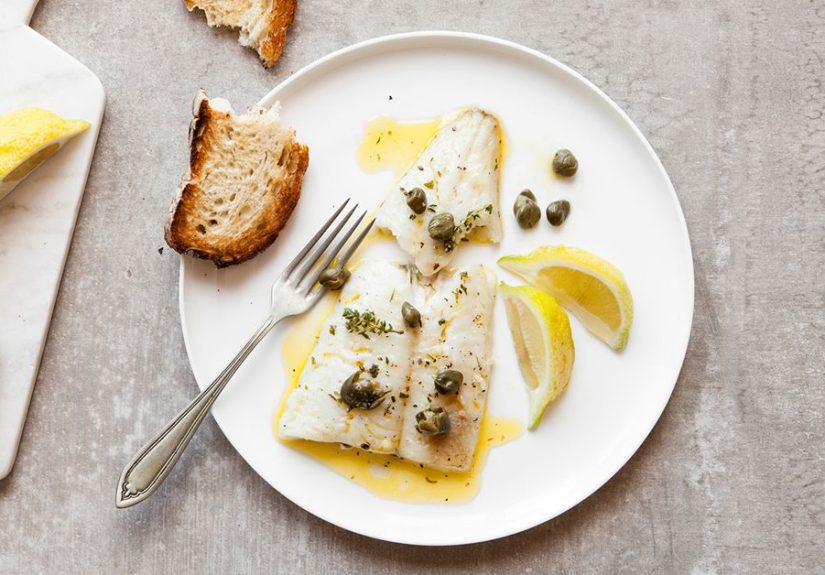
- Baked with herbs, lemon, garlic, or paprika
- Broiled for a crisp top without heavy breading
- Grilled with a simple spice rub
- Pan-seared in a modest amount of oil
- Air-fried with a light coating instead of a thick batter
Pair catfish with foods that make the whole meal stronger, like roasted vegetables, coleslaw with a yogurt-based dressing, brown rice, beans, corn, sweet potatoes, or a big salad. This is one of the easiest ways to make catfish part of a genuinely balanced plate instead of just a sidekick to fries the size of a snow shovel.
Who Should Be Careful with Catfish?
Catfish is healthy for most people, but a few groups should think a little more carefully:
People Eating Locally Caught Fish
If the catfish was caught by family or friends, check local fish advisories. Store-bought catfish and locally caught catfish do not always carry the same risk profile. Depending on the water source, locally caught fish can sometimes have higher contaminant concerns.
People Watching Sodium
Plain catfish is not usually a sodium bomb, but restaurant versions, seasoned breading mixes, and frozen prepared products can pile on the salt quickly. If sodium matters for your health, the label becomes your dinner guest.
People with Fish Allergies
This one is simple and unfun: if you have a fish allergy, catfish is not your friend.
Catfish vs. Other Fish
Compared with salmon: Catfish is lower in omega-3s but often lower in price and still a good protein source.
Compared with tilapia: Catfish is similarly easy to cook and mild in flavor, though fat content and nutrient details can differ by product.
Compared with tuna: Catfish is generally lower in mercury, especially compared with some tuna types.
Compared with cod: Catfish is a little richer and fattier, while cod is leaner and milder.
So, no, catfish is not “the healthiest fish” in every category. But it does not need to be. It is nutritious, practical, filling, and often more affordable than trendier seafood options. That alone earns it a seat at the table.
Final Verdict: Should You Eat Catfish?
Yes, catfish is healthy for most people when prepared in a simple way and eaten as part of an overall balanced diet. It offers high-quality protein, useful nutrients like vitamin B12 and selenium, and a lower-mercury profile that makes it a solid seafood option. Its biggest drawback is that it is not especially high in omega-3s compared with fattier fish, and it can lose a lot of its nutritional charm when heavily breaded and deep-fried.
If you enjoy catfish, there is no nutritional reason to act like you have been caught in a scandal. Bake it, grill it, broil it, or air-fry it. Add vegetables. Keep an eye on sodium and heavy breading. And if you want more omega-3s, rotate in salmon, sardines, or trout on other days.
In other words, catfish is not junk food in fish form. Treated well, it is a healthy, satisfying, and underrated seafood choice.
Common Experiences People Have with Catfish
One reason catfish remains popular is that people often find it easy to fit into real life. Not aspirational life. Not “I meal-prep in color-coded glass containers while doing yoga at sunrise” life. Real life. The kind where dinner needs to happen before everyone gets cranky.
A common experience is that catfish feels more approachable than other fish. People who say they “don’t really like seafood” often mean they do not like strong fishy flavors. Catfish is mild, soft, and easy to season, so it tends to win over skeptical eaters faster than more assertive fish. For families, that matters. A healthy food does not help much if everyone at the table treats it like a betrayal.
Another experience people report is that catfish is filling without feeling too heavy. A baked or pan-seared fillet with rice and vegetables often satisfies in the way people want dinner to satisfy: enough substance to feel full, but not so much grease that the rest of the evening becomes a negotiation with the couch. This is especially true for people trying to reduce takeout or swap some red meat meals for seafood.
Home cooks also tend to appreciate catfish because it is hard to overcomplicate. You can season it with black pepper, garlic, paprika, lemon, and a little olive oil, and it still tastes like you tried. That is a powerful quality. Many healthy foods have a reputation for requiring ten ingredients, two pans, and a spiritual commitment to chopping. Catfish is usually more forgiving. It is weeknight-friendly, budget-friendly, and not particularly dramatic.
Then there is the fried catfish experience, which is almost its own category. Many people grew up eating catfish at fish fries, family gatherings, or local restaurants where the pieces arrived hot, crisp, and dangerously easy to keep eating. For some, that creates nutritional confusion. They think catfish itself must be unhealthy because the version they know is fried. But often the healthier shift is not giving up catfish entirely. It is just changing the format. The fish can stay. The oil parade can calm down.
People focused on healthier eating often discover that catfish works best when it becomes part of a rotation. They may eat salmon for omega-3s, tuna occasionally, shrimp now and then, and catfish when they want something mild, affordable, and satisfying. In that kind of routine, catfish does not need to “beat” every other fish nutritionally. It just needs to be a smart choice sometimes, which it is.
Some people also notice that catfish helps them eat more seafood overall because it feels less intimidating. Salmon can be pricey. Shellfish can be fussy. Sardines can divide a household like politics at Thanksgiving. Catfish, by comparison, is usually accessible, familiar, and easy to cook. That simplicity often makes the healthy choice easier to repeat, and repeated healthy choices matter more than one perfect meal.
Perhaps the most useful real-world experience is this: people tend to do well with catfish when they stop asking whether it is a miracle food and start asking whether it is a better everyday option. Most of the time, the answer is yes. It is not magical. It is not trendy. It is not trying to become the next wellness icon. It is just a nutritious, practical fish that can pull its weight at dinner, which honestly is more than enough.
SEO Tags
Note: This article is for general informational purposes only. Nutrition can vary by species, product, and cooking method.