Table of Contents >> Show >> Hide
- What Makes a Kitchen Feel Gallery-Like?
- How to Steal the Look in Your Own Kitchen
- Why This Style Works So Well for Families
- Budget-Friendly Ways to Get the Look
- Common Mistakes That Break the Look
- Final Take: Quiet Luxury, Everyday Use
- Experiences From Living With a Gallery-Like Family Kitchen in Brooklyn
Some kitchens are designed for cooking. Some are designed for entertaining. And then there are the rare overachievers that manage to sauté onions, host homework, frame art, and still look like they belong in a very calm, very expensive gallery where nobody spills juice. That is the magic of a gallery-like family kitchen in Brooklyn: it feels refined without becoming fussy, practical without looking utilitarian, and stylish without screaming, “Look at me, I have designer stools.”
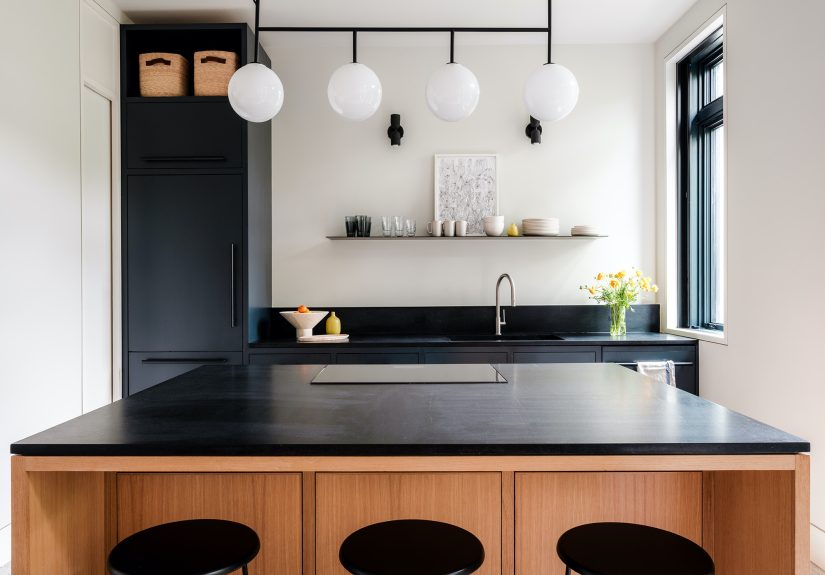
The look that inspires this story is all about balance. A generous oak island grounds the room with warmth. Dark cabinetry gives the space visual weight and a slightly moody edge. Soapstone countertops add a tactile, lived-in quality that keeps the kitchen from feeling too polished. Around those stronger materials, the rest of the room stays calm and airy, with soft walls, disciplined styling, and enough negative space to let every surface breathe. The result is a family kitchen that reads like a gallery, but works like the hardest-working room in the house.
If you want to steal this look for your own home, the good news is that you do not need a Brooklyn townhouse, a six-figure renovation, or the ability to say “bespoke millwork” with a straight face. What you need is a smart blend of restraint, texture, storage, and a few high-impact design moves that make everyday life look more elegant than it actually is.
What Makes a Kitchen Feel Gallery-Like?
A gallery-like kitchen is not empty. It is edited. That distinction matters. In a gallery, every object earns its place. There is visual rhythm, clear spacing, and a sense that the room has been arranged with intention. In a family kitchen, that same principle translates into cleaner counters, more thoughtful storage, better material contrast, and fewer random “Where should I put this?” decisions.
1. Symmetry does a lot of the heavy lifting
One reason this Brooklyn kitchen feels so serene is that the layout appears composed instead of crowded. Even when a kitchen is busy behind the scenes, symmetry makes it feel calmer. Matching cabinet runs, centered lighting, a well-proportioned island, and consistent finishes help the room read as one complete composition. It is the visual equivalent of taking a deep breath.
That does not mean everything needs to be mirrored like a fancy math problem. It means the room should feel balanced. If one side has dramatic dark cabinetry, the other side might need open breathing room, lighter walls, or a simple row of shelves. A gallery-like kitchen understands visual weight and spreads it wisely.
2. The palette is restrained, not boring
This look depends on a controlled color story. In the Brooklyn version, dark cabinets and soapstone counters bring depth, while oak and soft wall tones warm everything up. That combination is a big reason the room feels elevated. Too much white can make a family kitchen feel clinical. Too much dark color can make it feel cave-like. Together, warm wood and inky cabinetry create a sweet spot: sophisticated, grounded, and surprisingly welcoming.
Think of it as the kitchen version of a black blazer over a perfectly soft T-shirt. Sharp, but not stiff. Stylish, but still capable of making grilled cheese.
3. The island acts like sculpture and command center
In many modern homes, the kitchen island has become the unofficial town square. It is where breakfast happens, where groceries land, where kids color, where guests lean dramatically while pretending they are not in the cook’s way. In a gallery-like family kitchen, the island is not just functional; it is the star piece.
An oak island works especially well because it adds warmth and natural variation. Against darker cabinets and stone counters, the wood reads almost like furniture. It softens the architecture and brings in the lived-in character that keeps minimalist spaces from feeling too severe. A well-scaled island can also define the room without adding clutter, which is exactly the kind of multitasking we love to see.
4. Soapstone gives the room soul
Soapstone is one of those materials designers keep returning to for good reason. It has a matte, velvety look that feels quieter than shiny stone surfaces, and it ages with grace. In a family kitchen, that matters. A gallery-like room should not feel precious. It should feel calm enough to survive spaghetti night.
Soapstone brings depth without flash. Its darker tones pair beautifully with oak, painted cabinetry, brass, blackened steel, or brushed nickel. Over time, it develops a patina that can make the kitchen feel even better, not worse. That is the opposite of trendy perfectionism. It is beauty with a little backbone.
How to Steal the Look in Your Own Kitchen
Start with the bones: clean lines and concealed storage
If you want your kitchen to look more like a gallery and less like a drop zone for mail, chargers, snack wrappers, and a mystery Tupperware lid, storage has to work harder. Hidden storage is what makes minimalist kitchens believable in real life. Deep drawers, appliance garages, pantry cabinets, built-in recycling, and smart island storage all help keep the visual field clean.
That matters even more for families. A kitchen can be beautiful all day long, but if there is nowhere to put cereal boxes, school papers, water bottles, and the air fryer you swore you would use more, the room will lose the plot by noon. The best version of this look uses sleek surfaces up front and serious organization behind the scenes.
Choose fewer, better materials
Gallery-like spaces do not rely on endless finishes to stay interesting. They use a handful of materials and let texture do the talking. For this look, the formula is simple: one dark painted or stained finish, one warm wood tone, one understated stone, and a modest supporting cast of metal, plaster, tile, or glass.
This is why oak and soapstone work so beautifully together. One is warm and organic, the other cool and dense. One reflects the hand, the other reflects time. Together, they create contrast without chaos. Add too many competing materials, and the kitchen stops feeling curated. It starts feeling like a showroom with commitment issues.
Keep counters edited, not empty
There is a difference between clean counters and joyless counters. A family kitchen still needs life. The trick is choosing what stays visible. A sculptural fruit bowl, a tray with olive oil and salt, a favorite cutting board, a ceramic utensil crock, maybe one piece of art or a small lamp if the layout allows it. That is enough.
Everything else should either be hidden or grouped with intention. Trays are especially useful here because they turn clutter into a vignette. Floating shelves can work too, but only if you are willing to style them like a grown-up and not like a storage accident. A few beautiful everyday objects go a long way.
Let art earn a seat at the table
The most compelling gallery-like kitchens do not stop at cabinetry and counters. They create a relationship between the kitchen and the rest of the home. Art nearby, framed pieces leaning on shelves, a hallway gallery wall just off the kitchen, or even one standout photograph can make the room feel culturally connected rather than purely utilitarian.
That is especially effective in Brooklyn-style interiors, where the kitchen often sits inside an open, personality-rich home instead of hiding in a sealed-off back room. Neutral walls and disciplined materials create the perfect backdrop for art, books, ceramics, and collected objects. In other words, the kitchen does not need to shout because the home already has a point of view.
Why This Style Works So Well for Families
At first glance, “gallery-like family kitchen” sounds a little contradictory. Families are messy. Galleries are not known for sticky fingerprints and emergency quesadillas. But that tension is exactly what makes this look compelling.
Families need durable materials, comfortable seating, clear circulation, and surfaces that can handle repetition. They also need spaces that feel emotionally good to be in. A moody-but-warm kitchen checks those boxes. The island supports conversation and everyday tasks. Dark cabinetry hides visual noise better than bright white fronts. Soapstone can take real use. Oak adds warmth and softness. Good storage keeps the room from becoming a visual stress test.
Most important, this style respects how people actually live now. The kitchen is no longer just where meals are prepared. It is where the day starts, where socializing happens, where devices charge, where quick chats turn into long ones, and where somebody is always asking where the scissors went. A gallery-like kitchen does not deny that reality. It just gives the chaos better packaging.
Budget-Friendly Ways to Get the Look
Paint the lowers dark
If a full remodel is not in the cards, repainting lower cabinets in a deep charcoal, midnight blue, or soft black can instantly shift the room toward this moodier, more architectural look. Pair that with lighter walls and warmer accents to keep the space balanced.
Add wood strategically
No oak island? No problem. Bring in warmth with wood stools, cutting boards, floating shelves, or a freestanding prep table. The goal is not to fake a custom kitchen. It is to introduce a warm natural element that softens the sharper lines.
Fake better styling with fewer objects
One of the cheapest ways to improve a kitchen is ruthless editing. Remove the items you do not use daily. Put small appliances away. Use a tray. Replace mismatched visual noise with one or two better-looking basics. Congratulations: your kitchen just became 30 percent more composed and 80 percent less annoying.
Upgrade one surface with intention
If soapstone is beyond budget, consider a dark matte-look surface or a smaller soapstone application, such as a section near the range, a butler’s pantry counter, or a compact island top. You do not need every square inch to be premium stone for the room to feel elevated.
Common Mistakes That Break the Look
- Too many finishes: If every surface introduces a new material, the room loses its calm.
- Oversized islands: Bigger is not always better. A good island should improve movement, not create obstacle courses.
- Decor overload: A gallery-like kitchen needs curation, not countertop chaos.
- Ignoring family habits: Beautiful seating means little if nobody can actually sit there comfortably.
- Over-polishing: The room should feel collected and livable, not like it is waiting for a velvet rope.
Final Take: Quiet Luxury, Everyday Use
What makes this Brooklyn kitchen so memorable is not that it is trendy. It is that it is disciplined. The room understands scale, contrast, and restraint. It uses dark cabinets without becoming gloomy, wood without becoming rustic, and minimalism without becoming cold. That is harder than it looks.
Steal this look, and you are really stealing a philosophy: let a few beautiful materials do the work, keep the layout generous, give the island a real job, and edit the room until it feels composed. Then let family life happen inside it. The best kitchen is not one that stays pristine. It is one that looks even better once it has been lived in.
Experiences From Living With a Gallery-Like Family Kitchen in Brooklyn
What does this kind of kitchen actually feel like once the photos are taken and normal life barges in? Surprisingly human. That may be the most appealing part of the whole idea. A gallery-like kitchen sounds formal, but the lived experience is less “do not touch the art” and more “wow, this room makes Tuesday feel less chaotic.”
In practice, a space like this changes how people move. The island becomes the natural landing pad, but because it is large, warm, and visually calm, it does not feel like clutter collects there by accident. It feels intentional, even when breakfast plates, a school permission slip, and a bowl of clementines are all sharing real estate for ten minutes. The room seems to absorb activity without looking instantly overwhelmed.
That is one of the quiet wins of combining dark cabinetry with a strong island and disciplined styling. Daily mess still happens, but it reads less like disaster and more like evidence of life. Dark lower cabinets are especially forgiving. They do not put every smudge on blast. Soapstone does not panic if you set down a hot pan or drag a heavy bowl across it. Oak gets better when it picks up a little age. These are not sterile materials. They are materials that know how to age with dignity, which is honestly a life skill we should all aspire to.
There is also something deeply comforting about a kitchen that does not rely on visual noise to feel interesting. In a busy city apartment or townhouse, especially in Brooklyn where homes often have to multitask heroically, a quieter kitchen can change the mood of the whole home. You walk in, see the clean lines, the soft wall color, the warm wood, the restrained objects, and your shoulders drop half an inch. That is good design doing emotional labor.
For families, another real-world benefit is flexibility. One person can prep dinner at the island while another answers emails, and a kid can perch on a stool doing homework or sneaking cheese. Guests tend to gather there too, because islands are social magnets. A good one allows conversation without forcing everyone into the cook’s elbows. It becomes the room’s unofficial stage, desk, snack bar, and peace treaty table.
Perhaps the nicest experience of all is that art feels welcome in a kitchen like this. Because the palette is controlled, even one small framed piece, a ceramic lamp, or a beautiful shelf arrangement can feel meaningful instead of crowded. The kitchen stops being just a utility zone and starts participating in the home’s personality. That is what gives a gallery-like family kitchen its staying power. It is elegant, yes, but not fragile. It is edited, but not uptight. It makes room for real life and still looks good doing it. In a city where square footage is precious and every room has to earn its keep, that is not just stylish. It is brilliant.