Table of Contents >> Show >> Hide
- What Is Second Empire Style, Exactly?
- Why the Style Faded the First Time
- Why Second Empire Style Feels Fresh Again
- The Mansard Roof: The Crown Jewel of the Comeback
- American Examples That Show the Style’s Power
- What the Interior Revival Looks Like
- How Homeowners Are Bringing the Style Back
- Is Second Empire Style Right for Everyone?
- The Bigger Meaning of the Renaissance
- Experiences of Living With Second Empire Style Today
For a long time, Second Empire style was the architectural equivalent of a magnificent aunt everyone adored but secretly found a little too dramatic. It had the height, the curves, the ornament, the flair, and of course that unmistakable mansard roof that practically announces itself before the front door has a chance. Then came the age of stripped-down interiors, blank-box remodels, and enough gray paint to make every neighborhood feel like it had signed the same design contract.
Now the tide is turning. Homeowners, designers, and preservation-minded buyers are looking again at historic architecture with fresh eyes, and Second Empire style is stepping back into the spotlight. Not quietly, of course. This style never does anything quietly.
The renewed fascination makes sense. Today’s design culture is moving away from severe minimalism and toward rooms with personality, texture, and a point of view. Buyers increasingly want homes that feel specific rather than generic. Designers are embracing richer materials, layered interiors, decorative details, antiques, and a sense of romance. In that climate, a style known for mansard roofs, dormer windows, ornamental trim, iron cresting, and stately proportions suddenly feels less like a relic and more like a very good idea whose time has come again.
What Is Second Empire Style, Exactly?
Second Empire architecture originated in France during the reign of Napoleon III and spread to the United States in the mid-to-late 19th century. In America, it flourished roughly from the 1860s into the 1870s and remained visible through the 1880s, especially in the Northeast and Midwest. The style became popular after the Civil War and appeared in both public buildings and private homes. If you have ever seen a grand 19th-century building and thought, “That roof looks fancy enough to charge admission,” there is a fair chance you were looking at Second Empire design.
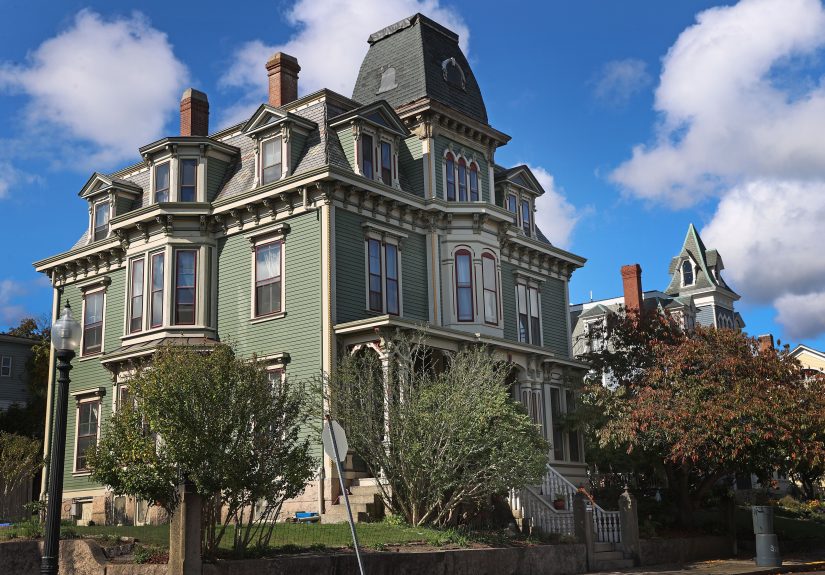
Its signature feature is the mansard roof, a double-pitched roof on all four sides, with a steep lower slope and a flatter upper portion. This roof shape was not just decorative. It was practical too, because it created usable upper-level living space without dramatically changing the building’s perceived height. In dense cities and fast-growing towns, that was a neat trick. In style terms, it was even better: a roof that added square footage and swagger at the same time.
The Hallmarks of Second Empire Architecture
The mansard roof is the star, but it is not performing solo. True Second Empire style often includes dormer windows punched into that roofline, elaborate window surrounds, deep cornices, decorative brackets, tower-like projections, iron cresting, quoins, and a generally symmetrical, boxy massing. Some homes lean more restrained, while others seem determined to prove that plainness is a moral failure.
From the street, these houses often look upright and confident. They have a formal posture. Many combine the elegance of French inspiration with details borrowed from Italianate or other Victorian-era traditions. That blend is part of the charm. Second Empire homes can feel polished without being stiff, theatrical without being silly, and ornate without losing their structural logic.
Why the Style Faded the First Time
Like many design movements, Second Empire style did not disappear because it suddenly became bad. It faded because tastes changed, economics changed, and the next thing arrived wearing its own shiny shoes. The economic downturn of 1873 slowed demand for lavish building programs, and architecture moved on to other Victorian expressions. In many communities, the mansard roof stuck around longer than the full style package, often appearing on smaller homes or remodels after the style had technically fallen out of fashion.
That matters today because it helps explain why so many surviving Second Empire homes feel layered and a little eccentric. Some remained largely intact. Others were altered, simplified, covered in siding, or modernized in ways that dulled their original character. But even when details were lost, the silhouette often survived. And in architecture, silhouette is powerful. One great roofline can carry a whole building back into relevance.
Why Second Empire Style Feels Fresh Again
The current renaissance is about more than nostalgia. It is tied to broader shifts in taste. After years of interiors built around restraint, homeowners are craving atmosphere. They want rooms with depth, color, trim, texture, memory, and a little drama. Design publications have been charting the return of maximalism, the rise of antique shopping, and the broader move toward layered, romantic, historically informed spaces. Even trend language like “castlecore” signals the same cultural impulse: people want beauty with a backstory.
Second Empire style fits this moment beautifully. Its architecture already comes loaded with personality, which means homeowners do not have to manufacture charm with a truckload of trendy accessories. The bones do the heavy lifting. A mansard roof, tall windows, ornate plasterwork, carved mantels, and a proper stair hall can make a house feel rich and memorable before the furniture even arrives.
There is also a growing appreciation for restoring houses to their original architectural intent rather than flattening them into bland resale products. That is particularly important for Second Empire homes. They were never meant to be anonymous. When lovingly restored, they offer exactly what so many buyers now say they want: individuality, craftsmanship, and spaces that feel rooted instead of disposable.
The Mansard Roof: The Crown Jewel of the Comeback
Let us be honest: the mansard roof is doing a lot of the PR work here. It is iconic, practical, and visually irresistible. In a market full of rooflines that behave themselves, the mansard has presence. It turns the top of a building into architecture instead of mere weather protection. It also creates valuable interior volume, which is one reason the form made so much sense historically and still appeals today.
That said, a mansard roof is not maintenance-free. It can be expensive to repair, especially when it includes patterned slate, decorative dormers, iron cresting, or intricate trim. Water management matters. Material selection matters. Craftsmanship matters. If a homeowner cuts corners on the roof, the house tends to protest loudly and expensively. But when repaired well, the mansard becomes both a design statement and an investment in the long-term integrity of the structure.
For many preservation-minded buyers, that challenge is part of the appeal. A restored mansard roof gives a house instant identity. It is not just roofing. It is architecture with a capital A.
American Examples That Show the Style’s Power
Some of the most compelling evidence for the style’s staying power can be found in major American landmarks. Philadelphia City Hall remains one of the nation’s great expressions of Second Empire architecture, monumental in scale and unapologetically ornate. Baltimore City Hall demonstrates how the style could translate grandeur into civic presence. The Eisenhower Executive Office Building in Washington, D.C., proves that Second Empire could also project authority on a federal scale, complete with mansard roofs, cast iron trim, and richly articulated facades.
But the renaissance is not happening only at the level of famous landmarks. Smaller residential examples matter just as much. Historic houses in New England, the Midwest, and older urban neighborhoods continue to show how adaptable the style can be. Some have been restored as single-family homes. Others have found new life as apartments, guest houses, or mixed-use properties. When owners preserve the key features and modernize the systems intelligently, these homes can function beautifully for contemporary life.
What the Interior Revival Looks Like
The return of Second Empire style is not only about exteriors. Interiors are part of the story too. In period examples, you often find tall ceilings, formal parlors, carved mantels, substantial millwork, plaster ornament, marble fireplace surrounds, and grand lighting. These details pair surprisingly well with modern living when handled thoughtfully.
The smartest renovations do not turn the house into a museum. They keep the historical character while making daily life easier. That might mean opening a cramped service space into a more functional kitchen without gutting the original stair hall. It might mean restoring plaster medallions while adding better insulation. It might mean painting walls in deeper, moodier shades that work with the architecture instead of fighting it.
And yes, this is where the broader design world’s current love of layered interiors really helps. Antique mirrors, richly toned wood, vintage lighting, patterned drapery, and collected furniture all make sense in a Second Empire house. The architecture welcomes them. A room with strong trim and a high ceiling does not need to whisper. It can handle a little velvet, a little marble, a little brass, and the occasional chandelier that looks like it has opinions.
How Homeowners Are Bringing the Style Back
1. Restoring original exterior details
Many restorations begin with the obvious features: repairing dormers, rebuilding missing brackets, restoring window hoods, uncovering old siding, or reintroducing appropriate trim. Even modest improvements can bring back the original silhouette and dignity of the house.
2. Respecting the architecture in renovations
The best projects work with the building’s proportions rather than trying to erase them. That means keeping tall windows, honoring circulation patterns, and understanding that formal rooms are not flaws. They are opportunities. A front parlor can become a library, music room, office, or deeply glamorous place to drink coffee and pretend emails do not exist.
3. Mixing old and new with restraint
There is a sweet spot between thoughtful modernization and historical cosplay. A Second Empire home does not require every object in it to look inherited from a baroness. Clean-lined upholstery, contemporary art, and modern kitchens can coexist beautifully with ornate architecture. Contrast is often what makes these homes feel alive.
4. Leaning into craftsmanship
The renewed appeal of this style is closely tied to craftsmanship. Homeowners are once again valuing carved wood, stone, plaster, ironwork, and durable materials. Second Empire architecture rewards that mindset. Cheap shortcuts rarely look convincing in a house built to celebrate detail.
Is Second Empire Style Right for Everyone?
Not exactly. If your dream home is a blank white cube with hidden hardware and one decorative bowl placed at perfect emotional distance from all other objects, this may not be your forever style. Second Empire homes ask for engagement. They ask you to notice cornices, care about rooflines, and sometimes spend more on restoration than you originally planned while muttering, “Well, at least the brackets are gorgeous.”
But for buyers who love historic home renovation, Victorian architecture, ornate design, and houses with real presence, the appeal is enormous. These homes offer architectural richness that new construction often cannot replicate without becoming cartoonish or wildly expensive. Original Second Empire homes have the advantage of authenticity. They do not imitate history. They are history.
The Bigger Meaning of the Renaissance
What makes the revival of Second Empire style especially interesting is that it reflects a broader cultural correction. For years, many people were encouraged to treat houses like interchangeable containers. Strip away the fussy parts. Open everything. Paint it neutral. Make it marketable. But homes are not just assets. They are environments that shape daily life, memory, and identity.
Second Empire architecture resists sameness. It reminds us that buildings can be useful and expressive at the same time. They can solve practical problems, like creating more space under a roof, while still delivering delight. In that sense, the style’s return is not merely aesthetic. It is philosophical. It suggests that people are once again willing to choose character over conformity.
Experiences of Living With Second Empire Style Today
Spend time in a well-kept Second Empire home and the experience is different from living in a generic modern box. The first thing you notice is often the approach. These houses do not reveal themselves all at once. The mansard roof pulls your eyes upward, the dormers wink at you, and the entry sequence usually has enough formality to make even grabbing a package from the porch feel slightly ceremonial.
Inside, the rooms often have a rhythm that modern homes sometimes lack. Ceilings feel taller. Doors feel more important. Windows pull in light differently because of their proportions and trim. Even an ordinary Tuesday can feel upgraded by details such as a marble mantel, a curved stair rail, or the way afternoon light hits old woodwork. That is one reason people fall so hard for these houses. They add texture to routines that would otherwise blur together.
There is also the emotional pleasure of inhabiting craftsmanship. You touch solid doors with original hardware. You notice plaster medallions overhead. You see evidence that someone, more than a century ago, thought beauty belonged in everyday life. That can be deeply grounding. In an era when so much feels fast, disposable, and standardized, a Second Empire house offers the opposite experience. It slows your eye down. It invites attention.
Of course, the romance comes with reality. A drafty dormer does not care that your house is historically significant. An aging roof will still demand money. Restoring old windows is not always cheap, and finding skilled tradespeople who understand historic buildings can require patience. But many owners will tell you the work feels meaningful rather than purely annoying. You are not just replacing parts. You are helping a building keep telling its story.
Entertaining in a Second Empire home is another special pleasure. Parlors, formal dining rooms, and dramatic staircases were made to create occasion. Guests tend to react instantly. Some admire the roofline before they even step inside. Others become obsessed with the trim, the fireplaces, or the sheer charisma of the rooms. These homes know how to make an impression. They are, in the best sense, social architecture.
Then there is the design flexibility. Despite the style’s formal reputation, many owners find these homes surprisingly easy to personalize. A Second Empire shell can support traditional furnishings, moody contemporary art, eclectic antiques, or a clever mix of all three. In fact, contrast often works best. A sleek sofa beneath ornate molding, or a modern pendant hanging in a richly paneled room, can make both elements look better. The house brings the drama; you bring the edit.
Perhaps the biggest experience, though, is the sense of stewardship. Living in one of these homes often changes how owners think. You stop asking only, “What do I want right now?” and start asking, “What suits the house, and what will preserve it well?” That mindset can be surprisingly rewarding. It turns renovation into conversation across time. It also creates stronger attachment. When you preserve brackets, repair slate, or revive a long-hidden detail, the house feels less like a product and more like a partnership.
That is why Second Empire style is having a renaissance. Not simply because it looks beautiful in photos, though it certainly does. Not simply because maximalism is back, though the timing helps. It is returning because people are rediscovering the pleasures of architecture with identity, history, practicality, and flair. In a world full of homes trying very hard not to offend anyone, a Second Empire house dares to be memorable. And frankly, that feels pretty refreshing.