Table of Contents >> Show >> Hide
- Why Carrot Cavatelli Feels So Luxurious
- What Makes Cavatelli the Right Pasta for the Job
- The Carrot Sauce That Turns This Into a Signature Dish
- How to Build the Best Version at Home
- Flavor Pairings That Make Sense
- Why This Beats a Restaurant Order
- Common Mistakes to Avoid
- How to Serve It Like You Know Exactly What You’re Doing
- The Experience of Making and Eating Carrot Cavatelli at Home
- Conclusion
There are certain meals that make you feel like you should be paying for valet parking, even if you are currently wearing fuzzy socks and stirring sauce with a wooden spoon you got on sale. Carrot cavatelli is one of those meals. It looks elegant, tastes layered and expensive, and somehow turns a humble bag of carrots into something that feels worthy of white plates, low lighting, and a dramatic sentence like, “Tonight we dine.”
The beauty of this dish is that it borrows the soul of classic Southern Italian pasta and gives it a fresh, modern twist. Cavatelli already has the restaurant thing going for it: small, hand-formed pasta with a chewy bite and a shape that grabs onto sauce like it has trust issues. Add a silky carrot sauce, a little pecorino, plenty of black pepper, and maybe a bright herb finish, and suddenly dinner at home starts acting very fancy. Not annoying fancy. Good fancy. The kind that lets you refill your own water without tipping anyone.
Why Carrot Cavatelli Feels So Luxurious
Fine dining is rarely about giant ingredient lists or complicated tricks. More often, it is about contrast, balance, and texture. This dish nails all three. Cavatelli brings chew and structure. Carrots bring sweetness, color, and body. Cheese adds salt and richness. Butter or olive oil gives the sauce that glossy finish people usually describe with words like “silken,” which is food-writer code for “you are about to lick the bowl.”
Carrots are especially brilliant in pasta because they can do more than one job at once. Roast or simmer them until tender, and they become naturally sweet and creamy when blended. Sauté them with aromatics, and they deepen the savory base of the sauce. Use the tops, and you get a bright, slightly grassy garnish that cuts through richness. In other words, the carrot is not just invited to dinner here. The carrot owns the place.
What Makes Cavatelli the Right Pasta for the Job
A shape with real personality
Cavatelli is a small, shell-like pasta traditionally associated with Southern Italy. It is often made with semolina flour and water, which gives it a pleasantly firm texture and a rustic bite. Unlike delicate ribbon pasta that can disappear into sauce drama, cavatelli stands its ground. Its hollow center and ridged or curled surface hold onto creamy sauces beautifully, which is exactly what you want when your sauce is built from blended carrots, cheese, and a splash of pasta water.
That shape matters more than people think. A gorgeous sauce on the wrong pasta is like wearing formal shoes with gym shorts. Technically legal, emotionally confusing. Cavatelli catches the sauce inside its little curve, so every bite tastes complete. You do not chase the sauce around the bowl. The pasta and sauce show up together like a well-rehearsed duo.
Fresh, handmade, and surprisingly doable
Here is the encouraging part: cavatelli looks impressive, but it is one of the more approachable handmade pastas for home cooks. You do not need to roll giant sheets or master filled pasta on your first try. A simple semolina dough can be mixed, rested, rolled into ropes, cut into nuggets, and dragged with your fingers or a board knife to create the classic shape. It is hands-on, yes, but also forgiving. If your cavatelli come out a little rustic, congratulations. Rustic is now the vibe.
The Carrot Sauce That Turns This Into a Signature Dish
The smartest version of carrot cavatelli for home cooks is not necessarily a fully carrot-based pasta dough. It is cavatelli paired with a deeply flavored carrot sauce that tastes polished, vibrant, and just a little unexpected. Think of it as the warm, cozy cousin of vodka sauce, only brighter, sweeter, and more original.
Start with carrots cooked until truly soft. Roasting gives them deeper, sweeter notes and a slightly caramelized edge. Simmering works too if you want a gentler, silkier result. Blend the cooked carrots with sautéed shallot or onion, garlic, olive oil or butter, a bit of pasta water, and grated pecorino or Parmesan. Add black pepper and a pinch of red pepper flakes if you want some kick. The result should be smooth and glossy, thick enough to coat the pasta but loose enough to move.
This is where the fine-dining magic happens. Carrot sauce has color. It has body. It has that velvety spoon-coating quality that feels much more expensive than it is. And unlike tomato-heavy sauces that can bulldoze a dish, carrot sauce leaves room for details like browned butter, lemon zest, toasted breadcrumbs, crispy pancetta, or a shower of fresh herbs.
How to Build the Best Version at Home
1. Make the dough simple
If you are making cavatelli from scratch, keep the dough straightforward. Semolina flour, warm water, a little olive oil, and patience are enough. Knead until smooth, then let it rest so it becomes easier to shape. This is not the moment to become a kitchen overachiever and add seventeen ingredients because you saw someone on social media using beet powder and edible glitter. Stay focused. Cavatelli rewards simplicity.
2. Let the carrots do the heavy lifting
Use fresh carrots with good color and sweetness. If they come with tops attached, even better. The roots can become the sauce, and the tops can be turned into a bright finishing element with herbs, nuts, olive oil, and cheese. That kind of layered use gives the dish depth and keeps it from tasting one-note. It also makes you look resourceful, which is always attractive in a cook.
3. Salt the pasta water like you mean it
Fresh pasta cooks quickly, which means it has less time to absorb seasoning in the pot. Your pasta water should taste properly salty. Not oceanic. Not like a dare. Just seasoned enough that the cavatelli comes out lively instead of bland. Then reserve some of that water before draining. It is the secret handshake between pasta and sauce.
4. Finish everything together
Restaurant-quality pasta is usually finished in the sauce, not dumped on top of it like an afterthought. Add the cooked cavatelli to the pan with carrot sauce, toss gently, and loosen with pasta water until the sauce clings to every piece. Add cheese off the heat or over low heat so it melts smoothly. A final spoonful of butter or drizzle of good olive oil can take the finish from “very nice” to “where did you learn this?”
Flavor Pairings That Make Sense
One reason carrot cavatelli works so well is that carrots play nicely with both rich and fresh ingredients. Brown butter and sage give it a cozy, autumnal elegance. Pecorino and black pepper make it sharp and savory. Lemon zest cuts through sweetness and brightens the whole bowl. Toasted walnuts or hazelnuts add texture. Carrot-top pesto brings a fresh, peppery lift. If you want protein, Italian sausage, pancetta, or even roasted mushrooms can add depth without hijacking the dish.
There is also a vegetable-forward version that deserves applause: carrot cavatelli with cauliflower, broccoli rabe, or tender greens. Bitterness from those vegetables helps balance the sauce, which is why the dish can feel rich without becoming heavy. It is comfort food with posture.
Why This Beats a Restaurant Order
Let us be honest: dining out is lovely, but it is not always magical. Sometimes “housemade pasta” arrives lukewarm. Sometimes the lighting is romantic but the chair is punishing. Sometimes you pay a dramatic amount of money for a portion best described as “emotionally insufficient.” At home, carrot cavatelli solves several of these problems at once.
You control the sauce-to-pasta ratio. You can add more cheese without shame. You can serve it in warm bowls. You can pair it with crusty bread, a sharp salad, and music that does not sound like a haunted elevator. And because the ingredients are relatively affordable, the finished dish feels wildly generous for what it costs.
That is the hidden power of home cooking at this level. It is not about replacing restaurants entirely. It is about realizing that some dishes actually shine brighter in your own kitchen, where you can serve them at their peak. Fresh cavatelli waits for no one. The moment it is ready, it wants to be eaten. At home, that timing is finally in your favor.
Common Mistakes to Avoid
Making the dough too dry: Cavatelli dough should be firm but workable. If it cracks while shaping, it probably needs a touch more water or a longer rest.
Skipping the sauce texture check: A carrot sauce that is too thick can feel pasty. A sauce that is too thin slides off. Blend thoroughly and adjust with pasta water until it coats a spoon.
Overcooking the pasta: Fresh cavatelli cooks fast. Taste early and often. This is the fun kind of quality control.
Forgetting contrast: Because carrots are naturally sweet, the final dish needs salt, pepper, cheese, acid, or herbs for balance. Think about the finish, not just the base.
How to Serve It Like You Know Exactly What You’re Doing
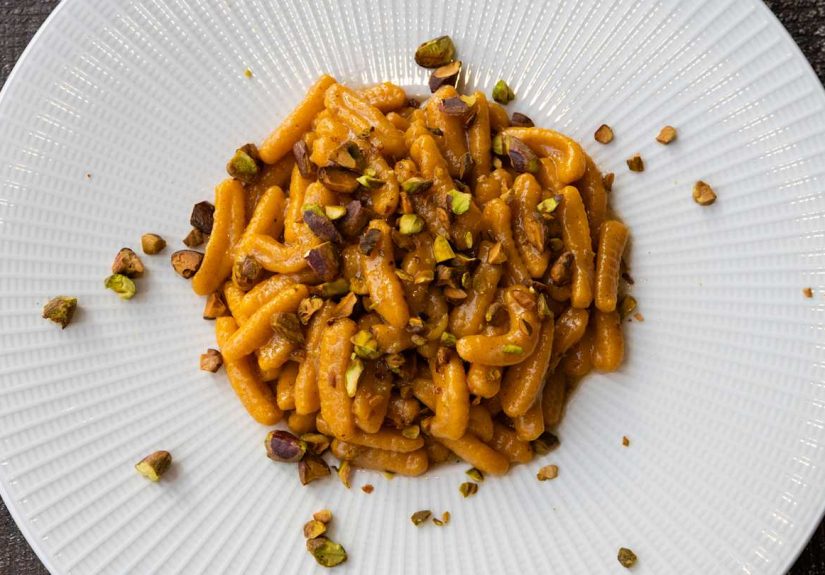
Use shallow bowls if you have them. Twirl and spoon the cavatelli so the pasta sits high instead of spreading flat. Finish with finely grated pecorino, cracked black pepper, a few torn herbs, and maybe a drizzle of olive oil or a scattering of toasted crumbs. Keep the garnish focused. This dish wants elegance, not a confetti cannon.
Serve it with a simple salad dressed with lemon vinaigrette and a loaf of bread for dragging through any extra sauce. Dessert can be something equally simple, like vanilla gelato, affogato, or a square of dark chocolate you pretend was intentional all along.
The Experience of Making and Eating Carrot Cavatelli at Home
There is something oddly satisfying about making a dish that looks restaurant-level without turning your kitchen into a flour-blasted emergency zone. Carrot cavatelli has that sweet spot energy. It feels special enough for a Saturday night dinner, but not so demanding that you need a prep team and a motivational speech. You shape the pasta piece by piece, and somewhere in that rhythm the whole meal starts to feel less like dinner prep and more like an event.
The first big win is visual. The dough, the sauce, the bright orange glow of the carrots, the little curves of cavatelli waiting on a floured trayit all looks charmingly serious. Not fussy. Just intentional. You start off thinking you are making pasta, and halfway through you realize you are creating the kind of meal people usually post with captions like “restaurant-worthy,” which is both overused and, in this case, annoyingly accurate.
Then there is the smell. Sweet carrots softening in olive oil or butter. Garlic waking up in the pan. Pecorino hitting warm sauce. Herbs chopped at the end. It smells like comfort food that got promoted. The kitchen feels warmer, calmer, somehow more competent. Even if you are not a person who usually romanticizes cooking, this dish makes a strong case for becoming one.
Serving it is its own little thrill. People notice handmade pasta. They just do. Even before the first bite, there is a tiny pause at the table that says, “Oh, this is not regular Tuesday pasta.” The carrots make the dish feel elegant and seasonal, while the cavatelli keeps it grounded and cozy. It is the rare combination of impressive and approachable. Nobody is afraid to eat it, but everybody respects it.
And once you taste it, the experience becomes even better. The cavatelli has chew. The sauce is sweet-savory and silky. The cheese pulls everything into focus. A little pepper or lemon keeps it from getting too soft around the edges. Every bite feels complete, like the pasta and sauce actually discussed their roles in advance. That kind of harmony is exactly why this meal feels more luxurious than many restaurant pastas that lean too hard on cream, salt, or giant piles of garnish.
Maybe the best part, though, is what happens after dinner. You are still at home. No waiting for the check. No parking validation. No wondering whether that tiny portion was an artistic statement. You can have seconds. You can sit on your own couch. You can feel slightly smug in the most justified way possible. Carrot cavatelli gives you the satisfaction of making something beautiful, the pleasure of eating something genuinely delicious, and the quiet victory of realizing that fine Italian dining does not always require a reservation. Sometimes it just requires semolina, carrots, and the confidence to trust your own kitchen.
Conclusion
If you want a pasta dish that feels elegant, memorable, and completely achievable, carrot cavatelli deserves a spot in your rotation. It turns pantry basics and produce-bin staples into something polished enough for a date night, dinner party, or a Tuesday when your soul needs nicer lighting. With its chewy handmade texture, silky carrot sauce, and endless options for smart finishing touches, this is the kind of meal that proves home cooking can absolutely flirt with fine diningand win.