Table of Contents >> Show >> Hide
- Why You’ll Love This Grilled Tuna and Avocado Salsa Recipe
- Ingredients for Grilled Tuna and Fresh Avocado Salsa
- How to Choose the Best Tuna Steaks
- How to Pick a Ripe Avocado for Salsa
- Step-by-Step Instructions
- Best Side Dishes for Grilled Tuna with Avocado Salsa
- Flavor Variations
- Tips for Perfect Grilled Tuna Every Time
- Storage and Make-Ahead Advice
- Nutrition Benefits of Tuna and Avocado
- Common Mistakes to Avoid
- Personal Cooking Experiences: What Makes This Recipe Shine
- Conclusion
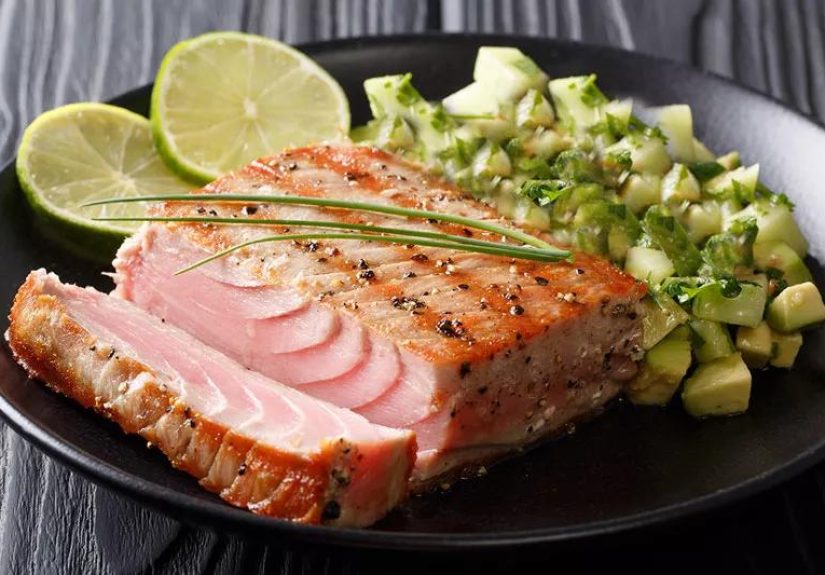
Grilled tuna and fresh avocado salsa is the kind of meal that looks like it belongs on a breezy restaurant patio, yet it comes together faster than most people can decide what to order for takeout. The tuna is smoky, meaty, and beautifully seared. The avocado salsa is cool, creamy, citrusy, and bright enough to make your fork do a tiny happy dance. Together, they create a dinner that feels fancy without requiring culinary acrobatics or a sink full of regret.
This grilled tuna recipe is perfect for warm-weather dinners, healthy weeknight meals, beach-inspired entertaining, or anytime you want seafood that tastes fresh instead of fussy. The secret is balance: high heat for the tuna, ripe avocado for creaminess, lime juice for sparkle, jalapeño for a little attitude, and herbs to keep everything lively. Think of it as a vacation plateminus the airport delays.
In this guide, you’ll learn how to choose tuna steaks, make a flavorful marinade, grill tuna without drying it out, prepare a fresh avocado salsa, and serve everything like you planned the whole meal three days in advance. Spoiler: you did not need to.
Why You’ll Love This Grilled Tuna and Avocado Salsa Recipe
Grilled tuna steaks are a dream for anyone who wants a protein-rich dinner with big flavor and minimal cooking time. Unlike delicate white fish that can fall apart if you look at it too sternly, tuna is firm, sturdy, and built for the grill. It develops a savory crust quickly, while the inside stays tender and juicy when cooked properly.
The fresh avocado salsa is what turns this recipe from “nice seafood dinner” into “please make this again tomorrow.” Avocado adds richness, tomatoes bring sweetness, red onion gives crunch, cilantro adds freshness, and lime juice ties everything together. It is part salsa, part salad, part topping, and fully capable of stealing attention from the main dish.
This recipe is also naturally flexible. Serve it with rice, grilled vegetables, warm tortillas, quinoa, salad greens, or roasted sweet potatoes. You can make it elegant for guests or casual enough for a Tuesday night when your biggest achievement is remembering to thaw dinner.
Ingredients for Grilled Tuna and Fresh Avocado Salsa
For the Grilled Tuna
- 4 tuna steaks, about 1 inch thick
- 2 tablespoons olive oil or avocado oil
- 1 tablespoon fresh lime juice
- 1 tablespoon low-sodium soy sauce
- 1 teaspoon honey or maple syrup
- 1 teaspoon grated fresh ginger
- 1 garlic clove, finely minced
- 1/2 teaspoon smoked paprika
- 1/2 teaspoon kosher salt
- 1/4 teaspoon freshly ground black pepper
For the Fresh Avocado Salsa
- 2 ripe avocados, diced
- 1 cup cherry tomatoes, quartered
- 1/3 cup finely diced red onion
- 1 small jalapeño, seeded and finely minced
- 1/3 cup chopped fresh cilantro
- 2 tablespoons fresh lime juice
- 1 tablespoon olive oil
- 1/2 teaspoon kosher salt, plus more to taste
- 1/4 teaspoon black pepper
- Optional: 1/2 cup diced mango, cucumber, or pineapple
How to Choose the Best Tuna Steaks
For the best grilled tuna, start with thick, firm steaks. Look for tuna that has a clean, fresh scentnot a strong fishy odor. The flesh should look moist, not dry, and the color should be vibrant. Depending on the type of tuna, it may range from deep red to pinkish-red.
Ask your fish counter when the tuna arrived and whether it is suitable for grilling. If you plan to cook it rare or medium-rare, buy from a trusted seafood market and understand that fully cooking fish to 145°F is the standard safety recommendation for home kitchens. For the safest result, use a food thermometer and cook until the fish reaches that internal temperature or until the flesh is opaque and separates easily with a fork.
Frozen tuna can also work well. Thaw it overnight in the refrigerator, then pat it completely dry before marinating. Moisture on the surface is the enemy of a good sear. Tuna should hit the grill dry enough to sizzle, not steam like it is entering a seafood spa.
How to Pick a Ripe Avocado for Salsa
The avocado salsa depends on ripe but not mushy avocados. A good avocado should yield slightly when gently pressed in your palm. Avoid squeezing it with your fingertips, which can bruise the fruit and create sad brown spots. For Hass avocados, darker skin often signals ripeness, but color alone is not perfect. Firmness matters most.
If your avocados are rock-hard, leave them at room temperature for a few days. If they ripen before you are ready to cook, place them in the refrigerator to slow things down. The ideal avocado for salsa holds its shape when diced but still tastes creamy. If it collapses into green pudding, congratulationsyou have guacamole. Delicious, yes, but not quite the texture we want here.
Step-by-Step Instructions
Step 1: Make the Marinade
In a shallow dish, whisk together olive oil, lime juice, soy sauce, honey, ginger, garlic, smoked paprika, salt, and pepper. The soy sauce brings savory depth, the lime juice adds brightness, the honey balances acidity, and ginger gives the tuna a subtle warm kick.
Add the tuna steaks and turn them gently to coat. Marinate for 15 to 25 minutes in the refrigerator. Do not marinate tuna for hours; the acid in the lime juice can begin changing the texture of the fish. Tuna is not asking for an overnight sleepover. It just needs a quick flavor handshake.
Step 2: Prepare the Avocado Salsa
While the tuna marinates, combine diced avocado, cherry tomatoes, red onion, jalapeño, cilantro, lime juice, olive oil, salt, and black pepper in a medium bowl. Fold gently with a spatula so the avocado stays chunky.
Taste and adjust. Need more brightness? Add lime. Want more heat? Add extra jalapeño. Craving sweetness? Fold in diced mango or pineapple. If making the salsa ahead, press plastic wrap directly against the surface and refrigerate for up to one hour. The lime juice helps slow browning, but avocado waits for no one.
Step 3: Preheat and Oil the Grill
Preheat a gas grill or grill pan over medium-high to high heat. Clean the grates well, then oil them lightly. This step matters because tuna is lean and can stick if the grill is not properly prepared. A hot, clean, lightly oiled surface gives the steaks those beautiful grill marks and helps them release easily.
If using a charcoal grill, arrange the coals for direct heat. You want the tuna to sear quickly, not lounge around until it becomes dry. High heat is your friend here. Think fast, confident, and slightly dramatic.
Step 4: Grill the Tuna
Remove the tuna from the marinade and pat off excess liquid. Place the steaks on the hot grill. Cook for about 2 to 3 minutes per side for a seared outside and tender center, depending on thickness and preference. For fully cooked tuna, continue grilling until the internal temperature reaches 145°F.
Use tongs or a fish spatula to turn the steaks only once if possible. Over-flipping can prevent a strong sear from forming. When done, transfer the tuna to a plate and let it rest for 3 to 5 minutes. Resting allows juices to settle, making each bite more tender.
Step 5: Plate and Serve
Spoon the fresh avocado salsa generously over the grilled tuna steaks. Add extra lime wedges on the side and sprinkle with more cilantro if desired. Serve immediately while the tuna is warm and the salsa is cool. That contrast is the magic trick.
Best Side Dishes for Grilled Tuna with Avocado Salsa
This recipe pairs beautifully with simple sides that do not compete with the tuna. Cilantro-lime rice is a classic choice because it absorbs the salsa juices and turns every bite into a mini celebration. Coconut rice also works well if you want a slightly tropical feel.
For a lighter meal, serve the tuna over mixed greens with extra salsa as the dressing. Add cucumber ribbons, radishes, or grilled corn for crunch. If you want something heartier, try roasted sweet potatoes, black beans, quinoa, or warm corn tortillas.
Grilled vegetables are another excellent option. Zucchini, bell peppers, asparagus, and red onions all love a little char. Brush them with olive oil, season with salt and pepper, and grill them before the tuna. That way, the vegetables are ready when the fish comes off the heat.
Flavor Variations
Tropical Grilled Tuna
Add diced mango or pineapple to the avocado salsa. The sweetness balances the smoky grilled tuna and makes the dish taste like sunshine learned how to cook.
Spicy Southwest Tuna
Add cumin and chili powder to the tuna marinade, then mix roasted corn and black beans into the salsa. Serve with tortillas for a tuna taco-style dinner.
Mediterranean-Inspired Tuna
Skip the soy sauce and ginger. Use lemon juice, oregano, garlic, and olive oil in the marinade. For the topping, combine avocado with cucumber, tomato, parsley, and a few crumbles of feta.
Asian-Inspired Tuna Bowl
Serve sliced grilled tuna over jasmine rice with avocado salsa, shredded carrots, cucumber, sesame seeds, and a drizzle of soy-lime dressing.
Tips for Perfect Grilled Tuna Every Time
First, buy thick tuna steaks. Thin steaks overcook quickly and leave little room for error. A steak around 1 inch thick gives you a better chance of creating a browned exterior while keeping the inside moist.
Second, dry the fish before grilling. Even if the tuna has been marinated, blot away excess liquid. Surface moisture prevents browning, and browning is where flavor lives.
Third, do not walk away from the grill. Tuna cooks quickly. This is not the time to reorganize your spice cabinet, answer five texts, or begin an emotional conversation with your herb garden. Stay close and watch carefully.
Fourth, let the tuna rest. Just a few minutes makes a difference. Finally, add the avocado salsa right before serving. The salsa tastes best when fresh, bright, and chunky.
Storage and Make-Ahead Advice
Grilled tuna tastes best right after cooking, but leftovers can be refrigerated in an airtight container for up to 2 days. Use leftover tuna cold in salads, rice bowls, wraps, or tacos. Reheating can dry it out, so if you do warm it, use gentle heat.
The avocado salsa is best made close to serving time. You can prep the onion, jalapeño, tomatoes, and cilantro a few hours ahead, then add the avocado and lime juice shortly before eating. This keeps the texture fresh and prevents browning.
If you have leftover salsa, press plastic wrap directly against the surface and refrigerate it. It may darken slightly, but it will still taste good within a day. Stir before serving and add a fresh squeeze of lime to wake it back up.
Nutrition Benefits of Tuna and Avocado
Tuna is rich in protein and naturally low in carbohydrates, making it a satisfying choice for balanced meals. It also provides nutrients such as selenium, vitamin B6, and omega-3 fatty acids, depending on the variety. Because tuna is firm and flavorful, it can stand in for steak or chicken when you want something lighter but still substantial.
Avocado contributes heart-healthy fats, fiber, potassium, and a creamy texture that makes the dish feel indulgent without needing a heavy sauce. Combined with tomatoes, lime, onion, and herbs, the salsa brings freshness and color to the plate. It is the kind of topping that makes healthy eating feel less like homework and more like good taste doing its job.
Common Mistakes to Avoid
Overcooking the Tuna
Tuna can go from juicy to dry very quickly. Use a thermometer if you want fully cooked fish, and remember that carryover heat can continue cooking the steak after it leaves the grill.
Using Overripe Avocados
Soft avocados mash too easily and make the salsa heavy. Choose avocados that give slightly but still feel structured.
Skipping the Grill Prep
A dirty or dry grill grate can make tuna stick. Preheat, clean, and oil the grates before cooking.
Adding Salsa Too Early
Fresh avocado salsa should be added at the end. If it sits on hot tuna too long, the avocado softens and loses its cool contrast.
Personal Cooking Experiences: What Makes This Recipe Shine
The first time I made grilled tuna with fresh avocado salsa, I treated the tuna like a regular fish fillet and fussed with it far too much. I peeked, flipped, nudged, questioned my choices, and generally behaved like a nervous grill parent on the first day of seafood school. The result was edible, but the sear was shy. Tuna rewards confidence. Once I learned to preheat the grill properly, oil the grates, and let the steaks sit undisturbed, the difference was dramatic. The outside developed a savory crust, while the inside stayed tender and moist.
The avocado salsa also taught me a lesson: texture matters. At first, I diced everything too small and stirred too aggressively. The salsa turned into a greenish tomato dip, which tasted fine but looked like it had survived a small kitchen tornado. Now I cut the avocado into generous cubes, quarter the cherry tomatoes, and fold everything gently. The salsa should look colorful and chunky, almost like a tiny edible confetti parade.
Another experience worth sharing is how much lime juice can change the whole dish. Tuna has a rich, meaty flavor, and avocado is naturally creamy. Without enough acidity, the plate can feel a little heavy. Fresh lime juice brightens everything and makes each bite feel clean. Bottled lime juice works in emergencies, but fresh lime has a sharper, sunnier flavor. It is a small detail that makes the recipe taste restaurant-level.
I have also served this grilled tuna recipe in several different ways, and it never feels repetitive. For a casual dinner, I slice the tuna and tuck it into warm tortillas with extra avocado salsa and shredded cabbage. For a healthier lunch, I place it over greens with cucumber and a drizzle of olive oil. For guests, I serve each tuna steak whole with salsa spooned over the top, lime wedges on the side, and rice underneath to catch the juices. It looks polished, but the actual effort is refreshingly low.
One of the best parts of this recipe is how forgiving the salsa can be. If tomatoes are not at their peak, mango adds sweetness. If cilantro is not your favorite, parsley works. If you want crunch, cucumber is wonderful. If you like heat, keep some jalapeño seeds or add a pinch of crushed red pepper. The tuna provides the sturdy foundation, while the salsa lets you play.
My biggest practical tip is to prepare everything before the tuna goes on the grill. The salsa should be finished, the plates should be ready, and the side dishes should be waiting. Tuna cooks fast, and once it is done, dinner moves quickly. This is not a recipe where you want to be chopping onions while your beautiful grilled fish sits on the counter wondering what happened to its big moment.
In the end, grilled tuna and fresh avocado salsa is one of those recipes that feels special but does not demand perfection. It is colorful, healthy, bold, and satisfying. It can impress dinner guests, rescue a boring weeknight, or make a backyard meal feel like a seaside escape. And honestly, any dish that makes avocado, lime, and grilled seafood work together this well deserves a permanent spot in the dinner rotation.
Conclusion
Grilled tuna and fresh avocado salsa is a bright, satisfying recipe that combines smoky seafood with creamy, citrusy freshness. The tuna cooks quickly over high heat, while the salsa adds color, texture, and flavor without needing a heavy sauce. With ripe avocados, fresh lime juice, clean grill grates, and good-quality tuna steaks, this meal becomes simple enough for a weeknight and impressive enough for company.
Whether you serve it with rice, greens, tortillas, or grilled vegetables, this dish brings restaurant-style flavor to your own kitchen. It is fresh, fast, flexible, and just a little bit fancythe best kind of dinner personality.