Table of Contents >> Show >> Hide
- Before You Start: Know What You’re Cleaning (And What You’re Allowed to Use)
- What You’ll Need
- The 11 Steps to Clean a Polyester Couch
- Step 1: Read the care code and set your “cleaning boundaries”
- Step 2: Remove pillows, throws, and anything “decorative” (aka stain camouflage)
- Step 3: Vacuum like you mean it
- Step 4: Dry-deodorize with baking soda (optional, but weirdly satisfying)
- Step 5: Do a spot test in a hidden area
- Step 6: Mix the gentlest cleaner that will still do the job (W / W/S)
- Step 7: Blot spills and stains (never rub like you’re sanding a deck)
- Step 8: Spot-clean using “less moisture, more patience”
- Step 9: Rinse the right waywithout creating water rings
- Step 10: Dry fast and evenly (this is where “no water rings” happens)
- Step 11: Restore texture and protect the win
- Stain Playbook: What to Do for Common Couch Crimes
- Quick FAQ
- Real-World Cleaning Experiences (500+ Words of “What Actually Happens”)
- Conclusion
Polyester couches are like that friend who “never gets sick”… until they do, and it’s always at the worst time (usually right after taco night).
The good news: polyester is durable, resists many stains, and usually cleans up well. The not-so-fun news: it can hold onto body oils, show
water marks if you over-wet it, and get crunchy if soap residue is left behind.
This guide walks you through a safe, realistic, actually-doable 11-step process to clean a polyester couchwhether you’re tackling
everyday grime, mystery spots, or that “why does this smell like a gym bag?” situation.
Before You Start: Know What You’re Cleaning (And What You’re Allowed to Use)
Most polyester upholstery is cleaned with either water-based solutions, solvent-based solutions, or vacuum-only methodsdepending on the
manufacturer’s care code. If you skip this step, you’re basically freestyle-cleaning your furniture… and couches do not reward bravery.
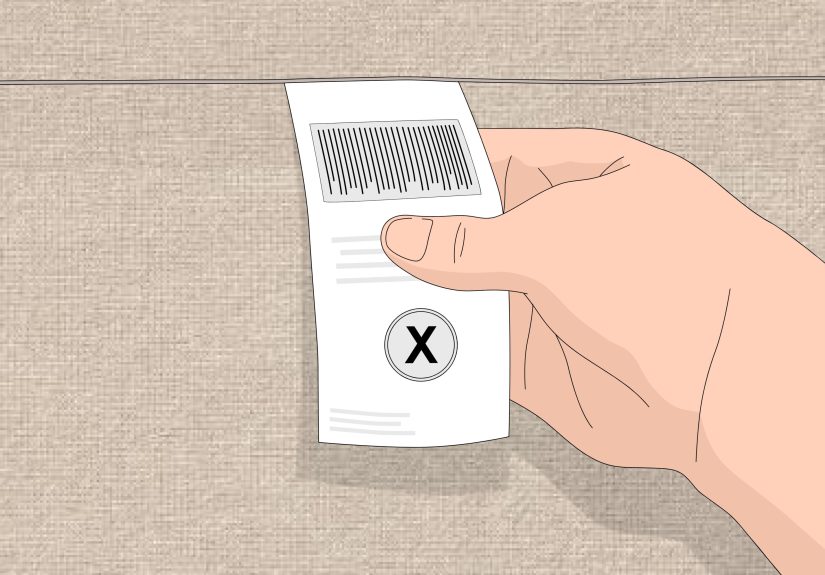
Find the care tag
Look under the seat cushions, along the platform, or under the sofa near the frame. You’re hunting for a tag with a cleaning code. Common codes:
W, S, W/S (or WS), or X.
- W: Water-based cleaners are typically okay.
- S: Solvent-only (no water).
- W/S (WS): Water or solvent (with care and testing).
- X: Vacuum/brush onlyno liquids. (Yes, really.)
If you can’t find a tag, treat the couch as “unknown,” use the gentlest approach possible, and consider calling a pro for a full deep clean.
What You’ll Need
- Vacuum with upholstery and crevice tools
- Soft brush (upholstery brush or clean, soft nylon brush)
- White microfiber cloths (white mattersdye transfer is a real thing)
- Spray bottle (fine mist is best)
- Distilled water (helps reduce spotting and residue)
- Mild dish soap (clear, gentle)
- Baking soda (odor control)
- If code allows: enzyme upholstery cleaner for biological stains (pets, food proteins)
- If code allows: isopropyl alcohol or a labeled solvent-based upholstery cleaner (for S-coded fabrics)
- Fans for faster drying
The 11 Steps to Clean a Polyester Couch
-
Step 1: Read the care code and set your “cleaning boundaries”
Decide your method based on the tag. For many polyester couches, W or W/S is commonwhich means you can use
a light, water-based cleaner. If you have S, you’ll need a solvent-based approach. If you have X, stop right
there: vacuum and brush only, and consider professional cleaning if stains are severe. -
Step 2: Remove pillows, throws, and anything “decorative” (aka stain camouflage)
Take off throw pillows, blankets, and removable cushion covers if your couch has them. If covers are machine-washable, follow the label
instructions and wash separately. Pro tip: zippers and Velcro can be fabric bulliesclose them before washing. -
Step 3: Vacuum like you mean it
Use the upholstery tool across every surface, then switch to the crevice tool for seams, cushion edges, and the cracks where snacks go to retire.
Vacuum both sides of removable cushions and the base underneath them. This step prevents dirt from turning into muddy streaks once moisture hits. -
Step 4: Dry-deodorize with baking soda (optional, but weirdly satisfying)
If the couch smells stale, sprinkle a light, even layer of baking soda over the fabric. Let it sit 20–30 minutes for mild odors, or longer for
stubborn funk. Then vacuum slowly with overlapping passes. This is one of the safest “refresh” moves for many fabric couches. -
Step 5: Do a spot test in a hidden area
Choose the back lower corner, under a cushion, or another out-of-sight spot. Apply your chosen cleaner lightly, blot, and let it dry fully.
Look for discoloration, rings, stiff texture, or fuzzing. If anything looks off, switch methods or stop. -
Step 6: Mix the gentlest cleaner that will still do the job (W / W/S)
For water-safe upholstery, make a mild solution: a small amount of dish soap in warm distilled water. You’re not making a bubble bath for your
couchkeep it light. Many upholstery methods work best using suds (foam) rather than soaking the fabric.For S-coded fabrics, skip water and use a solvent-based upholstery cleaner according to the label. Some microfiber/polyester
blends respond well to isopropyl alcohol, but you should still treat it like a solvent: ventilate, avoid flames, and test first. -
Step 7: Blot spills and stains (never rub like you’re sanding a deck)
For fresh spills: blot immediately with a clean white cloth. Press, lift, rotate to a clean section, repeat. Rubbing pushes the mess deeper and
can rough up fibersespecially on textured polyester weaves. -
Step 8: Spot-clean using “less moisture, more patience”
Lightly dampen (don’t drench) a white microfiber cloth with your cleaner or use a fine mist spray on the cloth (not directly on the couch if you
tend to overdo it). Work in small sections. Gently dab, then blot dry with a second clean cloth.If you’re using a soft brush, use gentle strokes. Over-aggressive brushing can damage the surface fibers and make the fabric look worn.
-
Step 9: Rinse the right waywithout creating water rings
Soap residue is a top reason couches end up feeling stiff or attracting dirt faster later. For W/W/S fabrics, lightly dampen a fresh cloth with
distilled water and blot the cleaned area to remove residue. Then blot again with a dry cloth. Keep the moisture level low and even. -
Step 10: Dry fast and evenly (this is where “no water rings” happens)
Polyester can show marks if it dries unevenly. Set up fans, open windows if humidity is reasonable, and avoid sitting on the damp area until it’s
fully dry. If cushions are removable, stand them on their sides so air circulates. The faster it dries, the better it looks. -
Step 11: Restore texture and protect the win
Once dry, gently brush the fabric (especially microfiber/polyester blends) to restore the nap and reduce that “cleaned-in-a-hurry” look.
Rotate cushions and consider adding washable throws on high-contact areas (armrests, head-rest zones, pet lounging spots). Your future self will
thank you.
Stain Playbook: What to Do for Common Couch Crimes
Grease and oily spots
Oils cling to synthetic fibers. Start dry: blot, then sprinkle baking soda or cornstarch to absorb oil. Let it sit, vacuum, then use a mild
water-based cleaner if your code allows. Avoid over-wettingoil + water + fabric can become a smudge festival.
Food and drink (coffee, soda, sauce)
Blot first. Use suds from a mild soap solution for W/WS fabrics. Work from the outside of the stain inward. Rinse by blotting with distilled water,
then dry. If color remains, repeatmultiple gentle rounds beat one aggressive scrub.
Pet accidents
For W/WS fabrics, an enzyme upholstery cleaner can help break down odor-causing residue. Follow the label and do not soak the cushion. For S or X
fabrics, pet stains are a strong argument for professional cleaningbecause you want the problem removed, not just perfumed.
Ink
For solvent-safe situations (S or sometimes WS after testing), blot with a small amount of isopropyl alcohol on a white cloth. Do not pour directly
onto the couch. Dab gently and move to clean sections of cloth as ink transfers. If the fabric lightens or changes texture, stop immediately.
“Why is this area darker?” (body oils)
Armrests and head-rest areas often build up oils that attract dirt. Use the gentlest cleaner your code allows, clean in small sections, rinse by
blotting, and dry quickly. Regular light cleaning here prevents the fabric from looking permanently shadowed.
Quick FAQ
Can you steam clean a polyester couch?
Sometimesbut only if your care code and manufacturer guidance allow it. Steam adds heat and moisture, which can cause rings, shrinkage, or texture
changes on some upholstery. If you try it, keep the steamer moving, use low moisture, and test first.
Should you use tap water?
Distilled water is safer for avoiding mineral residue and spotting, especially if your local water is “hard.” It also helps reduce leftover residue
that can make fabric feel crunchy.
How often should you clean a polyester couch?
Vacuum weekly (more with pets). Spot-clean as needed. A gentle refresh/deodorize monthly can help. Deep cleaning every 6–12 months is a common rhythm,
depending on how much real life your couch sees.
Real-World Cleaning Experiences (500+ Words of “What Actually Happens”)
In real homes, polyester couches rarely get cleaned because people are excited about upholstery maintenance. They get cleaned when someone drops salsa,
a dog claims the corner cushion as a throne, or guests are coming over and suddenly the couch becomes a “public-facing asset.” If that’s you, welcome
to the clubmembership is free and includes mild panic.
One common pattern people report is this: they start with the right intentions, grab a random cleaner from under the sink, and then accidentally
create a new problemusually a watermark ring or a crunchy patch. The ring happens because the area got too wet in one spot, then dried unevenly.
The crunch happens because soap wasn’t fully removed, and the residue stiffened the fibers or kept attracting dirt. The fix is usually boring (which
is good): use less moisture, clean in smaller sections, rinse by blotting, and dry faster with a fan.
Another real-life lesson: the couch’s “high-contact zones” are the real villains. Armrests, the favorite seat, and the spot where someone rests their
head are where body oils quietly collect. Polyester doesn’t always absorb liquid the way cotton does, but oils can cling and build up over time, making
those areas look darker and feel different. When people finally clean the entire couch, these spots stand out. The best strategy is to treat those
zones gently but regularlythink “quick maintenance clean” instead of a once-a-year upholstery marathon.
Pet households have their own couch-cleaning ecosystem. Hair gets woven into the fabric, crumbs migrate into seams, and odors hang out in cushions.
People often find that a thorough vacuuming (including seams and cushion undersides) makes the biggest visual difference before any cleaner touches
the fabric. If you skip vacuuming and go straight to wet cleaning, you can end up pushing fine dust into the weavebasically turning dirt into a paste.
It’s the upholstery version of washing your car without rinsing first.
People also tend to underestimate how much drying affects results. Even a perfectly chosen cleaner can leave the couch looking blotchy if drying is
slow or uneven. In everyday experience, running a fan is the “secret step” that makes the couch look normal again faster. It also reduces the risk of
musty odorsespecially in humid weather. If you’ve ever thought, “It’s clean but it smells… damp,” that’s usually a drying issue, not a cleaning issue.
Finally, many homeowners say the best “long-term win” isn’t a miracle cleanerit’s protection habits. Washable throws on favorite seats, rotating
cushions so the same spot doesn’t take daily punishment, and quick blotting the moment something spills can make deep cleaning far less dramatic.
In other words: the cleanest couches aren’t owned by people who clean harder. They’re owned by people who clean sooner.
Conclusion
Cleaning a polyester couch doesn’t have to feel like a high-stakes science experiment. Follow the care code, vacuum thoroughly, use the gentlest
cleaner that fits the label, and keep moisture controlled. Blot, don’t scrub. Rinse away residue. Dry quickly. And if your couch is labeled “X,”
respect the couch’s boundariesit has clearly stated its terms.