Table of Contents >> Show >> Hide
- What Are Popcorn Balls, Exactly?
- Classic Popcorn Balls Recipe (Old-Fashioned Candy-Syrup Method)
- Ingredients (Makes about 10–12 medium popcorn balls)
- Equipment
- Step-by-Step Instructions
- How to Tell the Syrup Is Ready (If You Don’t Have a Thermometer)
- Why This Works (A Tiny Bit of Candy Science)
- Classic Troubleshooting (Sticky Situations, Solved)
- High-Altitude Note (If Candy Thermometers Lie Where You Live)
- Easy Marshmallow Popcorn Balls (No Candy Thermometer Needed)
- Flavor Variations (Because Plain Is Optional)
- Make-Ahead, Storage, and Gifting Tips
- Safety Notes (Sticky Candy Is Not a Joke)
- of Real-World Popcorn Ball Experiences (So Yours Go Better)
- Conclusion
Popcorn balls are proof that the best desserts don’t always come from fancy pastry cases. Sometimes they come from a mixing bowl,
a candy thermometer (optional but helpful), and the brave decision to pick up warm, sticky popcorn with buttered hands.
If you’ve ever wanted a nostalgic treat that’s part candy, part snack, and part “why is there popcorn on the ceiling?”welcome.
This guide gives you a reliable classic popcorn balls recipe (old-fashioned candy-syrup style), an
easy marshmallow popcorn balls option for low-stress kitchens, plus variations, troubleshooting,
storage tips, and a big “learn-from-other-people’s-mistakes” section at the end.
What Are Popcorn Balls, Exactly?
A popcorn ball is popped corn bound together with a sweet “glue” (usually a cooked sugar syrup or melted marshmallows),
then shaped into handheld spheres. They’re especially popular as Halloween treats and holiday gifts,
but honestly? They also belong on movie night, bake sales, and any Tuesday that needs a little sparkle.
Classic Popcorn Balls Recipe (Old-Fashioned Candy-Syrup Method)
This is the traditional approach: cook a sugar syrup to the right stage so it sets up, but doesn’t turn your teeth into
a renovation project. The key is temperature (or the cold-water test), warm popcorn, and moving quickly once the syrup is ready.
Ingredients (Makes about 10–12 medium popcorn balls)
- 12 cups plain popped popcorn (about 1/2 cup kernels), unpopped kernels removed
- 1 cup granulated sugar
- 1/2 cup light corn syrup
- 1/4 cup water
- 1/4 cup unsalted butter
- 1/2 tsp fine salt (use less if your popcorn is salted)
- 1 tsp vanilla extract
- 1/2 tsp baking soda (optional, but gives a lighter bite)
- 1 tsp white vinegar (optional, helps discourage sugar crystallization)
- Butter or neutral oil for greasing hands (or food-safe gloves)
Equipment
- Large heatproof mixing bowl (the “bigger than you think” size)
- Heavy saucepan (2–3 quart)
- Candy thermometer (nice) or a glass of cold water (works)
- Wooden spoon or heatproof spatula
- Baking sheet lined with parchment (for resting the balls)
Step-by-Step Instructions
-
Pop and prep your popcorn. Put the popped popcorn in a very large bowl. Pick out unpopped kernels
(future dental bills are not a cute seasonal tradition). -
Warm the popcorn. Warm popcorn coats more evenly and stays crisp longer. You can spread it on a baking sheet
in a 250–300°F oven for 5 minutes or microwave it in a big bowl in short bursts. (It should feel warm, not toasted.) -
Cook the syrup. In a heavy saucepan, combine sugar, corn syrup, water, butter, salt, and (if using) vinegar.
Bring to a boil over medium heat, stirring until the sugar dissolves. -
Hit the right stage. Clip on a candy thermometer and cookstirring only occasionallyuntil the syrup reaches
250°F (hard-ball stage). This is the sweet spot for popcorn balls that hold together without becoming jawbreakers. -
Add vanilla and baking soda (carefully). Remove the pan from heat. Stir in vanilla. If using baking soda, sprinkle it in and stir.
The syrup will foam upthis is normal and gives a lighter texture. (Also: dramatic kitchen science!) -
Pour and toss. Immediately drizzle the hot syrup over the warm popcorn. Use a big spoon or spatula to toss and fold,
coating as evenly as possible. - Cool just enough to handle. Let it sit for 1–3 minutes. You want “warm and moldable,” not “molten sugar lava.”
-
Shape the balls. Grease your hands well (or wear gloves lightly greased). Grab a handful and press gently into a ball.
Don’t crush it like you’re mad at the popcornfirm pressure is enough. - Set and serve. Place on parchment to cool completely. Once set, wrap individually for gifting or storage.
How to Tell the Syrup Is Ready (If You Don’t Have a Thermometer)
Use the classic cold-water test: drip a small amount of syrup into a glass of very cold water. For popcorn balls,
you’re aiming for a ball that holds its shape and feels firm but still slightly pliable when you fish it outcommonly called
hard-ball stage.
Why This Works (A Tiny Bit of Candy Science)
Popcorn balls succeed when your syrup has the right sugar concentration. Cook it too low and the balls slump like a sad snowman in April.
Cook it too high and you’ll get overly hard, brittle clusters. Corn syrup helps prevent graininess by reducing sugar crystallization,
while a small amount of acid (vinegar) can help keep the syrup smooth. Baking soda creates tiny bubbles that lighten
the texture and make the coating feel less like a solid sheet of candy.
Classic Troubleshooting (Sticky Situations, Solved)
-
My popcorn balls fall apart: Syrup likely didn’t reach the right stage, or you used too much popcorn. Next time, cook to 250°F
(or a firm hard-ball in cold water) and measure popcorn after popping. -
They’re too hard: Syrup cooked too hot or too long. Pull it off right at the target temp and work quickly. Also, humidity and
altitude can affect candy-making (see high-altitude note below). -
They’re grainy: Sugar crystals formed. Make sure sugar dissolves before boiling, avoid aggressive stirring once boiling, and consider
the vinegar option. -
Everything sticks to my hands like glue: Grease more than you think you need. Re-grease between balls. Lightly oiled gloves are
a sanity-saving hack.
High-Altitude Note (If Candy Thermometers Lie Where You Live)
At higher elevations, water boils at a lower temperature and syrups can overcook faster. A common guideline is to
reduce the target candy temperature by about 2°F for every 1,000 feet above sea level, or use the cold-water test as your truth serum.
Easy Marshmallow Popcorn Balls (No Candy Thermometer Needed)
If the classic method feels like taking the SAT with oven mitts, this version is your friend. It’s closer to a Rice Krispies-style treat:
melt butter and marshmallows, coat popcorn, shape, done. The texture is softer and chewiergreat for kids and quick party prep.
Ingredients
- 12–14 cups popped popcorn
- 4 tbsp butter
- 10 oz mini marshmallows (about 6 cups)
- 1/2 tsp salt (optional, but highly recommended)
- 1 tsp vanilla (optional)
- Optional mix-ins: candy corn, sprinkles, mini chocolate candies, chopped pretzels
Quick Steps
- Warm the popcorn slightly so it coats evenly.
- Melt butter in a large pot over medium-low heat. Add marshmallows and stir until smooth.
- Stir in salt and vanilla, then remove from heat.
- Fold in popcorn until coated. Add mix-ins if you want them embedded (not just falling off later).
- Grease hands, shape into balls, and let cool on parchment.
Flavor Variations (Because Plain Is Optional)
1) Old-Time Molasses Popcorn Balls
Swap part of the corn syrup for molasses (for example, 1/4 cup corn syrup + 1/4 cup molasses).
You’ll get a deeper, almost gingerbread-like flavor that feels made for fall.
2) Peanut Popcorn Balls
Stir in 1 cup roasted salted peanuts right after coating the popcorn. The salty crunch balances the sweet syrup,
and suddenly your popcorn balls taste like a snack mix decided to become a dessert.
3) Candy Bar Popcorn Balls
Press chopped candy bars (or toffee bits) into the outside while shaping. For extra drama, drizzle with melted chocolate after cooling.
These are especially popular for parties because they look fancy with almost no extra effort.
4) “Movie Night” Salted Popcorn Balls
Finish classic popcorn balls with a pinch of flaky salt on top. Sweet + salty is a classic for a reason: it makes your brain go,
“One more bite,” about 17 times.
5) Halloween Candy Corn Popcorn Balls
Use the marshmallow method and fold in candy corn plus festive sprinkles. Wrap in cellophane and you’ve got a crowd-pleasing
Halloween treat that doesn’t require tempering chocolate or summoning baking confidence from the depths of your soul.
Make-Ahead, Storage, and Gifting Tips
-
Best texture window: Popcorn balls are at their peak within 2–3 days (crisp popcorn + fresh binder).
Marshmallow versions tend to be best sooner. - Room-temperature storage: Wrap each ball individually (plastic wrap or treat bags) and keep in an airtight container.
- Freezing: Freeze individually wrapped popcorn balls in a freezer-safe container. Thaw at room temperature before serving.
-
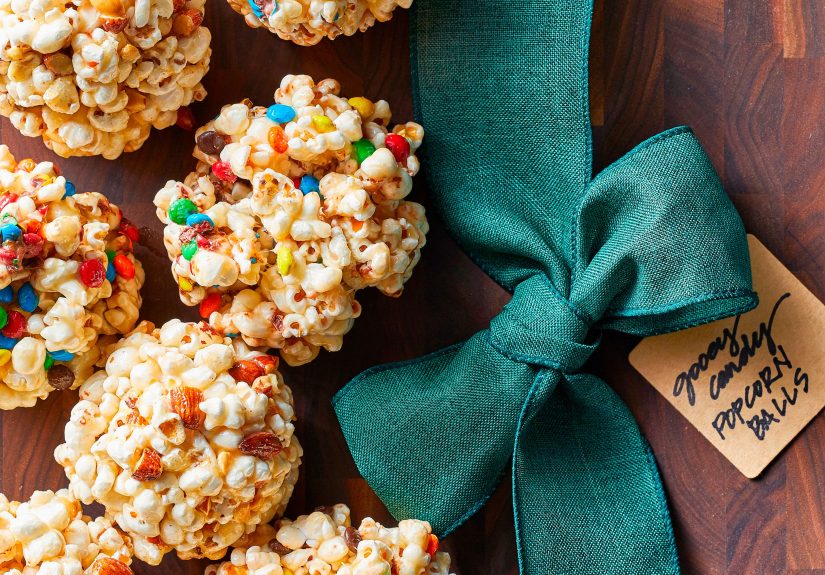
Gifting: Cellophane bags + twist ties look classic. Add a little tag that says “Popcorn Balls” so nobody mistakes them
for decorative pinecones. (It happens.)
Safety Notes (Sticky Candy Is Not a Joke)
Hot sugar syrup can cause serious burns. If kids are helping, give them the fun jobs (measuring, sprinkling, decorating) and keep
adults in charge of the boiling syrup and pouring. Also, popcorn balls can be a choking hazard for very young children,
especially if you add nuts or hard candy piecesuse your best judgment and slice portions smaller if needed.
of Real-World Popcorn Ball Experiences (So Yours Go Better)
Making popcorn balls is one of those kitchen projects that feels simple right up until the moment you realize you are physically
wrestling a bowl of sticky popcorn. That’s normal. In fact, the “experience” of popcorn balls is half the charm: it’s a little messy,
a little chaotic, and somehow always worth it.
One very common first-timer experience is underestimating bowl size. You start with what looks like a reasonable mixing bowl,
pour the syrup, stir twice, and suddenly popcorn is launching itself like it’s auditioning for a circus. The fix is hilariously practical:
use the largest bowl you ownor split the popcorn into two bowls and divide the syrup. Your sanity will thank you.
Another classic moment happens when you go to shape the first ball and realize your hands are now part of the recipe.
The best “experienced cook” trick is not braveryit’s grease. Butter your hands generously, reapply between balls,
and consider lightly oiled disposable gloves if you want a cleaner process. People who say they “don’t need to grease their hands”
are either lying or have some sort of wizard-level nonstick superpower.
Then there’s the timing lesson. With the syrup method, the mixture goes from “too hot to touch” to “why is this turning into cement”
faster than you’d expect. A lot of home cooks learn to shape smaller balls first, especially if kids are waiting for their turn.
Smaller portions are easier to handle, cool faster, and still deliver that classic popcorn ball lookplus they’re more comfortable
for little hands and party snack tables.
Flavor experiments are where popcorn ball experiences get fun. Some batches become holiday gifts: neatly wrapped, ribboned,
and suspiciously professional-looking. Other batches become “kitchen creativity time,” where you toss in pretzels, candy bits,
or peanuts and discover new favorites. The best advice here is to keep mix-ins bite-sized and avoid anything that melts into goo
(unless goo is the vibe you want).
Finally, popcorn balls teach a simple truth: humidity and storage matter. Leave them unwrapped on the counter and they’ll dry out,
or they’ll attract moisture and go chewy depending on your environment. Wrap them individually, store airtight, and if you’re making
them ahead for a party, freeze them early and thaw the day of. That one change turns popcorn balls from “cute but unpredictable”
into “reliably excellent.”
Conclusion
Whether you go classic with a candy-syrup binder or choose the easy marshmallow route, the best popcorn balls are the ones that fit
your kitchen mood: nostalgic, sweet, and just messy enough to feel like a real tradition. Measure your popcorn, aim for the right
syrup stage, grease those hands like you mean it, and you’ll end up with popcorn balls that look charming, hold together, and taste
like the fun part of the holidaysno matter what day it is.