Table of Contents >> Show >> Hide
- What Is an Organic Linen Sheet Set?
- Why People Love Organic Linen Sheet Sets
- The Honest Downsides of Linen
- How to Choose the Best Organic Linen Sheet Set
- Organic Linen vs. Other Popular Sheet Materials
- How to Care for an Organic Linen Sheet Set
- Who Should Buy Organic Linen Sheets?
- What the Experience of Sleeping on Organic Linen Sheets Is Really Like
- Final Thoughts
If your current sheets feel like they were designed by a committee of sweaty raccoons, it may be time for an upgrade. An organic linen sheet set has become the bedding-world equivalent of a really good white T-shirt: relaxed, useful, stylish without trying too hard, and oddly capable of making your entire bedroom look more expensive. But unlike plenty of trendy home products, organic linen sheets are not just riding on vibes. People buy them for real reasons: breathability, durability, texture, and the fact that they somehow look casual and polished at the same time.
That said, shopping for linen can get weirdly confusing fast. One brand says “organic flax.” Another says “European linen.” A third throws around “stonewashed,” “garment washed,” and “eco-luxury” like confetti at a wedding. Meanwhile, you are just trying to figure out whether these sheets will help you sleep cooler, last longer, and avoid turning your bed into an overpriced wrinkled sandwich.
This guide breaks it all down. We will cover what an organic linen sheet set actually is, what certifications matter, how linen compares with other bedding materials, what makes a good set worth buying, and what it is really like to live with linen night after night. Spoiler: yes, it wrinkles. Also yes, a lot of people end up loving it anyway.
What Is an Organic Linen Sheet Set?
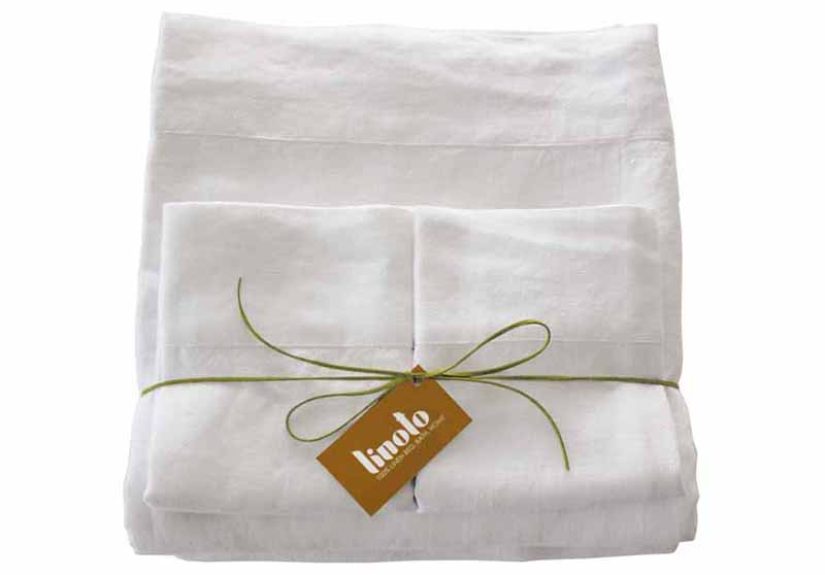
An organic linen sheet set is bedding made from flax fibers that have been grown and processed according to stricter environmental and textile standards than conventional options. In plain English, linen comes from flax, not cotton, and “organic” should mean more than a label slapped on a pretty package. A true organic linen set usually includes a fitted sheet, a flat sheet, and one or two pillowcases, though some brands sell fitted-only options for people who have officially broken up with top sheets.
Organic Linen vs. Regular Linen
Regular linen may still be excellent quality, but it is not automatically organic. That distinction matters if you care about how the flax was grown and how the fabric was processed. When you see an organic claim, look for evidence rather than marketing poetry. The most useful sign is a recognized certification. For textile shoppers, GOTS is one of the clearest signals because it covers organic fiber content and broader processing standards. If a brand only says “natural” or “eco-friendly” without backing it up, treat that claim the way you would treat a “healthy” dessert the size of a hubcap: with respectful suspicion.
Which Certifications Matter Most?
Two labels come up again and again in better bedding. The first is GOTS, short for Global Organic Textile Standard. For a product to carry the “organic” label grade, it must contain at least 95% certified organic fibers. The second is OEKO-TEX STANDARD 100, which means the finished textile has been tested for harmful substances. These labels are not identical. GOTS focuses on the organic textile supply chain and processing standards, while OEKO-TEX focuses on product safety testing. The strongest organic linen sheet sets often mention one or both.
That does not mean every good linen sheet must have every certification under the sun. But if you are paying premium-sheet money, you deserve more than a poetic paragraph about “sleeping close to nature.” Look for transparent material details, named standards, and plain language about where the flax is sourced and how the bedding is made.
Why People Love Organic Linen Sheet Sets
1. They Sleep Cool Without Feeling Slick
Linen is famous for breathability, and that reputation is earned. If you run hot at night, live in a humid climate, or wake up feeling like your mattress is auditioning as a sauna, linen can be a major improvement. The texture and weave encourage airflow, and many sleepers like that linen feels airy rather than slippery. Some cooling fabrics feel almost too polished, like sleeping inside a very expensive grocery bag. Linen feels more grounded, more natural, and less synthetic.
2. They Handle Moisture Better Than Many Fabrics
Another reason hot sleepers gravitate toward linen is moisture management. Linen is often described as moisture-wicking and fast-drying, which helps it feel less clammy on warm nights. That matters whether you are dealing with summer heat, night sweats, or a partner who somehow turns the bed into a weather event by 2 a.m.
3. They Get Softer Over Time
This is one of linen’s biggest selling points. A good organic linen sheet set may not feel buttery in the same way a sateen cotton sheet does on day one. Instead, it usually starts with a lightly crisp, textured feel and softens with washing and use. Many brands now prewash or garment-wash linen to make it more welcoming right out of the box, but even then, linen tends to improve with time. It is one of the rare home purchases that can genuinely age well, like leather, cast iron, or your favorite sweatshirt from sophomore year.
4. They Are Durable
Linen is widely praised for durability, and that is one reason it often costs more. When cared for properly, linen sheets can hold up beautifully over the long term. If you are someone who would rather buy one better set than cycle through several cheap sets that pill, thin out, or lose shape, linen makes practical sense. It is not a budget-first purchase, but it can be a value-over-time purchase.
5. They Look Effortlessly Good
Some bedding tries very hard to look luxurious. Linen does not. It has a relaxed drape, a matte finish, and a slightly rumpled appearance that makes a bed look inviting instead of staged. If your design taste leans toward cozy minimalism, modern organic, coastal, farmhouse, or “I want my bedroom to look calm enough to lower my blood pressure,” linen fits right in.
The Honest Downsides of Linen
Now for the part where we stop flirting and start being real.
First, linen wrinkles. A lot. If you want a perfectly crisp, hotel-style bed with sharp corners and a smooth surface, linen may test your patience. You can reduce wrinkles by removing it from the dryer promptly or line drying, but linen will still look like linen. That is not a flaw. It is the whole aesthetic. But it is definitely not for everyone.
Second, linen can feel textured at first. Some people love that immediately. Others need a few washes before they become emotionally available for it. If your dream sheet is ultra-silky and smooth from the first night, organic cotton sateen or lyocell may be more your speed.
Third, price. Organic linen sheet sets are usually not cheap. Higher-quality flax, better weaving, certification costs, and premium finishing all push the price upward. You are often paying for material quality and longevity, but it is still a bigger upfront investment than standard cotton sheets from a big-box store.
Finally, linen may shed some lint early on, especially during the first few washes. This is usually temporary, but it can surprise first-time buyers who expected instant perfection. Linen is more “give me a little time and I will be amazing” than “ta-da, I was born ready.”
How to Choose the Best Organic Linen Sheet Set
Check the Fiber Content
Look for 100% linen or 100% flax linen if that is what you want. Some products mix linen with cotton or other fibers. That is not always bad, but it changes the feel and performance. If you are shopping for the classic breathable, textured linen experience, a pure linen set is usually the target.
Look for Transparent Certifications
If “organic” matters to you, do not stop at the word itself. Look for named certification details, especially GOTS for organic textile standards and OEKO-TEX if you also want reassurance about harmful-substance testing. Specificity is your friend.
Pay Attention to Finish
Prewashed, garment-washed, and stonewashed linen usually feels softer out of the package than unfinished linen. That does not automatically mean one is better than another, but it does affect first impressions. If you are linen-curious but texture-sensitive, a prewashed set can make the transition easier.
Ignore Thread Count, Check Weight Instead
With cotton, shoppers often obsess over thread count. With linen, that is not the most helpful metric. Weight, often listed in GSM, gives you a better sense of how substantial the fabric may feel. A lighter linen may feel breezier, while a midweight option often strikes a nice balance between softness, durability, and year-round comfort.
Measure Mattress Depth
This sounds boring until your fitted sheet starts riding up the corners like it is trying to escape. Check the pocket depth, especially if you have a thicker mattress or use a topper. Good bedding should improve your sleep, not launch a nightly fitted-sheet wrestling match.
See What Is Actually Included
Not every “set” is the same. Some include a flat sheet, fitted sheet, and two pillowcases. Others skip the flat sheet or include only one pillowcase in smaller sizes. Read the contents carefully so you do not discover the missing piece after you have already mentally redecorated your bedroom.
Organic Linen vs. Other Popular Sheet Materials
Organic Linen vs. Cotton
Cotton is usually smoother and more familiar at first touch. It can also be less expensive. Linen, however, tends to be more textured, more breathable, and more durable over time. If you want polished softness on night one, cotton may win. If you want airflow, character, and longevity, linen has a strong case.
Organic Linen vs. Bamboo-Derived Fabrics
Bamboo-derived sheets often feel silkier and drape more fluidly than linen. They can be great for people who love a very smooth hand feel. Linen, on the other hand, feels more structured and casually luxurious. It also looks more natural and less glossy. Choosing between them often comes down to whether you want airy texture or silky softness.
Organic Linen vs. Percale
Percale cotton is crisp, cool, and clean-feeling. Linen is cooler-looking, softer in a rumpled way, and generally more relaxed. Percale says, “I make my bed every morning.” Linen says, “I make my bed most mornings, but I also understand joy.”
How to Care for an Organic Linen Sheet Set
The good news is that most linen sheets do not require a ceremonial moon bath. They are usually machine washable. The better news is that proper care is pretty straightforward.
- Wash in cool or cold water on a gentle cycle.
- Use a mild detergent and avoid bleach.
- Skip fabric softener, because linen softens naturally over time.
- Tumble dry on low or line dry if preferred.
- Remove promptly to reduce wrinkles.
- Wash with like colors and avoid overloading the machine.
If you like a crisper look, you can iron linen while slightly damp. Most people, however, buy linen precisely so they can stop caring about perfection. The slightly rumpled finish is part of the charm.
Who Should Buy Organic Linen Sheets?
An organic linen sheet set makes the most sense for hot sleepers, design-conscious shoppers, and anyone who values natural texture and long-term durability. It is also a strong fit for couples with different sleep temperatures, because linen often feels balanced and breathable rather than heavy or stifling.
It may not be the best match for someone who wants ultra-smooth sheets, hates wrinkles on principle, or is shopping with a very tight budget. Linen is lovable, but it is not universally lovable. Think of it as the cool person at the party who shows up in relaxed clothes and somehow still looks amazing. Not everyone wants to be that person. Some people just want a nice pressed shirt.
What the Experience of Sleeping on Organic Linen Sheets Is Really Like
The first night on an organic linen sheet set usually feels different, and that is exactly the point. If you are coming from microfiber or silky sateen, linen may surprise you. It does not hug the skin in a slick, slippery way. It feels dry, airy, and lightly textured, almost like the bedding is giving your body more room to breathe. A lot of first-time users describe the sensation as “cool without feeling cold,” which is probably the sweet spot most sleepers are chasing.
During the first week, you notice the atmosphere of the bed as much as the feel. Linen makes a bedroom look calmer. The bed has shape and softness, but it also has a relaxed attitude. It is not trying to look like a showroom. It looks lived in, in the best possible way. If your home style leans natural, warm, and a little undone, linen fits right in without begging for attention.
Then there is the temperature factor. On warm nights, linen tends to feel less clingy than many fabrics. You are less likely to wake up peeling the sheet off your legs like a cheese slice. That makes a difference in humid weather, especially for people who sleep hot or move around a lot. In cooler weather, linen can still feel comfortable because it does not have that icy first touch some “cooling” fabrics do. It breathes well, but it is not emotionally committed to making you shiver.
Another real-life experience people talk about is how linen changes over time. After a few washes, the sheets begin to relax more. The fabric feels less crisp, more broken in, and more personal. It starts to feel like your sheets rather than just a set you bought online after reading twelve reviews and ignoring three budget warnings. This gradual softening is one of the reasons people become loyal to linen. It develops character instead of merely surviving laundry.
Of course, living with linen also means accepting its quirks. If you fold it fresh from the dryer and expect a perfect, glossy finish, you will be disappointed. Linen keeps its rumples. It has texture. It creases. It does not apologize. Oddly enough, many owners end up loving that about it. The wrinkles make the bed feel approachable. It looks comfortable before you even get in.
Laundry day is usually easier than people expect. Wash, dry low, pull it out before it bakes, and move on with your life. The sheets may shed a little lint early on, and they may not emerge looking military-grade crisp, but they usually feel better after each cycle. That is a satisfying trait in a world full of products that peak in the packaging.
Guests notice linen, too. They may not identify the fiber instantly, but they often notice that the bed feels elevated without feeling fussy. It can make a guest room seem more thoughtful and a primary bedroom feel more restful. And if you share a bed, linen often becomes one of those rare compromises that both people can appreciate: breathable enough for the hot sleeper, cozy enough for the partner who still keeps a throw blanket nearby “just in case.”
In the end, the experience of owning an organic linen sheet set is less about flashy luxury and more about lived-in comfort. It is for people who want bedding with personality, texture, and staying power. It is not pristine. It is better. It feels like home.
Final Thoughts
An organic linen sheet set is not just a trendy bedding upgrade. It is a practical choice for sleepers who want breathable comfort, long-term durability, and a more natural, relaxed feel in the bedroom. The best sets combine quality flax, transparent certifications, thoughtful finishing, and easy-care construction. They are not the cheapest option, and they are definitely not the smoothest. But for many people, that is exactly why they work. Linen does not try to be flawless. It tries to be comfortable, beautiful, and better with age.
If that sounds like your kind of bedding, organic linen may be the sheet set that finally ends your late-night search for “why am I sweating but also somehow annoyed by my pillowcase.” And honestly, that is a pretty noble mission for a fabric made from flax.