Table of Contents >> Show >> Hide
- Why 60s Cartoons Still Hit So Hard
- How the 1960s Built the Modern Cartoon Universe
- Old But Gold: The 60s Cartoons That Raised a Generation
- The Flintstones (1960)
- The Jetsons (1962)
- The Yogi Bear Show (1961)
- Top Cat (1961)
- Jonny Quest (1964)
- Space Ghost & Dino Boy (1966)
- Spider-Man (1967)
- Wacky Races (1968)
- The Archie Show (1968)
- The Pink Panther Show (1969)
- Scooby-Doo, Where Are You! (1969)
- The Bugs Bunny Show (TV on ABC in the 1960s)
- Rocky and Bullwinkle (1959–1964, peak 60s childhood rerun energy)
- What We Didn’t Realize as Kids (But Appreciate Now)
- Why “Old But Gold” Is More Than a Catchphrase
- Extra Nostalgia: of “You Had to Be There” Cartoon Energy
- Conclusion
The 1960s didn’t just give us moon landings, lava lamps, and the invention of “groovy.” It also gave us cartoons that
somehow managed to be simple and legendary at the same time. These shows didn’t need ultra-realistic
shading, cinematic camera moves, or a budget the size of a small nation. They had something stronger: iconic characters,
unforgettable theme songs, and jokes that still land decades later (even if your parents “weren’t watching,” they were
absolutely watching).
Below is a nostalgia-powered, fact-grounded tour through classic 60s cartoonsthose animated comfort foods that shaped
childhoods, fueled Saturday mornings, and taught generations that the future would involve flying cars, talking dogs,
and at least one bear committing picnic-basket-related crimes.
Why 60s Cartoons Still Hit So Hard
Here’s the secret sauce: 1960s animated series were built for instant recognition. One silhouette and you knew
the character. One musical cue and you were humming the theme all day. Studios embraced bold design, strong voice acting,
and punchy comedy because television demanded clarityespecially on the smaller, fuzzier screens of the era.
And while people love to dunk on “limited animation,” the 60s proved that fewer frames didn’t mean fewer laughs. Writers
learned to lean on timing, repetition, and personality. A raised eyebrow, a perfectly annoyed sigh, a catchphrase delivered
like a mic dropthose are the real special effects.
Most importantly, these classic cartoons became shared culture. Even if you weren’t alive in 1964, reruns made
you feel like you were. That’s why “everyone grew up watching” them isn’t just marketingit’s basically a broadcast fact of life.
How the 1960s Built the Modern Cartoon Universe
Prime Time Went Animated (And Got Away With It)
Before the 60s, animation was strongly associated with movie theaters and short films. Then television looked at its schedule,
looked at audience demand, and said: “What if we put cartoons… at night… for adults and kids?” Bold. Slightly unhinged.
Completely historic.
Saturday Morning Became a Childhood Ritual
The 1960s helped turn Saturday morning cartoons into an appointment-viewing tradition. Networks realized kids were awake
early (because kids don’t believe in sleeping in), and parents were willing to trade a couple hours of peace for a bowl of cereal
and a cartoon block. Merchandising, theme songs, and character branding took off, and animation became a weekly eventnot
just a special treat.
The Hanna-Barbera Effect (AKA: The Factory of Icons)
If you feel like half of the 60s cartoon universe came from the same creative family, you’re not imagining it. Hanna-Barbera
mastered the art of producing charming, memorable shows efficiently. Whether you were in the Stone Age, outer space, or a
haunted amusement park, their fingerprints were everywhere.
Old But Gold: The 60s Cartoons That Raised a Generation
These aren’t just “old cartoons.” These are classic 60s cartoonsthe ones that became cultural shorthand, launched
franchises, and still pop up in memes, reboots, and conversations that start with: “Okay, but remember when…”
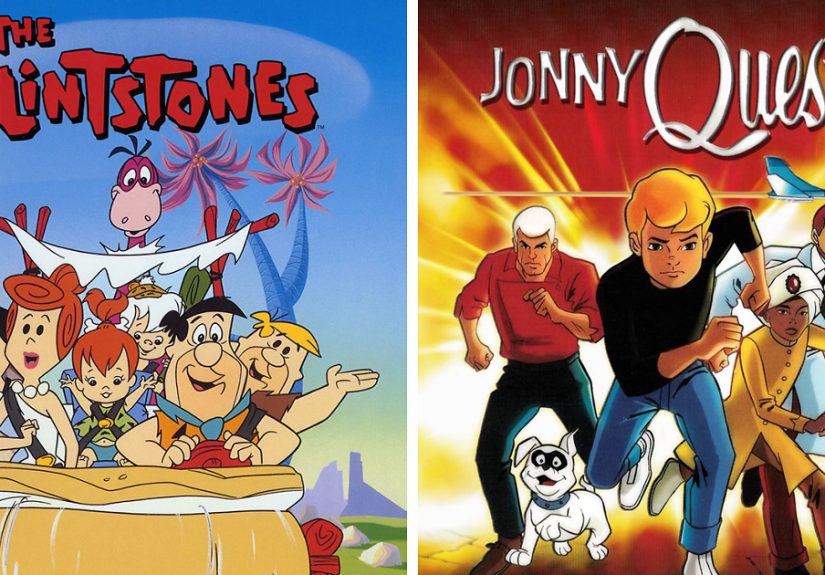
The Flintstones (1960)
A prime-time animated sitcom in a prehistoric suburb, The Flintstones was basically “modern family life,” except the appliances
had feelings and probably needed dental insurance. Fred Flintstone’s working-class hustle, Barney Rubble’s loyal sidekick energy,
and the show’s wink-wink adult humor made it a breakthrough hit.
Why it mattered: it proved animation could hold a prime-time slot, tell sitcom-style stories, and appeal to adults without losing kids.
Also, it taught us that dinosaurs were the original multi-tools. Need a record player? Dinosaur. Need a crane? Dinosaur. Need emotional
support? Probably also dinosaur.
The Jetsons (1962)
If The Flintstones were the past, The Jetsons were the futurebright, shiny, and wildly optimistic. George Jetson tried to survive
work, family life, and inconvenient robot malfunctions. Jane kept the household running. Judy and Elroy handled teen and kid problems.
And Rosie the Robot became the blueprint for every sassy robo-helper that followed.
Why it mattered: it shaped how America pictured “tomorrow,” right down to video calls, smart homes, and gadget overload. The show is
also famous for reminding us that the future still includes deadlines and awkward small talkjust with more buttons.
The Yogi Bear Show (1961)
Yogi Bear, proud resident of Jellystone Park, made “pic-a-nic basket” theft feel like an art form. With Boo Boo as the cautious conscience
and Ranger Smith as the exhausted adult trying to keep civilization intact, the show turned simple chase comedy into a long-running obsession.
Why it mattered: Yogi became one of the most recognizable Hanna-Barbera characters everproof that a great personality can carry a whole universe.
Also, he’s arguably the patron saint of “confidence without qualifications.”
Top Cat (1961)
Top Cat is the smooth-talking alley-cat leader with big dreams and even bigger schemes. He and his crew (Benny the Ball, Choo Choo,
Spook, Fancy-Fancy, and Brain) navigate hustles, misunderstandings, and the eternal conflict between “street smarts” and Officer Dibble’s patience.
Why it mattered: it’s a masterclass in character comedy. TC is charming enough that you want him to win… even when you know he’s absolutely
about to do something that would not pass a background check.
Jonny Quest (1964)
While many 60s cartoons leaned comedic, Jonny Quest went full adventure mode: secret bases, mad scientists, international intrigue,
and danger that felt surprisingly intense for animation. Jonny, Dr. Quest, Race Bannon, and Hadji formed a globe-trotting team before “team
franchises” became a standard template.
Why it mattered: it helped define action-adventure animation on TV. The show’s tone was more serious, the art style more grounded, and the pacing
more like a spy thriller than a gag reel.
Space Ghost & Dino Boy (1966)
Superhero cartoons surged in the late 60s, and Space Ghost delivered a stylish, cosmic take: a masked hero, strange villains, and a sci-fi setting
that felt bigger than the living room you were watching it in. Paired with the “Dino Boy” segment, it doubled down on the era’s love of heroes and adventure.
Why it mattered: it represents the 60s pivot toward superhero TV animationand planted seeds that would later evolve into pop culture remixes and
reimaginings. (The character had a very long afterlife.)
Spider-Man (1967)
The 1967 Spider-Man series introduced the web-slinger to TV in a way that felt immediately iconic. Peter Parker’s double life, classic villains,
and that theme songyes, that theme songmade it unforgettable.
Why it mattered: it proved comic book heroes could thrive in animated television formats. Also, it taught generations how catchy a simple lyric can be:
“Does whatever a spider can” is basically a permanent brain tattoo.
Wacky Races (1968)
Imagine a cross-country race where the drivers are basically walking cartoons… because they are. Wacky Races gave us a parade of absurd vehicles,
ridiculous shortcuts, and the eternally doomed cheating duo: Dick Dastardly and Muttley. The show turned competition into comedy and chaos into a weekly sport.
Why it mattered: it’s endlessly rewatchable because the premise is simple, the characters are distinct, and the jokes land fast. Also, Muttley’s laugh is
a sound effect that could power a small city.
The Archie Show (1968)
The Archie Show mixed teen comedy with musiceffectively making Riverdale a cartoon pop concert. The show’s fictional band, The Archies, became
a real-world phenomenon thanks to bubblegum pop hits that jumped from animation into radio playlists.
Why it mattered: it helped prove cartoons could be multimedia brands: characters, comedy, and chart-friendly music all at once. It also foreshadowed decades
of animated “bands” and music-first cartoon concepts.
The Pink Panther Show (1969)
The Pink Panther didn’t need many wordshe had style, timing, and a mischievous streak that turned everyday situations into elegant chaos. The character’s
popularity grew from theatrical shorts into television life, and the vibe was always the same: cool, clever, and just a little bit smug.
Why it mattered: it showed how far visual comedy could go when the character design and music were perfect. The Pink Panther is proof you can be hilarious
without yelling. (A shocking concept, especially on modern social media.)
Scooby-Doo, Where Are You! (1969)
A scared Great Dane, a van, four teens, and a weekly mystery that always turned out to be a guy in a mask. Scooby-Doo was built like comfort food:
predictable in the best way, with just enough spooky atmosphere to feel thrilling without causing actual childhood trauma.
Why it mattered: it became one of the most durable franchises in animation history. The “mystery formula” influenced decades of kid-friendly storytelling,
and the show’s humorespecially Shaggy-and-Scooby panic energybecame a universal language.
The Bugs Bunny Show (TV on ABC in the 1960s)
While Bugs and friends were born in theaters, The Bugs Bunny Show turned classic shorts into a TV ritual. It helped bring Looney Tunes-style comedy
into living rooms on a regular scheduleintroducing many kids to characters that were technically “older than their parents,” but still somehow felt brand-new.
Why it mattered: it accelerated the idea that animation could be repackaged, rerun, and reborn for new audiencesbasically inventing the “rerun childhood”
experience long before streaming made it effortless.
Rocky and Bullwinkle (1959–1964, peak 60s childhood rerun energy)
Yes, it launched in 1959but it ran deep into the 60s and became a defining part of early TV cartoon culture. With serialized adventures, Cold War satire,
and side segments like fractured fairy tales, it gave kids slapstick while slipping adults clever jokes that went way over small heads.
Why it mattered: it proved cartoons could do layered humorsmart enough to reward grown-ups, silly enough to delight kids. Plus, it gave us Boris and Natasha,
villains who felt like parody long before parody became a genre you could monetize.
What We Didn’t Realize as Kids (But Appreciate Now)
Rewatching 1960s cartoons as an adult is like finding money in an old jacket pocketexcept the “money” is jokes about work, consumer culture, and social norms.
The Flintstones pokes fun at suburban life and advertising. The Jetsons imagines a future that’s still obsessed with convenience and status.
Rocky and Bullwinkle basically winks at politics while pretending it’s just a talking moose having a normal day.
Even the “simpler” shows showcase a real craft: the best voice actors could make a single line funnier with rhythm alone, and composers built themes that still
snap into your brain on command. In the 60s, cartoons didn’t need to look expensive to feel iconicthey needed to be memorable.
Why “Old But Gold” Is More Than a Catchphrase
The best 60s cartoons created templates that animation still uses: ensemble casts, comedic rivals, mystery-of-the-week structure, superhero branding, and the
power of a great theme song. These shows also remind us that a “classic cartoon” isn’t defined by technologyit’s defined by whether people still quote it,
reference it, and happily rewatch it when they need a little joy.
In other words: old, yes. But gold? Absolutely.
Extra Nostalgia: of “You Had to Be There” Cartoon Energy
If you grew up watching 60s cartoons (or grew up watching reruns of 60s cartoons, which is basically the same emotional experience), you probably remember the
ritual as much as the episodes. Saturday morning wasn’t just a time slotit was a sacred event. The living room became a tiny theater. The couch
became your assigned seat for the weekend. And breakfast became a performance: cereal poured with the focus of a scientist, milk added with the confidence of
someone who absolutely believed they could eyeball the perfect ratio.
The TV itself had personality. It took a second to “warm up,” and sometimes you had to adjust the antenna like you were decoding a secret signal from space.
(Honestly, very Space Ghost of you.) And the channel knob? A tactile masterpiece. You didn’t “tap” a screenyou committed to a choice with a click,
a turn, and sometimes an accidental overshoot into something boring that you immediately corrected like a pro.
Then the themes hit. That’s when your whole body reacted. The Flintstones’ intro made you sit up straighter. The Jetsons’ music made you feel like the future
was arriving in your living roomright after this commercial break. Scooby-Doo’s opening made the room feel slightly spookier in a fun way, like you might find
a secret passage behind the hallway closet (and if you did, it would definitely be a guy in a mask).
And the characters felt like neighborhood legends. Yogi Bear was the lovable troublemaker you couldn’t stay mad at. Top Cat was the friend who always had “a plan”
that was 70% confidence, 20% charm, and 10% paperwork that definitely wasn’t notarized. Jonny Quest made you want to pack a bag and run a secret mission
until you remembered you had homework and also no trained bodyguard named Race Bannon to handle danger for you.
Even the “villains” became comfort characters. Dick Dastardly and Muttley were so committed to cheating that you almost respected the effortlike, sir, have you
considered simply racing? No? Cool. Love the dedication. Rocky and Bullwinkle’s enemies were ridiculous enough to be funny but clever enough to keep things moving,
which is a rare balance that modern shows still chase.
The biggest shared memory, though, might be this: you didn’t just watch these classic cartoonsyou lived around them. You quoted them at school.
You drew the characters in notebooks. You argued about which racer was best in Wacky Races. You practiced your best “ruh-roh” impression. And years later,
you realized the reason these shows still feel warm is because they weren’t just entertainmentthey were a tiny, reliable joy that showed up every week like a friend
who never forgot your birthday.