Table of Contents >> Show >> Hide
- First, a reality check: obesity isn’t a single-cause problem
- Meet the microbiome: your internal food critics (and accountants)
- So… what’s the link between obesity and the gut microbiome?
- How could microbes influence weight? The gastroenterologist breaks it down
- Diet moves the microbiome. Here’s the part you can actually use.
- What about probiotics for weight loss?
- Cutting through the noise: microbiome trends worth your time (and those that aren’t)
- Can doctors “reset” the microbiome to improve obesity?
- A practical 14-day “feed your microbiome” plan (without making your life weird)
- When to talk to a gastroenterologist (or a dietitian)
- Experiences related to obesity and the diet–microbiome connection (real-world moments)
- Conclusion
If you’ve ever wondered why two people can eat “basically the same thing” and get wildly different results on the scale, you’re not imagining it. Calories matter, movement matters, sleep matters… and then there’s a whole bustling “city” inside your gut that helps decide what happens next. That city is your gut microbiometrillions of microbes that treat your lunch like a group project.
To make sense of the diet–microbiome–obesity triangle without turning it into a science-fair volcano, I sat down (figuratively) with a gastroenterologist. We talked about what the evidence really shows, what’s still fuzzy, and what you can do today that’s more effective than panic-buying a $62 probiotic with a name that sounds like a startup.
First, a reality check: obesity isn’t a single-cause problem
Obesity is a complex, chronic condition influenced by many factors: food environment, stress, sleep, medications, health conditions, genetics, and daily habits. It’s not simply “willpower vs. dessert.” In fact, public health agencies describe obesity risk as a web of health behaviors, environment, stress, genetics, and more. That matters, because the microbiome is only one strand of that webnot the whole spider.
Gastroenterologist’s take
Q: “When patients ask, ‘Is my gut bacteria making me gain weight?’ what do you say?”
A: “I say: your gut bacteria may be participating, but they’re not holding a tiny microphone yelling ‘Gain weight!’ Obesity is multifactorial. The microbiome can influence metabolism and appetite signaling, but it interacts with diet, sleep, activity, hormones, and genetics.”
Meet the microbiome: your internal food critics (and accountants)
Your gut microbiome is the community of bacteria, viruses, fungi, and other microbes living mostly in your large intestine. They help break down parts of food you can’t digest on your ownespecially certain fibersand they produce compounds that can affect inflammation, gut barrier function, and metabolic processes.
Here’s the fun part: your microbiome responds to what you eat fast. Research reviews note that dietary changes can shift microbial patterns quicklysometimes within a day. That doesn’t mean one salad fixes everything. It means the gut is listening.
So… what’s the link between obesity and the gut microbiome?
Studies consistently find differences between the gut microbiomes of people with obesity and those without. But the “headline version” (like “obese microbiome vs. lean microbiome”) is way too simple. Different people can have different microbial patterns and still have similar health outcomes.
What we know (with reasonable confidence)
- Diet strongly shapes the microbiome. A plant-rich, fiber-forward pattern tends to support a more diverse microbial ecosystem and more fermentation of fiber into helpful metabolites.
- Microbes influence what we extract from food. Some microbes help break down otherwise indigestible carbs and can affect the host’s energy harvest.
- Microbial byproducts can influence metabolism. Short-chain fatty acids (SCFAs) produced from fermenting fiber (like acetate, propionate, and butyrate) are linked to gut and immune functions and may play roles in metabolic regulation.
What’s still under debate
- Causation vs. association. Obesity can change the microbiome, and the microbiome can influence obesity-related pathways. Untangling which came first is tricky.
- One-size-fits-all fixes. The same “gut health” trend can help one person and annoy another (hello, beans).
- Commercial tests promising personalized diets. Many are interesting, but not always clinically actionable yetespecially if they translate into “avoid all joy.”
How could microbes influence weight? The gastroenterologist breaks it down
1) Energy harvest: the “extra credit” calories
Q: “Can gut bacteria actually increase calories absorbed?”
A: “They can influence how much energy is extracted from certain foodsespecially complex carbs. Your body can’t digest many fibers, but microbes ferment them. That doesn’t mean fiber makes you gain weight; usually it’s the opposite because fiber increases fullness and supports healthier eating patterns. But it shows microbes are part of the metabolic story.”
2) SCFAs: tiny molecules, big group chat
SCFAs are a major “output” of a fiber-fed microbiome. They help nourish the cells lining the colon and are involved in immune and metabolic signaling. In plain English: when you feed your microbes the right stuff, they make compounds that may help your gut environment run more smoothly.
3) Gut barrier + inflammation: keeping the bouncer at the door
One proposed pathway involves gut barrier integrity and low-grade inflammation (sometimes described in research as “metabolic inflammation”). Diets heavy in ultra-processed foods and low in fiber may be associated with microbial shifts and changes in gut barrier functionan area still actively studied.
4) Appetite and hormones: not just “hunger,” but signals
The gut and brain constantly text each other. Microbial metabolites, bile acids, and gut hormones can influence satiety cues. That’s part of why some dietary patterns feel satisfying while others feel like you could eat a couch cushion and still be hungry.
Diet moves the microbiome. Here’s the part you can actually use.
Start with the boring hero: fiber (yes, really)
Fiber isn’t glamorous, but it’s the closest thing we have to a “universal language” between diet and microbes. Many Americans fall short of recommended fiber intakeso the microbiome doesn’t get the raw materials it prefers. Higher-fiber eating patterns can support fullness, steadier blood sugar, and a microbial community that’s better at fermenting fiber.
Practical target: Build fiber gradually with whole foods: beans/lentils, oats, berries, vegetables, nuts/seeds, and whole grains. Add water as you add fiber, unless you enjoy dramatic belly sound effects.
Prebiotics: “food for the good bugs” (with a caveat)
Prebiotics are certain fibers and compounds your body doesn’t fully digest, but microbes can use. Common food sources include onions, garlic, leeks, asparagus, bananas (especially less-ripe), oats, beans, and many whole grains. The gastroenterologist’s favorite advice: “Think variety, not perfection.”
Q: “Should people buy prebiotic powders?”
A: “Most people do better starting with food. Supplements can help in specific situations, but they can also cause bloating fast. If someone already struggles with IBS symptoms, we tailor the plan rather than dumping a scoop of ‘MegaFiber 9000’ into their coffee.”
Fermented foods: helpful, but not magic
Yogurt with live cultures, kefir, kimchi, sauerkraut, miso, and tempeh can add beneficial microbes and/or microbial byproducts. They’re “microbiome-friendly” in the same way walking is “fitness-friendly”: effective when it’s consistent, not because it’s a one-time stunt.
Polyphenols: the plant compounds microbes love
Many plant foods contain polyphenolsthink berries, cocoa, tea, coffee, herbs, spices, and colorful vegetables. These compounds can interact with gut microbes and are linked with broader cardiometabolic benefits as part of an overall healthy diet.
What about probiotics for weight loss?
Probiotic supplements are heavily marketed, but evidence for probiotics as a general obesity solution is not strong. Some probiotic strains can help specific gastrointestinal conditions, and safety matters for certain populations. For most people, the more reliable path to a healthier microbiome is diet quality: fiber, variety, and fewer ultra-processed foods.
Q: “So… are probiotics a scam?”
A: “Not a scam, but often oversold. Different strains do different things, and many products don’t match what was studied in clinical trials. If someone is immunocompromised, pregnant, or has a complex medical situation, we’re cautious. And if a product promises ‘detox,’ I immediately trust it less.”
Cutting through the noise: microbiome trends worth your time (and those that aren’t)
Worth your time
- Whole-food fiber. Add it slowly, keep it consistent.
- Plant diversity. More different plants over a week (vegetables, fruits, beans, whole grains, nuts, seeds) = broader microbial “menu.”
- Less ultra-processed food. Not moralizingjust fewer additives and “edible product-like substances” when you can.
- Sleep and stress support. Your gut-brain axis is not a myth; it’s a busy hotline.
Proceed with caution
- At-home microbiome tests that dictate strict food bans. Interesting data, often shaky instructions.
- Random probiotic stacks for weight loss. Strain-specific evidence is limited; marketing is unlimited.
- Extreme cleanses. Your colon is self-cleaning. If it weren’t, humans would not have made it to this group chat.
Can doctors “reset” the microbiome to improve obesity?
Research tools like fecal microbiota transplantation (FMT) show the microbiome can influence metabolism in certain settings. In some studies, FMT from lean donors produced temporary improvements in insulin sensitivity in people with metabolic syndrome, and results depended on baseline microbiome patterns. That’s promisingbut it’s not a DIY strategy, and it’s not a mainstream obesity treatment.
Bariatric surgery is a different story: it’s an established obesity treatment for appropriate candidates and is associated with significant metabolic changes. Research also shows bariatric procedures can reshape the microbiome, though it’s hard to separate “microbiome effects” from the surgery’s hormonal and anatomical effects.
A practical 14-day “feed your microbiome” plan (without making your life weird)
Rule #1: Add, don’t subtract (at first)
For two weeks, focus on adding one of these daily:
- 1 cup of beans/lentils (start with 1/3–1/2 cup if you’re new)
- 1 bowl of oats or another whole grain (barley, farro, brown rice)
- 2 cups of colorful vegetables
- 1 serving of berries or an apple/pear
- 1 fermented food serving (yogurt/kefir/kimchi/sauerkraut) if tolerated
Rule #2: Aim for “fiber anchors”
Build meals around a fiber anchor plus protein:
- Breakfast: oatmeal + berries + nuts, or eggs + sautéed greens + whole-grain toast
- Lunch: big salad + chickpeas + olive oil/lemon dressing
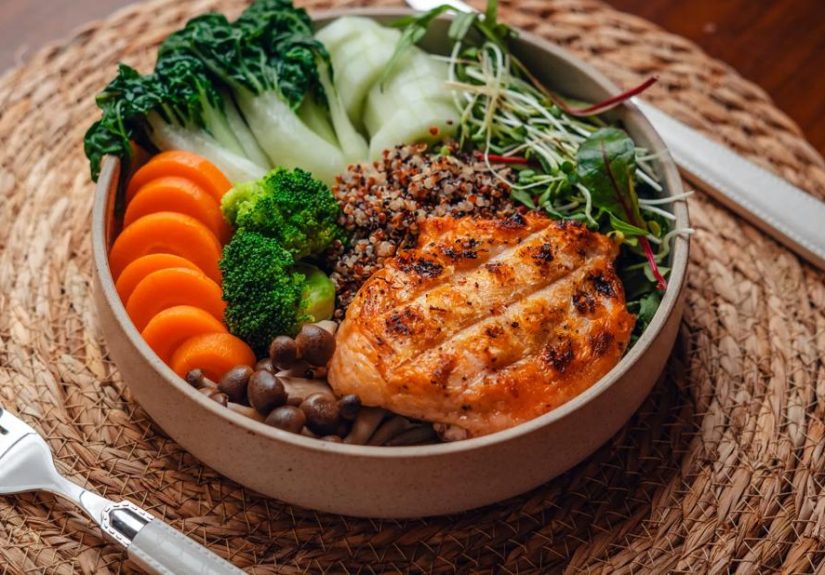
- Dinner: salmon or chicken + roasted vegetables + brown rice or quinoa
- Snack: Greek yogurt + fruit, or hummus + carrots
Rule #3: Keep it sustainable
If you can’t picture yourself eating it in three months, it’s probably not your planit’s a temporary personality. Sustainable weight management and microbiome support work best when your diet feels like your life, not a punishment.
When to talk to a gastroenterologist (or a dietitian)
Consider professional help if you have persistent GI symptoms (pain, ongoing diarrhea/constipation, blood in stool, unintentional weight loss), a history of eating disorders, complex medical conditions, or you’re starting weight-loss medications and need nutrition support. If you suspect food intolerances, don’t self-diagnose with a list of forbidden foods from the internetget a tailored plan.
Experiences related to obesity and the diet–microbiome connection (real-world moments)
In real clinical life, the diet–microbiome conversation rarely starts with someone saying, “Hello doctor, I’d like to discuss my short-chain fatty acids.” It starts with everyday frustrations: “I’m hungry all the time,” “My stomach is unpredictable,” “I tried cutting carbs and now I’m constipated,” or “I eat ‘healthy’ but the scale won’t budge.” Gastroenterologists often describe a pattern: people arrive with a long history of diet attempts, and their gut symptoms have quietly become part of the storybloating, irregular stools, reflux, or discomfort that makes it hard to keep a consistent eating routine.
One common experience is the “fiber whiplash” phase. Someone hears that fiber is great for gut health and weight management, so they go from barely any plants to a heroic bowl of beans, a kale salad, and a chia pudding… in the same day. The next morning they feel like their abdomen is auditioning for a percussion section. Clinicians often coach the same fix: increase fiber slowly, pair it with adequate fluids, and choose gentler options first (like oats, berries, cooked vegetables, and smaller portions of beans). When the ramp-up is gradual, many people report that appetite feels steadierless “snack gravity” pulling them toward the pantrybecause meals are more filling and blood sugar swings are less dramatic.
Another real-world moment: people are frequently surprised that “gut-friendly” doesn’t mean “fermented everything.” A patient might add kombucha, kefir, kimchi, and yogurt, then wonder why symptoms got worse. A gastroenterologist will often walk through tolerance, medications, and underlying conditions. Some fermented foods can be higher in histamines or trigger symptoms in sensitive individuals. The experience becomes less about chasing a trendy food and more about learning what’s personally sustainable.
In weight-management programs, clinicians also see how the microbiome conversation can reduce shame. Instead of “I’m broken,” the frame becomes, “My body has complex biology, and I can influence it with repeatable choices.” That shift matters. People often do better when goals are framed as additionsmore plants, more sleep, more movementrather than endless restrictions. The microbiome is useful here because it rewards consistency. Even small, repeated changes (adding a serving of beans a few days per week, swapping refined grains for whole grains, eating a wider range of vegetables) can feel empowering because they’re concrete, not abstract.
Finally, there’s the “data curiosity” experience. Some people bring in microbiome test results like they’re presenting a fantasy-football roster: “I’m low in this, high in that, and apparently my gut thinks I should never look at bread again.” Clinicians often validate the curiosity while steering the focus back to fundamentalsfiber, variety, and overall diet qualitybecause those levers are the most reliable and evidence-aligned right now. For many, the best “microbiome intervention” ends up looking surprisingly normal: cook more at home, eat more plants, minimize ultra-processed foods when possible, and create a plan you can repeat even on busy weeks. Not flashybut effective, and your gut tends to appreciate boring consistency.
Conclusion
The gut microbiome doesn’t single-handedly “cause” obesity, but it can influence metabolism, appetite signaling, and how the body responds to diet. The most practical, evidence-based approach isn’t an expensive supplement or a dramatic cleanseit’s a steady, whole-food pattern rich in fiber and plant diversity, with fermented foods as an optional supporting actor. If you want your microbiome on your team, feed it like a long-term relationship: consistently, kindly, and without expecting a miracle after one “good” dinner.