Table of Contents >> Show >> Hide
- What are impacted wisdom teeth?
- Symptoms of impacted wisdom teeth
- When removal is recommended
- How impacted wisdom teeth are diagnosed
- What wisdom tooth removal involves
- Recovery after impacted wisdom tooth removal
- Possible complications of wisdom tooth removal
- When to call the dentist right away
- Experiences related to impacted wisdom teeth: what people often go through
- Final thoughts
Wisdom teeth are like party guests who show up late, find there are no seats left, and then decide to wedge themselves sideways into the furniture. Technically, they are your third molars, and they usually appear in the late teens or early 20s. When there is not enough room for them to erupt normally, they can become impacted. That means they stay trapped under the gums, partly break through, or grow at an awkward angle that causes trouble for the rest of your mouth.
Some impacted wisdom teeth are quiet and harmless. Others are absolute drama magnets. They can trigger jaw pain, swollen gums, bad breath, repeated infections, damage to nearby teeth, and a level of chewing discomfort that makes soup suddenly feel like a lifestyle choice. If you are trying to understand the symptoms of impacted wisdom teeth and whether removal makes sense, here is the full picture in plain English.
What are impacted wisdom teeth?
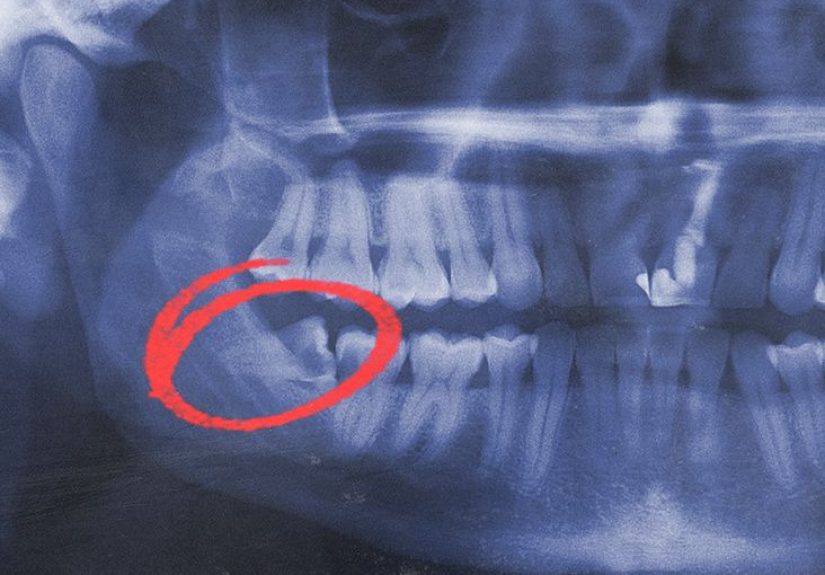
Impacted wisdom teeth are third molars that cannot fully erupt into a normal position. This usually happens because your jaw does not have enough space. Sometimes the tooth is blocked by bone, gum tissue, or the neighboring molar. Other times, it grows in the wrong direction. It may tilt forward into the second molar, angle backward, remain buried upright, or even lie almost horizontally under the gum.
That is why dentists often describe wisdom teeth as unpredictable. They do not all behave the same way, and they do not all need the same treatment. One person may have four wisdom teeth that come in neatly and never cause a single complaint. Another may have one stubborn lower third molar that acts like it is trying to tunnel into the next tooth.
Why wisdom teeth become impacted
The biggest reason is simple: not enough room. Human jaws are often too small to comfortably fit four extra molars in the very back. If the erupting tooth cannot find a clear path, it gets stuck. Impacted wisdom teeth are also more likely when they erupt at odd angles or when nearby teeth block their path. In short, your mouth ran out of parking spaces.
Symptoms of impacted wisdom teeth
Here is the tricky part: impacted wisdom teeth do not always cause symptoms right away. Some stay silent for years. But when they do act up, the warning signs are usually hard to ignore.
- Jaw pain or pressure in the back of the mouth
- Red, swollen, tender, or bleeding gums
- Swelling around the jaw
- Bad breath that does not quit
- An unpleasant taste in the mouth
- Difficulty opening the mouth fully
- Pain when chewing near the back teeth
- Food getting trapped behind the last molar
A partially erupted wisdom tooth is especially annoying because it creates a tiny flap of gum tissue where food, plaque, and bacteria love to hide. That can lead to pericoronitis, which is inflammation or infection around the crown of the tooth. If your mouth tastes weird, your gum feels puffy, and brushing back there feels like poking a sleeping bear, pericoronitis may be the reason.
Symptoms can be mild at first
Many people expect impacted wisdom teeth to arrive with dramatic, movie-level swelling. Sometimes they do. But often the early signs are subtle: a dull ache, gum tenderness, a weird pressure sensation, or a back tooth that suddenly seems harder to floss around. These symptoms are easy to ignore until they become recurring problems.
Can impacted wisdom teeth cause other dental problems?
Yes, and this is one reason dentists keep a close eye on them. Impacted or partly erupted wisdom teeth can contribute to cavities, gum disease, plaque buildup, and damage to the second molar sitting in front of them. In some cases, cysts can form around an impacted tooth. Rarely, more serious pathology can develop. Even when the tooth itself does not hurt much, the surrounding tissues may still be paying the price.
When removal is recommended
Not every wisdom tooth needs to be removed. If a wisdom tooth is healthy, fully erupted, in the right position, biting properly, and easy to clean, your dentist may simply monitor it. So no, wisdom tooth removal is not an automatic life requirement like paying taxes or pretending you enjoy small talk.
Removal is commonly recommended when an impacted wisdom tooth is causing symptoms or is likely to cause problems, such as:
- Pain in or around the wisdom tooth
- Repeated infection of the gum tissue behind the last molar
- Cysts or tumors associated with the tooth
- Damage to nearby teeth
- Gum disease or pockets around the second molar
- Tooth decay that cannot be cleaned or repaired well
- Overcrowding or interference with other dental treatment
There is also an important gray area: asymptomatic impacted wisdom teeth. In other words, teeth that are not hurting right now. Some oral surgeons recommend removal if the tooth appears likely to create future problems. Others may advise active monitoring with regular exams and dental X-rays. The right choice depends on your age, tooth position, overall oral health, risk of future disease, and how difficult removal may be later.
Is earlier removal easier?
Often, yes. Wisdom teeth are frequently easier to remove in younger patients because the roots may not be fully formed yet, the bone is generally less dense, and healing may be faster. That does not mean every teenager needs surgery, but timing is part of the conversation. Your dentist or oral surgeon will look at the X-rays, the angle of the tooth, and the condition of the surrounding bone and gums before recommending a plan.
How impacted wisdom teeth are diagnosed
Diagnosis starts with a clinical exam. Your dentist will check the gums behind your last molars, ask about symptoms, and look for signs of swelling, infection, drainage, tenderness, or damage to nearby teeth. Dental X-rays are then used to confirm whether the tooth is impacted and to show its position.
A panoramic X-ray is commonly used because it gives a broad view of the jaws, all the teeth, and nearby structures. This helps your dental team see whether the wisdom tooth is close to the lower jaw nerve, the sinus, or the roots of the second molar. That information matters because it influences both the treatment decision and the surgical approach.
What wisdom tooth removal involves
If removal is recommended, the procedure may be done by a general dentist or an oral and maxillofacial surgeon, depending on the complexity. Deeply impacted teeth, sideways teeth, or teeth close to important nerves are more likely to be referred to a specialist.
Before the procedure
You will usually discuss your medical history, current medications, allergies, and anesthesia options. Depending on the tooth and the difficulty level, you may have local anesthesia, sedation, or general anesthesia. Many people are relieved to learn that the goal is not to win an endurance contest. Your surgical team wants you comfortable and safe.
During the procedure
For a simple removal, the tooth may be loosened and lifted out. For an impacted wisdom tooth, the surgeon may need to make a small cut in the gum, remove some bone around the tooth, and section the tooth into smaller pieces so it can be removed more gently. Stitches may be placed afterward. The exact steps vary, but the mission is the same: remove the problem tooth while protecting the surrounding structures.
Does wisdom tooth removal hurt?
During the procedure, you should not feel sharp pain because the area is numb and sedation may be used. After the anesthesia wears off, some soreness, swelling, oozing, and stiffness are normal. The first couple of days can feel like your jaw spent the night doing pull-ups, but most people improve steadily with rest and proper aftercare.
Recovery after impacted wisdom tooth removal
Recovery varies, but many people are back to school, work, or normal routines within a few days, even though full healing may take one to two weeks. The first 24 to 72 hours are usually the most noticeable part of recovery.
What helps recovery go smoothly
- Bite on gauze as directed to control bleeding
- Use cold packs on the outside of the jaw during the first day
- Eat soft foods like yogurt, soup, mashed potatoes, eggs, smoothies by spoon, and pasta
- Drink plenty of fluids
- Take medications exactly as prescribed
- Keep the mouth clean using your dentist’s instructions
- Rest for the first day or two and avoid strenuous activity
What to avoid after surgery
- Do not drink through a straw
- Do not smoke or vape
- Do not spit forcefully or rinse aggressively right away
- Do not chew hard or crunchy foods over the surgical site
- Do not ignore worsening pain, swelling, or fever
These restrictions are not random acts of dental bossiness. They help protect the blood clot in the socket, which is essential for healing.
Pain control after surgery
Ask your dentist or oral surgeon about the best pain-relief plan for you. In many cases, non-opioid medicines such as ibuprofen, acetaminophen, or a combination plan are enough for routine recovery. That matters because younger patients often have their first exposure to opioid prescriptions after dental procedures, and many professional sources encourage discussing safer pain-control options whenever appropriate.
Possible complications of wisdom tooth removal
Most wisdom tooth extractions heal normally, but every surgical procedure has risks. Your surgeon should review these with you before treatment.
Dry socket
Dry socket is one of the best-known complications because it hurts a lot and has an annoyingly descriptive name. It happens when the blood clot in the extraction site does not form properly or becomes dislodged too early, exposing the bone. Symptoms often include severe pain a few days after the extraction, pain that radiates toward the ear or temple, bad breath, and a foul taste.
Infection
Infection can happen if bacteria, food, or debris get trapped in the area. Warning signs may include increasing swelling, worsening pain instead of steady improvement, pus or foul drainage, fever, and trouble opening the mouth.
Other less common risks
Less common complications can include injury to nearby teeth, sinus problems for upper wisdom teeth, temporary or rarely longer-lasting nerve irritation, and delayed healing. The risk depends in part on the tooth’s position and your anatomy, which is why imaging and proper planning matter so much.
When to call the dentist right away
Do not tough it out if something seems off. Contact your dentist or oral surgeon promptly if you have:
- Severe or worsening pain after the first couple of days
- Persistent bleeding that does not slow down
- Fever or chills
- Pus, foul drainage, or a bad smell that keeps getting stronger
- Swelling that gets worse instead of better
- Numbness that does not improve
- Trouble swallowing or breathing
Breathing trouble, major swelling, or signs of a spreading infection deserve urgent medical attention.
Experiences related to impacted wisdom teeth: what people often go through
One of the most common experiences with impacted wisdom teeth is confusion. A person feels a little pressure in the back of the jaw and wonders whether it is a cavity, sore gums, stress clenching, or just an ordinary bad day. Then a few weeks later there is swelling, a weird taste, and food getting stuck in the same spot over and over. That pattern is incredibly common. Impacted wisdom teeth often start with subtle symptoms, not a dramatic emergency.
Another common experience is the “on again, off again” cycle. Someone gets a tender flap of gum behind the last molar, rinses with salt water, baby-brushes the area for a week, and things calm down. Then it flares again a month later. Because the symptoms come and go, many people postpone treatment longer than they planned. They tell themselves it is manageable. Sometimes it is, for a while. But repeated flare-ups are exactly why many patients eventually choose removal.
People also describe the emotional side of wisdom tooth removal in surprisingly similar ways. Before surgery, the biggest fear is often not pain but the unknown. Will I be awake? Will I hear weird noises? Will recovery be awful? In reality, many patients later say the anticipation was worse than the procedure itself. Once the anesthesia plan is explained and the appointment is over, the experience often feels more manageable than expected.
The first day after surgery is usually described as puffy, sleepy, and mildly inconvenient. The second or third day is often the peak swelling day, which can make people think something is wrong when it is actually a normal part of healing. By day four or five, many people notice a big improvement. They can talk more comfortably, eat more normally, and stop treating mashed potatoes like a food group with emotional significance.
There is also a very common “why did I wait so long?” reaction. People who had repeated infections or constant pressure often feel immediate relief once the troublesome tooth is gone and the area starts healing. They may still have post-surgical soreness, but the chronic back-of-the-mouth irritation is finally out of the picture. For patients whose impacted tooth was damaging the second molar or trapping bacteria, removal can feel like finally closing the tab on an ongoing dental annoyance.
Of course, not every experience points straight to surgery. Some people learn from X-rays that they have impacted wisdom teeth but no active disease, no pain, and no harm to nearby teeth. In those cases, the experience is more about monitoring than removing. They come in for periodic exams, keep up with home care, and make decisions over time with their dentist. That is important because it reminds people that impacted wisdom teeth are not one-size-fits-all. The best plan is based on what the tooth is doing now, what it is likely to do later, and how the risks of removal compare with the risks of keeping it.
Final thoughts
Impacted wisdom teeth can be completely silent, mildly annoying, or impressively disruptive. The symptoms may include jaw pain, swollen gums, bad breath, repeated gum infections, and trouble opening the mouth. When the tooth is causing disease or threatening nearby structures, removal is often the best option. When it is healthy and stable, careful monitoring may be enough.
The smartest move is not guessing from the mirror or polling your friends who once had “the worst wisdom teeth ever.” It is getting a proper dental exam and X-rays. With the right diagnosis, you can decide whether your wisdom tooth needs attention now, later, or maybe not at all.
Note: This article is for educational purposes only and is not a substitute for diagnosis or treatment by a licensed dental professional.