Table of Contents >> Show >> Hide
- Why These New Stroke Guidelines Matter
- GLP-1 Drugs Are the Splashiest Update, but Not a Free Pass
- Diet Is No Longer the Side Dish in Stroke Prevention
- Lifestyle Changes Still Do the Heavy Lifting
- Blood Pressure Is Still the Main Villain
- Stroke Prevention Is Also About Diabetes, Cholesterol, and Weight
- The Guidelines Are More Personal Than Older Prevention Advice
- What Patients and Families Should Do With This Information
- The Bottom Line
- What These Recommendations Look Like in Real Life
Stroke prevention just got a major refresh, and honestly, it was overdue. After a decade of new research, the latest stroke prevention guidance from the American Stroke Association puts a brighter spotlight on something clinicians have been saying for years: preventing a first stroke is not about one miracle pill, one heroic salad, or one guilty purchase of running shoes that become a very expensive coat rack. It is about combining smart screening, targeted medication, and everyday habits that protect the brain before disaster strikes.
The headline-grabber is easy to spot: GLP-1 drugs are now part of the stroke prevention conversation. That is a big deal because these medications were once discussed mostly in diabetes care and, more recently, in weight-loss headlines. But the updated guidance also makes an equally important point that deserves just as much attention: diet, physical activity, sleep, smoking cessation, blood pressure control, and long-term risk assessment still do most of the heavy lifting. In other words, modern stroke prevention is not “medicine versus lifestyle.” It is medicine plus lifestyle, working together like a very competent duo.
Why These New Stroke Guidelines Matter
A first stroke can change a life in minutes. It can affect speech, memory, mobility, independence, and long-term health. That is exactly why the new guidance matters so much. It focuses on primary prevention, meaning reducing the odds that a person has a stroke in the first place. That may sound less dramatic than emergency treatment, but from a public health standpoint, it is where the biggest wins live.
The new recommendations reflect a broader, more realistic view of stroke risk. Instead of treating stroke as a random lightning bolt from the sky, the guideline treats it as the result of patterns that can often be identified and improved. High blood pressure, diabetes, obesity, smoking, high cholesterol, physical inactivity, poor diet, and poor sleep do not usually show up one at a time. They travel in packs. The new guidance recognizes that and pushes clinicians to think earlier, screen more thoughtfully, and act before the brain sends an expensive and terrifying invoice.
GLP-1 Drugs Are the Splashiest Update, but Not a Free Pass
What changed?
One of the biggest updates is the recommendation to consider GLP-1 receptor agonists for certain patients, especially people with diabetes and high cardiovascular risk or established cardiovascular disease. That matters because these medications are no longer being viewed only as glucose-lowering drugs. They are increasingly recognized as part of a larger cardiometabolic strategy that can help reduce major vascular events, including stroke.
If the phrase “GLP-1 receptor agonist” sounds like it escaped from a graduate-level biochemistry exam, the simpler version is this: these medicines help regulate blood sugar, support weight loss in appropriate patients, and may also lower cardiovascular risk. Some readers will know them by brand names associated with semaglutide and similar therapies. The key point is not the brand. The key point is that the guideline now treats this drug class as relevant to stroke prevention in the right patients.
Why are GLP-1 drugs getting so much attention?
Because the evidence around cardiometabolic risk got harder to ignore. Obesity, type 2 diabetes, high blood pressure, and atherosclerotic cardiovascular disease are deeply entangled with stroke risk. A therapy that helps with blood sugar, body weight, and cardiovascular outcomes naturally enters the prevention chat. That is especially true now that semaglutide has received expanded U.S. regulatory attention for reducing major cardiovascular events in certain adults with cardiovascular disease and overweight or obesity.
Still, the new guideline does not say everyone should sprint to ask for a GLP-1 prescription. These drugs are not a universal shortcut, and they are not meant to replace diet, exercise, blood pressure treatment, smoking cessation, statins, or diabetes management. They are tools, not magic beans. The right question is not “Should everyone take one?” The right question is “Which patients are most likely to benefit, safely and meaningfully, as part of a broader prevention plan?”
Diet Is No Longer the Side Dish in Stroke Prevention
The Mediterranean diet gets a starring role
The new stroke guidance gives strong attention to the Mediterranean-style dietary pattern, and that is not just nutrition-world fan fiction. This way of eating emphasizes vegetables, fruits, legumes, whole grains, nuts, olive oil, fish, and generally less ultra-processed food. It is not about performing wellness on social media with an artful drizzle of olive oil and a lemon wedge placed at a suspiciously cinematic angle. It is about a sustainable pattern that supports vascular health over time.
One reason this recommendation stands out is that the guideline does not treat diet as vague moral advice. It treats diet like a real intervention. That is an important shift in tone. A Mediterranean eating pattern can improve blood pressure, weight, metabolic health, and lipid profiles, which are exactly the factors that push stroke risk up or pull it down.
DASH principles still matter too
Even though the Mediterranean diet gets a lot of attention, the logic of DASH is still highly relevant. Lower sodium intake, more potassium-rich foods, more fruits and vegetables, more whole grains, and less saturated fat all support better blood pressure control. Since hypertension remains the heavyweight champion of stroke risk factors, anything that lowers blood pressure deserves serious respect.
In practical terms, the “best” diet for stroke prevention is usually the one a person can actually follow long term. For many people, that means a Mediterranean-style framework with DASH-like discipline around sodium, processed foods, and portion quality. No fireworks. No detox tea. Just fewer vascular regrets.
Lifestyle Changes Still Do the Heavy Lifting
Move more, and yes, sit less
The guideline reinforces what public health experts have been saying for years: regular physical activity is essential. Adults should aim for the familiar benchmark of at least 150 minutes of moderate-intensity activity per week, 75 minutes of vigorous activity, or a combination of both. That part is not new. What feels newer in tone is the direct attention paid to sedentary behavior.
Translation: even if you exercise, being glued to a chair all day is still a problem. The updated guidance encourages clinicians to ask about sedentary time and counsel people to break it up. That matters because stroke prevention is not just about the gym. It is also about what happens during the other 23 hours of the day. Walking after meals, taking movement breaks, standing during calls, and generally not living like a decorative houseplant all count.
Smoking, sleep, and alcohol are not side notes
Smoking remains one of the clearest and most preventable stroke risks. Poor sleep also earns more respect in modern prevention frameworks than it used to. That is where the American Heart Association’s Life’s Essential 8 comes in. The updated stroke guidance aligns with that broader model, which includes healthy eating, activity, nicotine avoidance, healthy sleep, weight, lipids, blood pressure, and blood sugar. In plain English, stroke prevention is not one choice. It is a cluster of choices that either supports brain health or slowly sabotages it.
Alcohol deserves a reality check too. Moderate intake means moderate, not “I only drink socially” followed by a weekend that requires an apology tour. Heavy alcohol use can worsen blood pressure and raise stroke risk, so the guidelines keep the focus where it belongs: consistency over excuses.
Blood Pressure Is Still the Main Villain
If the stroke prevention story had a recurring antagonist, it would be high blood pressure. The updated guidance makes clear that blood pressure management remains central, and for many patients, one medication is not enough. In fact, most people who need drug treatment to hit target blood pressure will need two or more medications. That is not a sign of failure. It is often just how hypertension works.
The practical goal is straightforward: get eligible patients to a blood pressure target that meaningfully lowers stroke risk, typically under 130/80 mm Hg for many higher-risk adults. That is where nutrition, weight management, sodium reduction, regular activity, sleep, stress management, and medication all start overlapping. You cannot out-supplement uncontrolled hypertension. The artery does not care that the smoothie had chia seeds.
Stroke Prevention Is Also About Diabetes, Cholesterol, and Weight
Diabetes and stroke risk are tightly linked. People with diabetes face higher risk of cardiovascular disease, including stroke, which is one reason the guideline’s discussion of GLP-1 drugs matters. But medication is only one part of the diabetes-stroke equation. Glucose control, blood pressure control, LDL management, weight reduction when appropriate, smoking cessation, and regular follow-up all work together.
The same goes for cholesterol. Statins still matter. For many patients with diabetes or elevated cardiovascular risk, lipid-lowering therapy remains a cornerstone of prevention. The glamorous new thing may be GLP-1 therapy, but the old-school workhorses are still in the barn, still doing the job.
Weight also gets more practical attention in the new prevention mindset. Excess weight increases the odds of hypertension, insulin resistance, inflammation, and vascular disease. That does not mean body size alone tells the whole story, but it does mean weight-related risk should be addressed thoughtfully, not awkwardly ignored until the chart practically starts yelling.
The Guidelines Are More Personal Than Older Prevention Advice
Another notable update is the emphasis on individualized risk assessment. The newer PREVENT risk calculator expands the prevention conversation by estimating longer-term cardiovascular risk beginning at younger ages than older models. That matters because stroke risk is not just a retirement problem. The groundwork for stroke often starts years earlier through untreated blood pressure, rising blood sugar, disrupted sleep, poor nutrition, and chronic inactivity.
The updated guidance also does more to address factors that are often under-discussed in routine care. These include social determinants of health, access to food and medical care, affordability of medications, and education that is understandable and usable. It also includes sex-specific and gender-related considerations, such as pregnancy-related hypertension, early menopause, premature ovarian failure, endometriosis, and risk considerations for transgender women using estrogen. That is a more realistic picture of prevention, because real people do not arrive in clinics as textbook diagrams.
What Patients and Families Should Do With This Information
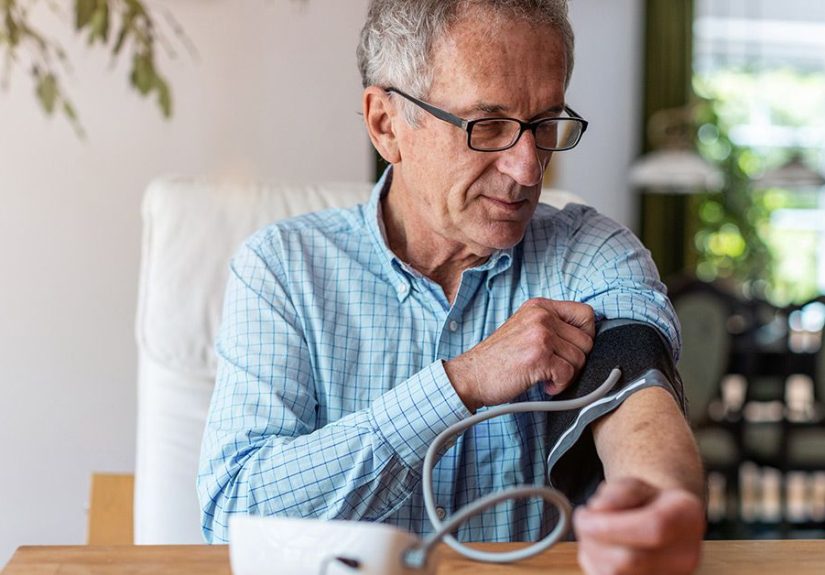
First, know your numbers. Blood pressure, cholesterol, A1C, weight, physical activity, and sleep are not random trivia. They are part of a stroke prevention dashboard. Second, ask better questions at appointments. Do you qualify for a statin? Do you qualify for a GLP-1 medication? Is your blood pressure target being met? Are you using the right home blood pressure technique? Is your diet helping or quietly staging a mutiny?
Third, stop waiting for a “perfect” lifestyle reset. Stroke prevention is usually built from very ordinary changes repeated consistently: fewer processed meals, more walking, less sodium, better sleep, taking prescribed medicine, checking blood pressure at home, quitting smoking, and following up when numbers drift. It is not glamorous. It is just effective.
And finally, remember that prevention does not replace emergency awareness. Knowing the warning signs of stroke still matters. Fast action saves brain tissue. Prevention is the goal; preparedness is the backup plan nobody wants to need.
The Bottom Line
The new stroke guidelines are significant not because they discovered one dazzling cure-all, but because they reflect a smarter, more integrated way of thinking. GLP-1 drugs are now part of the prevention toolbox for selected patients, especially those with diabetes and elevated cardiovascular risk. But the bigger message is that stroke prevention works best when modern medication is paired with older, proven fundamentals: Mediterranean-style eating, blood pressure control, movement, smoking cessation, sleep, cholesterol management, and regular primary care.
That may not sound flashy enough for a wellness trend cycle, but it is exactly what makes it powerful. The future of stroke prevention is not one thing. It is coordinated care, earlier action, and a lot fewer missed chances to protect the brain.
What These Recommendations Look Like in Real Life
In real-world care, the new stroke prevention mindset often starts with a surprisingly ordinary appointment. A patient comes in for a routine follow-up, maybe because their blood pressure has been “a little high” for a while, or because they are tired all the time, or because their A1C crept up again. Ten years ago, that visit might have turned into the usual lecture about eating better and exercising more, followed by a vague promise to “keep an eye on it.” Now the conversation is often more layered. The clinician may calculate long-term cardiovascular risk, review sleep patterns, ask about sitting time, talk through food access, measure blood pressure more carefully, and discuss whether the patient might qualify for a GLP-1 medication, a statin, a second blood pressure drug, or all three. It feels less like scolding and more like strategy.
Another common experience is that patients who once thought stroke prevention was only for older relatives are realizing the issue shows up much earlier. A 42-year-old remote worker with weight gain, borderline diabetes, poor sleep, and rising blood pressure may not “feel sick” at all. But after seeing their home blood pressure readings, hearing that sedentary time matters, and learning how strongly diabetes and hypertension shape brain health, the prevention message lands differently. For many people, the wake-up call is not a dramatic symptom. It is the moment they realize their risk is built from routines, not bad luck.
Families often experience the guidelines through food first. That makes sense, because diet is where health advice becomes either realistic or ridiculous. A Mediterranean-style eating pattern sounds elegant in theory, but in practice it often means simpler changes: cooking with olive oil instead of relying on fried takeout, adding beans, fish, fruit, and vegetables to the weekly rotation, trimming back processed snacks, and paying real attention to sodium. People who make these changes gradually tend to do better than those who try to become a perfectly disciplined food monk by Monday morning. Prevention usually survives on habit, not hype.
For some patients, the most meaningful experience is discovering that medication is not “giving up.” Many people feel guilty when they need more than one blood pressure medicine or when their doctor brings up a GLP-1 drug. But the newer approach reframes that. If one medicine does not get blood pressure under control, using two or more is not a moral failure. It is evidence-based care. If a patient with diabetes, obesity, or established cardiovascular disease qualifies for a therapy that lowers risk, using it can be part of a responsible prevention plan, not a shortcut.
There is also a quieter, more emotional side to all of this. People who have watched a parent or grandparent live with stroke-related disability often hear these new recommendations differently. For them, prevention is not abstract. It is deeply personal. Checking blood pressure, quitting smoking, walking after dinner, taking medicine on time, or finally asking about a GLP-1 therapy may not feel dramatic on any single day. But those choices are often expressions of hope: the hope of staying independent, mentally sharp, and physically able for as long as possible. That is the real experience behind the updated guidelines. They are not simply a list of medical instructions. They are a reminder that protecting brain health usually happens long before an ambulance ride ever enters the story.