Table of Contents >> Show >> Hide
- What “Marseilles Chalkboard” Really Means (and Why It Works)
- Anatomy of a Marseilles Chalkboard
- Where a Marseilles Chalkboard Looks Best (and Works Hardest)
- How to Use It Without Ruining It (Chalk, Markers, and the Ghosting Problem)
- Styling a Marseilles Chalkboard Like You Meant It
- DIY Options: Get the Marseilles Look Without the Marseilles Price Tag
- Buying Checklist: What to Look For Before You Bring One Home
- Why This Chalkboard Is More Than Decor
- of Real-Life “Marseilles Chalkboard” Experiences
Some home decor pieces whisper. A Marseilles chalkboard basically clears its throat and announces,
“Tonight’s menu: chaos, with a side of charm.” It’s equal parts practical message board and “I definitely own at least one linen napkin”
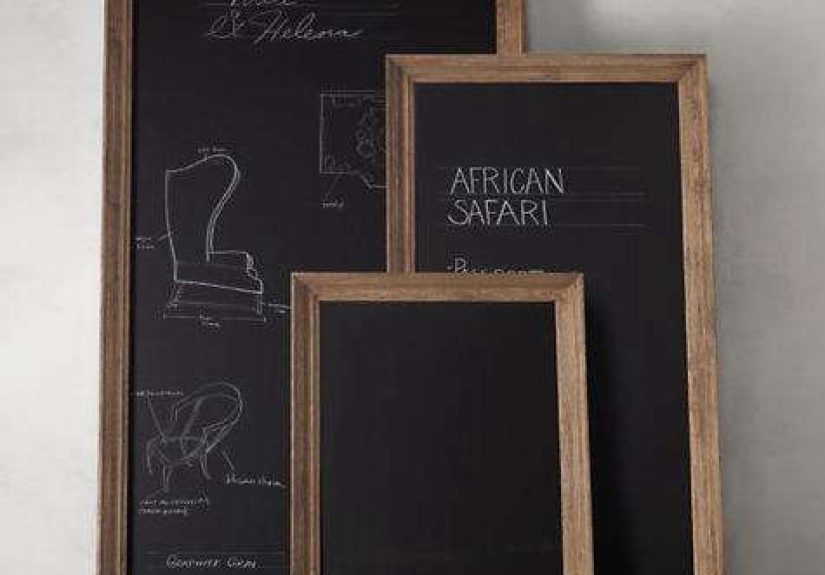
aestheticespecially when it leans into that vintage French schoolhouse vibe: a dark writing surface framed in warm, weathered wood.
Whether you’re chasing the look made popular by Restoration Hardware’s Marseilles-style framed boards (hello, richly grained weathered oak and
provincial-classroom energy) or you’re building a convincing DIY, this guide breaks down what makes the Marseilles chalkboard feel so “effortlessly
collected,” how to style it, how to actually use it without permanent ghosting, and how to keep it looking crisp long after your first enthusiastic
grocery list fades into legend.
What “Marseilles Chalkboard” Really Means (and Why It Works)
“Marseilles” in home decor isn’t just a geography lessonit’s shorthand for a French-leaning, old-world mood: bistro notes, schoolhouse nostalgia,
and the kind of weathered finish that looks better after living a little. The best Marseilles chalkboards borrow from classic French country design:
rustic materials with refined details. Think aged hardware, natural wood, collected vintage objects, and that relaxed-but-elevated feeling you get
from a kitchen that looks ready for both Tuesday leftovers and a candlelit dinner party.
The chalkboard earns its keep because it solves a modern problem (where did that appointment go? what are we eating? whose turn is it to pick up?)
with a low-tech tool that also happens to be attractive. In a world of glowing screens, a chalkboard is the rare “notification center” that doesn’t
buzz at you while you’re brushing your teeth.
Anatomy of a Marseilles Chalkboard
1) The frame: warm, substantial, and intentionally imperfect
The signature look is a thick wood frameoften described as weathered oak in Marseilles-style versionswhere the grain is part of the design.
It’s not trying to be sleek. It’s trying to look like it belonged somewhere charming and slightly drafty, where children learned cursive and the
teacher had Very Strong Opinions about posture.
2) The surface: matte, deep, and (ideally) easy to erase
The board itself is typically a traditional chalkboard surface or a painted panel. Matte is gorgeous, but it can be fussy: porous finishes can trap
pigment (especially liquid chalk), leading to ghosting. The key is knowing what you’re writing withand how to prep the surface.
3) Size and orientation: statement piece energy
Marseilles-style boards are often generously sized. Large examples have been described as big enough to function like a true communication hub
(one listing even notes a board around 8 feet wide by 4 feet tall, with a wide frame). The ability to hang it horizontally or vertically is
a huge win: landscape reads like a café menu; portrait feels like a dramatic “family rules” board (or a place to write “DO NOT FORGET THE THING”
in tall letters that stare into your soul).
Where a Marseilles Chalkboard Looks Best (and Works Hardest)
Entryway: the “drop zone” hero
Put it where everyone naturally passes. An entryway board can hold: keys reminder, “mail goes here,” weekly schedule, and the occasional
motivational phrase that you absolutely do not follow (but it’s the thought that counts).
- Best pairing: a small shelf or ledge for chalk/markers, plus hooks underneath for bags.
- Most useful layout: divide the board into sections“This Week,” “Groceries,” “Don’t Forget.”
Kitchen: menu board, shopping list, and peace treaty center
The kitchen is where Marseilles chalkboards become legendary. Use it as a rotating menu board (especially fun if you borrow bistro-style headings:
“Today,” “Soup,” “Sweet,” “Wine,” “Regrets”). It’s also a great place to track meals, prep tasks, and who promised to unload the dishwasher.
Home office: analog productivity without the doom-scroll
A chalkboard makes a surprisingly good “visible priorities” system. Put your top three tasks up there. Not twenty-three. Three. This is chalk,
not an epic poem.
Kids’ area: creative outlet that doesn’t require wall repairs
If you’re going to have spontaneous art, you might as well give it a designated stage. A framed board looks intentional even when the content is
“dinosaur wearing a hat” (modern art, frankly).
How to Use It Without Ruining It (Chalk, Markers, and the Ghosting Problem)
Step 1: Season (or prime) the board
If your chalkboard is newor newly paintedseason it. The idea is simple: cover the whole surface with chalk, then wipe it clean. This fills tiny
pores so your first message doesn’t become a permanent watermark of “BUY EGGS” for the rest of time.
- Use the side of a piece of white chalk (not the point).
- Rub vertically to cover everything, then rub horizontally for full coverage.
- Erase thoroughly, then wipe remaining dust with a soft cloth.
Step 2: Choose your writing tool like an adult (or at least like a person who dislikes scrubbing)
- Traditional chalk: easiest to erase, classic look, slightly dusty. Great for daily lists.
-
Liquid chalk markers: bright, precise, and gorgeous for headings or artbut they behave best on
non-porous surfaces. On porous boards (or rough finishes), they can stain or leave residue.
Practical rule: if your board feels super matte and slightly textured, treat liquid chalk like you’re handling red wine near a white couchpossible,
but only if you’re prepared to intervene quickly.
Step 3: Clean it the smart way
For everyday cleanup, a felt eraser or microfiber cloth is usually enough. For deeper cleaning (dust buildup, smudges, or ghosting),
use a slightly damp microfiber cloth. A mild vinegar-and-water mix can help with stubborn residue. Avoid harsh cleaners that can damage the finish
or leave streaks. Let the board dry fully before rewriting to keep your lines crisp.
How to fix chalk marker stains (without panic-shopping a replacement)
If liquid chalk leaves marks behind, try these in order:
- Water + cloth: gentle first pass.
- Rubbing alcohol: spot clean carefully (test a corner first).
- Vinegar + water: let sit briefly, then wipe clean.
- Magic eraser: for stubborn areaslight pressure.
- Chalkboard cleaner: if the board is delicate or the residue is persistent.
Styling a Marseilles Chalkboard Like You Meant It
Lean into French country cues
The Marseilles look thrives next to natural textures: wood beams, aged metal, honed stone, vintage objects, and warm lighting. If your kitchen has
open shelving, a chalkboard nearby feels like it belongsespecially with copper cookware, baskets, or collected ceramics.
Make it functional-first, pretty-second (it will still be pretty)
A blank board is beautiful, but a lived-in board is the whole point. Try a simple structure:
- Top line: “This Week” (appointments, deadlines, school events)
- Left side: groceries
- Right side: meal plan
- Bottom corner: a rotating quote (seasonal, funny, or mildly threateningyour house, your rules)
Use a “bistro header” to instantly elevate the vibe
Write headings like “Le Menu,” “Aujourd’hui,” or simply “Tonight.” Add a flourish. Pretend you own a charming café. The dishwasher will still be full,
but the board will look fantastic.
DIY Options: Get the Marseilles Look Without the Marseilles Price Tag
Option A: Build a framed chalkboard panel
Start with a smooth panel, paint it with chalkboard paint, and build a chunky frame around it. For application, a dense foam roller helps produce
an even finish. Plan on multiple thin coats, allow proper dry time between coats, and let the final surface cure before you condition it.
Option B: Turn an old mirror into a chalkboard
If you have a mirror in a thrifted frame, you can transform the glass into a chalkboard-like surface using primer and chalkboard spray paint.
The result is a sleek, wipeable surface that often plays nicer with chalk markers than porous painted boards.
Option C: Distress the frame for French-country character
Want that soft, matte, timeworn look on the wood? That’s where chalk paint (not chalkboard paint) comes in.
Chalk paint is designed for furniture and decor finishesgreat for giving the frame a velvety, vintage feel. You can even make DIY chalk paint
using household ingredients (like baking soda mixed into flat latex paint) to get that matte, old-world finish on a budget.
Quick clarification because the names are basically designed to confuse humanity:
chalkboard paint is for writing surfaces; chalk paint is for furniture-style finishes.
One becomes your message board. The other makes your frame look like it’s been in a French farmhouse for 80 years (in a good way).
Buying Checklist: What to Look For Before You Bring One Home
- Surface condition: check for deep scratches, stubborn ghosting, or uneven finish.
- Frame integrity: confirm corners are solid and not separating; heavy frames need to be stable.
- Hanging hardware: look for secure mounting pointsand plan to anchor properly into studs or use rated wall anchors.
- Orientation flexibility: bonus points if it can be hung horizontal or vertical to fit your space.
- Intended writing tool: if you love liquid chalk, favor smoother, less porous surfaces.
Why This Chalkboard Is More Than Decor
A Marseilles chalkboard isn’t just “a board you write on.” It’s a ritual maker. It turns planning into something visible and communal.
It’s where the household coordinates, jokes, and leaves tiny love notesplus the occasional passive-aggressive “PLEASE REPLACE THE TOILET PAPER”
that somehow counts as communication.
And because it’s beautiful, you’re more likely to use it. That’s the secret: good design nudges good habits. Or at least nudges you into buying eggs
before you’re eating cereal with a fork.
of Real-Life “Marseilles Chalkboard” Experiences
The first week we hung our Marseilles chalkboard, we swore it would be “strictly functional.” By day three, it had a menu written in fake bistro
handwriting (“Tonight: roasted chicken, salad, and an ambitious dessert we will absolutely abandon halfway through”). By day five, someone added a
tiny doodle of a baguette with sunglasses. The chalkboard had spoken: this household does not do “strictly functional.”
There’s a particular joy in writing a grocery list where everyone can see itmostly because it turns “we’re out of milk” into a public service
announcement instead of a surprise at 7:12 a.m. On Monday, it’s neat: MILK, EGGS, COFFEE. On Thursday, it becomes a lively document with
commentary“MILK (again??),” “COFFEE (non-negotiable),” and “LEMONS (for the thing you promised).” The board doesn’t judge. It just records history.
Hosting is where the chalkboard earns applause. One friend came over, saw “Welcome, Jess + Marco” at the top, and immediately acted like we were
running a boutique hotel. Another guest read the “Tonight’s Menu” section and asked if there were “pairings.” We paired the pasta with wine and the
dessert with denial. The chalkboard made it feel festive anyway.
In the mornings, it becomes a quiet coach. A simple “3 priorities today” list can keep your brain from bouncing around like a pinball. Some days it’s
noble“finish proposal, call mom, gym.” Other days it’s honest“laundry, emails, stop buying duplicate soy sauce.” Seeing it written down makes it
real, like a contract you signed with your future self (who will later try to renegotiate).
Kids treat it like a stage. One afternoon it’s a math problem; the next it’s a full theatrical poster: “TONIGHT ONLY: DRAGON SHOW.” The best part is
that you can erase the chaos without erasing the memorybecause you usually snap a quick photo before wiping it clean. The board becomes a rotating
gallery of the household’s small moments.
Even the mundane becomes nicer. “Trash night” written in big letters feels less like a chore and more like… a mildly dramatic reminder delivered by a
French headmaster. And when you finally wipe the board down and rewrite it fresh, there’s that satisfying resetlike making the bed, but for your
schedule. The Marseilles chalkboard doesn’t solve every problem. But it makes the daily ones feel a little more charmingand a lot more visible.