Table of Contents >> Show >> Hide
- What Is the Marais A56 Armchair?
- Why This Chair Still Looks Fresh
- Where the Marais A56 Armchair Works Best
- What the Chair Does Well
- The Trade-Offs You Should Know
- How to Style the Marais A56 Armchair
- Care and Maintenance
- Is the Marais A56 Armchair Worth It?
- Extended Experience: What Living With the Marais A56 Armchair Actually Feels Like
- Conclusion
If furniture had a cool older cousin who wore work boots to brunch and somehow still looked elegant, it would be the Marais A56 Armchair. This is not the kind of chair that begs for attention with velvet, fringe, or a dramatic personality disorder. Instead, it wins people over the old-fashioned way: by being useful, handsome, sturdy, and just a little bit French. That combination has kept it relevant for decades.
The Marais A56 Armchair belongs to the Tolix family of metal seating, and that heritage matters. The chair carries the industrial DNA of the famous Marais A chair, but adds arms and a more generous silhouette. The result is a seat that looks crisp and practical while feeling more welcoming than a standard café chair. In plain English: it still has the steel backbone, but it is less “sit up straight and finish your espresso” and more “stay a while, order dessert, maybe answer three emails.”
For homeowners, designers, and anyone trying to figure out whether this chair deserves a place at the table, the answer depends on what you value. If you want deep cushioning and sink-in softness, this is not your soulmate. If you want a design classic that works in kitchens, dining rooms, patios, studios, and creative offices without looking fussy, the Marais A56 Armchair makes a strong case for itself.
What Is the Marais A56 Armchair?
The Marais A56 Armchair is a metal armchair from the Tolix line, introduced in 1956 by Jean Pauchard as an armchair companion to the earlier Marais A chair. That origin story explains a lot about the design. It was never meant to be precious. It was meant to work hard. Terraces, cafés, kitchens, casual dining spaces, and commercial interiors all suit it because the chair was born from utility, not theatricality.
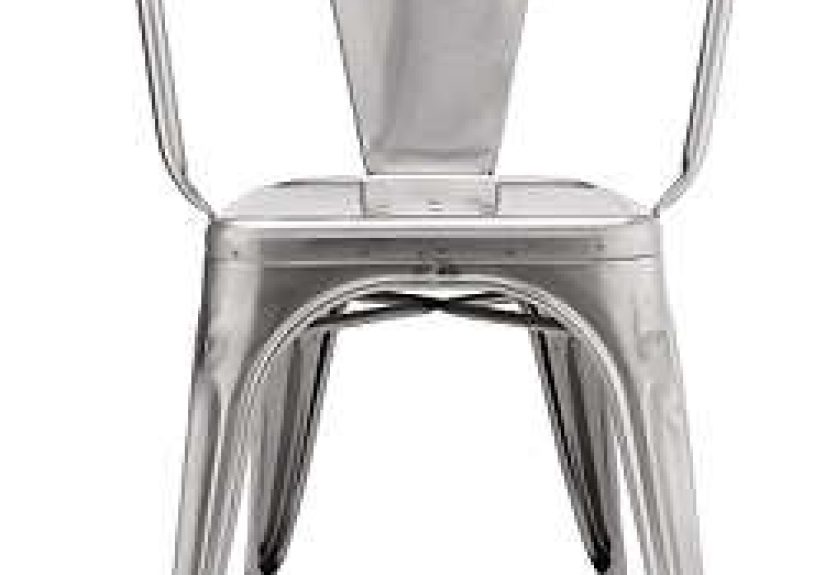
Its construction is part of the appeal. Authentic versions are made of steel and are known for their stackable form, practical floor glides, and finishes that range from painted or powder-coated looks to galvanized versions with a more industrial edge. The lines are clean, the body is compact, and the arms create a more anchored, comfortable presence than a side chair. Some recent listings also note a widened seat update to better match contemporary expectations of comfort, which is a welcome evolution in a world where people no longer think “slightly punishing” equals “designer.”
In size, the Marais A56 Armchair is generally compact enough to tuck under a dining table without feeling bulky. It usually lands around 29 inches high and roughly 20 inches wide and deep, which makes it easier to use in smaller homes than many upholstered armchairs. That footprint is a big part of its charm: it gives you the visual confidence of an armchair without swallowing the room whole.
Why This Chair Still Looks Fresh
It balances industry and elegance
Some industrial furniture leans so hard into the factory look that it can feel cold. The Marais A56 Armchair avoids that trap. Yes, it is steel. Yes, it has a utilitarian past. But the curved arms and softened profile keep it from reading like leftover restaurant seating in a sad, underlit corner. It has discipline without stiffness.
That is why the chair shows up comfortably in such a wide mix of interiors. In a farmhouse kitchen, it sharpens up reclaimed wood and softens overly rustic styling. In an urban loft, it feels right at home among concrete, brick, and black-framed glass. In a coastal or casual home, painted finishes can make it feel lighter and friendlier. The silhouette is simple enough to adapt, which is often the difference between a trend piece and a long-term keeper.
It adds texture without visual clutter
The Marais A56 Armchair has a strong presence, but it is not visually heavy. That matters in rooms where you want definition without a traffic jam of furniture legs, upholstery seams, and bulky cushions. A set of these chairs around a wood table creates contrast. One at the head of the table adds shape. A pair in a breakfast nook gives the area more intention without making it look staged for a catalog no one actually lives in.
It ages with character
One of the most appealing qualities of metal furniture is that it does not pretend to be pristine forever. On authentic Tolix pieces, small variations, surface markings, and a slightly worked-in feel are part of the aesthetic. This is a chair that can look more interesting with time, especially in the right setting. It does not beg you to panic over every tiny sign of life.
Where the Marais A56 Armchair Works Best
Dining rooms
This is probably the most natural home for the A56. It functions beautifully as a dining armchair, especially at the heads of a table or around a smaller round table where you want seating to feel intentional but not formal. Pair it with oak, walnut, marble, concrete, or even laminate if you are committed to the “cool and unbothered” look.
Kitchens and breakfast areas
Because it is compact and easy to wipe down, the Marais A56 Armchair is a practical choice for homes where meals are real, not decorative. Crumbs happen. Coffee spills happen. Tomato sauce occasionally enters a room like it owns the place. Metal is forgiving. That makes this chair especially useful in kitchens, breakfast corners, and family dining spaces.
Patios and covered outdoor spaces
The chair’s café roots make it a natural fit outdoors, especially in covered patios, terraces, and garden dining zones. Still, smart owners think about finish preservation. If you want the piece to age gracefully rather than dramatically, protecting it from constant soaking weather is a good move. Outdoor charm is wonderful. Outdoor neglect is less romantic.
Home offices and studios
For creative workspaces, the A56 can add structure and style without the corporate stiffness of a generic task chair. It works well as a guest chair at a desk, a pull-up seat in a studio, or a statement chair in a reading corner. It is especially effective in rooms where you want furniture to look edited and purposeful.
What the Chair Does Well
The Marais A56 Armchair excels in four big areas: durability, versatility, compact scale, and visual identity. It has a real point of view without overpowering other furniture. It is easy to mix with vintage pieces, modern lighting, rustic tables, and softer textiles. It is also a dependable choice for people who want one chair that can move across rooms and still make sense.
The arms are another important strength. Many metal dining chairs can look great but feel slightly too bare for lingering. The A56 solves part of that problem by giving the sitter a place to rest naturally. That small upgrade changes the chair’s mood from purely functional to pleasantly supportive.
The Trade-Offs You Should Know
Let’s be adults about this: steel is not upholstery. The Marais A56 Armchair is comfortable for what it is, but it is not trying to compete with a padded lounge chair. If your dinner parties routinely drift into three-hour storytelling marathons, you may want cushions. If you are highly sensitive to seat temperature, remember that metal responds to the surrounding environment. On a chilly morning, it knows. On a hot patio, it also knows.
You should also pay attention to authenticity if that matters to you. The world is full of “Tolix-style” seating, and some reproductions look decent from across the room but feel much lighter, cheaper, or less refined up close. If you care about craftsmanship, finish quality, and the design lineage itself, the original earns its price differently than a bargain imitation does.
How to Style the Marais A56 Armchair
With wood for warmth
One of the easiest ways to make this chair feel inviting is to pair it with natural wood. A rustic farmhouse table, a mid-tone walnut desk, or a pale oak breakfast table all soften the chair’s metal edge. This combination keeps the room from becoming too cold or too polished.
With textiles for comfort
A simple seat pad, slim cushion, or draped throw can completely change the vibe. This is especially useful if you want the chair indoors year-round. Textiles help bridge the gap between industrial and cozy without making the chair lose its identity. Think tailored, not overstuffed.
With color for personality
The A56 looks sharp in classic neutrals like white, black, graphite, or galvanized steel, but color is where it can get playful. Red, green, or blue versions can add a happy jolt to a neutral space. A row of painted metal chairs around a simple table says, “Yes, I appreciate design,” without shouting it through a megaphone.
With mixed chairs for a collected look
The Marais A56 Armchair is also great in a mismatched seating plan. Use two A56 armchairs at the ends of a table and simpler side chairs along the sides. The room feels more layered, more personal, and far less like you panic-bought an entire matching dining set on a Sunday night.
Care and Maintenance
This is one of the chair’s practical wins. Daily care is refreshingly low-drama. A soft cloth, mild cleaner, and common sense go a long way. Avoid abrasive scrubbing, especially if you want to protect the finish. For outdoor or damp environments, basic maintenance matters more. Dry the chair when needed, keep an eye on wear points, and do not treat “weather-resistant” as “indestructible.” Those are not the same sentence, even if marketing occasionally tries to make them sound married.
If you are buying vintage, inspect the finish, glides, and any signs of corrosion or repair. Vintage Tolix pieces can be wonderful, but condition shapes the experience. Some people want the patina. Others want the clean, almost-new look. Neither is wrong. Just know which camp you are in before money leaves your wallet.
Is the Marais A56 Armchair Worth It?
For the right buyer, absolutely. The Marais A56 Armchair is worth it if you want a design classic with real history, compact proportions, and the kind of flexibility that lets one piece live in multiple rooms over time. It is also worth it if you appreciate furniture that feels honest. This chair does not hide what it is. It is steel. It is stackable. It is useful. It looks better because of that, not in spite of it.
It may not be the best choice if your top priority is plush comfort or if your home leans heavily toward ornate traditional furniture. But in modern, transitional, industrial, eclectic, farmhouse, and indoor-outdoor spaces, it remains one of those rare pieces that can feel iconic without being exhausting.
The best way to describe the Marais A56 Armchair is this: it is the kind of furniture that makes a room feel smarter. Not louder. Not trendier. Smarter. And honestly, that is a pretty good talent for a chair.
Extended Experience: What Living With the Marais A56 Armchair Actually Feels Like
Living with the Marais A56 Armchair is a little different from living with softer, more apologetic furniture. This chair does not melt into the background. It quietly defines a space. When you walk into a room with one, you notice the outline first: the arms, the curve, the clean metal shape that somehow looks both vintage and modern at the same time. It gives a room a sense of direction, which is a fancy way of saying it makes even an ordinary breakfast table look like you had a plan all along.
In day-to-day use, the experience is practical in the best sense. Pulling the chair in and out is easy. Wiping it down after dinner takes seconds. It does not complain about muddy shoes, coffee drips, or a child using it as a launching pad for dramatic storytelling. It is the sort of chair that earns trust quickly because it does not feel fragile. That can be surprisingly calming in a home full of things you are constantly trying not to damage.
There is also something satisfying about the sound and feel of metal furniture that has been well made. The chair feels deliberate. It does not wobble around like a bargain piece pretending to be iconic. It has that reassuring, “I have survived cafés, studios, kitchens, and your questionable decision to host twelve people in a room built for six” energy. That matters more than people admit.
Comfort-wise, the chair lands in a very honest middle ground. It is supportive enough for a meal, a conversation, or a work session at the table, especially with the arms adding stability. Over time, many people end up adding a thin cushion, not because the chair fails, but because a little softness makes a good thing even better. The bonus is that the chair still looks sharp with or without the extra layer.
Visually, it is a gift to people who like rooms that feel collected. The A56 does not force you into one decorating script. It can lean industrial beside a concrete floor, warm up next to reclaimed wood, look playful in color, or feel surprisingly polished near marble and brass. That flexibility is probably the biggest lived experience advantage. You can move it from dining room to patio to office and it rarely looks confused.
And maybe that is the real charm of the Marais A56 Armchair. It is not trying to be the softest seat in the house or the loudest design statement on the block. It just keeps showing up, doing its job, and making everything around it look a little better. In furniture terms, that is close to star quality.
Conclusion
The Marais A56 Armchair has endured because it solves a design problem that never really goes away: how to make a chair feel stylish, durable, compact, and genuinely useful all at once. It brings the heritage of classic French metal seating into everyday rooms without feeling stuck in the past. That is a tough trick, and this chair pulls it off with very little drama.
If you want seating that is easy to live with, visually sharp, and rooted in real design history, the Marais A56 Armchair remains a compelling choice. It is proof that practical furniture does not have to be boring, and that industrial design can still have charm, wit, and plenty of staying power.