Table of Contents >> Show >> Hide
- What Is LA VIE RUSTIC Sel de Figues?
- The French Farmhouse Spirit Behind La Vie Rustic
- Why Fig and Sea Salt Work So Well Together
- How to Use LA VIE RUSTIC Sel de Figues
- Flavor Profile: What Does Sel de Figues Taste Like?
- Nutrition and Moderation: A Small Pinch Goes Far
- Best Food Pairings for LA VIE RUSTIC Sel de Figues
- Simple Recipe Ideas Using Sel de Figues
- How to Store Fig-Infused Sea Salt
- Who Should Buy LA VIE RUSTIC Sel de Figues?
- Experience Section: Cooking With LA VIE RUSTIC Sel de Figues
- Conclusion
Some pantry items are quiet. They sit in the cupboard, do their job, and never ask for applause. Then there are pantry items like LA VIE RUSTIC Sel de Figues, a fig-infused sea salt that walks into the kitchen wearing a linen apron and somehow makes pork roast, arugula salad, and chocolate ice cream feel like they just booked a weekend in Provence. Dramatic? Maybe. Delicious? Very likely.
LA VIE RUSTIC Sel de Figues is not ordinary table salt with a fancy French name taped to the jar. It is a specialty seasoning built around a simple but clever idea: combine coarse French sea salt with dried figs to create a blend that moves easily between savory and sweet dishes. The result is a pantry accent with charactersalty, fruity, rustic, slightly earthy, and surprisingly versatile.
This guide explores what LA VIE RUSTIC Sel de Figues is, why fig and sea salt make such a smart pairing, how to use it in everyday cooking, and what kind of meals benefit most from its sweet-savory personality. Think of it as a culinary field guide for a small jar with big dinner-party energy.
What Is LA VIE RUSTIC Sel de Figues?
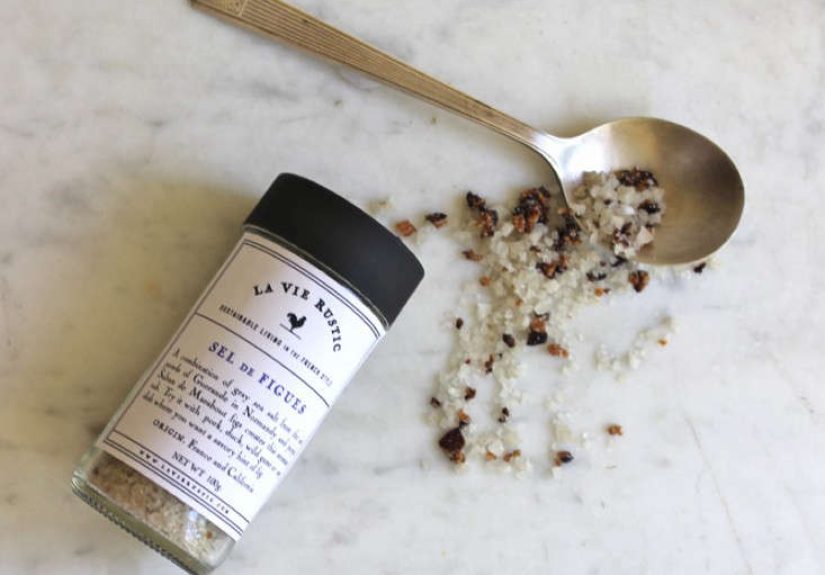
LA VIE RUSTIC Sel de Figues, also called Sel de Figue, is a fig and sea salt blend associated with La Vie Rustic, the French-inspired lifestyle and culinary brand connected to award-winning food writer Georgeanne Brennan. The product has been described as a combination of coarse Sel de Guérande and dried Sultan de Marabout figs, packaged as a 90-gram specialty seasoning.
In plain American kitchen language: it is a textured finishing salt and seasoning blend with dried fig pieces worked into the mix. The salt brings crunch and mineral depth. The figs add subtle sweetness, fruitiness, and a whisper of jammy richness. Together, they do something every good seasoning should do: make food taste more like itself, but with better manners and a nicer outfit.
What Makes the Blend Special?
The charm of Sel de Figues comes from contrast. Salt sharpens flavor. Figs soften it. Salt wakes up meats, vegetables, salads, and desserts. Figs add roundness, natural sweetness, and a faint honeyed note. Instead of tasting like “salt plus fruit,” the blend works more like a seasoning bridge between rich, tangy, smoky, bitter, and sweet ingredients.
This is why the blend makes sense with pork, duck, wild game, vinaigrettes, cheese plates, brownies, and even chocolate ice cream. Those dishes already love contrast. Sel de Figues simply shows up with the contrast pre-packed.
The French Farmhouse Spirit Behind La Vie Rustic
The La Vie Rustic philosophy is rooted in French country cooking: seasonal ingredients, practical techniques, garden-to-table thinking, and meals that feel relaxed rather than fussy. It is the opposite of food that needs tweezers, fog machines, and a chef whispering “conceptual.” This is food with mud on its boots, olive oil on the table, and friends leaning over the salad bowl asking for seconds.
LA VIE RUSTIC Sel de Figues fits neatly into that world. It is not a gadget. It is not a complicated sauce. It is a small seasoning that helps simple food become memorable. That is very French farmhouse: take a quality ingredient, use it thoughtfully, and let the flavor do the storytelling.
Why Fig and Sea Salt Work So Well Together
Figs are naturally generous. Fresh figs are soft, floral, and honeyed; dried figs are denser, chewier, and more concentrated. They can act like fruit, jam, or a savory accent depending on what you pair them with. That flexibility makes figs a favorite partner for strong cheeses, cured meats, roasted poultry, pork, nuts, balsamic vinegar, arugula, grains, and chocolate.
Salt, meanwhile, is the great flavor amplifier. Used correctly, it does not just make food salty; it clarifies flavor. It makes pork taste meatier, greens taste brighter, cheese taste deeper, and chocolate taste more chocolatey. When combined with dried fig, salt becomes less blunt and more layered.
The Sweet-Savory Balance
The best sweet-savory dishes work because neither side wins completely. Bacon-wrapped dates, prosciutto with melon, salted caramel, fig and goat cheese crostinithese combinations succeed because sweetness and saltiness keep nudging each other into balance. Sel de Figues plays the same game. It brings just enough fruit to make savory dishes warmer and just enough salt to keep sweet dishes from becoming sleepy.
The Texture Factor
Coarse sea salt also adds texture. That matters. A tiny crunch on roasted pork or a salad gives the mouth something to notice before the deeper flavors arrive. Used as a finishing salt, Sel de Figues can deliver little sparks of salt and fruit in the same bite. It is not meant to disappear completely like fine table salt. It is meant to be noticedpolitely, not like a cymbal crash.
How to Use LA VIE RUSTIC Sel de Figues
The easiest way to understand this seasoning is to think of it in three categories: meats, salads, and sweets. Once you get comfortable there, you can branch into vegetables, grains, cheese boards, and appetizers.
1. Use It as a Rub for Pork
Pork and figs are old friends. Pork has natural sweetness, especially when roasted or seared, and figs deepen that sweetness without turning the dish into dessert. Try rubbing a pork tenderloin or pork loin with olive oil, black pepper, minced rosemary, and a modest amount of Sel de Figues before roasting. The salt seasons the meat, while the fig adds a subtle fruit note that pairs beautifully with browned edges.
For a quick weeknight version, sear pork chops in a skillet, finish them with a splash of balsamic vinegar, and sprinkle a small pinch of Sel de Figues just before serving. Add roasted sweet potatoes or a bitter green salad, and suddenly Tuesday dinner has stopped wearing sweatpants.
2. Pair It With Duck or Game
Duck, venison, and other game meats often have bold, rich flavors that benefit from fruit. Fig works especially well because it is sweet but not loud. A little Sel de Figues can season duck breast after searing, or it can be added to a pan sauce with red wine, shallots, and a touch of vinegar. The goal is not to cover the meat; it is to round off the intensity and make the final bite feel complete.
3. Stir It Into Vinaigrette
One of the smartest uses for Sel de Figues is in vinaigrette. Instead of regular salt, whisk a small amount into olive oil, vinegar, Dijon mustard, and a touch of honey. The fig flavor supports peppery greens such as arugula, bitter leaves like radicchio, and creamy ingredients like goat cheese or feta.
A simple salad idea: arugula, sliced fresh figs or dried fig pieces, toasted walnuts, goat cheese, and a fig-salt vinaigrette. It tastes elegant, but it requires no culinary degreejust a bowl and the emotional strength not to eat all the goat cheese while assembling it.
4. Sprinkle It Over Cheese
Sel de Figues can make a cheese board feel more intentional. Try it with fresh goat cheese, aged cheddar, blue cheese, brie, or sheep’s milk cheeses. Add crackers, toasted nuts, honey, and sliced pears. The salt-fruit combination helps connect the creamy, nutty, tangy, and sweet elements on the board.
5. Finish Roasted Vegetables
Roasted carrots, butternut squash, beets, Brussels sprouts, and onions all work well with a fig-salt finish. These vegetables develop sweetness in the oven, and Sel de Figues adds a savory counterpoint. Use it at the end rather than at the beginning so the fig character remains distinct and the salt crystals keep some texture.
6. Add a Tiny Pinch to Chocolate Desserts
Chocolate loves salt. Dark chocolate especially benefits from a little mineral snap, and fig brings a fruit note that feels natural with cocoa. Try a tiny pinch over brownies, chocolate bark, chocolate ice cream, or a flourless chocolate cake. The key word is tiny. This is a finishing flourish, not a snowstorm.
Flavor Profile: What Does Sel de Figues Taste Like?
Expect a layered flavor rather than a single dramatic punch. The first impression is salty and mineral from the coarse sea salt. Then comes the dried fig: mellow, sweet, earthy, and slightly jammy. Depending on the bite, you may notice more salt or more fruit. That variation is part of the appeal.
Compared with plain finishing salt, Sel de Figues is warmer and more aromatic. Compared with a spice blend, it is quieter and more ingredient-focused. It does not try to taste like barbecue, curry, garlic, or chili. It tastes like salt that has taken a thoughtful walk through an orchard.
Nutrition and Moderation: A Small Pinch Goes Far
Because LA VIE RUSTIC Sel de Figues is still a salt-based seasoning, moderation matters. U.S. nutrition guidance generally recommends limiting sodium intake, especially for people monitoring blood pressure, heart health, or kidney health. A specialty salt can be part of a balanced kitchen, but it should be used intentionally rather than automatically.
The good news is that flavored finishing salts can help cooks use salt more mindfully. Because Sel de Figues has texture and flavor complexity, a small pinch at the end of cooking may feel more satisfying than a larger amount of ordinary salt stirred in without much thought. It is about impact, not volume.
Dried figs also bring natural sweetness, fiber, and minerals, but in this seasoning they are present in small amounts. In other words, Sel de Figues should be enjoyed as a flavor accent, not treated as a nutrition supplement. Your salad may feel more sophisticated, but the jar is not going to do your cardio for you.
Best Food Pairings for LA VIE RUSTIC Sel de Figues
Proteins
Pork loin, pork chops, duck breast, roasted chicken thighs, turkey, venison, lamb, and grilled sausages all pair well with fig salt. Use it before cooking for rubs, or after cooking as a finishing touch.
Vegetables
Try it with roasted carrots, squash, beets, eggplant, Brussels sprouts, grilled onions, or blistered green beans. It is especially good when the vegetables have caramelized edges.
Salads and Grains
Use Sel de Figues in vinaigrettes for arugula salads, farro bowls, lentil salads, couscous, quinoa, and wild rice dishes. It pairs well with walnuts, pecans, almonds, goat cheese, feta, blue cheese, and balsamic vinegar.
Desserts
Chocolate brownies, chocolate ice cream, vanilla gelato, caramel sauce, shortbread, and fruit tarts can all benefit from the occasional fig-salt sparkle. Start small and taste as you go.
Simple Recipe Ideas Using Sel de Figues
Fig-Salt Pork Tenderloin
Rub a pork tenderloin with olive oil, cracked black pepper, chopped rosemary, and a light sprinkle of LA VIE RUSTIC Sel de Figues. Roast until cooked through, rest the meat, then slice and finish with another tiny pinch. Serve with roasted carrots and a mustardy green salad.
Arugula, Goat Cheese, and Fig Vinaigrette Salad
Whisk olive oil, red wine vinegar, Dijon mustard, a little honey, black pepper, and Sel de Figues. Toss with arugula, toasted walnuts, goat cheese, and sliced figs or pears. This salad works as a starter, side dish, or “I forgot to plan dinner but still have standards” meal.
Chocolate Ice Cream With Fig Salt
Scoop good chocolate ice cream into a small bowl and finish with the tiniest pinch of Sel de Figues. Add toasted almonds if you want crunch. The salt sharpens the cocoa, while the fig note adds a subtle fruit finish.
How to Store Fig-Infused Sea Salt
Store Sel de Figues in a cool, dry place away from steam, sunlight, and strong odors. Because it contains dried fruit, keep the lid tightly sealed and avoid dipping in wet spoons or damp fingers. Moisture is the enemy of texture and shelf stability. If the salt clumps slightly, that may be natural for coarse sea salt, but keeping it dry will help preserve the best texture.
Who Should Buy LA VIE RUSTIC Sel de Figues?
This seasoning is a strong fit for home cooks who enjoy French-inspired food, cheese boards, roasted meats, seasonal salads, and pantry items with a story. It also makes sense as a small gift for cooks, hosts, food lovers, and anyone who already owns three kinds of olive oil and still says, “I’m very low-maintenance.”
It may not be the best choice for someone who wants a basic everyday salt for pasta water or baking. Sel de Figues is more of a finishing and accent seasoning. Use kosher salt or plain sea salt for general cooking, then bring out Sel de Figues when the dish needs a final note of rustic elegance.
Experience Section: Cooking With LA VIE RUSTIC Sel de Figues
The first time you use LA VIE RUSTIC Sel de Figues, the temptation is to overthink it. The name sounds elegant, the ingredients feel special, and suddenly you may find yourself standing in the kitchen as if a French grandmother is silently judging your cutting board. Relax. This seasoning is much friendlier than it sounds. The best experience begins with something simple, like a warm slice of roasted pork or a salad that needs a little personality.
On pork, Sel de Figues feels immediately at home. A plain pork tenderloin can be delicious, but it often needs help from herbs, acidity, fruit, or a sauce. A pinch of fig salt gives it that sweet-savory edge without forcing you to make chutney from scratch. The fig flavor is not loud; it does not turn the meat sugary. Instead, it creates the impression that the pork was cooked with more planning than actually happened. This is the kind of kitchen trick we respect.
In vinaigrette, the blend becomes even more interesting. Regular salt disappears into dressing, doing important work behind the scenes. Sel de Figues does that too, but it also leaves behind a soft fruitiness that makes bitter greens taste more rounded. Arugula becomes less sharp. Radicchio becomes less dramatic. Goat cheese becomes creamier by comparison. Add toasted walnuts and suddenly the salad tastes like something served at a small inn where the menu is handwritten and nobody is in a hurry.
The most surprising experience may be dessert. A tiny sprinkle over chocolate ice cream sounds like something you do only when guests are watching, but it actually works. The salt intensifies the chocolate, while the fig note adds a faint jam-like finish. The trick is restraint. Too much and you have salty ice cream, which is not a personality trait anyone asked for. Just a few grains can make a basic scoop feel more adult, more layered, and slightly mysterious.
What stands out most about Sel de Figues is how it encourages slower tasting. You notice texture. You notice contrast. You start thinking about whether a dish needs sweetness, acidity, richness, or crunch. That is the real value of a seasoning like this. It does not merely add flavor; it trains attention. It reminds a home cook that finishing touches matter. A salad can be fine, or it can be memorable. A pork roast can be good, or it can make people ask what you did differently.
After several uses, Sel de Figues begins to feel less like a specialty product and more like a quiet creative tool. It is not for every dish, and that is part of its charm. You reach for it when the food has room for fruit, salt, and a little rustic French attitude. Used thoughtfully, LA VIE RUSTIC Sel de Figues turns everyday cooking into something warmer, more personal, and just fancy enough to make dinner feel like an occasion.
Conclusion
LA VIE RUSTIC Sel de Figues is a small but memorable pantry ingredient that captures the beauty of French-inspired rustic cooking: simple elements, thoughtful pairing, and flavor that feels both practical and poetic. With coarse sea salt and dried figs, it offers a sweet-savory balance that works across roasted meats, vinaigrettes, cheese boards, vegetables, and chocolate desserts.
The best way to use it is with intention. Let plain salt handle the heavy lifting during cooking, then use Sel de Figues as the finishing detail that makes a dish feel complete. A pinch can add crunch, fruitiness, mineral depth, and a little “Where did you learn to cook like this?” magic. No passport required.
Note: This article is written for culinary and editorial purposes, based on publicly available product details and reputable U.S. food, cooking, and nutrition references. Always check the current product label for the most accurate ingredient, allergen, weight, and storage information.