Table of Contents >> Show >> Hide
- What Is the Kamado-San Donabe Rice Cooker?
- Why the Kamado-San Is Different from an Electric Rice Cooker
- The Magic of Iga-Yaki Clay
- How to Cook Rice in a Kamado-San Donabe
- What Kind of Rice Works Best?
- What Can You Cook Besides Plain Rice?
- Kamado-San Sizes: Which One Should You Buy?
- Care and Maintenance
- Pros and Cons of the Kamado-San Donabe Rice Cooker
- Who Should Buy the Kamado-San?
- Real-Life Experience: Cooking with a Kamado-San Donabe Rice Cooker
- Final Verdict
The Kamado-San Donabe Rice Cooker is what happens when rice decides it has had enough of being treated like a side dish and demands a proper stage. This Japanese clay pot rice cooker, made by Nagatani-en in Iga, Japan, is not electric, not programmable, and definitely not the kind of appliance that chirps at you like a tiny kitchen robot. Instead, it uses clay, heat, steam, and patience to turn simple grains into glossy, fragrant, deeply satisfying rice.
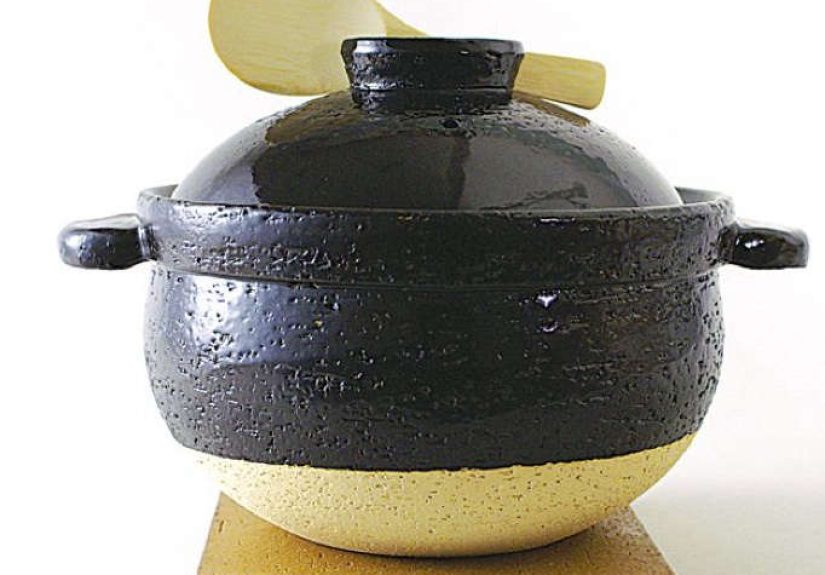
At first glance, the Kamado-San looks almost old-fashioned. It has a thick body, a domed outer lid, an inner lid, and a calm confidence that says, “Relax, I’ve been doing this longer than your countertop gadgets.” But behind that traditional appearance is a very clever design. The double-lid structure helps create a pressure-like cooking environment, while the porous Iga-yaki clay slowly builds and holds heat. The result is rice that tastes fuller, feels fluffier, and makes even a quiet Tuesday dinner feel slightly ceremonial.
This guide explains what the Kamado-San Donabe Rice Cooker is, why cooks love it, how it works, how to use it, how to care for it, and whether it deserves a spot in your kitchen. Spoiler: if you care about rice, the answer may involve clearing cabinet space.
What Is the Kamado-San Donabe Rice Cooker?
The Kamado-San is a traditional Japanese donabe designed specifically for cooking rice. A donabe is an earthenware clay pot used in Japanese cooking for hot pot, stews, soups, braises, and rice. The Kamado-San version is special because it was engineered to make rice easier and more consistent than a standard clay pot.
The name “Kamado” refers to a traditional Japanese stove, while “san” adds a friendly honorific. In other words, the pot is basically “Mr. Hearth,” which is adorable, practical, and a little more dignified than calling it “rice bowl with muscles.”
Nagatani-en, the maker of Kamado-San, has produced Iga-yaki pottery since the nineteenth century. Iga-yaki clay is famous for its heat resistance, porosity, and ability to hold warmth. That matters because rice does not simply need heat; it needs controlled heat, moisture, and a proper resting period. The Kamado-San gives rice all three without buttons, sensors, or a smartphone app that wants your email address.
Why the Kamado-San Is Different from an Electric Rice Cooker
An electric rice cooker is convenient. Add rice, add water, press a button, and go live your life. The Kamado-San asks for a bit more attention, but it gives something back: aroma, texture, table presence, and the satisfaction of cooking with your senses.
The biggest difference is how heat moves through the pot. Electric cookers use controlled heating plates and sensors. The Kamado-San uses a thick clay body that warms gradually, distributes heat gently, and continues cooking after the flame is turned off. This slow release of stored heat helps finish the rice during the resting stage, giving the grains a tender center and a pleasantly springy bite.
The double-lid system is another key feature. The inner lid sits close to the rice and helps manage steam. The outer lid seals in heat and adds weight. Together, they reduce boil-over and create a more stable cooking environment. That means you can cook rice over medium-high heat without constantly adjusting the flame like a nervous DJ remixing dinner.
The Magic of Iga-Yaki Clay
The Kamado-San is made from clay associated with the Iga region of Japan. This clay is known for its tiny pores, formed during firing, which help the pot heat slowly and retain warmth. In practical kitchen language, that means the pot does not attack rice with harsh heat. It warms up like a calm teacher, not a substitute gym coach.
That heat retention is especially useful for rice because the cooking process does not end when the flame goes off. The resting period is crucial. During that time, residual heat continues to steam the rice, moisture redistributes, and the grains settle into a fluffy structure. Skip the rest, and your rice may taste unfinished. Respect the rest, and your rice may suddenly act like it attended culinary school.
The clay body also gives the Kamado-San its rustic beauty. It is not glossy in the way a modern appliance is glossy. It looks handmade, earthy, substantial, and quietly elegant. Place it on the table, and it instantly changes the mood from “we cooked rice” to “dinner has arrived.”
How to Cook Rice in a Kamado-San Donabe
Cooking rice in a Kamado-San is simple once you understand the rhythm: rinse, soak, cook, rest, fluff. The process is not difficult, but it rewards consistency.
Step 1: Measure the Rice
Japanese rice cookers and donabe recipes often use a “rice cup,” which is about 180 milliliters, not the same as a standard U.S. measuring cup. This small detail matters. If you use U.S. cups without adjusting water, your rice may come out too wet or too dry, and then everyone blames the pot, which is unfair. The pot has feelings. Probably.
Step 2: Rinse the Rice
Place the rice in a bowl and rinse it gently with cool water. Swirl with your hand, drain, and repeat until the water becomes much less cloudy. You are not trying to polish the rice into jewelry; you are removing excess surface starch so the grains cook cleanly and do not become gluey.
Step 3: Soak Before Cooking
Short-grain Japanese rice benefits from soaking. A common method is to soak the rinsed rice in the measured cooking water for about 20 minutes. Soaking allows the grains to absorb moisture before heat enters the picture. This helps the rice cook evenly from center to edge.
Step 4: Set the Lids Properly
Place the inner lid and outer lid on the donabe. Many guides recommend positioning the steam holes so they are not aligned directly on top of each other. This helps steam circulate and supports the double-lid design. It is a small move, but it is one of those details that makes the Kamado-San feel like a tool created by people who truly cared about rice.
Step 5: Cook Over Medium-High Heat
Set the Kamado-San on a gas flame and cook over medium-high heat. Depending on the size of the pot and amount of rice, cooking often takes around 12 to 15 minutes. Steam will begin puffing from the lid near the end. Once steam is coming steadily, the rice is usually close to done.
Step 6: Turn Off the Heat and Rest
After cooking, turn off the flame and let the rice rest, still covered, for about 20 minutes. Do not peek. Seriously. The rice is not lonely. Opening the lid too early releases steam and interrupts the finishing stage. The Kamado-San’s retained heat continues to gently steam the rice, and this is where the final texture develops.
Step 7: Fluff and Serve
Use a rice paddle to gently fluff the rice from the bottom and sides. The goal is to release excess steam and separate the grains without crushing them. Serve directly from the donabe if you like. It keeps the rice warm and looks beautiful on the table.
What Kind of Rice Works Best?
The Kamado-San Donabe Rice Cooker shines with Japanese short-grain white rice. Koshihikari, Calrose, and other short- or medium-grain varieties work especially well because they have the right balance of starch, tenderness, and chew. The finished rice should be glossy, gently sticky, and easy to pick up with chopsticks.
You can also cook brown rice, mixed rice, and seasoned rice, but these may require different soaking times and water ratios. Brown rice generally needs more water and a longer soak. Mixed rice dishes, such as takikomi gohan, may include dashi, soy sauce, mushrooms, carrots, burdock root, chicken, or seafood. The Kamado-San handles these beautifully because the clay pot encourages even heat and deep flavor integration.
If plain white rice is the clean solo performance, mixed rice is the full band. Both are excellent; one just brings more instruments.
What Can You Cook Besides Plain Rice?
Although Kamado-San is designed for rice, it can do more than produce a perfect bowl of white grains. Remove the inner lid, and it can function more like a traditional donabe for soups, stews, and hot pot-style dishes. Its deep shape makes it especially useful for rice-based dishes, simmered meals, and small one-pot dinners.
Takikomi Gohan
Takikomi gohan is Japanese seasoned rice cooked with vegetables, mushrooms, seafood, or meat. The ingredients cook together with the rice, so every grain absorbs savory flavor. A simple version might include dashi, soy sauce, mirin, shiitake mushrooms, carrots, and chicken. The Kamado-San is ideal for this because it manages steam gently and finishes the rice with residual heat.
Seafood Rice
Fish, clams, shrimp, or scallops can be cooked with rice for a dramatic one-pot meal. The rice absorbs seafood juices while the donabe keeps the heat steady. A whole fish over rice is especially impressive, though it may cause guests to believe you are far more organized than you actually are.
Rice with Crispy Bottom
With careful timing, the Kamado-San can create a lightly crisped layer at the bottom called okoge. This toasted rice is nutty, fragrant, and highly snackable. It is also the part people pretend not to fight over while absolutely fighting over it spiritually.
Kamado-San Sizes: Which One Should You Buy?
The Kamado-San is available in multiple sizes, commonly ranging from small one-rice-cup models to larger versions for families or entertaining. The right size depends on how much rice you usually cook.
A one-cup size is suitable for one or two servings. A two-cup size works well for couples or small households. A three-cup size is one of the most versatile options because it can feed several people and handle mixed rice dishes comfortably. Larger sizes are useful if you cook for a family, meal prep, or frequently host dinners.
When in doubt, consider your real eating habits, not your fantasy dinner-party personality. If you usually cook for one, do not buy the giant pot because you imagine hosting poetic seasonal meals every weekend. Unless, of course, you actually do that. In that case, congratulations on being the main character.
Care and Maintenance
A Kamado-San is durable when treated properly, but it is still clay. That means it deserves a little care. Do not put it in the dishwasher. Wash it by hand with mild soap only when needed, rinse well, and let it dry completely before storing. Because the clay is porous, moisture can linger inside the body of the pot. Storing it while damp may lead to odors or mold.
Avoid sudden temperature shocks. Do not take a cold donabe and place it over aggressive high heat. Do not heat it empty unless the manufacturer specifically says a particular model can handle that. For the Kamado-San rice cooker, use it as intended: with rice and liquid inside.
Also avoid using it on incompatible heat sources. Traditional donabe are made for gas flame. Many are not designed for induction unless paired with special equipment. Always check the instructions for your model and stove type before cooking.
Pros and Cons of the Kamado-San Donabe Rice Cooker
Pros
The biggest advantage is rice quality. When used correctly, the Kamado-San produces rice with a beautiful texture: fluffy, glossy, tender, and aromatic. It also looks gorgeous on the table and brings a sense of ritual to cooking. The double-lid design helps reduce boil-over, and the thick clay body holds heat exceptionally well.
Another benefit is versatility. While rice is the main event, the pot can also handle mixed rice, soups, stews, and one-pot meals. It is also silent, non-electric, and built around traditional craftsmanship rather than planned obsolescence.
Cons
The Kamado-San is not as convenient as an electric rice cooker. You need to rinse, soak, watch the heat, and time the resting stage. It is also heavier and more fragile than metal cookware. Hand washing and full drying are required. If you want rice ready at 6:30 every morning with zero effort, an electric rice cooker may still be your breakfast hero.
Price is another consideration. A handcrafted Japanese clay rice cooker can cost more than basic electric models. But it is not trying to compete with the cheapest appliance on the shelf. It is for people who see rice as food worth caring about, not just a white background for teriyaki sauce.
Who Should Buy the Kamado-San?
The Kamado-San Donabe Rice Cooker is ideal for home cooks who appreciate Japanese cooking, love rice, and enjoy a hands-on kitchen routine. It is also a strong choice for people who already buy good rice and want to taste the difference that cooking method can make.
It may not be the best fit for someone who values maximum convenience above all else. If you want a timer, keep-warm function, and one-button operation, a quality electric rice cooker is easier. But if you enjoy cooking as a ritual and want rice that feels special, the Kamado-San is deeply rewarding.
Real-Life Experience: Cooking with a Kamado-San Donabe Rice Cooker
The first experience many people have with the Kamado-San is surprise. Not because it is hard to use, but because it changes the way you pay attention. With an electric rice cooker, rice disappears into a machine and returns as dinner. With the Kamado-San, you notice the rinse water turning cloudy, the quiet soak, the first whisper of steam, and the moment the pot begins to smell like warm grain and comfort.
The first batch may feel like a small performance. You measure the rice carefully, probably too carefully. You rinse it like you are handling treasure. You set the pot on the stove and stare at it as if steam will emerge faster through emotional support. Then, when the vapor finally puffs from the lid, there is a tiny thrill. It is not dramatic. No orchestra plays. But in a kitchen full of beeping devices, watching a clay pot do its work feels wonderfully human.
The resting period teaches patience. This may be the hardest part. The rice is cooked, the kitchen smells good, and the lid is right there. But opening too early is like leaving a movie before the final scene. Letting the Kamado-San sit covered for 20 minutes gives the rice time to finish properly. When you finally lift the lid, the steam rises in a soft cloud, and the grains look plump and glossy. It feels like the pot is saying, “See? I told you to wait.”
The texture is the real reward. Good Kamado-San rice has definition. The grains cling gently without becoming mush. Each bite has a soft surface and a subtle chew. Plain rice becomes interesting enough to eat on its own with a pinch of salt, a sheet of nori, or a spoonful of furikake. Add grilled salmon, miso soup, pickles, or a soft egg, and suddenly the meal feels complete without trying very hard.
Mixed rice is where the pot becomes especially fun. Cooking rice with dashi, mushrooms, carrots, and a little soy sauce creates a dish that tastes much more complex than the effort involved. The ingredients steam together, and the rice absorbs their flavor without becoming soggy. A few browned bits at the bottom can turn into the most desirable part of the meal. People may politely say, “You take it,” while secretly hoping you do not.
There is also an emotional side to using the Kamado-San. It slows dinner down in a good way. You cannot rush it too much. You cannot throw it in the dishwasher and forget it. You wash it, dry it, and store it carefully. Over time, the pot begins to feel less like equipment and more like a kitchen companion. That may sound dramatic for a rice cooker, but anyone who has favorite cookware understands. A great pot earns loyalty one meal at a time.
The Kamado-San is not perfect. It is heavy. It needs space. It can break if treated carelessly. On busy nights, an electric rice cooker may still win. But when you want rice that feels intentional, fragrant, and deeply comforting, the Kamado-San makes the process memorable. It turns a basic staple into the center of the table, which is exactly where good rice has always belonged.
Final Verdict
The Kamado-San Donabe Rice Cooker is not just a rice cooker. It is a traditional Japanese clay cooking vessel designed for people who believe rice deserves attention. Its double-lid system, Iga-yaki clay body, and excellent heat retention create rice with a texture and aroma that can make ordinary meals feel special.
It requires more care than an electric cooker, but that is part of the appeal. The Kamado-San invites you to cook with timing, observation, and patience. For rice lovers, Japanese food enthusiasts, and anyone who enjoys beautiful functional cookware, it is a worthy investment. For those who simply want rice with the least possible effort, it may feel like too much ceremony. But for everyone else, this humble clay pot may become the quiet star of the kitchen.