Table of Contents >> Show >> Hide
- The Supermarket Clue Italian Chefs Hunt For
- Why It Tastes Better: Texture, Starch, and “Sauce Hugs”
- Slow-Dried Pasta: The Other Half of the Secret
- Ingredients That Matter (And the Ones That Don’t)
- How to Spot the Good Stuff in 10 Seconds
- Pick the Right Shape for Your Sauce
- Cooking Like an Italian Chef (Even If You’re Wearing Sweatpants)
- Do You Have to Spend More?
- Common Mistakes That Make Great Pasta Feel Average
- So… Is Bronze-Die Pasta Always the Answer?
- Conclusion
- Extra: 7 Days of Bronze-Die Pasta Experiences (So You Can Taste the Difference)
Let’s be honest: the pasta aisle is a psychological experiment. There are 47 kinds of spaghetti, half of them “artisan,” and at least one box that looks like it was designed by a Renaissance painter with a side hustle in typography.
Meanwhile, you’re standing there holding a jar of marinara like it’s emotional support.
Here’s the good news: many Italian chefs aren’t buying “the fanciest pasta.” They’re buying the right kind. And it’s usually hiding in plain sightoften at a normal supermarket, not behind a velvet rope.
The type they reach for is bronze-die cut pasta (often labeled bronze cut or trafilata al bronzo), and yes, it makes a real difference in how your sauce clings, how your pasta feels, and how your dinner tastes.
Think of it like this: you can wear a perfectly good T-shirt. Or you can wear a perfectly good T-shirt that somehow makes you look like you slept eight hours and drink enough water. Bronze-die pasta is the “you look well-rested” version of dry pasta.
The Supermarket Clue Italian Chefs Hunt For
If you watch chefs shop for pasta, you’ll notice they aren’t seduced by shiny boxes and dramatic claims like “EXTRA ITALIAN.” They’re scanning for a few specific words and visual cues, starting with one big one:
bronze-die.
What “Bronze-Die Cut” Actually Means
Most dried pasta starts the same way: dough made from durum wheat semolina and water is pushed through a metal plate (a “die”) that shapes it into spaghetti, rigatoni, fusilli, and all the other carb vehicles we love.
The difference is what that die is made of.
A Teflon (or other slick) die lets dough slide through quickly. That’s great for high-speed productionand great if you’re a factory manager whose love language is “efficiency.”
But it tends to make pasta that’s smoother and shinier.
A bronze die is rougher and slower. It creates a pasta surface that’s more matte, slightly textured, and often described as “chalky” (in the best possible waylike fancy cheese, not like regret).
That texture is where the magic lives.
Why It Tastes Better: Texture, Starch, and “Sauce Hugs”
1) Rough Surface = Better Sauce Adhesion
Sauce doesn’t want to cling to a slick noodle. Sauce wants a little gripa little dramaa reason to commit.
Bronze-die pasta comes with tiny ridges and micro-scratches that give sauce something to hold onto, so every bite tastes more integrated.
Instead of “noodles next to sauce,” you get the classic Italian ideal: harmony.
2) Starchier Pasta Water = Easier, Glossier Sauces
Great pasta dishes aren’t just pasta + sauce; they’re an emulsion party. That starchy cooking water is the behind-the-scenes hero that helps sauces turn glossy and cohesiveespecially for classics like cacio e pepe, carbonara, and buttery lemony sauces.
Many cooks accidentally pour that superpower down the drain and then wonder why their sauce looks like it’s in an awkward long-distance relationship with their spaghetti.
With a better-textured pasta (and the right cooking technique), you can build a sauce that actually coats instead of slides.
3) Al Dente That Stays Al Dente
One reason chefs obsess over quality dried pasta: it has structure. When you cook it properly, it keeps that toothsome bite longer, doesn’t go from “perfect” to “mushy” in 45 seconds, and holds up when tossed in a hot pan with sauce.
In other words: it behaves like it respects you.
Slow-Dried Pasta: The Other Half of the Secret
Bronze-die pasta gets the headlines, but chefs will tell you there’s another factor that matters just as much: how the pasta is dried.
Many high-quality pastas are slow-dried at low temperatures. That slower process tends to preserve better structure and produces a noodle that cooks more evenly and tastes more like wheatnot like the memory of wheat.
Color Clues (Yes, You Can Judge Pasta by Its Cover)
You’ll often hear chefs say to look for pasta that’s pale yellow, sometimes with faint white streaks, rather than neon “corn-chip yellow.”
Bright yellow can be a sign of faster drying or processing choices that prioritize speed and shelf aesthetics over texture.
Is color a perfect indicator? No. Is it a surprisingly useful clue when you’re speed-reading boxes in a fluorescent aisle? Absolutely.
Ingredients That Matter (And the Ones That Don’t)
Keep It Simple: Durum Wheat Semolina + Water
For classic Italian dried pasta, the gold standard is still boring in the best way:
durum wheat semolina and water.
Durum wheat is prized because it has the protein and gluten strength to create that firm, elastic bite when cooked.
If you see a short ingredient list and the pasta looks slightly textured, you’re already on the right track.
(Fresh pasta is differentoften eggs, softer texture, different sauce pairingsbut that’s a separate delicious rabbit hole.)
What About “Enriched” Pasta?
In the U.S., many mainstream pastas are enriched with added vitamins and minerals. That’s not inherently “bad.”
But enrichment doesn’t guarantee great texture. If you’re chasing the chef-level experience, focus on texture, drying method, and wheat quality more than label buzzwords.
How to Spot the Good Stuff in 10 Seconds
Here’s a fast, practical checklist for buying pasta like an Italian chef (or at least like someone who’s trying very hard):
- Look for the words: “bronze die,” “bronze cut,” or “trafilata al bronzo.”
- Check the look: matte, slightly rough, “chalky” or texturednot smooth and glossy.
- Scan the ingredients: ideally durum wheat semolina + water (and maybe salt). Minimal extras.
- Hunt for drying cues: “slow dried” or “low-temperature drying” is a nice bonus.
- Peek at cook time: longer isn’t always “better,” but very short cook times can correlate with softer structure.
If you do nothing else, do this: avoid pasta that looks shiny if your goal is sauce-clinging, restaurant-style results.
Shiny often means the surface is too slick to grab sauce well.
Pick the Right Shape for Your Sauce
Italian cooking is full of “small rules that feel like big secrets,” and pasta shape pairing is one of them.
The right shape doesn’t just hold sauceit stages a whole performance.
Silky or Smooth Sauces
Think cacio e pepe, carbonara, lemon-butter, creamy tomato vodka sauce. These shine with shapes that let sauce coat evenly:
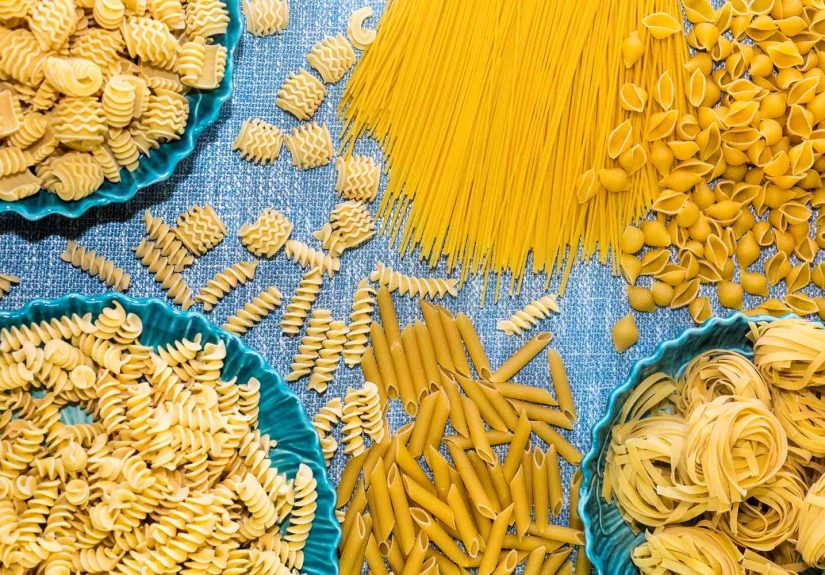
- Spaghetti / Spaghettoni (thicker can feel more luxurious)
- Bucatini (the hollow center is pure joy when it behaves)
- Rigatoni (ridged tubes = sauce inside and out)
Chunky Sauces and Ragù
When your sauce has piecesmeat, mushrooms, vegetablespick shapes with ridges, curves, and pockets:
- Rigatoni (again, because it’s talented)
- Penne rigate (ridged penne, not the slippery kind)
- Fusilli / Rotini (spirals that trap bits)
- Orecchiette (little “ears” that scoop greens and beans)
Pasta Salads and Baked Pasta
For pasta salad, you want shapes that hold dressing and don’t collapse into sadness after chilling:
fusilli, farfalle (if you enjoy a little chaos), and short tubes can work well.
For baked pasta, sturdier shapes that keep texture after oven time are your friends: rigatoni, ziti, and shells.
Cooking Like an Italian Chef (Even If You’re Wearing Sweatpants)
Buying better pasta is step one. Cooking it like it deserves is step two.
And step two is where most “my pasta is fine” becomes “wait… why is this actually incredible?”
Salt the Water Like You Mean It
Salt isn’t optional seasoningit’s the only chance to season the pasta itself. You don’t need to turn your pot into the ocean, but the water should taste pleasantly salty.
(If you’re nervous, start modest and adjust next time. Pasta is forgiving. Unlike group chats.)
Pull Early, Finish in Sauce
Restaurant pasta rarely goes: boil → drain → dump sauce on top.
More often it goes: boil until just shy of done → transfer into sauce → finish cooking together.
The trick is timing: start tasting early and pull the pasta about 1–2 minutes before the box says it’s done if you plan to finish it in sauce.
That last minute in the pan helps the sauce coat, tighten, and cling, and it gives you a more forgiving window to avoid overcooking.
Save the Pasta Water (This Is Your Sauce Insurance)
Before draining, scoop out a mug of that cloudy water. Add a splash to your sauce as you toss.
It helps emulsify fat and cheese, smooth out texture, and bring everything together so your pasta looks “restaurant glossy,” not “separated and confused.”
Do You Have to Spend More?
Not necessarily. Many chefs recommend mid-priced brands that are widely available at U.S. supermarketsespecially if they’re made with quality semolina and shaped through bronze dies.
You don’t need a $12 bag to get a serious upgrade. You need the right signals: texture, wheat, and process.
If you’re budgeting, reserve bronze-die pasta for the dishes where it really shines:
silky cheese-and-pepper sauces, simple tomato-basil, garlic-and-oil, pestoanything where the pasta is a main character, not just a background extra.
For a big pot of weeknight “feed everyone now” spaghetti, regular pasta still has a place. Even Italian chefs eat Tuesday dinner.
Common Mistakes That Make Great Pasta Feel Average
- Rinsing cooked pasta: unless you’re making pasta salad, rinsing washes away surface starch that helps sauce cling.
- Overcooking: once pasta crosses into mush territory, no sauce can save it. Taste early.
- Skipping the sauce-finishing step: tossing pasta in sauce for the last minute is where cohesion is born.
- Using zero pasta water: you don’t need a bucketjust a splash can transform texture.
- Picking a shape that fights your sauce: thin noodles with chunky sauce = sliding chaos.
So… Is Bronze-Die Pasta Always the Answer?
It’s the answer when you want your pasta to feel like it came from a place with a linen napkin budget.
Bronze-die pasta is especially worth it for:
simple sauces, emulsified cheese sauces, olive-oil-based sauces, and glossy tomato sauces.
But it’s not a moral test. If you’re making a giant pot of mac and cheese for a kids’ sleepover, nobody’s grading your die material.
The real “Italian chef” move is knowing when quality matters mostand then executing the basics well.
Conclusion
If you want a noticeable pasta upgrade without learning how to mill your own wheat or moving to a hillside in Abruzzo, start with one simple change:
buy bronze-die cut pasta.
Look for that matte, textured surface, favor simple ingredients, and cook it like a pro: salt the water, pull early, finish in sauce, and use pasta water like the secret ingredient it is.
Do that, and your “normal” weeknight pasta will start tasting suspiciously like someone charged you $24 for itwhich is the highest compliment a supermarket can receive.
Extra: 7 Days of Bronze-Die Pasta Experiences (So You Can Taste the Difference)
You don’t need a culinary degree to feel what bronze-die pasta changesyou just need a week of low-stakes, delicious experiments. Here’s a simple “experience plan” that turns the pasta aisle into a before-and-after story your taste buds can actually understand.
Day 1: The Two-Ingredient Test
Cook bronze-die spaghetti and toss it with nothing but olive oil and a pinch of salt. That’s it. No sauce to hide behind.
Pay attention to the chew and the wheat flavor. Good pasta tastes like wheatsubtle, warm, and a little nuttyrather than “neutral carbohydrate air.”
Day 2: The Tomato Coat Challenge
Make a quick tomato sauce (even jarred sauce warmed with garlic works). Toss the pasta in the sauce for a minute with a splash of pasta water.
Notice how the sauce clings instead of pooling at the bottom like a sad soup. The goal is a glossy coat, not a bath.
Day 3: Cacio e Pepe, the Drama Queen of Pasta
This is the sauce that exposes weak noodles and sloppy technique. Use bronze-die pasta (spaghetti, tonnarelli, or even rigatoni).
Save plenty of pasta water, then emulsify cheese and pepper off the heat. If it turns creamy and hugs the pasta, you’ll understand why chefs care about starch and texture.
If it clumps, congratulationsyou’ve discovered why Rome has trust issues.
Day 4: The “Sauce in the Tube” Moment
Use rigatoni with a smooth sauce like vodka sauce or a creamy pepper sauce. When you bite into a tube and sauce is insidelike it paid rent to live thereyou’ll see why ridges and roughness matter.
This is also a great day to learn that “rigatoni are just great” is not an opinion; it’s a life philosophy.
Day 5: The Pesto Pocket Experiment
Try a curly shape (fusilli) or a twisty one (gemelli). Toss with pesto and a spoonful of pasta water to loosen and spread it.
Good pasta acts like it was engineered to trap pesto in tiny crevices. Every forkful should taste like basil, garlic, and joynot like pesto slipped off at the last second.
Day 6: The Leftover Test
Cook a bit extra and reheat it the next day with a splash of water and sauce. Higher-quality pasta often holds structure better and stays pleasantly chewy instead of collapsing into softness.
It won’t be identical to fresh, but it should remain respectablelike it still has goals.
Day 7: The Side-by-Side Showdown
Finally, do the classic test: cook a standard “smooth and shiny” pasta and a bronze-die version in the same shape. Use the same sauce, same technique, same finishing step.
Compare how the sauce sticks, how the noodle feels, and how quickly each one goes from “al dente” to “why is this mushy?”
This is the moment most people stop thinking “pasta is pasta” and start thinking “okay, fine, I get it.”
After a week, you’ll have your own internal compass for what’s worth buying. The best part? None of these tests require special toolsjust attention.
And once you learn what to look for, you’ll be able to walk into almost any supermarket, scan the shelf, and pick a pasta that makes your sauce look like it’s living its best life.