Table of Contents >> Show >> Hide
- What “Keto-Friendly” Actually Means (So We Don’t Argue With a Spoon)
- Cottage Cheese Nutrition: Why It’s “Keto-ish” (and Not Just “Cheese”)
- Full-Fat vs Low-Fat vs Nonfat: Which Cottage Cheese Is Best for Keto?
- The Two Cottage Cheese Traps That Kick People Out of Keto (Quietly)
- How to Fit Cottage Cheese Into Your Keto Macros (Without Guessing)
- Sodium: The Cottage Cheese “Plot Twist” Nobody Mentions Until Their Fingers Feel Puffed
- Lactose and Digestion: Why Cottage Cheese Can Feel Different Than Other Cheeses
- So… Is Cottage Cheese Keto-Friendly? A Simple Checklist
- How to Eat Cottage Cheese on Keto (Without Making It Boring)
- Cottage Cheese vs Other Keto Dairy Options
- Bottom Line
- Real-Life Experiences: What Keto Eaters Commonly Discover About Cottage Cheese (500+ Words)
Keto is the land of bacon, butter, and “wait, that has carbs?!” moments. So where does cottage cheese land:
keto MVP… or undercover carb ninja?
Here’s the honest answer: cottage cheese can be keto-friendlybut it depends on the
type, the serving size, and your daily carb target.
In other words, it’s not “keto yes” or “keto no.” It’s “keto… do the math.”
What “Keto-Friendly” Actually Means (So We Don’t Argue With a Spoon)
A ketogenic diet is typically very low in carbs, moderate in protein, and higher in fatdesigned to help your body
shift into ketosis (burning fat for fuel instead of relying on glucose).
Most keto plans keep carbs very low
Many people aim for roughly 20–50 grams of carbs per day (often discussed as net carbs, depending on your approach).
If you’re staying near the lower end, even “small” carb sources can add up fast.
Net carbs vs total carbs (quick and painless)
Total carbs = everything listed under “Total Carbohydrate.”
Net carbs = total carbs − fiber (and sometimes sugar alcohols, depending on your tracking style).
Here’s the twist: cottage cheese typically has little to no fiber. So for most cottage cheese,
net carbs are basically the same as total carbs. (Yes, your tracking app is going to be annoyingly right.)
Cottage Cheese Nutrition: Why It’s “Keto-ish” (and Not Just “Cheese”)
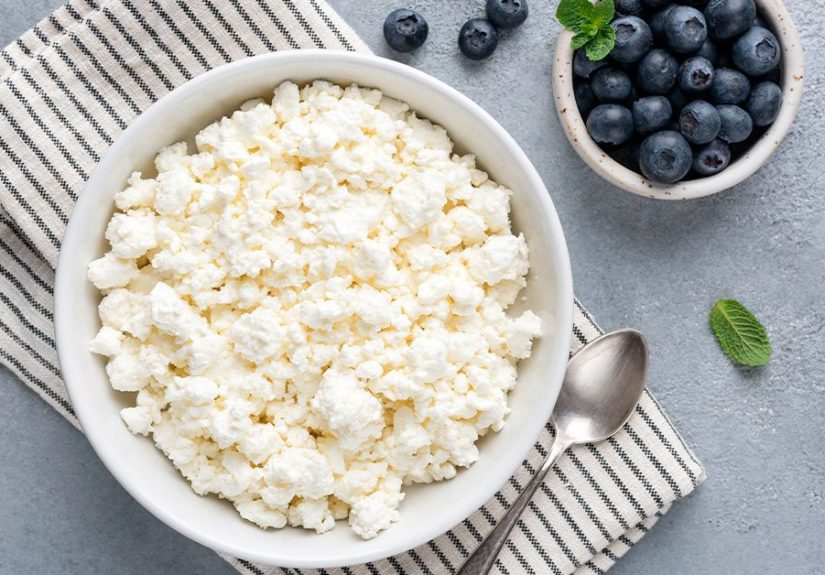
Cottage cheese is a fresh cheese made from curds. Unlike aged cheeses (cheddar, Parmesan, etc.), it usually retains
more milk sugarsmostly lactose. That’s the main reason cottage cheese has more carbs than, say,
a dramatic wedge of cheddar.
Typical macros: the carb range matters
Depending on brand and fat level, a 1/2-cup serving commonly lands around
4–6 grams of carbs (with plenty of protein). Some varieties can be lower; others can creep higher,
especially if they’re flavored or include mix-ins.
Translation: cottage cheese isn’t “free” on ketobut it can fit, especially if it helps you stay full and satisfied.
Keto-friendly foods aren’t only about carbs; they’re also about what helps you stick to your plan without feeling like a sad houseplant.
Full-Fat vs Low-Fat vs Nonfat: Which Cottage Cheese Is Best for Keto?
If keto had a dating profile, it would say: “Seeking: fat. Must love fat. No flakes.” So generally speaking,
full-fat cottage cheese tends to play nicer with keto goals than low-fat or nonfat versions.
Why full-fat often wins on keto
- Better satiety: Fat slows digestion, which can help you feel full longeruseful when the office donut box is auditioning for your attention.
- More keto-aligned macros: Keto typically skews higher in fat, moderate in protein.
- Often fewer “weird add-ons”: Not always, but some reduced-fat products compensate with thickeners or added ingredients.
That said, low-fat cottage cheese can still be keto-friendly if the carb count fits your day.
Some people prefer the higher protein-to-calorie ratio, especially if they’re doing a higher-protein keto style.
The Two Cottage Cheese Traps That Kick People Out of Keto (Quietly)
Trap #1: “Flavored” or “Fruit-on-the-Bottom” varieties
Plain cottage cheese is usually your best bet. But once it’s “pineapple bliss” or “strawberry swirl,” the carbs can jump
because added sugars have entered the chat.
Keto tip: if you want sweet, buy plain and add your own keto-friendly flavor (cinnamon, vanilla extract,
a few berries, or a low-carb sweetener you tolerate well).
Trap #2: The “I’ll just eyeball it” serving size
Cottage cheese is one of those foods that’s easy to eat straight from the tubuntil you realize your “little snack”
was actually two servings. (Congratulations, you’ve accidentally done cottage cheese bulk.)
If your tub says 1/2 cup per serving, try measuring once or twice. Not forever. Just long enough to learn what 1/2 cup
looks like in your favorite bowl. Then you can go back to being a free-range adult.
How to Fit Cottage Cheese Into Your Keto Macros (Without Guessing)
Use your daily carb budget like a grown-up (or at least like someone with a calculator)
Let’s say you aim for 20g net carbs/day (common for stricter keto).
If your cottage cheese has 5g carbs per 1/2 cup, that’s 25% of your entire day
in a few spoonfuls. Totally doableif the rest of your day is low-carb vegetables, proteins, and fats.
Less doable if your day also includes “just one handful” of cashews (aka 47 handfuls).
A practical keto portion guide
- Strict keto: Start with 1/4 to 1/2 cup, track it, and see how your body responds.
- Moderate low-carb/keto-ish: 1/2 to 1 cup may fit more easily, depending on the rest of your carbs.
- Best rule: Let the nutrition label decide, not your optimism.
Sodium: The Cottage Cheese “Plot Twist” Nobody Mentions Until Their Fingers Feel Puffed
Many cottage cheeses are surprisingly high in sodium. That’s not automatically “bad,” but it matters if you’re watching sodium
for blood pressure, kidney concerns, or you simply don’t enjoy feeling like a human water balloon.
What to do about it
- Look for “low sodium” or “no salt added” options if sodium is a concern.
- Compare brandssodium can vary a lot.
- Balance the day: if your cottage cheese is salty, keep the rest of your meals less salty.
Keto note: Some people actually need more electrolytes on keto (especially early on), but “electrolytes”
doesn’t mean “eat salty everything forever.” It means be intentionallike an adult, but with more bacon.
Lactose and Digestion: Why Cottage Cheese Can Feel Different Than Other Cheeses
The carbs in cottage cheese mostly come from lactose (milk sugar). Aged cheeses usually have less lactose,
which is why they’re often lower-carb and easier for some people to digest.
If dairy bothers you
- If you’re lactose intolerant, cottage cheese may cause symptoms depending on the brand and your tolerance.
- Some people do better with lactose-free cottage cheese options.
- If you suspect dairy sensitivity (not just lactose), symptoms may still happen due to milk proteins, not sugar.
Keto-friendly doesn’t just mean “fits your macros.” It also means “doesn’t make you regret your life choices at 2 a.m.”
So… Is Cottage Cheese Keto-Friendly? A Simple Checklist
Yes, cottage cheese is keto-friendly if:
- You choose plain (not sweetened/flavored) varieties.
- You prefer full-fat when it helps satiety and fits your goals.
- You keep portions aligned with your carb target (often 1/4–1/2 cup on stricter keto).
- You check the label for carbs, added sugars, and sodium.
It might not be your best keto choice if:
- You’re doing very strict keto and prefer to “spend” carbs on vegetables.
- You notice it triggers cravings (some people find dairy does).
- You need to limit sodium and can’t find a low-sodium option you like.
- You’re sensitive to lactose or dairy proteins.
How to Eat Cottage Cheese on Keto (Without Making It Boring)
Plain cottage cheese has “blank canvas” energy. Here are keto-friendly ways to make it taste like you triedwithout actually trying too hard.
Savory keto cottage cheese ideas
- Everything bagel seasoning + cucumber slices (crunchy, salty, satisfying)
- Whip/blend it with herbs and garlic for a high-protein “dip”
- Hot sauce + chopped tomatoes (if you like a little chaos)
- Smoked salmon + dill for a fancy snack that takes 30 seconds
- Avocado + lime + salt (creamy meets creamysomehow it works)
Sweet-ish keto cottage cheese ideas (still low-carb)
- Cinnamon + vanilla extract (dessert vibes, minimal carbs)
- A few berries (measure themberries are friendly, not magical)
- Unsweetened cocoa + sweetener for a “chocolate cheesecake” mood
Cottage Cheese vs Other Keto Dairy Options
If you’re choosing dairy specifically for keto, cottage cheese sits in the “moderate-carb, high-protein” lane.
Here’s how it compares in spirit (and sometimes in labels):
- Aged cheeses (cheddar, Parmesan, Swiss): Usually very low carb. More “keto classic.”
- Greek yogurt: Higher protein but can have more carbs than you expect. Plain is best; portion control matters.
- Heavy cream: Very low carb, high fat, easy to overdo calories. Delicious. Dangerous. Respect it.
- Cottage cheese: Great protein, moderate carbs, versatileespecially if you like both sweet and savory.
Bottom Line
Yescottage cheese can be keto-friendly. It’s not the lowest-carb cheese on the planet, but it can absolutely fit
into a keto lifestyle when you pick plain, consider full-fat, and keep an eye on portion size.
The best keto plan isn’t the one with the strictest rulesit’s the one you can follow without feeling miserable.
If cottage cheese helps you hit protein goals, avoid random snack attacks, and enjoy your food, it can be a smart addition to your keto menu.
Real-Life Experiences: What Keto Eaters Commonly Discover About Cottage Cheese (500+ Words)
If you’ve ever typed “is cottage cheese keto friendly” into a search bar while holding a spoon like a tiny dairy microphone,
you’re not alone. Cottage cheese tends to create a very specific kind of keto anxiety: it feels like a safe food,
but the label has carbs, and keto people don’t like surprises.
One common experience is the “first-week keto reset.” Early on, many keto beginners go ultra strictmeat, eggs, leafy greens,
and a suspicious stare at anything white and creamy. Cottage cheese gets lumped into the “probably a trap” category, right beside
flavored yogurt and that one protein bar that tastes like brownies and betrayal. Then someone actually reads the nutrition label and realizes:
plain cottage cheese isn’t a sugar bomb. It’s usually just a few grams of lactose-based carbs paired with a lot of protein.
That discovery often turns cottage cheese into a “controlled portion” staple.
Another very real pattern: people learn quickly that fat level changes how satisfying it feels.
Some keto eaters try nonfat cottage cheese because it looks “healthier” (a leftover habit from the low-fat era),
only to notice they’re hungry again approximately seven minutes later. Switching to 4% (full-fat) cottage cheese can feel
like flipping on the “satisfaction” switchsame general carb range, but a more keto-aligned macro vibe. Not everyone prefers it,
but many find the fuller mouthfeel makes it easier to stop at a measured serving instead of circling back for “just one more bite”
five times.
Then there’s the “cottage cheese makeover phase,” where boredom becomes the enemy and creativity saves the day.
A lot of keto folks discover that blending or whipping cottage cheese changes everything. It goes from curds-in-a-bowl to a smooth,
spreadable base that can act like a high-protein substitute for sour cream dips, creamy sauces, or even a quick “keto cheesecake” bowl.
People commonly report that once cottage cheese becomes an ingredient instead of just a snack, it’s much easier to keep it keto-friendly
because you’re using smaller amounts in a bigger recipelike adding a scoop to a dip, or using it as a base for a savory bowl with cucumber,
herbs, and smoked salmon.
A funny (and slightly dramatic) lesson many learn: flavored cottage cheese is a different species.
Someone buys “strawberry” thinking it’s basically the same thing, then realizes the carbs jumped because added sugars moved in.
That moment usually creates a lifelong habit: plain first, flavor it yourself. Cinnamon, vanilla, a few berries, sugar-free sweeteners,
or cocoa powder become the go-to fixesbecause you control the carbs and you still get dessert vibes.
Finally, there’s the sodium discovery. Plenty of keto eaters feel great adding cottage cheeseuntil they compare labels and see how much sodium
some brands pack into a half-cup. The common adjustment is simple: they either pick a lower-sodium brand, reduce salty foods elsewhere in the day,
or reserve regular cottage cheese for days when they’re not also stacking bacon, deli meat, and pickles like it’s a salty food Olympics.
The shared takeaway from these experiences is refreshingly practical: cottage cheese works best on keto when you treat it like a tool,
not a loophole. Measure once, learn your brand, choose plain, and build it into meals that make keto feel doable. Because the real keto win
isn’t “never eating carbs again.” It’s finding foods you actually enjoywithout blowing your carb budget before lunch.