Table of Contents >> Show >> Hide
- The quick answer (and why it matters)
- What “blood in the urine” actually means
- Common causes of blood in the urine (hematuria)
- So where does hyperthyroidism fit in?
- Indirect connection #1: Hyperthyroidism can cause urinary frequency (not bleeding)
- Indirect connection #2: Atrial fibrillation, blood thinners, and bleeding risk
- Indirect connection #3: Rare “look-alikes” (dark urine that isn’t hematuria)
- Indirect connection #4: “Thyroid-adjacent” confusion (hyperparathyroidism vs hyperthyroidism)
- How doctors evaluate blood in the urine
- When blood in the urine is an urgent problem
- If you suspect hyperthyroidism and also notice blood in urine
- Conclusion
- Experiences and real-world lessons (the “I didn’t expect this” section)
- 1) The “I have hyperthyroidism, so everything must be my thyroid” experience
- 2) The beet incident (a.k.a. “I thought I was dying, but it was salad”)
- 3) The “I’m on a blood thinner now, and my body is snitching” experience
- 4) The UTI that masquerades as “thyroid anxiety”
- 5) The “two problems at once” plot twist
Let’s start with a small but important truth: your urine should not look like a rosé. If you see pink, red, or cola-colored pee (or your lab report says “hematuria”), it’s normal to feel alarmedand it’s smart to get it checked.
Now the big question: is blood in the urine a symptom of hyperthyroidism (an overactive thyroid)? In most cases, no. Hyperthyroidism can make you sweat, shake, and speed-walk through life like you’re late for a meeting you didn’t schedulebut blood in the urine usually points to something happening in the urinary tract, not the thyroid.
Still, bodies love plot twists. There are a few ways hyperthyroidism can overlap with urinary symptoms or indirectly raise the odds of urinary issues. Let’s break it down clearly, without panic, and with just enough humor to keep your cortisol levels from auditioning for the Olympics.
The quick answer (and why it matters)
Blood in the urine (hematuria) is not a classic or expected symptom of hyperthyroidism. When clinicians list the usual hyperthyroidism symptoms, hematuria isn’t on the VIP list.
What hyperthyroidism typically looks like
Hyperthyroidism happens when your thyroid releases too much thyroid hormone, which speeds up many body processes. Common symptoms can include:
- Fast or irregular heartbeat (palpitations)
- Feeling hot, sweating more than usual
- Tremor, nervousness, anxiety, irritability
- Weight loss even with a normal or bigger appetite
- More frequent bowel movements or diarrhea
- Sleep trouble and fatigue
- Muscle weakness (often upper arms/thighs)
If you have hyperthyroidism and notice blood in your urine, the safest assumption is:
something else needs attention. The thyroid may be part of your overall health picture, but hematuria deserves its own investigation.
What “blood in the urine” actually means
“Hematuria” simply means red blood cells are present in urine. There are two main types:
- Gross hematuria: you can see it. The urine may appear pink, red, or brownish.
- Microscopic hematuria: you can’t see it, but a urine test detects red blood cells.
Not all red urine is blood
Before you spiral, know that urine color can change for reasons that have nothing to do with bleeding. A few classic “false alarms” include:
- Foods (beets are famous for this)
- Food dyes
- Some medications
- Dehydration (which can make urine look darker and more intense)
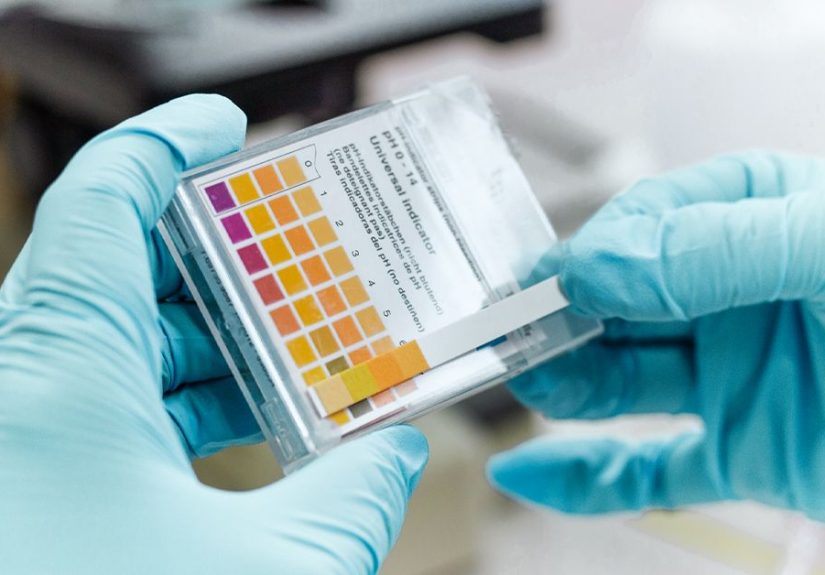
Here’s the catch: you can’t reliably “eyeball” your way to a diagnosis. If urine looks red or brown, a simple urinalysis can help confirm whether red blood cells are present.
Common causes of blood in the urine (hematuria)
Think of hematuria as a smoke alarm: sometimes it’s burnt toast, sometimes it’s a real fire. Common causes include:
1) Urinary tract infection (UTI)
UTIs can irritate the bladder and urethra and cause bleeding. You might also notice burning with urination, urgency, frequency, or pelvic discomfort.
2) Kidney stones or bladder stones
Stones can scratch and inflame the urinary tract lining. Hematuria may come with sharp flank pain, nausea, or pain that radiates toward the groin.
3) Enlarged prostate (in many older men)
An enlarged prostate can contribute to urinary symptoms and sometimes hematuria. You may notice weak stream, hesitancy, or more nighttime urination.
4) Kidney disease or inflammation
Some kidney conditions can cause microscopic hematuria discovered on lab tests, sometimes alongside protein in the urine or high blood pressure.
5) Vigorous exercise
Yes, exercise can sometimes cause temporary hematuriaespecially intense or prolonged activity. Still, it’s a diagnosis you land on after you rule out more serious causes.
6) Cancer (bladder, kidney, or other urinary tract cancers)
Hematuria can be an early sign of urinary tract cancers, especially in older adults and people with risk factors like smoking. This is why medical evaluation matters even if you feel fine.
Bottom line: hematuria has many possible causes. Most aren’t life-threatening, but some are time-sensitiveso it’s worth getting clarity.
So where does hyperthyroidism fit in?
Here’s the honest answer: hyperthyroidism usually doesn’t directly cause hematuria. But it can be connected indirectly in a few scenarioslike an annoying cameo appearance in a movie that wasn’t supposed to have a crossover episode.
Indirect connection #1: Hyperthyroidism can cause urinary frequency (not bleeding)
Some people with an overactive thyroid report peeing more often, thirst, or symptoms that resemble overactive bladder. That’s a urination pattern change, not typically blood in the urine. Still, if you’re already running to the bathroom more often, you may notice other urinary symptoms sooner.
Indirect connection #2: Atrial fibrillation, blood thinners, and bleeding risk
Hyperthyroidism can raise the risk of heart rhythm problems like atrial fibrillation. Some people with atrial fibrillation take anticoagulants (“blood thinners”) to reduce stroke risk.
Anticoagulants can increase bleeding risk anywhere in the bodyincluding the urinary tract. If someone has an underlying urinary issue (like a stone, infection, or bladder irritation), blood thinners may make bleeding more noticeable. Also, thyroid status can influence how strongly warfarin works in the body, which can complicate dosing for some patients.
Indirect connection #3: Rare “look-alikes” (dark urine that isn’t hematuria)
In uncommon situations, a person may have dark urine from myoglobin (from muscle breakdown) rather than red blood cells. This can show up as cola-colored urine and can be mistaken for hematuria. It’s not a typical hyperthyroidism presentation, but unusual medical situations do existespecially when multiple factors are involved (medications, dehydration, intense activity, illness).
Indirect connection #4: “Thyroid-adjacent” confusion (hyperparathyroidism vs hyperthyroidism)
People sometimes mix up hyperthyroidism and hyperparathyroidism. They’re not the same condition.
Hyperparathyroidism can cause high calcium levels and increase kidney stone risk, which can lead to hematuria. Hyperthyroidism can affect bone metabolism too, but when stones and calcium issues enter the chat, clinicians often consider parathyroid disorders as a more direct culprit than an overactive thyroid.
How doctors evaluate blood in the urine
A good evaluation is less “guess-and-check” and more “evidence-and-logic.” Common steps include:
Step 1: Confirm whether it’s truly hematuria
- Urinalysis to check for red blood cells
- Sometimes a repeat urinalysis if results are borderline or contaminated
Step 2: Look for common causes first
- Urine culture if infection is suspected
- Assessment for stones, symptoms, hydration status, recent exercise, and medications
Step 3: Risk-based evaluation (especially in adults)
Depending on your age, medical history, smoking history, and whether the blood is visible, clinicians may recommend imaging of the kidneys/urinary tract and a bladder exam with a camera (cystoscopy). This isn’t to scare youit’s to avoid missing treatable causes.
What this means if you also have thyroid disease
Mention your thyroid diagnosis and medications, but don’t let it distract from the main point: hematuria deserves a standard hematuria workup. It’s not “just your thyroid” unless proven otherwise.
When blood in the urine is an urgent problem
Call a clinician promptly (same day if possible) if you see blood in your urine. Seek urgent care or emergency evaluation if you have:
- Blood clots in urine or trouble urinating
- Severe flank/abdominal pain (possible stone or obstruction)
- Fever, chills, nausea/vomiting with urinary symptoms (possible kidney infection)
- Dizziness, fainting, or heavy bleeding
- Pregnancy and any bleeding in urine
- You’re on blood thinners and bleeding appears
This is one of those moments where “wait and see” is best reserved for sitcoms, not healthcare.
If you suspect hyperthyroidism and also notice blood in urine
Here’s a practical, calm plan:
- Don’t self-diagnose the cause. Hyperthyroidism doesn’t usually explain hematuria.
- Get a urinalysis. It’s quick and helps separate “looks like blood” from true hematuria.
- List all meds and supplements. Include thyroid meds, anticoagulants, NSAIDs, and anything new.
- Track symptoms. Burning? Urgency? Fever? Back pain? Visible clots? These clues matter.
- Keep thyroid care on track. If you have hyperthyroidism symptoms (palpitations, tremor, weight loss), get thyroid labs (TSH, free T4/T3) and follow your clinician’s plan.
One more tip: if your urine is dark and you also have intense muscle pain or profound weakness, tell a clinician immediately. Dark urine can have different causes, and it’s worth sorting out quickly.
Conclusion
Blood in the urine is not a typical symptom of hyperthyroidism. An overactive thyroid can absolutely make your body feel like it’s running on double espressofast heart rate, heat intolerance, tremor, anxietybut hematuria usually points to the urinary tract.
The good news: most causes of hematuria are treatable. The important news: some causes are serious, and early evaluation matters. If you have hyperthyroidism and notice blood in your urine, treat it as a separate medical signal and get checked rather than trying to connect dots that usually aren’t connected.
Your thyroid may be dramatic. Your bladder may be dramatic. But you don’t have to be.
Experiences and real-world lessons (the “I didn’t expect this” section)
This topic tends to generate a very specific kind of late-night internet search: “hyperthyroidism blood in urine” followed by “why is my body like this” and thenif you’re really spiraling“is cranberry juice a personality trait.” So let’s talk about the kinds of experiences people commonly describe when these symptoms show up together, and what they usually learn along the way.
1) The “I have hyperthyroidism, so everything must be my thyroid” experience
Once you’ve been diagnosed with an overactive thyroid, it’s tempting to blame it for every new symptom. Stubbed toe? Thyroid. Bad hair day? Thyroid. Your favorite show got canceled? Definitely thyroid.
People often say things like, “My thyroid has been acting up, and now my urine is pinkso it must be related.” What usually happens next is surprisingly reassuring: a basic urinalysis confirms whether there’s true hematuria, and the workup often points to a more common cause like a UTI, a small stone, or irritation. The lesson: thyroid disease can make you feel awful, but not every symptom is a thyroid symptom.
2) The beet incident (a.k.a. “I thought I was dying, but it was salad”)
A classic story: someone eats beetsroasted, juiced, or hiding in a smoothie pretending to be a berrythen sees red urine the next morning and has a full emotional out-of-body experience.
They google hyperthyroidism, hematuria, and every worst-case scenario. Then a urine test shows no red blood cells. Surprise: it wasn’t bleeding, it was pigment. The takeaway is not “ignore red urine,” but “check it properly.” If it’s red, get it tested. If it’s beets, you can laugh later (after your heart rate returns to a non-hummingbird setting).
3) The “I’m on a blood thinner now, and my body is snitching” experience
Some people with hyperthyroidism develop atrial fibrillation or another condition that leads to anticoagulant use. A few weeks later, they notice blood in the urine and assume it’s a medication side effectand sometimes it is part of the story.
But here’s the twist: blood thinners don’t usually create bleeding out of thin air; they can make existing issues more obvious. A tiny stone that might have caused microscopic blood can become visible blood. Mild bladder irritation becomes a dramatic performance. The most useful move people learn is to report hematuria promptly, because clinicians may need to check medication dosing, look for an underlying urinary cause, and make sure nothing dangerous is developing.
4) The UTI that masquerades as “thyroid anxiety”
Hyperthyroidism can cause jitteriness, fast heart rate, and poor sleep. A UTI can also make you feel generally offespecially if you’re dehydrated or not sleeping well. People sometimes chalk up fatigue and restlessness to thyroid hormones when, in reality, an infection is in the mix.
What they often report afterward is relief: once the UTI is treated, the urinary symptoms (including any blood) clear up, and it becomes easier to tell which symptoms are truly thyroid-related and which were the infection throwing a tantrum.
5) The “two problems at once” plot twist
This is the sneaky one. Someone has real hyperthyroidism symptomspalpitations, weight loss, heat intoleranceand at the same time, they have hematuria from something unrelated like stones or inflammation. Because both issues are happening, it’s easy to assume they’re connected.
In practice, clinicians often treat these as parallel tracks: confirm and manage thyroid status, and separately evaluate hematuria in a standard, guideline-informed way. People frequently say the biggest lesson was psychological: it’s okay to have more than one thing going on, and it doesn’t mean your body is “falling apart.” It means your body is a complicated ecosystem, and sometimes two unrelated headlines break on the same day.
If there’s one universal takeaway from these experiences, it’s this: blood in the urine deserves a real evaluation, even if you already have a thyroid diagnosis. Most outcomes are manageable. The scary outcomes are less common. And the best way to keep the scary outcomes rare is to check symptoms earlybefore your imagination writes its own medical drama series.