Table of Contents >> Show >> Hide
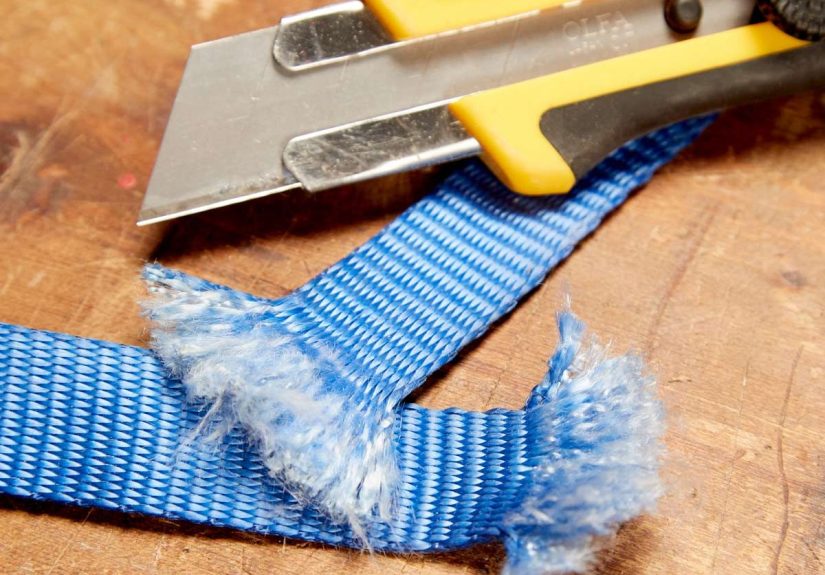
Frayed straps, whether on your favorite backpack, a well-worn duffel bag, or a pair of shoes, are a common issue that can make your gear look worn-out and unstable. Instead of tossing the item and buying a new one, fixing frayed straps is a simple DIY task that can save you time and money. Whether you’re dealing with fabric, leather, or nylon straps, there are several ways to repair them effectively. In this article, we’ll guide you through easy-to-follow steps to fix frayed straps and restore your items to their former glory.
Why Straps Fray and How to Prevent It
Before diving into the fix, it’s helpful to understand why straps fray in the first place. Straps are usually made from materials like nylon, polyester, leather, or cotton, which are subject to wear and tear over time. The most common causes of fraying include:
- Rubbing and Friction: Continuous use causes the fabric to rub against surfaces, eventually weakening the fibers.
- Exposure to Moisture: Water can break down the fibers, leading to fraying, especially in fabrics like cotton or nylon.
- Age: Over time, even the strongest straps will show signs of wear, especially if exposed to UV rays or environmental conditions.
While fraying is inevitable, proper care and maintenance can reduce its speed. Regularly cleaning your straps, storing your bags in a dry place, and avoiding overloading them will help extend their lifespan.
Step-by-Step Guide to Fix Frayed Straps
Now, let’s explore how to fix those frayed straps. With just a few basic tools and some patience, you can repair fraying on almost any type of strap.
Materials You’ll Need
- Scissors
- Fabric glue or hot glue gun
- Needle and thread (for fabric straps)
- Burning tool or lighter (for synthetic straps)
- Iron-on patches (for heavy fabric damage)
- Leather adhesive (for leather straps)
Method 1: Fixing Frayed Fabric Straps
If your strap is made of fabric like nylon or polyester, here’s a simple method you can use to stop the fraying and prevent further damage:
- Trim the Frayed Edges: Start by cutting away the frayed ends with a sharp pair of scissors. Be careful to cut evenly so the strap doesn’t lose its structure.
- Seal the Ends: To prevent further fraying, apply a fabric glue or use a hot glue gun to seal the edges of the strap. If you have a synthetic strap, you can use a lighter or burning tool to melt the ends. Hold the flame about 2 inches away and move it around the edges until they melt slightly and seal.
- Sew for Extra Durability: If you prefer a more durable solution, stitch the ends of the fabric using a needle and thread. Make sure to use a strong thread like nylon, and reinforce the stitching by going over the area several times.
This method works well for most fabric straps, including backpack straps, belt loops, and shoulder bags.
Method 2: Fixing Leather Straps
Leather straps require a different approach since they don’t fray in the same way as fabric straps. Here’s how to fix frayed leather straps:
- Trim the Frayed Areas: Use sharp scissors or a utility knife to carefully trim off any frayed leather edges.
- Apply Leather Adhesive: Use a specialized leather adhesive to bond the edges of the strap. Spread a thin layer of adhesive on the raw edges and press them together firmly. Allow the adhesive to cure according to the manufacturer’s instructions.
- Reinforce with Stitching: For added strength, consider stitching the edges of the leather with a heavy-duty thread. Use a needle specifically designed for leather and a strong knot at the ends.
Leather is durable, but regular maintenance and cleaning are key to preventing damage. A leather conditioner can help maintain its integrity and flexibility.
Method 3: Using Iron-On Patches for Fabric Damage
If the fraying is extensive and the strap is beyond simple glue or burning, an iron-on patch can provide a more robust solution. This method works best for fabric straps like those on backpacks or duffel bags.
- Cut the Patch: Choose an iron-on fabric patch that matches the color of your strap. Cut the patch to the size needed to cover the frayed area.
- Iron the Patch: Place the patch over the damaged area, then use a hot iron to press it in place for about 30 seconds. Be sure to follow the instructions on the patch packaging for the best results.
- Stitch for Extra Security: Once the patch is set, sew around the edges for added durability, especially if you plan to use the strap heavily.
How to Prevent Straps from Fraying in the Future
While fixing frayed straps is a straightforward task, prevention is always better than cure. Here are some tips to prevent straps from fraying in the first place:
- Avoid Overloading: Excess weight can put unnecessary strain on straps, leading to faster wear. Always ensure that straps are used within their recommended weight limits.
- Clean Regularly: Dirt and grime can cause fabric to weaken over time. Clean your straps regularly by wiping them down with a damp cloth or using a mild detergent for deeper cleaning.
- Store Properly: When not in use, store bags or items with straps in a cool, dry place to prevent exposure to excessive moisture or sunlight.
- Reinforce Weak Areas: If you notice a spot on the strap that shows signs of wear, reinforce it with extra stitching or an adhesive before it starts to fray.
Experience: Fixing Frayed Straps in Real Life
Fixing frayed straps is something that comes in handy in everyday life. I recently had to repair the strap on my favorite backpack, which had started to fray due to years of travel. Instead of replacing the entire bag, I used a combination of fabric glue and stitching to reinforce the strap. The whole process took less than 30 minutes, and I was able to save my beloved bag from going to the landfill. It was a satisfying moment to restore the strap to a functional, like-new state.
Another instance involved a leather strap on my duffel bag. After years of being tossed around, the leather strap had started to look a bit worse for wear. I applied leather adhesive and reinforced the area with a few stitches. The results were impressivemy bag looks good as new, and the strap is much stronger now.
Fixing frayed straps not only saves money but also encourages sustainability. It’s an excellent way to extend the lifespan of your favorite items, giving them a new lease on life. So, next time you face fraying straps, remember that fixing them is often just a few steps away from restoring them to their original state.
Conclusion
Frayed straps don’t have to mean the end of your favorite items. Whether you have fabric or leather straps, fixing them is a relatively simple process that requires just a few basic tools. By following the methods outlined in this article, you can restore your straps to their former glory and keep your bags, shoes, and accessories in top condition for years to come. Not only will you save money, but you’ll also be contributing to a more sustainable lifestyle by reducing waste.
sapo: Frayed straps can be easily repaired with the right tools. Learn how to fix fabric and leather straps with our step-by-step guide, saving your bags and accessories from the trash!