Table of Contents >> Show >> Hide
- Why Somali Cuisine Tastes Like a Crossroads (In a Good Way)
- What Somali Food Tastes Like
- Meet the Staples: The Foods You’ll See Again and Again
- 1) Canjeero (Laxoox): The Fermented Pancake You’ll Want at Breakfast (and Beyond)
- 2) Sabaayad (Kimis): The Flaky Flatbread That Understands the Assignment
- 3) Bariis Iskukaris: Spiced Rice That’s More Than a Side
- 4) Suqaar: The Weeknight Stir-Fry That Shows Off Somali Seasoning
- 5) Suugo Suqaar and Somali Pasta: Yes, Pasta Lives Here
- 6) Digaag Qumbe: Comforting Chicken Stew With Coconut and Yogurt
- Snacks, Sides, and “Just One More” Bites
- Tea Culture: Shaah Cadays and the Art of the Pause
- Dessert: When Somali Sweets Show Up, It’s Usually a Party
- How to Try Somali Food in the U.S. (Without Overthinking It)
- Conclusion: Somali Food Is Comfort Food With a Passport
- Experiences to Try: A Somali Food Adventure (About , No Passport Required)
If your idea of “Somali food” is a blank page with a sad little question mark on it, you’re not alone.
Somali cuisine is one of the most underrated great eats on the planetwarm spices, comforting stews, fluffy rice,
fermented pancakes, and a hospitality level that makes your own fridge feel emotionally distant.
It’s also the kind of food that surprises you in the best way: yes, there’s pasta (thank you, history),
yes, there’s a banana on the plate (trust the process), and yes, tea can be a whole social event.
This guide is a friendly, flavor-forward introduction to food from Somalia: what it tastes like,
what to order first, why the spice blend matters, and how Somali cooking reflects the country’s geography,
trade routes, and community-centered culture. Bring curiosity. Bring an appetite. Bring a willingness to say,
“Okay… banana with rice… I’m listening.”
Why Somali Cuisine Tastes Like a Crossroads (In a Good Way)
Somalia sits on the Horn of Africa with a long coastline along the Indian Ocean and Gulf of Adenbasically,
a historic meeting point for travelers, traders, and ideas. That geography helped shape a cuisine that feels
East African at its core, but with delicious echoes of the Arabian Peninsula, South Asia, and even Italy.
The result isn’t “fusion” as a trend; it’s fusion as a lived-in reality, simmered gently over generations.
Somali cooking also reflects a strong pastoral tradition: milk, meat, and hardy staples that make sense for
nomadic life. Add Islamic dietary practices (you’ll see lots of halal-friendly cooking, and no pork),
and you get food that’s both practical and deeply celebratorymeals that nourish, and meals that mark moments.
What Somali Food Tastes Like
If you could bottle the “vibe” of Somali cuisine, it would smell like toasted spices and taste like
comfort with confidence. Somali food is aromatic rather than fiery-hot by default (though heat lovers
definitely get their moment). You’ll notice:
- Warm spices (especially cardamom, cumin, cinnamon, cloves, and coriander)
- Tomato and onion bases that build savory depth in sauces and stews
- Bright accents like citrus, chilies, and herb-forward sides
- Sweet-salty contrast that shows up in unexpected ways (hello, banana)
Xawaash: The Spice Blend That Shows Up Like a Best Friend
In many Somali kitchens, xawaash is the go-to seasoning blendthink of it as a warm, earthy backbone
that can flavor rice, meat, stew, and sauces without making everything taste the same. Recipes vary by family,
but the usual suspects include cumin, coriander, cardamom, cloves, cinnamon, black pepper, turmeric, and ginger.
It’s the kind of blend that makes your home smell like you know what you’re doingeven if you’re Googling
“how to pronounce xawaash” with one hand.
Meet the Staples: The Foods You’ll See Again and Again
1) Canjeero (Laxoox): The Fermented Pancake You’ll Want at Breakfast (and Beyond)
Canjeero (also called laxoox in some communities) is a thin, spongy,
fermented pancake made from a batter that develops a gentle tang. It’s often compared to Ethiopian injera,
but it’s typically smaller, lighter, and quicker to cook. In the morning, canjeero may show up with honey,
butter or ghee, and a big mug of sweet, spiced tea. Later in the day, it can do savory dutysoaking up stew,
grabbing bits of meat, and making you wonder why pancakes ever got stuck in the “sweet only” category.
2) Sabaayad (Kimis): The Flaky Flatbread That Understands the Assignment
Sabaayad (also known as kimis) is a pan-fried flatbread with a tender,
slightly flaky bitesimilar to chapati or paratha in spirit, but with its own texture and approach.
It’s often served alongside stews and stir-fries, perfect for tearing, scooping, and inevitably eating
“just one more piece” until the plate is suddenly empty.
3) Bariis Iskukaris: Spiced Rice That’s More Than a Side
If Somali cuisine had a red carpet, bariis iskukaris would arrive dressed to impress.
It’s a fragrant rice dish seasoned with warm spices and commonly cooked in a meat broth for extra richness.
You’ll often find it served with tender meat (like goat, lamb, or chicken), and sometimes with sweet notes
like raisins or caramelized onions depending on the cook and the occasion.
And then there’s the iconic detail: a banana served with the meal. It’s not decoration.
It’s a classic sweet-savory contrasttake a bite of spiced rice, then a bite of banana, and suddenly your brain
stops filing complaints and starts filing thank-you notes.
4) Suqaar: The Weeknight Stir-Fry That Shows Off Somali Seasoning
Suqaar is a beloved dish of diced meat (often beef, goat, or chicken) sautéed with onions,
peppers, and spices until everything is browned, fragrant, and extremely hard to stop eating.
You’ll see it paired with rice, sabaayad, or canjeerobasically, whatever vehicle is available to deliver
flavor to your face.
5) Suugo Suqaar and Somali Pasta: Yes, Pasta Lives Here
Somali cuisine includes a surprisingly famous pasta tradition: baasto (often spaghetti)
served with a richly spiced sauce like suugo suqaar. The roots trace back to Italian colonial
history, but the flavor is distinctly Somalitomato-forward, warmly spiced, and often finished in a way that
feels closer to a hearty meat sauce than a delicate marinara.
A fun (and very Somali) bonus: serving pasta withwait for ita banana on the side. Consider it a culinary
mic drop. You’re welcome.
6) Digaag Qumbe: Comforting Chicken Stew With Coconut and Yogurt
Digaag qumbe is a comforting chicken stew often built with aromatics, warm spices, and a
creamy base that may include coconut and yogurt. It’s the kind of dish that feels both homey and special,
typically served with rice (and yes, the banana pairing can appear here too). If you’re new to Somali food,
this is an excellent “first stew” because it balances richness with bright spice.
Snacks, Sides, and “Just One More” Bites
Sambuus (Somali Samosa): The Triangle of Happiness
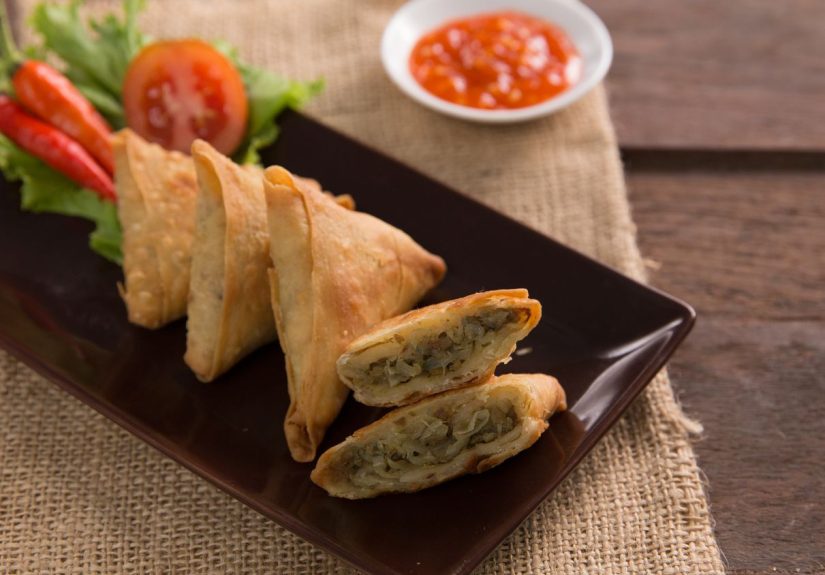
Sambuus (also spelled sambuusa) is a crispy, triangular pastry commonly filled
with spiced meat or vegetables. It’s especially popular for gatherings and celebrationsthink weddings,
holidays, and Ramadan evenings when everyone suddenly remembers they have a second stomach reserved for snacks.
You’ll also find creative variations, including seafood versions, depending on region and diaspora influences.
Basbaas and Bright Extras
Many Somali meals come with punchy sideslike a spicy sauce often referred to as basbaas,
plus salads or quick pickled elements that cut through richer dishes. These sides aren’t afterthoughts;
they’re the supporting cast that makes the main character shine.
Tea Culture: Shaah Cadays and the Art of the Pause
Somali food isn’t just about what’s on the plateit’s also about what happens around it.
Shaah (Somali tea), especially shaah cadays (spiced tea with milk),
is a big deal. It’s sweet, warmly spiced (cardamom often leads), and tied to everyday ritual.
Tea time can be social, a chance to slow down, share stories, and connectproof that “beverage” is sometimes
just another word for “community.”
Dessert: When Somali Sweets Show Up, It’s Usually a Party
Somali desserts lean festive, rich, and fragrant. One standout is xalwo (Somali halwa),
a dense, chewy sweet often flavored with spices like cardamom and sometimes rosewater or saffron, depending on
the recipe. It’s commonly associated with celebrationsserved when the occasion calls for something special
(or when someone’s auntie decides Tuesday needs a glow-up).
How to Try Somali Food in the U.S. (Without Overthinking It)
Somali communities across the United States have built vibrant food scenesespecially in places like Minnesota,
the Pacific Northwest, and other cities with strong Somali diaspora roots. Somali restaurants, cafes, and
small food businesses often feature menus that mix classic home-style dishes with crowd-pleasers designed for
newcomers. Here’s a simple, low-stress ordering plan:
- Start with sambuus (crispy, familiar shape, big flavor payoff).
- Choose one starch base: bariis (rice), baasto (pasta), or canjeero.
- Add a hearty main: suqaar or a stew like digaag qumbe.
- Say yes to tea if you like warm spices and a little sweetness.
- Try the banana pairing at least onceno bravery medal required, just curiosity.
Conclusion: Somali Food Is Comfort Food With a Passport
Somali cuisine is generous, aromatic, and deeply rooted in community. It reflects a crossroads of geography
and history, but it never feels confusedit feels confident. The flavors are warm and welcoming, the dishes are
built for sharing, and the overall experience is both comforting and surprising (again: banana).
Whether you start by ordering sambuus and shaah at a Somali cafe, or you try cooking canjeero and xawaash-spiced
rice at home, the payoff is the same: you’ll discover a food culture that deserves a bigger spot in the
American conversationand on your personal “favorites” list.
Experiences to Try: A Somali Food Adventure (About , No Passport Required)
If you want to truly “get” Somali food, treat it like an experiencenot just a meal. Start with the
restaurant first-visit ritual. Walk in, inhale deeply, and let the aroma do the sales pitch.
Somali restaurants often feel casual and welcoming, the kind of place where you’re not rushed and your food
shows up like it’s here to take care of you. Order sambuus as your opener, because crispy triangles are a
universally understood love language. If there’s a spicy sauce on the side, try a tiny dab first. Tiny. This
is not a “prove yourself” moment. This is a “keep enjoying your day” moment.
Next, build your plate around one iconic base: bariis iskukaris if you’re a rice person,
baasto with suugo if you like the idea of Somali comfort meeting pasta night, or
canjeero if you want something that feels both familiar and totally new. Pair it with
suqaar (meat sautéed with onions and peppers) or a stew like digaag qumbe.
Now comes the part that turns beginners into believers: the banana. Don’t stare at it like it’s a prank.
Take a bite of your savory dish, then a bite of banana. Notice how the sweetness doesn’t fight the spicesit
calms them down, like a friend who quietly pays the bill before anyone can argue.
After that first meal out, try the at-home mini project. Make shaah cadays with a handful of
pantry spices, sweeten it to your liking, and pour it when you actually have time to sit. The point isn’t
perfection; it’s the pause. Pair it with something simplestore-bought pastries if you want, or even toast.
The goal is to feel how Somali tea culture is about connection, not just caffeine.
Then, for your “level up” moment, pick one recipe that teaches technique. Canjeero is a great teacher because
it introduces fermentation and texture without requiring fancy gear. Your first batch might not look
Instagram-ready. That’s fine. Plenty of delicious traditions were born long before ring lights. Or choose
bariis iskukaris to learn the logic of spicing rice: bloom the aromatics, toast the spices, let broth do the
heavy lifting, and taste as you go.
Finally, try the share-it-with-someone experience. Somali food shines when it’s communal.
Invite a friend, put dishes in the center, and make it normal to eat with your hands if that’s the custom in
the space you’re in. Ask questions. Laugh when you mispronounce something. Accept guidance when someone says,
“No, like this.” That’s not correctionthat’s hospitality. And if you leave with leftovers, congratulations:
you’ve unlocked the secret bonus level of Somali cuisineday-two flavors that somehow taste even better.