Table of Contents >> Show >> Hide
- What Carpal Tunnel Pain Actually Is
- What Cleveland Clinic Gets Right About Relieving Carpal Tunnel Pain
- Home Habits That Help More Than People Expect
- When Home Care Is Not Enough
- How Doctors Diagnose It
- Mistakes That Commonly Make Carpal Tunnel Pain Worse
- A Simple 7-Day Reset for Early Carpal Tunnel Symptoms
- Conclusion
- Experience-Based Notes: What Relief Feels Like in Real Life
Let’s address the wrist in the room first: the condition is carpal tunnel syndrome, not “carpel.” But your hand probably doesn’t care about spelling while it’s tingling at 2 a.m. The bigger issue is this: carpal tunnel pain can start as an annoying nighttime buzz and turn into a full-blown “why am I dropping my coffee mug?” situation if you ignore it too long.
Cleveland Clinic’s advice on home relief is refreshingly practical, and when you compare it with guidance from other major U.S. medical sources, the same strategy keeps showing up: calm the irritated wrist, keep the hand in a neutral position, reduce repetitive strain, and get checked before numbness or weakness becomes a permanent houseguest. In plain English, you do not need a drawer full of miracle gadgets. You need the right basics, used consistently, before your median nerve files a formal complaint.
What Carpal Tunnel Pain Actually Is
Carpal tunnel syndrome happens when the median nerve gets squeezed as it passes through a narrow tunnel in the wrist. That nerve helps provide feeling to the thumb, index finger, middle finger, and part of the ring finger, and it also helps control some thumb muscles. When pressure builds in that tight space, the result can be tingling, numbness, burning, aching, weakness, and the odd sensation that your fingers are swollen even when they look perfectly normal.
The classic pattern is sneaky. Symptoms often begin slowly and show up at night. You may wake up wanting to “shake out” your hand. Later, symptoms can appear during the day while driving, typing, holding a phone, reading, using tools, gaming, or doing anything that keeps the wrist bent for too long. In more advanced cases, grip strength drops, buttons become enemies, and everyday tasks feel like your hand is suddenly running on bad Wi-Fi.
It is also worth noting that wrist pain is not always carpal tunnel syndrome. Tendon problems, arthritis, neck issues, and other nerve conditions can mimic it. That is one reason persistent or worsening symptoms deserve a real medical evaluation instead of endless guesswork and a heroic amount of internet confidence.
What Cleveland Clinic Gets Right About Relieving Carpal Tunnel Pain
1. Cool the wrist when it feels inflamed and cranky
One of Cleveland Clinic’s most useful tips is simple: use cold therapy. If your wrist is throbbing after a long day of typing, gripping tools, or repetitive hand use, icing can temporarily reduce pain and help calm swelling. This is not magic. It is basic inflammation management, and basic often works. Wrap a cold pack in a cloth instead of placing ice directly on skin, and use it for short sessions rather than trying to turn your hand into a freezer experiment.
2. Wear a wrist splint, especially at night
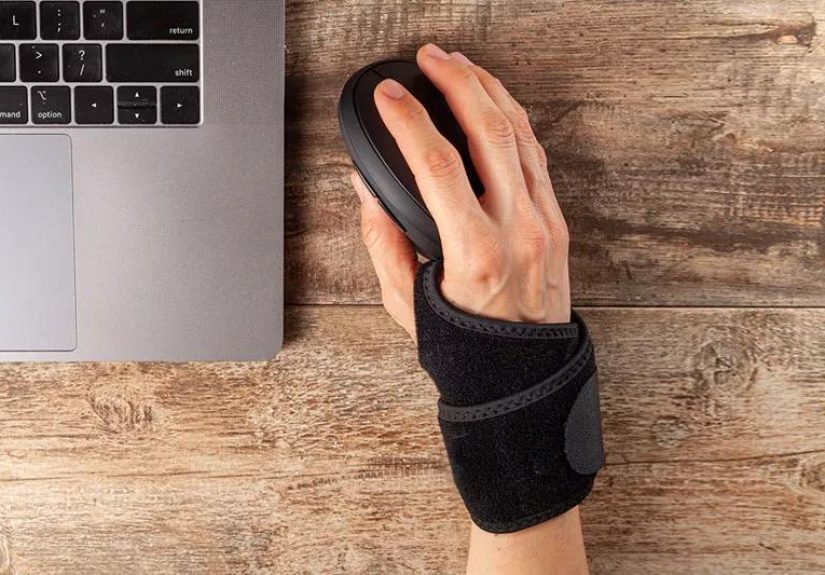
If there is a gold medal in early carpal tunnel self-care, nighttime splinting is on the podium. A neutral-position wrist splint helps prevent the wrist from bending too far while you sleep. That matters because many people unknowingly curl or flex their wrists at night and wake up with worse numbness, pain, or tingling. A splint is not glamorous, but neither is waking up feeling like your fingers belong to someone else.
For mild to moderate symptoms, this is one of the most widely recommended first steps. It is low risk, relatively affordable, and surprisingly effective for many people when used consistently. The key word there is consistently. Wearing it once and then declaring it a failure has the same scientific value as eating one salad and expecting abs by breakfast.
3. Gently move the hand instead of bullying it
Cleveland Clinic also highlights gentle stretching and even the classic “shake it out” move for nighttime symptoms. That lines up with broader clinical advice: some patients feel better with nerve-gliding or wrist and thumb mobility work, especially when exercises are gentle and paired with splinting or activity changes. The goal is not to aggressively stretch until you meet your ancestors. The goal is to reduce stiffness, improve motion, and avoid positions that pile more pressure on the median nerve.
If a stretch causes sharper pain, more tingling, or lasting irritation, back off. Carpal tunnel exercises should feel controlled and helpful, not like a punishment for owning a keyboard.
4. Fix the setup that keeps irritating the wrist
Ergonomic changes sound boring until they start working. If your keyboard is too high, your wrists bend upward. If your mouse position is awkward, your forearm and wrist stay tense for hours. If your work involves vibrating tools, forceful gripping, or repetitive motion, the wrist can stay irritated day after day. Cleveland Clinic, MedlinePlus, and CDC ergonomics guidance all point to the same truth: reducing strain matters.
Helpful changes can include lowering the keyboard, changing mouse style, adjusting chair height, keeping wrists more neutral, using a lighter grip, and taking short breaks before symptoms spike. The goal is not a Pinterest-perfect desk. The goal is fewer positions that make your wrist angry.
5. Use pain relievers carefully, not casually forever
Over-the-counter pain relievers such as ibuprofen or naproxen may help reduce pain and swelling in some people, and Cleveland Clinic includes them as one tool for relief. But they are best treated as short-term support, not a lifestyle. If you need them regularly, or you have stomach, kidney, bleeding, or medication-interaction concerns, it is time to talk with a clinician. Pain relief is useful; masking a worsening nerve problem for months is less impressive.
6. Warm water can help stiffness in some people
Cleveland Clinic also mentions warm water treatment, and MedlinePlus notes warm and cold compresses as options. Warmth can be soothing when the hand feels stiff rather than sharply inflamed. In practice, many people do best by using cold for flare-ups and warmth for stiffness or morning tightness. Your hand is allowed to have preferences. Listen to it.
Home Habits That Help More Than People Expect
The best carpal tunnel relief plan is usually not one dramatic fix. It is a handful of modest habits that reduce pressure on the nerve over and over again. That includes not sleeping on bent wrists, avoiding long stretches of uninterrupted typing or texting, loosening your grip on tools, and not treating early tingling like a personality trait.
If your job involves computer work, keep the keyboard low enough that your wrists are not constantly angled upward. If you use a mouse all day, experiment with position and support. If you knit, game, lift, drill, cut, scroll, swipe, or grip for long periods, break the activity into shorter blocks. A brief pause before symptoms flare is better than a forced break after your hand goes numb.
Sleep posture matters too. Many people don’t realize they tuck their wrists under pillows, fold their hands under their faces, or sleep with their wrists sharply flexed. That is basically an overnight invitation to numbness. A simple splint and a slightly less acrobatic sleep position can make mornings much nicer.
Weight management, blood sugar control, and treatment of related medical conditions may also matter, especially for people with diabetes, thyroid disease, inflammatory arthritis, or fluid retention. In other words, the wrist is local, but the body is still a team sport.
When Home Care Is Not Enough
Home care has limits. It is most likely to help when symptoms are mild to moderate, intermittent, and not yet causing major weakness or constant numbness. If your symptoms keep returning, start happening during the day, or interfere with sleep, work, driving, grip, or fine motor tasks, do not just keep buying braces and hoping for a cinematic comeback.
A clinician may recommend a corticosteroid injection for short-term symptom relief. That can be useful, particularly when you need pain relief while sorting out the bigger treatment plan. But injections do not usually provide permanent correction. They reduce inflammation and buy time; they do not redesign the tunnel.
Surgery enters the conversation when symptoms are severe, conservative treatments fail, or there are signs of nerve damage such as ongoing numbness, muscle loss at the base of the thumb, dropping objects, or clear weakness. Carpal tunnel release surgery works by cutting the ligament that forms the roof of the tunnel, which reduces pressure on the median nerve. Open and endoscopic procedures are both used, and recovery varies depending on how long the nerve was compressed before treatment.
How Doctors Diagnose It
Diagnosis usually starts with your symptom story and a physical exam. Clinicians often ask when symptoms happen, which fingers are affected, what activities trigger them, and whether you are losing strength. Exam maneuvers such as Phalen’s test or Tinel’s sign may be used, but no single bedside test tells the whole story every time.
In some cases, a clinician may order nerve conduction testing, electromyography, or imaging to confirm the diagnosis or rule out other problems. That matters because not every numb hand is carpal tunnel syndrome, and not every sore wrist needs surgery. Good diagnosis saves a lot of bad assumptions.
Mistakes That Commonly Make Carpal Tunnel Pain Worse
Ignoring nighttime symptoms
Many people assume nighttime tingling is just “sleeping funny.” Sometimes it is. Sometimes it is the opening act of carpal tunnel syndrome. Repeated symptoms deserve attention.
Trying to stretch too aggressively
Gentle mobility can help. Turning your wrist routine into an audition for a circus act usually does not.
Using a brace incorrectly
A splint should usually hold the wrist in a neutral position, not crank it backward or squeeze the life out of your forearm. Too tight is not better. It is just annoying.
Pushing through weakness or dropping objects
Pain is one thing. Weakness, clumsiness, or visible muscle loss is another. Those are signals to get evaluated, not to “tough it out.”
Believing every gadget ad on the internet
If a glowing wrist crystal, magnetic glove, or miracle patch promises to “reset your nerve instantly,” you are not looking at medicine. You are looking at marketing with excellent self-esteem.
A Simple 7-Day Reset for Early Carpal Tunnel Symptoms
If your symptoms are early and mild, this type of plan is often a sensible starting point:
- Wear a neutral wrist splint every night.
- Use brief icing after symptom-triggering activity.
- Take short breaks every 20 to 30 minutes during heavy hand use.
- Lower or adjust your keyboard and mouse setup.
- Avoid sleeping on bent wrists.
- Try gentle stretching or nerve-friendly movement once or twice a day.
- Track what triggers symptoms, including phones, tools, gaming, driving, and sleep position.
If things improve, great. If they do not, or they improve only until you stop the routine, that is useful information too. It means the wrist probably needs a more formal plan.
Conclusion
The best way to relieve carpal tunnel pain is usually not dramatic. It is disciplined. Cleveland Clinic’s advice holds up well: calm inflammation, splint the wrist at night, make ergonomic changes, use gentle movement, and get help before weakness or constant numbness settles in. For mild symptoms, those basics may be enough to quiet the problem. For persistent or worsening symptoms, they are the bridge to a proper diagnosis and stronger treatment.
The main takeaway is this: tingling is not just an inconvenience, and numbness is not a quirky hobby. Carpal tunnel syndrome is common, treatable, and very manageable when you deal with it early. Wait too long, and the median nerve may decide to stop being polite. That is a terrible time to discover that your hand has been sending warning emails for months.
Experience-Based Notes: What Relief Feels Like in Real Life
People dealing with carpal tunnel syndrome often describe the early stage in almost identical ways. At first, it feels random. The hand falls asleep while holding a phone. The fingers tingle while driving. You wake up in the middle of the night and instinctively shake your hand as if you can fling the pins and needles onto the floor. For many, that “shake it out” moment is the first clue that this is not ordinary soreness.
Once they start using the strategies recommended by major medical centers, the first improvement is usually not dramatic pain relief. It is better sleep. A neutral wrist splint often becomes the surprise hero. People expect it to feel awkward, and sometimes it does for a night or two, but then they realize they are waking up less often with numb fingers. That alone can make the next day feel more manageable. Less interrupted sleep also means the pain feels less overwhelming, even before the wrist itself is fully improved.
Another common experience is discovering how much a daily setup matters. Someone who types all day may think the problem is unavoidable until they lower the keyboard, move the mouse closer, stop hovering their wrists, and take real micro-breaks. The improvement is rarely instant, but it is noticeable. By the end of the week, the burning feeling may show up later in the day. By the second week, the hand may feel less clumsy. It is not glamorous progress, but it is real.
People also tend to learn that there is a difference between “good soreness” and “bad nerve irritation.” Gentle stretches can leave the wrist feeling looser. Aggressive stretching can do the opposite and leave the hand buzzing, irritated, and offended. The most successful routines are usually the boring ones: brief exercises, smart positioning, short breaks, and not pretending that pain is a personality test.
For those whose symptoms have lingered too long, the emotional side can be surprisingly frustrating. Hands are involved in almost everything: writing, eating, driving, cooking, gaming, texting, working, buttoning clothes, opening jars, carrying groceries, and doing a thousand tiny tasks nobody notices until they hurt. That is why even modest relief can feel huge. Being able to hold a book without tingling, drive without hand numbness, or sleep through the night without waking up to “shake out” the wrist can feel like getting part of your life back.
And when home care is not enough, getting an evaluation often brings relief of a different kind: clarity. Many people spend months wondering if they are overreacting. Once a clinician confirms what is happening, the problem becomes less mysterious and more manageable. Whether the next step is a better brace, hand therapy guidance, an injection, or surgery, having a plan usually feels better than endless guesswork.
That may be the most useful real-world lesson of all. Carpal tunnel pain tends to improve when people stop treating it like a weird inconvenience and start treating it like what it is: a nerve compression problem that responds best to early, consistent, sensible care. Not flashy. Not magical. Just effective.