Table of Contents >> Show >> Hide
Your face may get the fancy serum, the sheet mask, and the pep talk in the mirror, but your hands are usually out here doing unpaid overtime. They wash dishes, grip steering wheels, type dramatic emails, carry grocery bags, and soak up sun like tiny, hardworking solar panels. Then one day, you look down and think, “Excuse me, whose elegant-but-slightly-tired hands are these?”
The good news is that younger-looking hands are not a fantasy reserved for celebrities and people who never touch a cardboard box. In many cases, the biggest difference comes from simple habits: daily sun protection, smarter moisturizing, gentle skin renewal, and knowing when a dermatologist can help with age spots, volume loss, or crepey texture. If your goal is to make your hands look smoother, brighter, firmer, and healthier, you have options.
This guide breaks down what really makes hands look older, what actually helps, and how to build a routine that works in real life without turning your bathroom into a chemistry lab.
Why Hands Age So Fast
Hands often show age earlier than people expect for a few very unglamorous reasons. First, the skin naturally changes with age. It becomes thinner, drier, and less resilient. Collagen and elastin decline over time, and the loss of supportive tissue can make veins, tendons, and bony contours more visible. Second, the backs of the hands get a lot of sun exposure, and UV damage is a major driver of wrinkles, uneven pigmentation, and age spots. Third, hands are washed constantly and exposed to soap, sanitizer, hot water, cleaning products, weather, and friction. That is a lot of stress for a small patch of skin.
In plain English: your hands are doing heroic work with very little appreciation. That combination of sun, dryness, and time is what creates the classic signs of hand aging: brown spots, roughness, crepey texture, fine lines, thinning skin, and more visible veins.
The Most Effective Ways to Make Your Hands Look Younger
1. Use Sunscreen on Your Hands Every Day
If you do only one thing after reading this article, make it this. Daily sunscreen is the MVP for younger-looking hands. UV exposure speeds up discoloration, wrinkles, and loss of elasticity. The backs of your hands get sunlight while driving, walking, running errands, and sitting near windows. That means hand aging is often happening quietly, even on ordinary days.
Choose a broad-spectrum sunscreen with at least SPF 30. If you spend a lot of time outside, higher SPF may be worth it. Apply it to the backs of your hands every morning, and reapply after washing, sweating, or spending extended time outdoors. Keep one sunscreen near the sink, one in your bag, and one in the car if you need to. Make it ridiculously easy to remember.
One practical example: if you apply sunscreen to your face but stop at your wrists, your hands may end up aging faster than the rest of your skin. That is like polishing the front door and ignoring the porch. Finish the job.
2. Upgrade Your Hand Cream
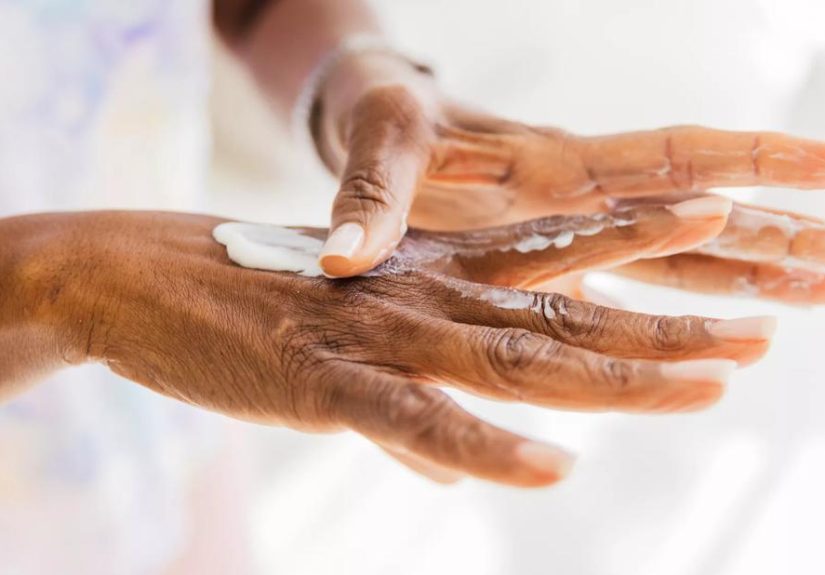
Dry hands look older hands. When skin is dry, fine lines show more, texture looks rougher, and everything can take on that “I folded laundry in the desert” look. A good hand cream helps trap moisture, soften roughness, and make the skin surface look healthier and smoother.
Look for a rich cream or ointment rather than a thin lotion if your hands are very dry. Ingredients such as glycerin, petrolatum, ceramides, shea butter, hyaluronic acid, or dimethicone can all help support the skin barrier and reduce moisture loss. Apply hand cream after every hand wash if possible, and definitely before bed.
Nighttime is your golden hour for hand repair. After washing your hands in the evening, apply a generous layer of cream. Some people like to wear soft cotton gloves over hand cream at night. Is it glamorous? Not exactly. Is it effective? Surprisingly, yes.
3. Add a Retinoid or Retinol at Night
If sunscreen is prevention, retinoids are the overachiever in the treatment group project. Retinoids and retinol are vitamin A derivatives that can help improve skin texture, support collagen, and soften the appearance of fine lines and uneven tone over time. They are among the best-studied topical ingredients for signs of aging.
You do not need to jump straight into a dramatic routine. Start with a retinol product a few nights a week on the backs of your hands. Use a small amount, follow with moisturizer, and increase slowly as tolerated. If your skin becomes red, flaky, stingy, or irritated, pull back and use it less often.
Important note: retinoids can make skin more sun-sensitive, so sunscreen is non-negotiable. Think of retinol and sunscreen as a duo. Batman and Robin. Peanut butter and jelly. The hand-care version, anyway.
4. Fade Age Spots the Smart Way
Age spots, also called sun spots or solar lentigines, are one of the most common reasons hands start to look older. They usually show up as flat brown spots on sun-exposed skin, especially the backs of the hands. The key word there is “sun-exposed.” Preventing new spots matters just as much as treating old ones.
At home, ingredients that may help brighten uneven pigmentation include retinoids, vitamin C, niacinamide, and certain dermatologist-recommended lightening products. Results are usually gradual, and consistency matters more than drama. This is a crockpot situation, not a microwave situation.
If age spots are stubborn, in-office treatments can work faster. Dermatologists may recommend prescription lightening creams, chemical peels, cryotherapy, microdermabrasion, or laser-based treatments depending on your skin tone, skin sensitivity, and the type of discoloration you have. Some spots respond beautifully. Others need patience and a plan.
5. Improve Crepey Texture and Roughness
Crepey skin is that thin, wrinkly, crinkled texture that can make hands look older even when you are otherwise taking good care of your skin. It is often tied to dryness, collagen loss, sun damage, and reduced elasticity. The first-line strategy is simple: moisturize consistently, use sunscreen daily, and consider adding a retinoid at night.
For some people, creams that gently exfoliate can also help smooth roughness. A hand cream containing mild exfoliating ingredients such as lactic acid or urea may improve texture when used carefully, especially if the skin feels dry and rough rather than irritated. Do not overdo it. Aggressive scrubbing usually makes hands angrier, not younger.
If crepey texture is significant, a dermatologist may suggest a light chemical peel, laser treatment, or other procedures aimed at improving tone and texture. Professional treatment is especially helpful when the issue is more than simple dryness.
6. Restore Lost Fullness if Volume Loss Is the Issue
Sometimes the main issue is not wrinkles or spots. It is volume loss. When the hands lose youthful fullness, veins and tendons become more noticeable, and the skin can look looser and more paper-thin. In that situation, no hand cream on Earth is going to magically make the back of the hand look plump again.
This is where a dermatologist or qualified cosmetic specialist may discuss filler or fat transfer. Certain fillers can restore fullness and make prominent structures less noticeable. For the right person, this can create a meaningful improvement quickly. It is not the first step for everyone, but it can be a very effective step for the right concern.
If you are considering in-office treatment, look for a board-certified dermatologist or similarly qualified specialist with experience specifically in hand rejuvenation. Hands are not faces, and technique matters.
7. Protect Your Hands From Everyday Wear and Tear
Sometimes “anti-aging” really means “stop accidentally picking a fight with your skin barrier.” Wear gloves when cleaning with harsh chemicals. Use lukewarm instead of hot water when washing. Reapply hand cream after sanitizer and soap. In cold weather, wear gloves outside. In the garden, wear gloves. When you are washing dishes for the fourth time in one day because somehow every cup in the house is dirty, wear gloves again.
These habits will not earn viral beauty content status, but they can make a visible difference over time.
A Simple Daily Routine for Younger-Looking Hands
Morning
Wash with a gentle cleanser if needed. Apply hand cream. Finish with broad-spectrum sunscreen on the backs of your hands.
During the Day
Reapply hand cream after washing. Reapply sunscreen after repeated washing or before going outside. Wear gloves for chores and cleaning.
Night
Apply a retinol or retinoid to the backs of the hands two to three nights a week to start. Follow with a rich hand cream. On nights you skip retinoid, just use the cream generously.
This routine is not fancy, but it is effective. Skin generally rewards consistency more than enthusiasm.
Habits That Make Hands Look Older Faster
- Skipping sunscreen because “it’s just a quick drive.”
- Using harsh soap all day and never replacing the lost moisture.
- Scrubbing aggressively in the name of exfoliation.
- Ignoring dark spots that keep getting rough, scaly, or irritated.
- Smoking, which can contribute to premature skin aging.
- Tanning, including tanning beds. Your hands are not fooled by a “healthy glow.”
When to See a Dermatologist
Not every brown or rough spot on the hands is harmless aging. If you notice a spot that is rough, scaly, tender, changes shape or color, bleeds, or does not heal, it is worth getting checked. Chronic sun damage on the hands can sometimes lead to actinic keratoses, which are precancerous growths, or other skin problems that deserve medical attention.
You should also see a dermatologist if over-the-counter products are not helping, if your skin is very irritated, or if the issue is more about visible veins, major volume loss, or persistent discoloration. Professional treatment can save time, guesswork, and a lot of money spent on hopeful little jars.
What Real-Life Experience Often Looks Like
In real life, making hands look younger is usually less about one miracle product and more about the moment people realize their hands need the same care as their face. A lot of people first notice aging in their hands after seeing a photo, catching their reflection while driving, or comparing the skin on the backs of their hands to the skin on their arms. The most common reaction is not panic. It is surprise. Hands can change quietly.
One very typical experience goes like this: someone starts using sunscreen on the face every day but ignores the hands for years. Then age spots show up, especially on the dominant hand or the hand that gets more sun while driving. Once they start applying sunscreen to the hands daily and reapplying after washing, they often notice that new discoloration slows down. The existing spots may still need targeted treatment, but the skin stops looking like it is getting older by the week.
Another common experience is discovering how much dryness contributes to the “older hands” look. People often think they need a complicated anti-aging routine when what they really need first is a serious hand cream. After a few weeks of applying a rich cream after hand washing and before bed, the skin can look smoother, less ashy, and less crinkled. Fine lines look softer simply because the skin is better hydrated. It is not magic. It is moisture. Skin loves a boring, dependable routine.
Then there are the people who try retinol on the backs of their hands and wonder why no one told them sooner. Used gradually and paired with moisturizer and sunscreen, retinol can improve texture and brightness over time. The catch is patience. Most people do not see dramatic changes in a week or two. But after a few months, the skin may look more even, smoother, and a little firmer. The important part is starting gently. Going from zero to “nightly acid-retinol-scrub festival” is how people end up with irritated hands that look worse before they look better.
For people with more noticeable volume loss, the experience can be different. They may do all the right things at home and still feel like their hands look thin, veiny, or bony. In those cases, a consultation with a dermatologist can be surprisingly helpful. Many people feel relieved just hearing that the concern is structural, not a failure of skincare. If filler or another procedure is appropriate, the improvement can be meaningful because it addresses the actual problem instead of asking moisturizer to do a superhero job.
There is also the emotional side of it. Hands are visible all day long. You see them while texting, eating, writing, lifting, pointing, and holding hands with people you care about. So when your hands start to look older, it can feel personal. But for many people, the most satisfying experience is not trying to make their hands look twenty again. It is getting them to look healthy, cared for, and more in sync with how they feel. That is a much saner goal, and honestly, a more achievable one.
Over time, the people who get the best results are usually not the ones with the most products. They are the ones who build a few smart habits and actually stick to them. Sunscreen. Hand cream. Gentle treatment. Professional help when needed. No drama. Just better-looking hands that still get to do all the things hands are meant to do.
Conclusion
If you want your hands to look younger, start with the basics that actually move the needle: daily sunscreen, frequent moisturizing, and a nighttime product that supports skin renewal. Then, if age spots, crepey texture, or volume loss are more advanced, consider dermatologist-guided treatment. Younger-looking hands are usually the result of steady care, not one flashy purchase.
Your hands do a lot for you. Giving them a little strategic attention is not vanity. It is maintenance. Very smart, very visible maintenance.
Note: This article is for general education and skincare guidance. If you have a rough, scaly, changing, painful, or non-healing spot on your hands, schedule an evaluation with a dermatologist.