Table of Contents >> Show >> Hide
- What People Mean by “Natural Antibiotics”
- The Most Common Ingredients People Reach For
- So, Can You “Make” Natural Antibiotics at Home?
- Safer Ways to Use Common Ingredients
- Red Flags That Mean Home Remedies Are Not Enough
- Why “Natural” Does Not Always Mean Safe
- What an Evidence-Based Approach Looks Like
- Examples of Smarter Real-Life Decisions
- Common Myths About Natural Antibiotics
- Experiences, Lessons, and Real-World Takeaways
- Conclusion
If the phrase natural antibiotics sounds like something your grandma, your favorite wellness influencer, and your spice rack all agreed on over brunch, you are not alone. It is a popular term, and it usually points to common ingredients like honey, garlic, ginger, and turmeric that have been studied for antimicrobial or anti-inflammatory properties. But let’s clear the air before anyone starts treating a serious infection with a cutting board and a dream: these ingredients are not a substitute for prescription antibiotics when you have a real bacterial infection.
That does not mean common ingredients are useless. Far from it. Some foods and herbs may support comfort, soothe symptoms, or play a small supportive role in a routine focused on rest, hydration, hygiene, and medical care when needed. The smart approach is not to treat your kitchen like a pharmacy. It is to understand what these ingredients may help with, what they cannot do, and how to use them safely without drifting into wishful thinking dressed as healthcare.
What People Mean by “Natural Antibiotics”
When people talk about natural antibiotics, they are usually referring to foods, spices, or botanical products that show some antimicrobial activity in lab studies or traditional use. Garlic contains sulfur compounds. Honey has a low-water environment and other features that make it harder for some microbes to thrive. Ginger and turmeric have compounds associated with anti-inflammatory effects and, in some experimental settings, antimicrobial activity.
Here is the catch: a petri dish is not a person. A lab finding does not automatically mean the same ingredient can prevent, control, or cure an infection in the human body. The dose may be different. The delivery may be different. The body may break down the active compounds before they ever reach the problem area. In other words, your soup can be comforting and still not qualify as an infectious disease specialist.
The Most Common Ingredients People Reach For
Honey
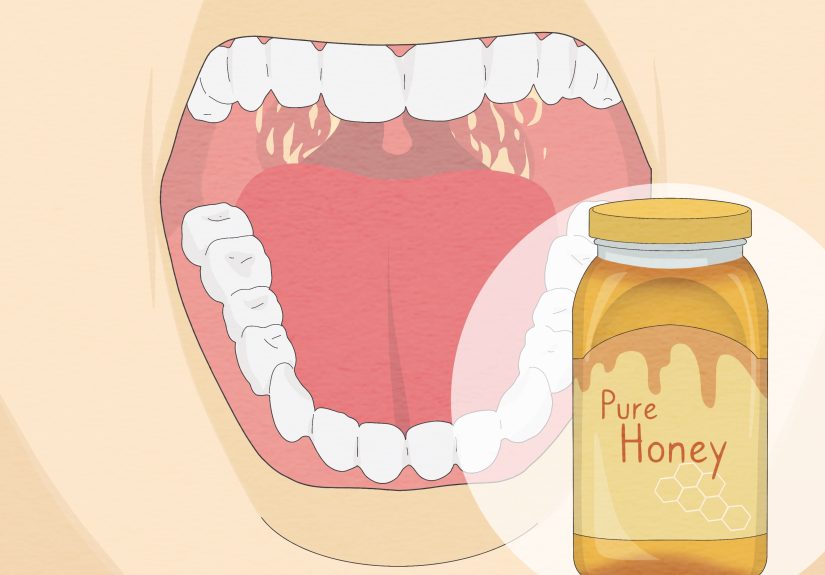
Honey is one of the best-known “natural remedy” ingredients for sore throats and coughs. Its real strength is symptom relief. It can coat the throat, calm irritation, and make a miserable night slightly less dramatic. Some types of honey have also shown antimicrobial properties in research settings. That is interesting, but for everyday readers, the practical takeaway is simpler: honey may help you feel better when you have upper respiratory symptoms, especially cough.
Still, honey is not a cure-all. It should never be given to children younger than 1 year old because of the risk of botulism. And while medical-grade honey is used in some wound-care settings, that does not mean squeezing random pantry honey onto a wound at home is a great plan. Wound care is a medical topic, not a DIY arts-and-crafts project.
Garlic
Garlic has a reputation that is half culinary hero, half folk-medicine celebrity. It contains compounds such as allicin, which have attracted scientific interest because of potential antimicrobial effects. In plain English, garlic is fascinating, flavorful, and still not a replacement for actual antibiotics. What it can do well is support a generally healthy diet and add bold flavor to meals when your appetite has gone into witness protection.
There is also a safety issue people tend to ignore because garlic seems so ordinary. Fresh raw garlic can irritate the skin, and using it directly on the skin has been linked to burns and irritation. Taking large amounts or concentrated forms can also cause stomach upset, bad breath, body odor, and possible medication interactions, especially with blood thinners. So yes, garlic is powerful. Sometimes a little too eager to prove it.
Ginger
Ginger is less famous as a so-called natural antibiotic and more famous as the root that shows up when your stomach is staging a protest. It is widely used for nausea and digestive discomfort, and many people also enjoy it in warm drinks when they have cold symptoms. Ginger may offer comfort, warmth, and anti-inflammatory support, but it should not be mistaken for treatment for a serious infection.
Another important point: natural does not mean risk-free. Ginger can cause mouth or throat irritation, heartburn, abdominal discomfort, or diarrhea in some people. It may also interact with medications. If you are taking prescription drugs, especially those that affect blood clotting, using concentrated herbal products without guidance is not a small detail. It is the kind of detail that can ruin your week.
Turmeric
Turmeric gets a lot of love in wellness spaces because curcumin, one of its major compounds, has been widely studied for anti-inflammatory and antioxidant activity. Some research also explores antimicrobial effects. But there is a big difference between “promising” and “proven for treating infections.” Turmeric in food can absolutely be part of a balanced diet. Turning it into a magical infection fighter is where the internet often starts free-styling.
Turmeric supplements also deserve caution. Some products, especially enhanced or highly bioavailable formulations, have been linked to liver injury in some people. That does not mean turmeric in food is suddenly the villain in your curry. It means concentrated products are not automatically harmless just because the label features leaves and reassuring earth tones.
So, Can You “Make” Natural Antibiotics at Home?
The honest answer is no, not in the medical sense. You can make home remedies. You can make soothing drinks, broths, teas, and foods that may help with comfort and hydration. You can make meals that include ingredients often discussed in natural health conversations. But you cannot reliably make a true antibiotic from pantry staples that is proven to treat bacterial infections the way prescription antibiotics do.
This distinction matters. A sore throat from a virus, a cough from a cold, or general “I feel gross” symptoms may improve with time, fluids, rest, and supportive foods. But conditions such as cellulitis, worsening wound infections, severe ear infections, strep throat, pneumonia, urinary tract infections, or abscesses may require prompt medical evaluation and sometimes prescription treatment. Delaying care while experimenting with “natural antibiotics” can make a bad situation worse.
Safer Ways to Use Common Ingredients
Instead of trying to manufacture homemade antibiotics, think in terms of supportive wellness habits. Honey may be used in age-appropriate ways for cough comfort. Garlic, ginger, and turmeric can be included in meals as part of a balanced eating pattern. Warm soups, soft foods, and soothing beverages can make it easier to stay nourished and hydrated when you are under the weather.
The keyword here is supportive. Supportive does not mean curative. It means these ingredients may help you feel more comfortable while your body recovers, or while you follow the treatment plan a licensed clinician recommends. That is a much more realistic, evidence-aware, and web-safe way to talk about them.
Red Flags That Mean Home Remedies Are Not Enough
If you have a wound that is becoming red, hot, swollen, more painful, or is draining pus, you need medical attention. The same goes for redness that spreads, red streaks on the skin, high fever, chills, severe pain, confusion, trouble breathing, or symptoms that are clearly getting worse instead of better. Those are not “let me add more ginger” moments. Those are “please talk to a healthcare professional now” moments.
Also, do not assume that every cough, sore throat, or fever needs antibiotics. Many illnesses are viral, and antibiotics do not work on viruses. Taking antibiotics when they are not needed can contribute to antibiotic resistance and expose you to side effects without helping. Ironically, the goal is not to take antibiotics at every opportunity. It is to use the right treatment at the right time.
Why “Natural” Does Not Always Mean Safe
This is where many articles get way too casual. Ingredients sold as supplements or promoted as herbal remedies can interact with medications, increase bleeding risk, affect the liver, or vary widely in quality. Products are not all identical, and more is not automatically better. If a supplement has a dramatic effect, that usually means it also deserves dramatic respect.
Even common foods can create problems in concentrated forms. Garlic may irritate the stomach or skin. Ginger may cause digestive side effects. Turmeric supplements may not be right for everyone. And herbal products, in general, can interact with prescription medications in ways that are not obvious until something goes sideways. Your liver, by the way, has already asked us to mention that labels with vines and sunshine are not the same as proof.
What an Evidence-Based Approach Looks Like
If you want to be practical, here is the grown-up version of “natural antibiotics.” Use food as food. Use home remedies for comfort. Use good hygiene to reduce the spread of germs. Get rest. Stay hydrated. Pay attention to symptom patterns. And seek medical care when signs point to something more serious. That is not as flashy as a miracle recipe headline, but it is far more useful.
An evidence-based approach also means asking better questions. Instead of “What common ingredient can replace antibiotics?” ask “What ingredients can safely support comfort while I recover?” or “What symptoms suggest I should get checked?” Those questions lead to smarter choices, fewer delays in care, and less chance of turning internet folklore into a personal science experiment.
Examples of Smarter Real-Life Decisions
Example 1: The Cold That Feels Like a Betrayal
You have a sore throat, a cough, fatigue, and you are deeply offended that your weekend is ruined. This may be a situation where rest, fluids, warm foods, and symptom-relief measures make sense. Reaching for common ingredients for comfort may be reasonable. Demanding antibiotics or trying to invent them at home usually is not.
Example 2: The Wound That Is Getting Angry
You nick your leg, and two days later the area is hotter, redder, more painful, and looks larger. That is not a sign to start mixing honey, garlic, and courage. That is a sign to get medical advice. Worsening wound symptoms can point to infection, and some skin infections need prompt treatment.
Example 3: The Supplement Spiral
You read three posts, buy four herbal products, and convince yourself that taking all of them together is “holistic.” In reality, piling on supplements can increase side effects, create drug interactions, and make it harder to figure out what is helping or hurting. More wellness clutter is not always more wellness.
Common Myths About Natural Antibiotics
Myth: If it is natural, it is automatically safe.
Reality: Plenty of natural products can irritate, interact, or harm when used the wrong way.
Myth: If it kills bacteria in a lab, it will cure infections in people.
Reality: Human bodies are much more complicated than lab dishes.
Myth: Prescription antibiotics are bad, natural options are good.
Reality: The right treatment depends on the illness. Sometimes supportive care is enough. Sometimes prescription treatment is exactly what protects your health.
Experiences, Lessons, and Real-World Takeaways
One of the biggest lessons people learn around this topic is that “doing something” feels emotionally satisfying, even when it is not medically useful. A warm drink with honey and ginger can feel comforting, and comfort matters. It helps you rest, hydrate, and cope with symptoms. But comfort can easily get mistaken for cure. That confusion is where many people drift off course. They start with a soothing routine and end with the belief that they are treating an infection on their own.
Another common experience is discovering that the body often needs boring things more than dramatic things. Water. Sleep. Simple meals. Handwashing. Finishing the medicine that was actually prescribed. Monitoring symptoms. Following up when something is getting worse. None of that sounds like clickbait, but it is often what moves the needle. The internet loves a miracle pantry solution. Real recovery often prefers consistency.
Many people also learn the hard way that common ingredients are not always gentle. Raw garlic can irritate the mouth and skin. Strong herbal products can upset the stomach. Supplements can interact with medications in ways that nobody mentioned in the cheerful social post that sold them. There is a strange moment of adulthood when you realize your spice cabinet is wonderful, but it is not board-certified.
There is also the experience of delayed care, and that one matters most. People sometimes wait too long because they hope symptoms will turn around with home support alone. Maybe a cough gets deeper. Maybe a wound grows redder. Maybe a fever hangs on longer than expected. By the time medical care enters the picture, the problem is more advanced and more stressful. That is why it helps to think of home remedies as companions, not commanders. They can support the ride, but they should not grab the steering wheel.
In the end, the most useful mindset is balanced, not extreme. You do not have to mock every natural remedy, and you do not have to worship them either. Common ingredients can absolutely play a role in feeling better, eating well, and making illness more manageable. They just need to stay in their lane. Use them wisely. Respect real medicine. And when your symptoms are waving red flags, let expertise beat internet folklore every single time.
Conclusion
The phrase “natural antibiotics” is catchy, but it often oversimplifies a complicated subject. Common ingredients like honey, garlic, ginger, and turmeric may offer comfort or limited supportive benefits, yet they do not replace evidence-based care for real bacterial infections. The smartest approach is to use home ingredients for symptom support, stay alert to warning signs, and get medical advice when symptoms point to something more serious. Your kitchen can be helpful, but it should not have to cosplay as an urgent care clinic.