Table of Contents >> Show >> Hide
- What Is a Colonial Hardwood Bowl?
- Why This Style Still Works So Well
- The Best Woods for a Colonial Hardwood Bowl
- How a Colonial Hardwood Bowl Is Made
- How to Use a Colonial Hardwood Bowl at Home
- How to Style It Without Making Your Table Look Overworked
- What to Look for When Buying One
- How to Care for a Colonial Hardwood Bowl
- Why a Colonial Hardwood Bowl Makes a Great Gift
- Final Thoughts
- Real-Life Experiences With a Colonial Hardwood Bowl
Some kitchen pieces do their job quietly. A spatula flips. A whisk whisks. A random plastic bowl hangs around in a cabinet like an unpaid intern. But a colonial hardwood bowl has a very different personality. It holds salad, yes, but it also brings a little history, a little craftsmanship, and a little “someone in this house has excellent taste” energy to the table.
The charm of a colonial hardwood bowl comes from its simplicity. It is usually made from a single piece of hardwood, shaped to show off the grain rather than hide it, and finished in a way that makes the wood feel warm, useful, and alive. In other words, it is the opposite of disposable decor. It is practical, beautiful, and just rustic enough to look impressive without trying too hard.
In this guide, we will look at what a colonial hardwood bowl really is, why this style still works in modern homes, which woods are best, how to use and care for one, and what kind of buying mistakes can leave you with a bowl that looks charming for exactly seven minutes. We will also explore the everyday experience of living with one, because the truth is that a good wooden bowl is not just an object. It becomes part of the rhythm of a home.
What Is a Colonial Hardwood Bowl?
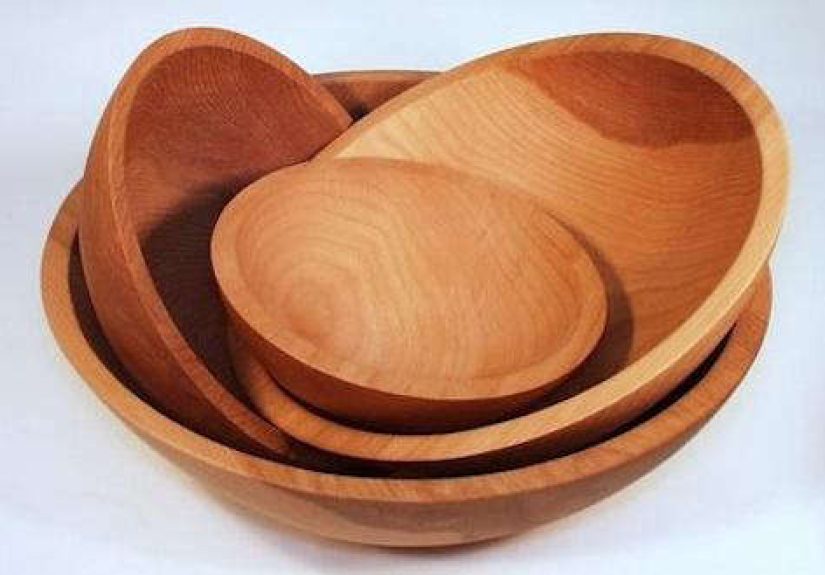
A colonial hardwood bowl is a handcrafted wooden bowl inspired by early American woodenware. Think of the bowls used in colonial kitchens and dining spaces: sturdy, functional, made from available wood, and built to last. Modern versions often keep that old-world spirit while refining the finish and proportions for today’s homes.
In practical terms, the phrase usually refers to a bowl made from solid hardwood such as maple, cherry, or black walnut. It may be used as a wooden salad bowl, a fruit bowl, a serving bowl, or a decorative centerpiece. Some are perfectly round, while others have a slightly organic, almost hand-shaped look that makes them feel less factory-made and more human.
That is part of the appeal. A colonial-style bowl does not chase perfection in the shiny, plastic sense. Instead, it celebrates natural variation: darker heartwood, lighter sapwood, subtle grain changes, and the tiny details that remind you this came from a tree, not a mold in a warehouse the size of Rhode Island.
Why This Style Still Works So Well
Trends change faster than kitchen paint samples, but wooden bowls have staying power. A colonial hardwood bowl works because it sits at a sweet spot between utility and design. It looks right at home in a farmhouse kitchen, a traditional dining room, a minimalist apartment, or a modern space that needs one warm, natural counterpoint.
It brings warmth to hard surfaces
Stone countertops, tile backsplashes, stainless appliances, and glass tables can make a room look crisp, but sometimes too crisp. A hardwood bowl softens that visual edge. The grain adds movement, and the color adds depth. Suddenly the kitchen feels less showroom and more home.
It is useful without looking fussy
Some decorative pieces are beautiful but exhausting. They need special handling, special cloths, special moods. A hardwood bowl is refreshingly honest. You can fill it with salad, citrus, bread, pinecones, ornaments, or absolutely nothing at all. It still looks like it belongs.
It ages well
Good wood tends to look better with time. A bowl that picks up a richer tone, a softer sheen, or gentle signs of use often becomes more attractive, not less. That makes it a rare household object: one that can grow into its role instead of falling apart at the first sign of real life.
The Best Woods for a Colonial Hardwood Bowl
Not all wood bowls are created equal. The species matters for color, weight, grain pattern, durability, and the overall mood of the piece. Here are the hardwoods most often associated with this style.
Maple
Maple is a favorite for a reason. It has a fine, even texture and a clean, light look that fits almost anywhere. If you want a bowl that feels classic, bright, and versatile, maple is hard to beat. It works especially well in kitchens with lighter cabinets, Scandinavian-inspired interiors, or spaces that already have plenty of color and need a quieter supporting actor.
A maple hardwood salad bowl tends to feel fresh and understated. It lets greens, fruit, and baked goods stand out visually, which is helpful if you enjoy hosting and would like your side salad to look slightly more impressive than it has any right to.
Cherry
Cherry has warmth built in. When new, it often starts with a soft reddish-brown tone, then deepens over time into a richer, more mature color. If maple is the tidy overachiever, cherry is the charming one with great lighting in every room.
A cherry wooden bowl works beautifully in traditional homes, transitional interiors, and dining spaces where you want a little glow. It pairs especially well with linen, brass, old pottery, and anything that leans timeless rather than trendy.
Black walnut
If you want drama, walnut is your wood. Black walnut ranges from light brown to deep chocolate tones, often with darker streaks that give the bowl real presence. It reads as sophisticated, substantial, and a little luxurious without becoming flashy.
A black walnut bowl is ideal when you want the bowl itself to be part of the visual story. On a kitchen island, dining table, or console, it can anchor the space even when empty. That is not overconfidence. That is walnut being walnut.
Beech and other hardwoods
Some colonial-style bowls have also been made from beech and other American hardwoods. Beech has a pale body with a warm undertone and a practical, workmanlike feel. While maple, cherry, and walnut tend to lead the conversation today, beech remains part of the traditional hardwood story and suits buyers who want a simpler, less showy look.
How a Colonial Hardwood Bowl Is Made
The most appealing versions are made from a single piece of wood, not glued-up strips that create a checkerboard effect. One-piece construction gives the bowl a cleaner grain flow and a more authentic look. It also ties the piece more closely to historical woodenware traditions, where bowls were shaped from solid stock and designed to be durable household tools.
After shaping, the bowl is dried carefully, sanded smooth, and finished with a food-safe treatment such as mineral oil, beeswax-based cream, or a similar protective finish. A well-made bowl should feel smooth to the touch without feeling slick or plastic-coated. You want to notice the wood, not a shiny layer sitting on top of it like an uncomfortable disguise.
Handcraft also matters. Small differences in shape, grain, color, and weight are not flaws. They are part of the appeal. In fact, if every bowl looks unnervingly identical, it may be technically efficient but a little short on soul.
How to Use a Colonial Hardwood Bowl at Home
One of the best things about this piece is how flexible it is. A colonial-style wooden bowl can move from kitchen workhorse to design centerpiece without any identity crisis.
As a salad or serving bowl
This is the obvious role, and it is a good one. Large wooden bowls are excellent for tossing greens, serving rolls, or presenting roasted vegetables. They make simple food look generous and inviting. Even a Tuesday night salad suddenly feels a little less like obligation and a little more like an event.
As a fruit bowl
A hardwood bowl on the counter filled with lemons, apples, or pears is a design move that never really misses. The organic shape of the fruit echoes the natural grain of the wood, which makes the arrangement feel effortless even when you definitely moved the best apple to the top on purpose.
As a bread or gathering bowl
Colonial-inspired bowls also look wonderful holding fresh bread, dinner rolls, or pastries lined with a folded cloth. The contrast between crusty bread and warm wood is classic and comforting, which is probably why it has worked for generations.
As a decorative centerpiece
If food is not involved, the bowl still earns its place. Fill it with seasonal decor, small pumpkins, ornaments, moss, dried botanicals, or nothing at all. A beautiful bowl can be the centerpiece on its own, especially when the grain is striking or the silhouette has a handcrafted elegance.
How to Style It Without Making Your Table Look Overworked
Styling a colonial hardwood bowl is easy, but there is a difference between “beautifully arranged” and “someone lost a fight with a craft store.” Aim for restraint.
Kitchen island
Place a medium or large bowl in the center with citrus, pears, or a few onions and garlic heads for a more lived-in look. This works especially well when the rest of the kitchen is clean and uncluttered.
Dining table
Use the bowl as the base of a low centerpiece. You can fill it with greenery in spring, fruit in summer, mini pumpkins in fall, or ornaments and pine in winter. Keep the height low enough for conversation. No one wants to discuss mashed potatoes through a wall of decorative branches.
Open shelving or a hutch
Lean the bowl against a backsplash or shelf wall, or place it flat with a few simple objects nearby. Wooden bowls look best when they have room to breathe. Pair them with ceramic pitchers, stacked plates, linen napkins, or brass accents for a layered but calm arrangement.
What to Look for When Buying One
If you are shopping for a colonial hardwood bowl, do not just stare lovingly at the grain and call it a day. A few practical checks will help you buy a bowl that is actually worth bringing home.
Solid hardwood construction
Look for a bowl made from genuine hardwood rather than a thin decorative shell or heavily engineered piece. One-piece construction is especially attractive if you want an authentic, traditional feel.
Food-safe finish
If you plan to use the bowl for serving food, make sure the finish is food-safe. Mineral oil and beeswax-based finishes are common choices. A decorative-only bowl may use a different finish, so read the description carefully.
Balanced thickness
A bowl should feel substantial without being bulky. Too thin, and it may seem flimsy. Too thick, and it can feel heavy and awkward. The best bowls strike a balance between strength and grace.
Natural variation
Embrace variation in color and grain. If the bowl includes both heartwood and sapwood, that contrast can be a feature, not a defect. The beauty of wood is that it does not repeat itself.
The right size for the job
Small bowls are great for keys, snacks, or decorative display. Medium bowls work well for fruit and side dishes. Large bowls are best for salads, bread, or statement centerpieces. Buy for how you live, not just how a staged kitchen photo looks on a particularly aspirational afternoon.
How to Care for a Colonial Hardwood Bowl
A wooden bowl is not high-maintenance, but it does appreciate basic respect. Think of it as a dependable houseguest: easygoing, useful, and not thrilled by being left in standing water.
Wash it gently
Clean the bowl by hand with mild soap and warm water. Do not soak it. Do not put it in the dishwasher. Do not test its emotional resilience with a sink full of hot water and neglect. Wood absorbs moisture, and too much water can lead to warping, cracking, or a dried-out surface later.
Dry it right away
After washing, dry the bowl promptly with a clean towel. Let it air dry completely before storing it away. Moisture is the enemy of good wood care, and letting the bowl sit wet is one of the fastest ways to shorten its life.
Oil it when it looks thirsty
Over time, wood can look dry or feel slightly rough. When that happens, apply a food-safe mineral oil or a beeswax-and-mineral-oil cream. Let it soak in, then wipe off the excess. Many wood-care guides suggest monthly oiling as a baseline, though frequency depends on use and household conditions.
Avoid cooking oils
Olive oil, vegetable oil, and other cooking oils may sound wholesome, but they can turn rancid. Stick with products intended for wood care, especially if the bowl will touch food.
Use common sense with food
A wooden bowl is excellent for salads, bread, fruit, and dry or lightly dressed foods. If you serve something intensely wet, oily, or acidic, clean the bowl soon after. It is a bowl, not a dare.
Why a Colonial Hardwood Bowl Makes a Great Gift
Few home gifts hit as many marks as a quality wooden bowl. It feels personal without being overly specific. It is beautiful without being fragile. It works for weddings, housewarmings, anniversaries, holidays, and “I had no idea what to buy, but I wanted to seem thoughtful” situations.
It also has a useful emotional quality: it gets used. A candle burns down. A trendy gadget gets banished to a drawer. A good bowl stays out, collects stories, and often becomes the thing the recipient reaches for without even thinking about it.
Final Thoughts
A colonial hardwood bowl is more than a serving piece. It is a blend of history, craftsmanship, utility, and design. Rooted in the long tradition of early American woodenware and still perfectly at home in modern interiors, it offers something increasingly rare: beauty that is not fussy and usefulness that is not boring.
Whether you choose maple for its brightness, cherry for its warmth, or black walnut for its depth, the best bowl is the one you will actually live with. Put fruit in it. Toss salad in it. Set it on the table with bread on a Sunday afternoon. Let it gather the small evidence of a well-used home. That is where a wooden bowl shines bestnot under perfect lighting in a catalog, but in real life, where it becomes part of the background of meals, seasons, conversations, and routines.
Real-Life Experiences With a Colonial Hardwood Bowl
Living with a colonial hardwood bowl is one of those surprisingly satisfying home experiences that sounds minor until you actually do it. Then suddenly you realize this one object has become the unofficial host of your kitchen. It sits there on the counter, minding its business, while somehow making everything around it look more intentional. Even when it is holding nothing but three apples and a lemon that has seen better days, it still manages to look composed. Frankly, that is a skill many people would love to have.
One of the first things people notice is how often the bowl gets used without planning to use it. You buy it thinking, “This will be a nice decorative piece,” and within a week it is holding avocados, dinner rolls, mail you swear you were going to sort, and a heroic amount of salad during a family meal. It becomes the bowl you reach for when company comes over, because food just looks better in wood. A basic green salad feels more generous. Bread feels warmer. Even store-bought fruit starts auditioning for a lifestyle magazine spread.
There is also a tactile pleasure to it that is hard to explain until you pick one up. A good hardwood bowl has weight, but not clumsy weight. It feels grounded. The rim feels smooth. The grain catches the light in a way that changes through the day. Morning sun makes maple glow. Evening light gives cherry a cozy depth. Walnut, meanwhile, looks like it owns the place at all hours. That physical presence makes the bowl feel less like decor and more like a companion piece in the room.
Seasonal use is another part of the experience. In summer, the bowl may live on the table full of peaches, tomatoes, or salad for backyard dinners. In fall, it suddenly becomes the perfect place for little pumpkins and nuts. Around the holidays, it can hold ornaments, greenery, or wrapped treats and somehow look festive without trying too hard. Then in January, when the decorations disappear and the house feels a bit plain, a wooden bowl filled with citrus can make the whole kitchen feel awake again.
There is something comforting about caring for it, too. Washing it by hand and rubbing in a little oil now and then does not feel like a chore in the same way scrubbing a sheet pan does. It feels closer to maintenance in the best sense of the wordsmall, simple upkeep that rewards you immediately. The wood looks richer. The grain sharpens. The bowl feels revived. It is one of the few household tasks where the before and after actually feels a little magical.
And perhaps the best experience of all is how naturally it fits into everyday life. Children reach into it for fruit. Guests compliment it without being prompted. You carry it to the table more often than expected. It becomes part of your routines in such a quiet way that you only notice its importance when it is not there. That is the mark of a truly good home object. It does not beg for attention. It earns its place, then keeps earning it, meal after meal, season after season.