Table of Contents >> Show >> Hide
- What You’re Making (and Why It Works)
- Materials and Tools
- Choose Your Style
- Step-by-Step: Classic Stacked Flower Pot Scarecrow
- Step 1: Prep the pots (the “boring” step that saves the whole craft)
- Step 2: Plan the layout (so it stands up without drama)
- Step 3: Build the core structure with twine
- Step 4: Add arms and legs (small pots = instant cuteness)
- Step 5: Paint the face and body colors
- Step 6: Dress your scarecrow (burlap, ribbon, felt, and “patches”)
- Step 7: Add raffia hair and “straw” accents
- Step 8: Top it off with a hat (because every scarecrow deserves a little swagger)
- Step 9: Seal it for outdoor use
- Step-by-Step: Painted Pot Scarecrow Planter
- Painting and Sealing Tips (So Your Scarecrow Doesn’t Flake Out)
- Design Ideas That Look Custom (Without Needing an Art Degree)
- Troubleshooting (Because Hot Glue Has a Mind of Its Own)
- Where to Display Your Flower Pot Scarecrow
- Real-World Crafting Notes: What Making One Feels Like (and What People Learn)
- Conclusion
Fall decorating has two modes: “Pinterest-perfect farmhouse” and “I found a glue gun and now I’m unstoppable.” A flower pot scarecrow DIY is the rare craft that works for both. It’s cute, inexpensive, surprisingly sturdy, and it looks right at home on a porch step, by a planter, or guarding your mums like a tiny, cheerful bouncer.
This guide walks you through two popular versions:
- The Classic Stacked-Pot Scarecrow (a free-standing porch sitter with arms and legs)
- The Painted Pot Scarecrow Planter (a functional flower pot that doubles as fall décor)
Along the way, you’ll get the key painting and sealing tips that keep your terracotta from peeling, bubbling, or looking like it went through an emotional breakup in the rain.
What You’re Making (and Why It Works)
Terracotta pots are lightweight, easy to paint, and naturally “farmhouse” without trying too hard. When you stack pots or flip them upside down, you get instant scarecrow shapes: a rounded head, a chunky body, little “boots,” and pot “hands.” Add raffia hair, burlap clothes, and a friendly face, and suddenly your garden has a new employee who never asks for weekends off.
Materials and Tools
You can improvise a lot here, but having a basic plan keeps you from creating a “flower pot abstract creature” by accident.
Recommended materials (Classic Stacked-Pot Scarecrow)
- Terracotta pots: 2 larger pots (about 6-inch) for head and body, plus 4 small pots (about 3-inch) for hands and feet
- Twine or jute cord (for arms/legs and hanging loop)
- Raffia (hair and “straw” accents)
- Burlap (shirt/vest or patches)
- Beads (optional, but great for “hands,” “knees,” or keeping cords separated)
- Buttons (optional, but adds instant charm)
- Acrylic craft paint and/or paint pens (details are easier with paint pens)
- Hot glue gun + glue sticks (or a strong outdoor-rated craft adhesive)
- Clear sealer (spray or brush-on) if it will live outdoors
- Optional hat: mini straw hat, burlap hat, or felt cap
Recommended materials (Painted Pot Scarecrow Planter)
- 1 terracotta pot + saucer
- Primer (optional but helpful for bright colors)
- Acrylic paint (or outdoor patio paint)
- Raffia (hair)
- Small scrap of burlap or ribbon (hat band / collar)
- Sealer (especially if you’ll plant in it)
Tools
- Foam brush (great for smooth coats)
- Small detail brush
- Scissors
- Fine-grit sandpaper (optional, but useful)
- Drop cloth / kraft paper / newspapers
Choose Your Style
Style A: The Classic Stacked-Pot Porch Scarecrow
This is the classic “stacked pots + twine limbs” scarecrow. It’s a fall decoration you can sit on steps, a shelf, or a covered porch. You can also scale it up by using larger pots (just keep proportions similar).
Style B: The Painted Pot Scarecrow Planter
This is a single pot you paint like a scarecrow face, then dress up with raffia and a mini hat. It’s easier, faster, and perfect if you want a cute planter for mums, ornamental kale, or faux flowers.
Step-by-Step: Classic Stacked Flower Pot Scarecrow
Step 1: Prep the pots (the “boring” step that saves the whole craft)
Wipe off dust, remove stickers, and let the pot dry fully. If your pot has rough ridges, give it a quick sanding so paint goes on smoother. This is also a good time to decide whether your scarecrow will be indoor-only or porch-readybecause that affects sealing later.
Step 2: Plan the layout (so it stands up without drama)
Dry-fit the pieces before gluing:
- Head: one larger pot, usually upside down (rim at the bottom)
- Body: one larger pot, usually upright (open end on top)
- Arms: twine through or between small pots
- Legs/feet: twine legs with small pots as “boots”
If you want your scarecrow to hang (on a hook or wreath hanger), plan a strong hanging loop of twine at the top now.
Step 3: Build the core structure with twine
A common method is threading multiple strands of twine through the drainage hole(s), knotting above beads, and using those strands to create arms and legs.
- Cut four strands of twine (longer than you think; you can trim later).
- Knot them together at the top (this can become your hanging loop).
- Thread a large bead onto all strands (optional, but it helps keep things centered).
- Feed the strands through the drainage hole of the head pot.
- Separate two strands outward for arms, leaving two strands in the middle for the body connection.
- Thread the middle strands down into/through the body pot, then secure with knots or glue where needed.
Stability tip: If the pots wobble, add a bead, extra knot, or a glue “stopper” inside the pot where twine passes through.
Step 4: Add arms and legs (small pots = instant cuteness)
For arms and legs, you can thread twine through small pots and knot beneath them. Small pots make great “hands” and “feet” with almost no extra effort.
- Arms: Thread twine through a small pot, add a bead (optional), and knot to secure.
- Legs: Repeat the same idea for two longer twine strands; attach legs inside the body pot so they hang forward like a porch sitter.
Step 5: Paint the face and body colors
Paint the head pot a warm “face” tone (tan, beige, or a classic scarecrow buff). Paint the body pot like clothingoveralls, a plaid shirt vibe, or a simple solid color that won’t fight with your wreath.
Easy face formula: rosy cheeks, a triangle or button nose, and stitched smile lines. Add white highlights to the eyes if you want your scarecrow to look extra alive (in a friendly way, not a horror-movie way).
Step 6: Dress your scarecrow (burlap, ribbon, felt, and “patches”)
This is where the personality happens. Wrap burlap around the body pot like a shirt or vest, then add a strip of ribbon as a “collar” or “shirt band.” Felt makes an easy vest, and small burlap squares look like patches.
- Plaid ribbon shirt: wrap once around the body pot and glue at the back.
- Felt vest: cut a simple rectangle with a V-neck and glue it in place.
- Button row: glue three buttons down the front for instant “outfit.”
Step 7: Add raffia hair and “straw” accents
Cut raffia into short lengths and glue it:
- around the head rim for hair
- near the wrists/arms for straw “cuffs”
- near the feet for straw “ankles”
Don’t burn your fingers: use a popsicle stick or scrap cardboard to press raffia into hot glue.
Step 8: Top it off with a hat (because every scarecrow deserves a little swagger)
Glue on a mini straw hat, felt cap, or a simple burlap circle folded into a floppy hat shape. Add a tiny ribbon hatband, and your scarecrow instantly looks like it has plans after work.
Step 9: Seal it for outdoor use
If your scarecrow will sit outside (even on a covered porch), sealing helps paint last longer and reduces peeling. Apply a clear sealer in thin, even coats, and let it cure before exposing it to moisture.
Step-by-Step: Painted Pot Scarecrow Planter
If you want something quicker (or you want a functional fall planter), this version is your best friend.
Step 1: Clean, dry, and (optionally) prime
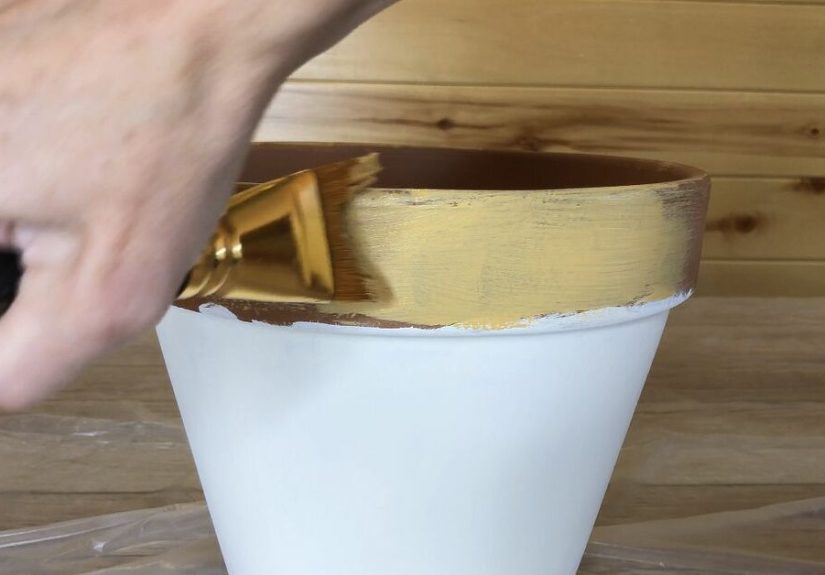
Clean the pot, let it dry, and sand lightly if the surface is rough. If you’re going for bright colors or crisp lines, a primer can help.
Step 2: Paint a scarecrow face
Paint the outside of the pot in a face tone. When dry, add features:
- black dot eyes (or painted ovals)
- a small orange nose (triangle or button shape)
- stitched smile lines
- rosy cheeks (a sponge dab works great)
Step 3: Add “clothes” details
Paint the rim a contrasting color, or add a band of “plaid” using simple stripes. You can also paint a faux patch near the bottommake it slightly crooked for charm. Perfectly straight patches look like your scarecrow files taxes early.
Step 4: Glue on raffia hair and a mini hat
Glue raffia under the rim so it looks like straw hair. Add a small hat (or a burlap bow) near the rim edge. If you’re planting in the pot, keep embellishments away from the interior rim so soil doesn’t snag them.
Step 5: Seal (especially if it will hold a real plant)
Seal the painted pot so watering doesn’t cause bubbling or peeling. Let the sealer fully cure before adding soil.
Painting and Sealing Tips (So Your Scarecrow Doesn’t Flake Out)
Terracotta is porousseal matters
Water can seep through terracotta. If moisture gets trapped under paint, it can cause bubbling and peeling over time. If your project will be outdoors or used as a planter, sealing is the difference between “cute all season” and “sad by next Tuesday.”
Seal inside and out (and don’t forget the bottom)
For planters and outdoor décor, apply sealer to the outside, then the inside, and include the bottom. The goal is to reduce moisture wicking through the clay.
Keep the drainage hole clear
If you plan to use a pot as a planter, avoid sealing or clogging the drainage hole. Drainage keeps plant roots healthier and prevents waterlogging.
Let it cure before watering
Many sealers feel dry quickly but need longer to cure. Waiting a couple of days before exposing the pot to moisture helps the finish hold up better.
Ventilation isn’t optional
If you use spray primer, spray shellac, or spray sealer, work outside or in a well-ventilated area and protect your surface with kraft paper or a drop cloth.
Design Ideas That Look Custom (Without Needing an Art Degree)
1) Classic plaid-and-patches porch sitter
Use plaid ribbon as a shirt band, felt as a vest, and burlap squares as patches. Add three buttons down the front. Finish with raffia hair and a straw hat. It’s cozy, traditional, and pairs well with pumpkins and mums.
2) Sunflower helper scarecrow
Glue a small faux sunflower near the hat band, or tuck a mini bouquet into the scarecrow’s “arm” area. This looks especially good if your porch has sunflower wreaths or yellow accents.
3) Modern “neutral farmhouse” scarecrow
Paint the clothing in soft cream, warm gray, and muted sage. Use jute cord instead of bright ribbon. Add minimal face features and let texture (burlap + raffia) do the heavy lifting.
4) Kid-made goofy scarecrow
Let the face be sillybig eyes, freckles, mismatched buttons. It’s fall décor with personality, and honestly, goofy scarecrows have better vibes than serious scarecrows.
Troubleshooting (Because Hot Glue Has a Mind of Its Own)
My scarecrow wobbles
- Make sure the “body” pot sits flat; sand the rim if needed.
- Add a bead and knot inside the pot to stop twine from shifting.
- Use a heavier base pot or add weight inside (like a small stone) if it’s purely decorative.
The raffia won’t stick
- Glue in small sections instead of one long line.
- Press raffia in with a stick so it bonds before the glue skins over.
- If the pot is dusty, wipe firsthot glue hates dust almost as much as it hates being used carefully.
My paint looks streaky
- Use a foam brush for base coats.
- Apply two thin coats instead of one thick coat.
- Consider priming if you want bright, saturated color.
The paint is peeling outdoors
- Seal inside and out (especially for planters).
- Let the sealer cure fully before moisture exposure.
- Bring terracotta décor in during freezing weather to reduce cracking risk.
Where to Display Your Flower Pot Scarecrow
- Porch steps: classic porch sitter placement
- Entry bench: pair with a lantern and mini pumpkins
- Garden bed edge: best for sealed, weather-ready versions
- Indoor shelf: no sealing stress, maximum coziness
Storage tip: After the season, wrap it loosely (especially the raffia) and store somewhere dry. Moisture + raffia = “mystery smell” you do not want next September.
Real-World Crafting Notes: What Making One Feels Like (and What People Learn)
Making a flower pot scarecrow is one of those crafts that starts out calmclean the pot, paint the base coat, sip a drink of choiceand then suddenly you’re in the middle of a tiny fashion show where a terracotta pot is being styled like it has a fall photoshoot at 4:00. The fun part is how quickly it turns from “two pots and string” into a character. The moment you add the eyes and cheeks, it stops being a project and starts being “that little guy who lives on the porch.”
Most crafters discover the same surprise: proportions matter more than perfection. A slightly lopsided patch can look charming, but a hat that’s too big can make your scarecrow look like it’s borrowing clothes from an older sibling. The easiest way to avoid that is to dry-fit everything firsthold up the hat, wrap the ribbon, test the raffia placementbefore you commit with hot glue (because hot glue is very confident and never admits it was wrong).
There’s also the “outdoor reality check.” A scarecrow that looks flawless on the kitchen table can look different on the porch where wind, sun, and humidity show up uninvited. That’s why people who make these every year tend to be passionate about sealing. The extra few minutes of sealing and cure time pays off when your paint still looks crisp weeks later instead of developing tiny bubbles like it’s trying to text you: “Help, moisture got in.”
If you’re crafting with kids (or just crafting like a kid, which is valid), this project is a winner because it has natural milestones: paint is done, face is done, hair is done, outfit is done. Each step feels like progress, so nobody gets bored halfway through. And if the face turns out goofy? Congratulationsyou just made the most lovable scarecrow on the block. The most charming versions are rarely the most “perfect.” They’re the ones with personality: freckles, mismatched buttons, and a smile that looks like it was drawn by someone who genuinely enjoys fall.
One funny pattern people mention is that the “simple craft” becomes a full-on decorating spiral. You finish the scarecrow, set it on the porch, and suddenly the porch looks like it needs a pumpkin. Then the pumpkin looks lonely, so it needs a mum. Then the mum needs a basket. Next thing you know, you’re one plaid throw blanket away from starring in a seasonal home tour. The scarecrow didn’t just become décorit became the excuse for décor, and honestly, that’s part of the magic.
Finally, the best part of this DIY is how easy it is to repeat with variations. After making one, many people immediately start planning a second: taller pots, brighter colors, a different hat, maybe a sunflower theme, maybe a spooky-cute Halloween version. It’s a craft you can do every year without it feeling repetitive, because you can change the “outfit” and the face and end up with a whole new character. Your porch gets a little fall tradition, and your flower pots get a second life as something way more fun than “container #7.”
Conclusion
A flower pot scarecrow DIY is the sweet spot of fall crafting: simple materials, big personality, and enough customization to make it feel truly yours. Whether you build the classic stacked-pot porch sitter or paint a scarecrow planter for mums, the key is prep, thin paint layers, and sealing if it’ll see weather or watering. Add raffia hair, burlap “clothes,” and a hat, and you’ll have a piece of DIY fall décor that looks charming from the curband even better up close.