Table of Contents >> Show >> Hide
- 1) Start With a Bed Size That Makes Layout Easy (Not Painful)
- 2) Place the Bed Where Plants Can Actually Photosynthesize Like They Mean It
- 3) Design the Layout Around Light: Height, Shade, and Trellises
- 4) Pick a Spacing System You’ll Actually Follow
- 5) Build Your Layout From “Anchor Plants” First
- 6) Use Companion PlantingBut Keep It Practical
- 7) Plan for Watering Before You Plant (Future You Will Thank You)
- 8) Rotate by Plant Family (Even in Raised Beds)
- 9) Add Succession Planting to Multiply Your Harvest
- Two Example Raised Garden Bed Layouts You Can Copy
- 10) Common Layout Mistakes That Quietly Kill Yield
- Conclusion: The “Maximum Growth” Layout Is Really a Maximum-Clarity Layout
- of Real-World Experiences and “Wish I’d Known” Lessons
If a raised garden bed is a tiny stage, your plants are the cast. Some are dramatic (tomatoes), some are clingy (peas), and some absolutely insist on taking up more space than their résumé suggests (zucchini, I’m looking at you). The difference between a bed that “kinda grows stuff” and a bed that pumps out baskets of produce often comes down to layout: where you put the bed, how you arrange plants by height and timing, and whether you leave enough breathing room for airflow, harvest access, and your own sanity.
This guide walks you through a practical raised garden bed layout that maximizes growthwithout turning your backyard into an overachieving spreadsheet. You’ll get proven bed-sizing rules, spacing strategies (including a simple grid method), smart trellis placement, crop-family rotation basics, succession planting ideas, and two example layouts you can adapt to what you actually like to eat.
1) Start With a Bed Size That Makes Layout Easy (Not Painful)
The best layout in the world won’t help if you can’t reach your plants without stepping into the bed and compacting the soil. Most university extension guidance lands on the same sweet spot:
- Width: Aim for 3–4 feet wide if you can access both sides. That’s because most adults can comfortably reach about 2 feet into a bed from the edge.
- If one side is blocked (against a fence/house), keep width to roughly 2–2.5 feet so you’re not doing yoga poses to harvest lettuce.
- Length: Choose what fits your space, but remember: longer beds need smart access points. Some guidance suggests extra staking or reinforcement if beds extend beyond about 6 feet.
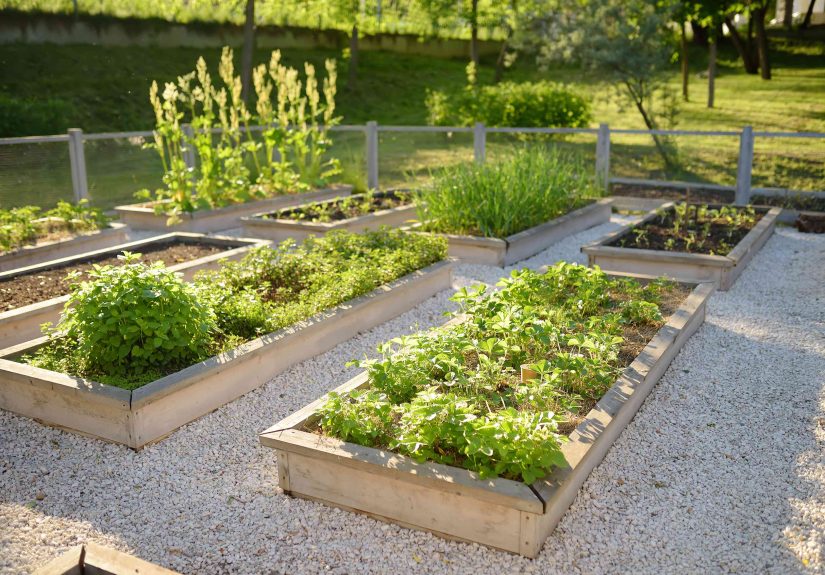
Classic beginner-friendly size: a 4×8 bed. It’s big enough to grow real food, small enough to manage, and it works beautifully with grid-based spacing.
Don’t Forget the “Invisible Bed”: Your Paths
Your paths are part of your layout. If you can’t comfortably walk, kneel, turn with a bucket, or roll a wheelbarrow, your garden will slowly become an “I’ll deal with it later” museum.
- 3 feet is a comfortable main path width for many home gardens.
- Up to 4 feet can be standard when accessibility is a priority (or if you want mower/wheelchair-friendly movement).
2) Place the Bed Where Plants Can Actually Photosynthesize Like They Mean It
Layout starts before you plant anything: location determines sun, wind, water convenience, and drainage. For most vegetables and fruiting crops, target 6–8 hours of direct sun daily.
Site checklist (fast, but powerful)
- Sun: Prioritize the sunniest spotespecially for tomatoes, peppers, cucumbers, squash, and beans.
- Water access: Put the bed close enough that watering isn’t a daily endurance event.
- Drainage: Raised beds help, but they still need decent drainage. Avoid low spots where water pools after rain.
- Wind: A windy corner can stunt plants and dry soil fast. If wind is intense, plan for a windbreak (a fence, shrubs, or even a temporary screen).
3) Design the Layout Around Light: Height, Shade, and Trellises
In the U.S. (Northern Hemisphere), the sun arcs across the southern sky. That means tall plants can cast shade onto shorter onesespecially in the morning and late afternoon. Your layout should treat height like seating at a concert: tall folks in the back.
Simple rule: Tall crops on the north side, short crops on the south
Place trellises on the north edge of the bed so climbing crops (peas, pole beans, cucumbers) don’t shade the entire party. Then tuck sun-lovers (peppers, basil) where they’ll still get strong light. This “north-wall trellis” trick is one of the easiest ways to boost overall growth without adding a single inch of soil.
Also consider airflow: crowding tall, leafy plants together can trap humidity and encourage disease. Better spacing and smart orientation help keep leaves drier after watering or rain.
4) Pick a Spacing System You’ll Actually Follow
“Maximum growth” isn’t the same as “maximum plants.” Cramming seedlings like sardines can reduce yield if plants fight for light, nutrients, and air. You have two layout approaches that work well in raised beds:
Option A: The Grid Method (Square-Foot Style)
Divide the bed into 1-foot squares (string, tape, thin wood slatswhatever looks tidy to you). Then plant each square based on a spacing guide: one tomato per square (often with support), multiple carrots per square, and so on. This method is popular because it makes planning visual and reduces wasted space.
Pro layout tip: In a 4×8 bed, you get 32 squares. That’s enough to build “zones” (salad zone, salsa zone, stir-fry zone) instead of planting a chaotic vegetable roulette.
Option B: Traditional Spacing (Seed Packet / Plant Tag)
If you prefer rows or clusters, follow recommended spacing and leave intentional access lanes within the bed (especially for sprawling crops). This approach can be better for larger plants like squash and tomatoes that need real elbow room and consistent pruning/harvesting access.
5) Build Your Layout From “Anchor Plants” First
Here’s a gardener-friendly strategy that prevents the classic mistake of planting 27 “small” seedlings and later discovering you installed a zucchini that thinks it’s a jungle vine.
Step-by-step anchor layout
- Place big, long-season crops first: tomatoes, peppers, eggplant, cucumbers, squash. These dictate the bed’s structure for months.
- Add trellis crops next: peas in spring, pole beans in summer, cucumbers with vertical support to save space.
- Fill gaps with quick crops: lettuce, radishes, scallions, baby greensthings you can harvest before the big plants take over.
- Reserve “succession squares”: keep 10–25% of the bed planned for follow-up plantings (more on this below).
6) Use Companion PlantingBut Keep It Practical
Companion planting gets hyped like it’s a magical vegetable dating app. The reality: some pairings are helpful, others are tradition, and a few are “maybe, depending on your garden.” Still, companion planting can improve diversity, attract beneficial insects, and make more efficient use of bed edges and corners.
Layout-friendly companion moves
- Herb corners: Add basil, dill, parsley, chives, or thyme in corners/edges to use space efficiently and bring pollinators nearby.
- Flower “guards”: Nasturtiums, marigolds, and other blooms can draw beneficial insects and make the bed feel alive (and less like an agricultural spreadsheet).
- Avoid known feuds: Some planting guides list combinations to avoid; when in doubt, separate the two plants by a row or two (or place them in different beds next season).
7) Plan for Watering Before You Plant (Future You Will Thank You)
Raised beds can dry out faster than in-ground gardens, especially in heat or wind. Layout that ignores irrigation often leads to uneven growth: one end of the bed thriving, the other end auditioning for a desert documentary.
Easy irrigation layout ideas
- Soaker hose “loop”: Great for smaller raised bedssnake it through the bed, then cover with mulch to reduce sun damage and evaporation.
- Drip lines by zone: Drip systems can be more precise and efficient when you have mixed plant spacing (big tomatoes + tight carrots).
Layout insight: Group crops with similar watering needs. For example, keep thirsty cucumbers and basil closer together, and avoid mixing them with drought-tolerant herbs that prefer to dry slightly between waterings.
8) Rotate by Plant Family (Even in Raised Beds)
One raised bed is not a giant reset button. Planting the same family in the same spot every year can encourage pest and disease buildup and can unbalance soil fertility. Rotating cropsespecially by familyhelps manage those risks.
Simple family-based rotation for layout planning
- Nightshades: tomatoes, peppers, eggplant, potatoes
- Cucurbits: cucumbers, squash, zucchini, melons
- Brassicas: broccoli, cabbage, kale, cauliflower
- Legumes: beans, peas
- Alliums: onions, garlic, leeks
Raised bed hack: If you have multiple beds, rotate “themes” by bed each year (Bed A = nightshades, Bed B = cucurbits, etc.). If you only have one bed, rotate within sections and refresh soil with compost thoughtfullywithout overdoing it.
9) Add Succession Planting to Multiply Your Harvest
Maximum growth isn’t just what you plantit’s when. Succession planting means planting follow-up crops as soon as space opens up, extending harvests through the season.
Succession layout examples
- Spring: peas on a trellis + spinach + radishes
- Early summer swap: when radishes finish, replace with basil or bush beans
- Late summer/fall: after beans, plant quick greens or fall brassicas (depending on your region and timing)
Layout trick: Designate a few squares (or a strip along the front edge) as “replant zones.” That way you’re not trying to jam new seedlings into an already crowded jungle.
Two Example Raised Garden Bed Layouts You Can Copy
Example 1: 4×8 “Salsa + Salad” Layout (Great for Beginners)
North edge (trellis line): cucumbers or pole beans on a trellis (2–4 plants depending on variety and spacing).
Back row (tall anchors): 2 tomatoes (staked/caged) spaced so you can reach around them for pruning and harvest.
Middle zone: 2–3 peppers + basil interplanted in gaps (basil stays smaller and fills space well).
Front/south edge (quick & repeatable): lettuce mixes, scallions, cilantro, radishes. Harvest-and-replant this strip all season.
Corner flowers: marigold or nasturtium at two corners to draw pollinators and make the bed look like you meant to do this on purpose.
Example 2: 4×8 “Spring-to-Fall Production” Layout (Succession-Focused)
- Early spring: peas on north trellis + spinach and radishes in the south half.
- After peas: swap to cucumbers on the same trellis.
- After spinach/radishes: swap to bush beans, basil, or more heat-tolerant greens.
- Late season: after beans, plant fast fall greens if your climate allows, or cover-crop with something simple to protect soil.
This style of layout keeps the bed “working” instead of peaking once and fading.
10) Common Layout Mistakes That Quietly Kill Yield
- Making beds too wide: If you can’t reach the center, you’ll step in the bed, compact soil, and reduce root performance.
- Ignoring height and shade: Tall crops in the front can block sunlight for everything else.
- Planting all slow growers: If every plant takes 80+ days, you miss the chance for multiple harvest waves.
- Overloading compost forever: Compost is fantastic, but repeated heavy applications can build certain nutrients (like phosphorus) and salts over time. Balance compost with soil testing and moderation.
- No harvesting access: If you can’t get to the back corner without playing Twister, you’ll “forget” to harvest, and the plant will go to seed out of spite.
Conclusion: The “Maximum Growth” Layout Is Really a Maximum-Clarity Layout
A raised garden bed layout that maximizes growth is less about cramming plants in and more about smart design: a reachable bed width, a sunny location, tall crops placed to avoid shading, spacing that supports airflow, irrigation planned from day one, and a simple strategy for succession planting. Add crop-family rotation and a few companion-friendly herbs and flowers, and you’ll have a bed that produces heavily without turning into chaos.
If you only do three things: (1) keep the bed 3–4 feet wide, (2) trellis tall climbers on the north edge, and (3) reserve space for succession plantingyou’ll be shocked how much more food (and less frustration) comes out of the same square footage.
of Real-World Experiences and “Wish I’d Known” Lessons
Gardeners love to talk about “the perfect plan,” but the most useful lessons usually show up mid-seasonwhen your bed looks like a leafy soap opera and you’re trying to remember why you thought four zucchini plants was a reasonable personality choice.
Lesson #1: The bed edge is premium real estate. New raised-bed growers often plant everything in the middle and leave the border empty “for later.” Then later arrives, and later is weeds. A lot of experienced gardeners treat the south edge like a rotating buffet: quick greens in spring, basil or scallions in summer, and a final round of fast fall greens (if climate allows). It’s the easiest way to get multiple harvests without reorganizing the whole bed.
Lesson #2: Trellises aren’t optionalyour future knees will vote yes. Even if you have room to sprawl, going vertical makes harvesting cleaner, reduces fruit rot, improves airflow, and frees space for other crops. Cucumbers off the ground are easier to spot (no more “surprise pickle archaeology”), and pole beans on a trellis can produce like they’re trying to win an award. Gardeners who try vertical growing once often redesign their entire layout around it the next yearbecause the payoff is that obvious.
Lesson #3: “Spacing” is really disease prevention in disguise. In humid stretches, crowded leaves stay wet longer, and problems spread faster. A common experience is learning that the plant spacing you can get away with in a breezy, dry climate may backfire in a warm, damp one. Many gardeners start with a tight layout, then gradually widen spacing for tomatoes, squash, and cucumbers because it reduces headaches later. You harvest more when plants stay healthy, even if you planted fewer starts.
Lesson #4: The first year is about learning your microclimate, not perfection. Two raised beds in the same yard can behave differently. One might bake in reflected heat near a driveway; another might stay cooler near a fence. People often notice that lettuce bolts earlier in the hotter bed, while peppers love it. The “maximum growth” move is adjusting next season’s layout based on what you observed: put heat-lovers in the warm bed, cool-season crops in the gentler one, and stop arguing with physics.
Lesson #5: Don’t let compost turn into a personality trait. Gardeners adore compost (for good reason), but a common long-term experience is that constantly piling on rich composted manure can create nutrient imbalances. Many experienced growers shift toward “add compost, but test and observe,” focusing on steady organic matter plus occasional targeted amendments rather than dumping more compost every time a plant looks at them funny.
Lesson #6: Layout is a living document. The most productive raised beds often aren’t the most complicatedthey’re the ones where the gardener keeps notes. A quick sketch, a phone photo once a month, and a note like “peas finished June 10” makes succession planting dramatically easier next year. Maximum growth comes from the layout you can repeat, refine, and actually enjoynot the one that looks impressive on paper and then collapses under the weight of summer reality.