Table of Contents >> Show >> Hide
- What Makes Little Gem Magnolia “Little” (and Why That’s a Big Deal)
- Best Climate, Sunlight, and Placement
- Soil Requirements (AKA: Give the Roots What They Want)
- How to Plant a Little Gem Magnolia (Without Making It Mad)
- Watering Little Gem Magnolia: The “Goldilocks” Rules
- Fertilizing for Growth and Flowers (Without Overdoing It)
- Pruning Little Gem Magnolia: Less Is More
- Blooms, Fragrance, and the “Why Are Leaves Falling?!” Moment
- Growing Little Gem Magnolia in a Container
- Common Pests and Diseases (and What to Do About Them)
- Troubleshooting: Quick Fixes for Common Little Gem Magnolia Problems
- Seasonal Care Calendar
- Landscape Ideas: Ways to Use Little Gem Magnolia
- Frequently Asked Questions
- Conclusion
- Real-World Experiences: What Gardeners Actually Run Into (and How They Win)
- 1) “It was perfect… then it started dropping leaves!”
- 2) The “I planted it and it just sat there” phase
- 3) “My flowers are turning brown. Is it sick?”
- 4) Sticky leaves, black soot, and sudden suspicion of the whole neighborhood
- 5) Container success stories (and the one rule everyone learns)
- 6) The “I want it to be a hedge” experiment
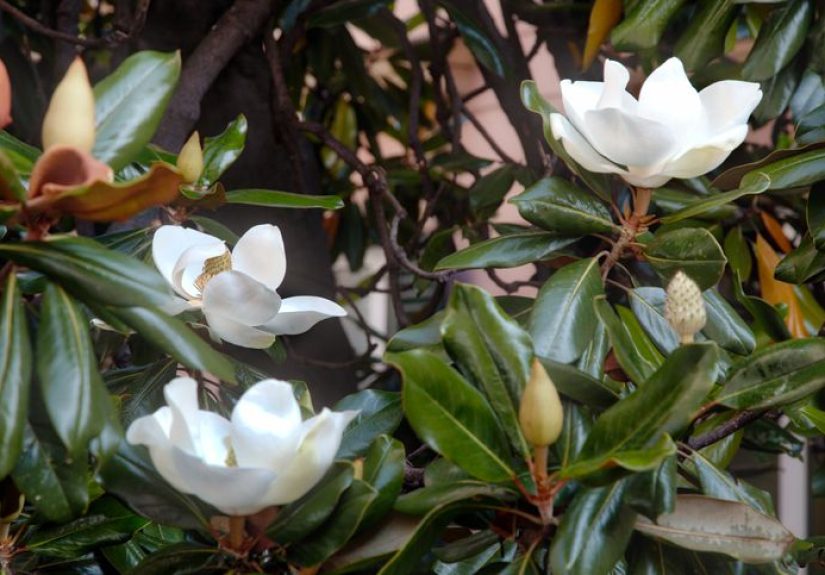
If Southern magnolias are the glamorous movie stars of the tree world, the Little Gem magnolia
is the celebrity who still shops at Targeticonic, polished, and somehow fits in your yard without demanding a
trailer the size of Texas. Officially Magnolia grandiflora ‘Little Gem,’ this compact evergreen brings
glossy leaves, rusty-brown undersides, and fragrant white blooms that can make your patio smell like you spent
money on a fancy candle… but you didn’t.
This guide walks you through everything you need to grow Little Gem magnolia successfully:
where to plant it, how to water and feed it, what to prune (and what to leave alone), and how to handle common
problems like leaf spot or scale insectswithout turning your gardening hobby into a full-time detective job.
What Makes Little Gem Magnolia “Little” (and Why That’s a Big Deal)
“Little” is relative. Compared with a standard southern magnolia that can dominate a landscape, Little Gem is a
dwarf southern magnoliamore “small tree” or “large shrub” vibes. In many home landscapes it
matures around 15–25 feet tall, though in warm climates and over many years it can stretch
taller. Either way, it’s narrow enough to work in tighter spaces, along a fence, or near a patio where you can
actually enjoy the scent of the flowers instead of smelling them from a distance like a confused neighbor.
Signature features you’ll notice right away
- Evergreen foliage with glossy dark-green tops and fuzzy, rusty undersides
- Fragrant white blooms in late spring and summer, often repeating until frost in warmer areas
- Upright, dense form that works beautifully as a screen, hedge, or statement plant
- Leaf drop happensespecially in spring and sometimes fallso plan for a little “tree confetti”
Best Climate, Sunlight, and Placement
USDA zones and cold tolerance
Little Gem is generally happiest in USDA Zones 7–9, and it can do well into Zone 10 in many
landscapes. In protected microclimates, some gardeners push it into Zone 6 (think: sheltered
from wind, stable winter temps, and no “polar vortex surprise parties”).
Sun exposure: the sweet spot
For the best blooms, aim for full sun to partial shade. In many regions, the gold standard is
morning sun with afternoon shade: enough light to flower well, with protection from intense
heat that can stress leaves or make flowers brown faster.
Where to plant it for maximum payoff
- Near patios/decks so you can enjoy the fragrance
- As a privacy screen (its dense habit is a natural “green wall”)
- Along driveways or walkwaysbut not so close you’ll resent the leaf litter
- Avoid tight corners where air can’t move and leaves stay wet (hello, fungal leaf spot)
Soil Requirements (AKA: Give the Roots What They Want)
Drainage matters more than perfection
Little Gem prefers moist, organically rich, well-drained soil. It can tolerate clay, loam, and
sand as long as drainage isn’t terrible. Think “evenly moist sponge,” not “swamp,” and definitely not “cracked
desert sidewalk.”
Soil pH: slightly acidic is ideal
Aim for slightly acidic soil (many gardeners target roughly the mid-5s to mid-6s). In naturally
alkaline regions, this is where Little Gem can get fussyyellow leaves, slower growth, and fewer blooms can
follow if pH is too high and nutrients become less available.
Quick ways to improve planting soil
- Mix in compost to boost organic matter and moisture-holding capacity
- Use pine bark fines as a mulch and soil conditioner over time
- Skip heavy doses of “magic” amendmentssteady improvement beats soil alchemy
How to Plant a Little Gem Magnolia (Without Making It Mad)
Magnolias are famous for not loving root disturbance. So the mission is simple:
plant it once, plant it right, then let it settle in like it’s paying rent.
Step-by-step planting
-
Choose the timing. In colder zones, plant in spring after hard freezes. In warmer zones,
fall or winter planting can reduce heat stress and help roots establish before summer. -
Dig a wide hole. Make it 2–3x wider than the root ball, but not deeper than the root ball’s
height. -
Set at the right depth. The top of the root ball should sit level with, or slightly above,
the surrounding soil. -
Check for circling roots. If roots are wrapping around the pot, gently tease or cut problem
roots so they don’t become girdling roots later. - Backfill, water, and settle. Water thoroughly to eliminate air pockets.
-
Mulch like a pro. Add 2–3 inches of mulch, but keep it a few inches away from the trunk.
(Mulch volcanoes are not a personality trait.)
Pro tip: the bark on magnolias can be thin and easier to damage than you’d expect. Keep string trimmers and
lawnmowers from “lovingly” bumping the trunk.
Watering Little Gem Magnolia: The “Goldilocks” Rules
Year 1–2: establishment is everything
For the first year (sometimes two), consistent moisture helps the tree build a strong root system. Water deeply
so moisture reaches the root ball and surrounding soilnot just the top inch that evaporates before your
magnolia even notices.
After establishment: steady, not soggy
Once established, Little Gem is moderately drought-tolerantespecially when it has plenty of
soil space for root expansion. In restricted areas (tiny beds, hot reflected heat near pavement, compacted
soils), it may need more regular watering to avoid stress.
A practical watering rhythm
- Newly planted: 1–2 deep waterings per week (adjust for rain and soil type)
- Established: deep watering during dry spells; don’t rely on shallow sprinkler mist
- Heat waves: watch for drooping leaves or crispy edges and water early in the day
Example: In sandy soil, water more often (it drains fast). In clay, water less often but more deeply (and make
sure the area drainsstanding water is the villain in this story).
Fertilizing for Growth and Flowers (Without Overdoing It)
Little Gem is not a high-maintenance diva, but it does appreciate nutrients when it’s establishing and
flowering. The best approach is: feed lightly, and only when it helps.
When to fertilize
- Early spring: apply a slow-release fertilizer for trees/shrubs or an acid-loving blend
- Optional mid-season: if growth is weak and a soil test supports it
- Avoid late-season nitrogen: it can push tender growth right before cold weather
Container-grown Little Gem magnolia
In pots, nutrients leach out faster. Many gardeners feed container magnolias with
monthly diluted liquid fertilizer during the growing season, and switch to a
slow-release fertilizer in fall for woody plants.
Pruning Little Gem Magnolia: Less Is More
If you take one thing from this section, let it be this: Little Gem doesn’t need a haircut every time
you get bored. It naturally forms a tidy, upright shape. Your job is mainly to remove problems and
guide structure.
Best time to prune
Prune after the main flush of flowering (often late spring into early summer). That way you’re
not removing potential blooms. Always remove dead, damaged, or diseased wood whenever you see it.
What to prune (and what not to)
- Do: remove rubbing/crossing branches, dead tips, and weak shoots
- Do: choose whether you want a single trunk (tree form) or multi-stem (shrub form)
- Don’t: top the tree (it ruins structure and invites stress)
- Don’t: remove lots of lower limbs unless you’re surethose gaps don’t always “fill back in”
Blooms, Fragrance, and the “Why Are Leaves Falling?!” Moment
When will it bloom?
One reason people love this cultivar: it often blooms youngsometimes within a few yearsthen continues
producing flowers through summer (and sometimes into fall in warm climates). Put it where you walk by it, or
you’ll miss half the show.
Is spring leaf drop normal?
Yes. Even though it’s evergreen, Little Gem can shed older leaves in spring as new growth emerges. It can look
dramatic for about 15 minutes, then you realize it’s just the tree doing seasonal housekeeping. Rake, compost,
repeat.
Growing Little Gem Magnolia in a Container
Yes, you can grow a Little Gem magnolia in a pot, and it can look fantasticespecially on a
sunny patio or near an entry. The trick is remembering that container life is like living in a studio
apartment: everything happens faster, including drying out and running out of nutrients.
Container checklist
- Go big: use a large container with drainage holes
- Use rich, well-draining mix: potting mix with added compost works well
- Water thoroughly: water until it drains out the bottom, then don’t let it sit in water
- Mulch the surface: a thin mulch layer helps keep roots cooler and reduces evaporation
- Repot/root-prune as needed: slow growth means you won’t repot constantly, but eventually it may be necessary
Winter protection for potted magnolias
Containers expose roots to colder temperatures than in-ground planting. In cold winters, protect the pot by
insulating it, clustering it with other pots, or moving it to an unheated garage/sheltered spot during the
harshest cold.
Common Pests and Diseases (and What to Do About Them)
Scale insects (including magnolia scale)
Scale can show up as bumps on twigs/branches and often causes sticky honeydew that leads to
sooty mold. It’s one of those problems you don’t notice until your patio furniture feels like
someone spilled soda on it.
- First response: prune out heavily infested twigs when practical
- Gentler controls: dormant-season horticultural oil can reduce overwintering scales
- Timing matters: many treatments work best against the “crawler” stage in warmer months
- Protect pollinators: avoid spraying insecticides during bloom; follow label directions exactly
Leaf spot and blight
Fungal leaf spots can appear as dark spots with lighter centers and may be surrounded by a yellow halo. The good
news: on established trees, it’s often more cosmetic than catastrophic. The better news: you can reduce it with
simple cultural fixes.
- Clean up fallen leaves (don’t give fungi a free winter vacation)
- Improve airflow (avoid crowding and heavy shading)
- Water at the base instead of overhead when possible
- Fungicides are usually preventative; if used, apply early and follow product labels
Verticillium wilt (rare, but serious)
Magnolia can be susceptible to verticillium wilt, a soil-borne disease that can cause branch dieback and
decline. There isn’t a reliable “spray it and forget it” cure. If you suspect it, consult local extension
guidance and consider soil testing for confirmation.
Troubleshooting: Quick Fixes for Common Little Gem Magnolia Problems
Yellow leaves
- Possible cause: soil too alkaline or nutrient lockout
- Try: check pH, add organic matter, and use a fertilizer formulated for acid-loving plants
Brown leaf edges or scorched foliage
- Possible cause: drought stress, reflected heat, hot afternoon sun
- Try: deeper watering, mulch, and (if feasible) afternoon shade
No flowers (or very few)
- Possible cause: too much shade, too much nitrogen, or the tree is still young
- Try: increase light exposure, fertilize moderately, and be patientmagnolias bloom on their own schedule
Branch dieback after cold snaps
- Possible cause: freeze damage or temperature swings
- Try: wait until frost risk passes, then prune dead wood back to healthy tissue
Seasonal Care Calendar
Want the “do this, not that” version? Here’s a simple schedule that keeps your
Little Gem magnolia care on track.
| Season | What to Do |
|---|---|
| Spring | Plant (where appropriate), mulch, begin deep watering, apply slow-release fertilizer if needed, watch for spring leaf drop. |
| Early Summer | Enjoy blooms, water during dry spells, prune lightly after flowering, monitor for scale and leaf spots. |
| Late Summer–Fall | Continue watering in drought, clean up fallen leaves, monitor scale (often easier to spot), avoid heavy nitrogen late. |
| Winter | Protect young trees from wind, consider dormant oil for scale if needed, keep mulch refreshed (not touching trunk). |
Landscape Ideas: Ways to Use Little Gem Magnolia
- Evergreen privacy screen: line several along a fence for a dense, glossy backdrop
- Foundation accent: one focal tree near an entry (leave room for mature width)
- Patio fragrance anchor: place where summer breezes carry the scent
- Mixed screen: pair with shrubs of contrasting texture for a layered, designer look
Frequently Asked Questions
How fast does Little Gem magnolia grow?
It’s generally slow to moderatesteady, not speedy. Think “quality build,” not “flashy remodel.”
With good conditions it may put on noticeable growth each year, but it’s not going to outgrow your yard
overnight.
Is Little Gem magnolia messy?
It can be. Leaves drop as new foliage emerges, and larger magnolia leaves decompose slowly. If you’re planting
next to a pool, walkway, or pristine patio, plan aheador embrace the rake as a lifestyle choice.
Can I keep it small with pruning?
You can maintain shape and size with light, consistent pruning, especially after flowering.
Avoid harsh topping. If you want a very narrow look, focus on selective thinning and structural training while
the tree is young.
Conclusion
A healthy Little Gem magnolia is one of the easiest ways to add year-round polish and summer fragrance to a
landscape without committing to a full-size southern magnolia. Give it sun, well-drained soil, consistent water
while it establishes, and minimal pruning. Then let it do what it does best: look fancy, smell amazing, and make
your yard feel like it has its life togethereven if your garage says otherwise.
Real-World Experiences: What Gardeners Actually Run Into (and How They Win)
The internet makes plant care sound like a tidy checklistplant, water, bloom, repeat. Real life is messier,
funnier, and occasionally involves panic-googling “why is my magnolia dropping leaves” at 11:47 p.m. Here are
the most common Little Gem magnolia experiences gardeners report, plus the small adjustments that usually turn
things around.
1) “It was perfect… then it started dropping leaves!”
This is the classic springtime scare. Little Gem is evergreen, so people expect it to behave like plastic décor.
In reality, older leaves often drop as new growth arrives, and the timing can feel dramaticespecially after a
warm spell followed by a cool snap. The winning move is to check what’s falling: if it’s mostly older interior
leaves and you see fresh buds or new growth, it’s usually seasonal housekeeping. Mulch, water consistently, and
let the tree do its spring reset.
2) The “I planted it and it just sat there” phase
Many gardeners notice that Little Gem doesn’t explode with growth in the first year. That’s not failureit’s
strategy. Magnolias often invest in roots before they show off above ground. If the tree is alive, leaves look
reasonably glossy, and stems aren’t shriveling, it’s probably establishing. The best “patience booster” is deep,
regular watering and resisting the urge to over-fertilize. Too much nitrogen can trade flowers for leafy growth
(and sometimes stress).
3) “My flowers are turning brown. Is it sick?”
Magnolia blooms are gorgeous, but they’re not immortal. Heat, cold snaps, and strong sun can age flowers faster.
Gardeners in hotter climates often notice that blooms look best in morning light and fade more quickly after
intense afternoons. If browning is the main issue, a little afternoon shade and consistent moisture can help.
And remember: older blooms naturally discoloryour tree isn’t being dramatic; it’s just finishing the show.
4) Sticky leaves, black soot, and sudden suspicion of the whole neighborhood
When honeydew appears, people often blame aphids, weird sap, or “something falling from that other tree.” The
usual culprit is scale insects feeding on branches, producing sticky residue that attracts sooty mold. Gardeners
who win this battle typically do three things: (1) inspect twigs closely (scale can look like bumps, not bugs),
(2) prune out the worst infestations when practical, and (3) time controls correctlydormant oil for overwintering
scale, or targeted treatments when crawlers are active. Bonus points for avoiding broad-spectrum sprays during
bloom and letting beneficial insects do their work.
5) Container success stories (and the one rule everyone learns)
Growing Little Gem magnolia in a pot can be surprisingly successfulespecially for patios, courtyards, and small
spaces. The universal lesson is that containers dry out faster than you think. People who succeed typically use
a larger pot than expected, water thoroughly until it drains, and keep a light mulch layer on top to reduce
evaporation. Feeding becomes more important in containers too, because nutrients wash out. The end result can be
a glossy, architectural patio tree that smells incredible in summer and looks “designer” year-round.
6) The “I want it to be a hedge” experiment
Little Gem is often used as a privacy screen. Gardeners who enjoy this look usually space plants with mature
width in mind and do light, regular shaping rather than one aggressive prune. The vibe is “trim little and often,”
not “turn it into a box.” With time, it can form a dense evergreen wall that looks intentional instead of
tortured. And yesplacing that screen near outdoor seating is a power move, because the fragrance becomes part of
the whole backyard experience.
The big takeaway from these real-world patterns is simple: Little Gem rewards steady care over dramatic
interventions. When in doubt, improve drainage, water deeply, keep mulch off the trunk, and prune lightly after
flowering. Most “problems” become manageable once the tree has a good site and a calm, consistent routine.