Table of Contents >> Show >> Hide
- What Does It Mean to Decompress Your Spine?
- Before You Start: Safety Rules for Spinal Decompression Stretches
- How Often Should You Do Spine Decompression Stretches?
- 10 Stretches to Decompress Your Spine for Fast Relief
- A Simple 10-Minute Spine Decompression Routine
- Common Mistakes to Avoid
- When to Get Professional Help
- Experience Notes: What Spine Decompression Feels Like in Real Life
- Conclusion
Note: This article is for general education and web publishing. It does not replace medical care. Anyone with severe pain, numbness, weakness, fever, pain after an accident, unexplained weight loss, or loss of bladder or bowel control should seek professional help promptly.
If your back feels like it has been folded into a laptop bag and forgotten under a desk, your spine may be begging for a little space. Spinal decompression sounds fancy, but in everyday terms it means using gentle positions, movement, and stretching to reduce pressure, relax tight muscles, and help your back feel less cranky.
The good news: you do not need a medieval-looking device, a gym membership, or the flexibility of a circus performer. Many spine decompression stretches can be done on the floor, against a wall, or with a sturdy chair. The key is to move slowly, breathe like a calm human being instead of a startled squirrel, and stop if pain increases.
Below are 10 practical stretches for fast relief, plus safety tips, posture advice, and real-life experience notes to help you build a spine-friendly routine that actually fits into a busy day.
What Does It Mean to Decompress Your Spine?
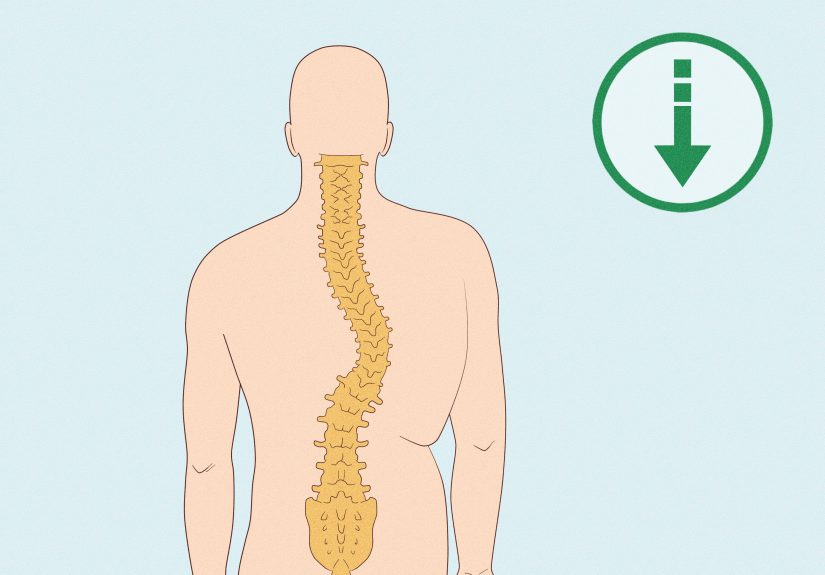
To decompress your spine means to gently reduce pressure through your back by lengthening the muscles around the spine, improving mobility, and encouraging better posture. Your spine is made of vertebrae, discs, joints, ligaments, nerves, and supporting muscles. When you sit too long, lift awkwardly, sleep strangely, or stress-scroll for three hours in a shrimp-like position, those supporting tissues can tighten.
Gentle decompression stretches may help by relaxing the low back, hips, hamstrings, glutes, shoulders, and neck. These areas work together like a team. When one area is tight, another area often overworks. That is why a good spine decompression routine should not focus only on the back. Your hips, core, and legs deserve an invitation to the party too.
Before You Start: Safety Rules for Spinal Decompression Stretches
Stretching should feel like mild tension, not sharp pain. If a move makes symptoms worse, stop. Do not bounce, force your range of motion, or twist aggressively. Move slowly and keep breathing throughout each stretch. A warm body stretches better, so consider walking around for a few minutes before starting.
People recovering from surgery, dealing with a recent injury, or managing chronic conditions should check with a doctor or physical therapist before starting a new exercise routine. Spinal decompression stretches can be helpful, but they are not magic spells. If your back pain is intense, spreading down the leg, associated with weakness, or not improving, professional guidance is the smart move.
How Often Should You Do Spine Decompression Stretches?
For general stiffness, try 5 to 15 minutes a day. Hold most stretches for 20 to 30 seconds and repeat one to three times. For a quick reset during work, even two or three stretches can help. Consistency matters more than heroic effort. Your spine does not need a dramatic performance; it needs regular, gentle care.
10 Stretches to Decompress Your Spine for Fast Relief
1. Child’s Pose
Child’s pose is a gentle stretch that lengthens the lower back, hips, and shoulders. It is one of the easiest ways to give your spine a calm, supported break.
How to do it: Kneel on the floor with your big toes touching and knees slightly apart. Sit your hips back toward your heels. Reach your arms forward and lower your chest toward the floor. Let your forehead rest on the mat or a folded towel.
Hold: 30 to 60 seconds.
Tip: If your hips do not reach your heels, place a pillow between your thighs and calves. Comfort counts. This is decompression, not a test of loyalty.
2. Cat-Cow Stretch
Cat-cow gently moves the spine through flexion and extension. It can help reduce stiffness after sitting and encourages awareness of how your back moves.
How to do it: Start on your hands and knees. Inhale as you drop your belly slightly, lift your chest, and look forward. Exhale as you round your back upward, tuck your chin, and pull your belly gently toward your spine.
Repeat: 8 to 12 slow rounds.
Tip: Keep the movement smooth. Imagine your spine moving one section at a time, like a wave instead of a rusty garage door.
3. Knee-to-Chest Stretch
This classic low back stretch can help relax the muscles around the lumbar spine and hips. It is simple, effective, and very floor-friendly.
How to do it: Lie on your back with both knees bent and feet flat. Bring one knee toward your chest and hold it with both hands behind the thigh or over the shin. Keep the other foot on the floor, or straighten the opposite leg if comfortable.
Hold: 20 to 30 seconds on each side.
Tip: Keep your shoulders relaxed. If your neck strains, place a small towel under your head.
4. Double Knee-to-Chest Stretch
This version gives the low back a fuller release and can feel especially good after long sitting sessions.
How to do it: Lie on your back and bring both knees toward your chest. Wrap your hands around your shins or behind your thighs. Gently pull the knees closer while keeping your lower back relaxed.
Hold: 20 to 30 seconds.
Tip: Try gently rocking side to side if it feels good. Keep the movement small and controlled.
5. Supine Spinal Twist
A gentle spinal twist can release tension through the low back, outer hips, and mid-back. The word “gentle” is doing important work here.
How to do it: Lie on your back with knees bent. Extend your arms out in a T shape. Slowly lower both knees to one side while keeping your shoulders on the floor. Turn your head in the opposite direction if comfortable.
Hold: 20 to 30 seconds per side.
Tip: Place a pillow under your knees if they do not comfortably reach the floor. Never force the twist.
6. Figure-Four Stretch
The figure-four stretch targets the glutes and piriformis, muscles that can contribute to low back and sciatic-type discomfort when tight.
How to do it: Lie on your back with both knees bent. Cross your right ankle over your left thigh, forming a “4” shape. Hold behind the left thigh and gently draw the leg toward your chest. Switch sides.
Hold: 20 to 30 seconds per side.
Tip: Flex the foot of the crossed leg to help protect the knee. The stretch should be felt in the hip and buttock, not as knee pain.
7. Seated Forward Fold
This stretch can lengthen the hamstrings and lower back. Tight hamstrings may pull on the pelvis and make the low back work harder than it wants to.
How to do it: Sit on the floor with your legs extended. Keep your spine tall, then hinge forward from the hips. Reach toward your shins, ankles, or feet. You do not need to touch your toes. Your toes are not judging you.
Hold: 20 to 30 seconds.
Tip: Bend your knees slightly if your hamstrings are tight. A straight spine is more important than reaching far.
8. Standing Wall Stretch
This is a great desk-break stretch for the upper back, shoulders, and spine. It helps reverse the rounded posture that often happens during computer work.
How to do it: Stand facing a wall. Place both hands on the wall at shoulder height. Step back and hinge at your hips until your torso lowers and your spine lengthens. Keep your knees soft and your neck relaxed.
Hold: 20 to 40 seconds.
Tip: Think about reaching your hips away from your hands. You should feel length through the arms, shoulders, and back.
9. Hanging Lat Stretch Using a Door Frame
You do not need to hang from a pull-up bar to feel a little spinal length. A gentle door-frame stretch can release the sides of the back and shoulders.
How to do it: Stand near a sturdy door frame. Hold the frame with one or both hands at about shoulder height. Slowly shift your hips backward until you feel a stretch through your side body and upper back.
Hold: 20 to 30 seconds.
Tip: Keep your feet planted and do not let your full body weight pull on your shoulders. This should be controlled, not a dramatic movie escape scene.
10. Legs-Up-the-Wall Pose
This relaxing position can reduce tension in the lower back and legs while giving your body a chance to settle. It is especially useful at the end of the day.
How to do it: Lie on your back near a wall. Swing your legs up so your heels rest against the wall. Adjust your distance until your hips and low back feel comfortable. Rest your arms by your sides and breathe slowly.
Hold: 2 to 5 minutes.
Tip: Place a folded blanket under your hips if that feels supportive. If your hamstrings protest loudly, move farther away from the wall.
A Simple 10-Minute Spine Decompression Routine
Here is a quick routine you can use after work, after travel, or whenever your back feels stiff:
- Cat-cow: 1 minute
- Child’s pose: 1 minute
- Knee-to-chest stretch: 1 minute each side
- Figure-four stretch: 1 minute each side
- Supine spinal twist: 1 minute each side
- Legs-up-the-wall: 2 minutes
Move gently from one stretch to the next. The goal is not to “fix” your spine in one session. The goal is to reduce stiffness, restore motion, and teach your body that it does not have to remain locked in office-chair mode forever.
Common Mistakes to Avoid
Stretching Through Pain
Mild tension is normal. Sharp, burning, electric, or worsening pain is not. Back off or stop entirely if symptoms increase.
Holding Your Breath
Breathing helps your nervous system calm down and allows muscles to relax. If you are holding your breath, you may be pushing too hard.
Doing Only Back Stretches
Your spine depends on your hips, core, glutes, hamstrings, and shoulders. A balanced routine works better than attacking one sore spot like it owes you money.
Ignoring Posture Between Stretches
Five minutes of stretching helps, but eight hours of slouching can still win the wrestling match. Sit with your lower back supported, keep screens near eye level, and take movement breaks during the day.
When to Get Professional Help
Most mild back stiffness improves with gentle movement, better posture, and time. However, you should speak with a healthcare provider if pain follows a fall or accident, spreads down the leg with numbness or weakness, wakes you at night, comes with fever, or does not improve after several weeks.
A physical therapist can help identify which movements fit your body and which ones to avoid. This matters because back pain is not one-size-fits-all. The stretch that makes one person feel brand-new may make another person feel like they angered a tiny back goblin.
Experience Notes: What Spine Decompression Feels Like in Real Life
One of the most common experiences with spine decompression stretches is surprise. People often expect relief to feel dramatic, like a movie scene where the clouds part and inspirational music starts playing. In reality, it is usually quieter. Your back may feel a little warmer, your breathing may slow down, and the tight “belt” around your lower spine may loosen. That small shift is still progress.
For desk workers, the first noticeable improvement often comes from adding short stretch breaks instead of waiting until the end of the day. A two-minute wall stretch after a long email session can feel more useful than a 30-minute routine performed once a week. The body likes frequent reminders. Think of stretching as sending your spine a polite calendar invite: “Please return to normal human shape.”
People who drive a lot may notice that knee-to-chest stretches and figure-four stretches feel especially helpful. Long drives keep the hips flexed and the glutes underused. When the hips get tight, the low back often starts doing extra work. That is why hip-focused decompression stretches can feel like back relief, even though the stretch is not directly in the spine.
Another useful experience is learning the difference between productive tension and warning pain. Productive tension feels broad, mild, and manageable. Warning pain feels sharp, sudden, spreading, or nerve-like. The best routines are built around listening, not forcing. Stretching should feel like a conversation with your body, not an argument you are determined to win.
Many people also discover that the best decompression routine is the one they will actually do. A perfect 45-minute routine that never happens is less useful than a simple 8-minute routine done most days. Keep a yoga mat near your bed, stretch while watching TV, or do the standing wall stretch after brushing your teeth. Habit beats intensity.
Finally, spine decompression works best when paired with basic daily movement. Walking, gentle strengthening, posture changes, and regular breaks all support your back. Stretches can provide fast relief, but the long-term win comes from helping your spine feel supported throughout the day. Your back does not need royal treatment. It just needs consistent care, decent posture, and fewer hours pretending a couch is an ergonomic workstation.
Conclusion
Learning how to decompress your spine is really about learning how to give your back more room, more movement, and less daily stress. The 10 stretches above can help relieve stiffness, ease muscle tension, and support better posture when done gently and consistently. Start with a few moves, pay attention to how your body responds, and build a routine that feels realistic.
Your spine works hard every day. It helps you sit, stand, bend, walk, carry groceries, laugh at bad jokes, and survive inbox chaos. Treat it like a valuable teammate. Stretch slowly, move often, strengthen gradually, and get professional help when symptoms suggest something more serious.