Table of Contents >> Show >> Hide
- Frozen Scallops vs. Fresh Scallops: What You Need to Know
- How to Thaw Frozen Scallops Safely
- Before You Cook: The 5-Minute Scallop Prep Checklist
- Method 1: Pan-Seared Scallops with Lemon Garlic Butter
- Method 2: Baked Scallops with Buttery Breadcrumbs
- Method 3: Saucy Skillet Scallops from Frozen
- Common Mistakes When Cooking Scallops
- What to Serve with Scallops
- How to Store and Reheat Cooked Scallops
- Real Kitchen Experience: Lessons from Cooking Frozen and Fresh Scallops
- Conclusion
Scallops look fancy, cook fast, and somehow make dinner feel like you planned your life better than you actually did. The good news? You do not need a chef jacket, a copper pan, or a dramatic seafood-market montage to make them taste amazing. Whether you bought a bag of frozen scallops from the grocery store or brought home fresh sea scallops from the fish counter, the secret is simple: thaw properly, dry thoroughly, season lightly, and cook quickly.
This guide explains how to cook frozen scallops or fresh ones in three tasty ways: a golden pan-seared version with lemon garlic butter, a cozy baked scallop dish with crispy breadcrumbs, and a saucy skillet method that works especially well when you want to cook scallops from frozen. Along the way, you will learn how to avoid rubbery scallops, why moisture is the enemy of browning, and how to turn these sweet little seafood medallions into a weeknight dinner that feels restaurant-worthy.
Editorial note: This article is based on real U.S. food-safety guidance and practical culinary techniques from reputable cooking and seafood resources. It is written for clean web publishing without external source links.
Frozen Scallops vs. Fresh Scallops: What You Need to Know
Fresh scallops are lovely, but frozen scallops are not the sad backup singer of the seafood world. In many cases, frozen scallops are processed and frozen soon after harvest, which helps preserve quality. The key is how you thaw and dry them before cooking. If frozen scallops go straight from icy to a hot pan, they release water, steam instead of sear, and may turn bouncy in a way no dinner guest requested.
There are two common types of scallops: sea scallops and bay scallops. Sea scallops are larger, meatier, and best for pan-searing, baking, or grilling. Bay scallops are smaller and sweeter, making them great for quick sautés, pasta, soups, and casseroles. Most recipes that talk about a “perfect sear” are referring to large sea scallops.
Dry-Packed vs. Wet-Packed Scallops
When possible, look for dry-packed scallops. They are not treated with added water-retaining solutions, so they brown more easily and have a cleaner, sweeter flavor. Wet-packed scallops often appear very white and may release milky liquid in the pan. You can still cook them, but they need extra drying time and a little patience. Think of it as giving them a spa day with paper towels.
How to Thaw Frozen Scallops Safely
The best way to thaw frozen scallops is in the refrigerator overnight. Place them in a covered bowl or sealed bag on a plate to catch any liquid. Once thawed, drain them and pat them very dry with paper towels. For the fastest safe method, seal the scallops in a leakproof bag and place the bag in cold water until pliable. Change the water if needed and cook the scallops soon after thawing.
Avoid thawing scallops on the counter. Seafood should not hang out at room temperature like it is waiting for a bus. If you use the microwave defrost setting, stop while the scallops are still cold and slightly icy, then pat dry and cook immediately. Microwave thawing is convenient, but it can start cooking the edges, so use it only when time is being extremely dramatic.
Before You Cook: The 5-Minute Scallop Prep Checklist
- Remove the side muscle: Some scallops have a small, tough tab on the side. Pinch it off before cooking.
- Pat them dry: Use paper towels and be thorough. Dry scallops brown; wet scallops steam.
- Season simply: Salt and pepper are enough. Scallops have a naturally sweet, delicate flavor.
- Use high heat for searing: A hot skillet helps create a golden crust before the inside overcooks.
- Do not overcrowd the pan: Give each scallop space, or the pan temperature drops and browning disappears.
For food safety, seafood should reach an internal temperature of 145°F, or be opaque and firm. Scallops cook very quickly, so keep a close eye on them. Overcooked scallops become chewy, and nobody wants seafood that fights back.
Method 1: Pan-Seared Scallops with Lemon Garlic Butter
This is the classic method and probably the reason people get nervous about scallops in the first place. The goal is a deep golden crust on the outside with a tender, juicy center. It sounds fancy, but it mostly comes down to dryness, heat, and not poking them every six seconds.
Ingredients
- 1 pound large sea scallops, fresh or thawed from frozen
- 1 tablespoon neutral high-heat oil, such as canola, avocado, or grapeseed oil
- 2 tablespoons unsalted butter
- 2 garlic cloves, minced
- 1 tablespoon fresh lemon juice
- Salt and black pepper
- Fresh parsley, optional
Instructions
- Remove the side muscle from each scallop if present. Pat the scallops very dry with paper towels.
- Season both sides lightly with salt and pepper.
- Heat a stainless steel or cast-iron skillet over medium-high to high heat. Add oil and wait until it shimmers.
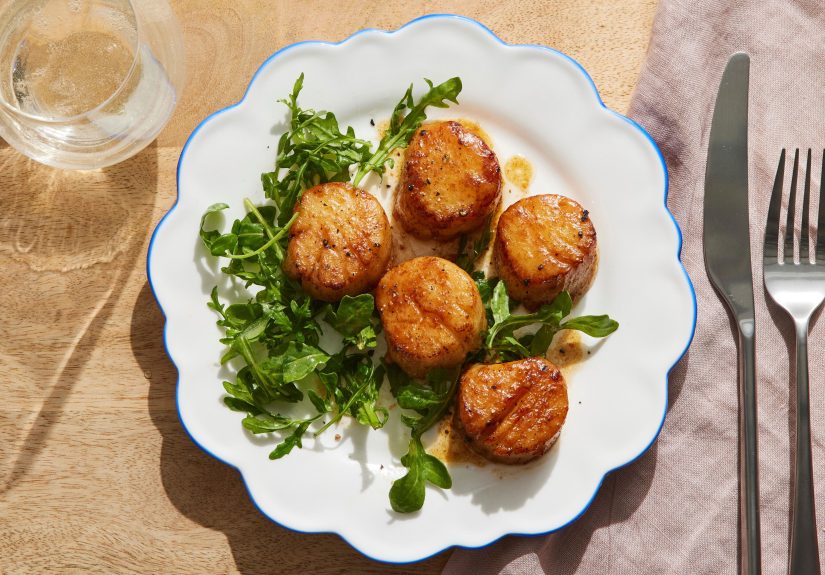
- Place scallops in the pan flat-side down. Do not move them for 1 1/2 to 3 minutes, depending on size.
- When the bottoms are golden and the scallops release easily, flip them.
- Add butter and garlic. Spoon the melted butter over the scallops for 30 to 60 seconds.
- Turn off the heat, add lemon juice, sprinkle with parsley, and serve immediately.
Best Uses
Serve pan-seared scallops over risotto, angel hair pasta, creamy polenta, lemony couscous, or a simple green salad. They also make an impressive appetizer with a little brown butter and capers. For a restaurant-style plate, spoon the lemon garlic butter around the scallops rather than drowning them. Scallops are delicate; they prefer a light jacket, not a winter coat.
Method 2: Baked Scallops with Buttery Breadcrumbs
Baked scallops are perfect when you want something cozy, easy, and forgiving. This method is especially useful for home cooks who do not want to babysit a skillet. The scallops bake gently while a topping of panko, Parmesan, garlic, and butter turns crisp and golden. It is simple enough for a weeknight but elegant enough for company.
Ingredients
- 1 pound sea scallops or large bay scallops, fresh or thawed
- 3 tablespoons melted butter
- 1/2 cup panko breadcrumbs
- 2 tablespoons grated Parmesan cheese
- 1 garlic clove, finely minced
- 1 teaspoon lemon zest
- 1 tablespoon chopped parsley
- Salt and pepper
- Lemon wedges for serving
Instructions
- Preheat the oven to 400°F. Lightly butter a small baking dish.
- Pat scallops dry and place them in a single layer in the dish.
- Season lightly with salt and pepper.
- In a bowl, mix melted butter, panko, Parmesan, garlic, lemon zest, and parsley.
- Spoon the breadcrumb mixture evenly over the scallops.
- Bake for 10 to 14 minutes, depending on scallop size, until the scallops are opaque and just cooked through.
- For extra browning, broil for 30 to 60 seconds at the end, watching closely.
- Serve with lemon wedges.
Best Uses
Baked scallops pair beautifully with roasted asparagus, garlic bread, rice pilaf, or a bright tomato salad. If you want to make the dish feel more luxurious, add a splash of cream or white-wine-style cooking broth to the bottom of the baking dish before adding the topping. The sauce will mingle with the scallop juices and make the breadcrumbs taste like they graduated from culinary school.
Method 3: Saucy Skillet Scallops from Frozen
While thawing is best for pan-searing, sometimes dinner needs to happen now. That is where a saucy skillet method shines. Instead of trying to force frozen scallops to brown, you simmer them gently in a flavorful sauce. The sauce handles the extra moisture, and the scallops cook through without turning tough. This is the best method when you forgot to thaw dinner and your stomach has already filed a complaint.
Ingredients
- 1 pound frozen scallops
- 1 tablespoon olive oil
- 2 garlic cloves, minced
- 1/2 cup crushed tomatoes or tomato sauce
- 1/4 cup seafood stock, chicken broth, or water
- 1 tablespoon lemon juice
- 1/2 teaspoon smoked paprika
- Pinch of red pepper flakes, optional
- Salt and pepper
- Fresh basil or parsley
Instructions
- Heat olive oil in a skillet over medium heat. Add garlic and cook for 30 seconds.
- Add crushed tomatoes, broth, lemon juice, paprika, red pepper flakes, salt, and pepper.
- Bring the sauce to a gentle simmer.
- Add the frozen scallops in a single layer as much as possible.
- Cover the pan and cook over low to medium-low heat for 6 to 10 minutes, depending on size.
- Stir gently once or twice. The scallops are done when opaque and firm.
- Finish with fresh herbs and serve over pasta, rice, or toasted bread.
Best Uses
Saucy scallops are excellent over linguine, steamed rice, couscous, or creamy mashed potatoes. You can also turn this into a Mediterranean-style dinner by adding olives, spinach, and a little feta after the scallops cook. For a lighter version, use broth, lemon, garlic, and herbs instead of tomato. The key is gentle heat. Boiling scallops hard is how tenderness goes missing.
Common Mistakes When Cooking Scallops
Cooking Them Wet
Moisture prevents browning. If your scallops are damp, they will steam in the skillet and release liquid. Always pat them dry, especially if they were frozen or wet-packed.
Using a Cold Pan
A hot pan creates the crust. Add scallops only when the oil is shimmering and the pan is fully heated. If there is no sizzle, the pan is not ready.
Moving Them Too Soon
Scallops need uninterrupted contact with the hot pan. When the crust forms, they release more easily. If a scallop sticks, give it another few seconds instead of scraping it like you are negotiating with a parking ticket.
Overcooking
Scallops can go from tender to rubbery quickly. Cook just until opaque and firm. Large sea scallops often need only a few minutes total in a hot skillet.
What to Serve with Scallops
Scallops are rich but delicate, so they pair best with sides that support rather than overpower them. For a bright dinner, serve them with lemon pasta, arugula salad, roasted green beans, or grilled zucchini. For comfort food, try risotto, grits, mashed potatoes, or creamy cauliflower purée. If you like bold flavors, scallops also work well with bacon, chorizo, corn, mushrooms, browned butter, capers, and fresh herbs.
A simple rule: keep the side dish ready before the scallops hit the pan. Scallops cook so fast that if you start boiling pasta after searing them, they will be sitting around getting cold and judging your timing.
How to Store and Reheat Cooked Scallops
Cooked scallops are best eaten immediately, but leftovers can be stored in an airtight container in the refrigerator for up to two days. Reheat gently over low heat with a splash of broth, butter, or sauce. Avoid blasting them in the microwave for too long, because reheated scallops can become chewy. If you have leftover scallops, consider chopping them and adding them to pasta, seafood chowder, fried rice, or a salad.
Real Kitchen Experience: Lessons from Cooking Frozen and Fresh Scallops
The first thing many home cooks learn about scallops is that they are honest. They reveal every shortcut. If you skip drying them, the pan fills with liquid. If the heat is too low, the crust never shows up. If you cook them for “just one more minute,” they become tiny seafood erasers. The good news is that scallops also reward good habits immediately. Once you understand the basics, they become one of the fastest impressive meals you can make.
One useful experience is to set the scallops on a paper-towel-lined plate after thawing, then place another paper towel on top. Let them sit for 10 minutes while you prepare the sauce, chop parsley, or set the table. This small step makes a major difference. Frozen scallops often hold extra water, and removing that moisture helps them brown instead of steam. If the towels become soaked, replace them. It may feel fussy, but it is less fussy than watching your beautiful scallops boil in their own puddle.
Another practical lesson is to cook in batches. A crowded skillet is the enemy of a good sear. When too many scallops are added at once, the pan temperature drops and the scallops release water faster than it can evaporate. Instead, cook half the scallops, transfer them to a warm plate, then cook the rest. The total cooking time may be slightly longer, but the result is much better. Golden scallops are worth the extra batch. Your skillet has boundaries, and we should respect them.
For fresh scallops, smell and texture matter. They should smell clean and slightly sweet, not sour or overly fishy. The surface should be moist but not slimy. If buying from a fish counter, ask whether they are dry-packed. A good fishmonger will know. Dry-packed scallops usually cost more, but they are easier to cook and deliver better flavor. Wet-packed scallops can still be used, especially in baked or saucy recipes, but they need more drying and may not develop the same deep crust.
The third method in this guidethe saucy skillet methodis especially helpful for busy nights. Not every scallop dinner needs a perfect restaurant-style sear. Sometimes the smartest choice is to match the technique to the situation. Frozen scallops release liquid, so a sauce-based recipe turns that challenge into part of the dish. Garlic, tomato, lemon, and herbs can make frozen scallops taste bright and satisfying without demanding perfect browning. It is the seafood equivalent of working with the plot twist instead of pretending it did not happen.
Finally, scallops teach restraint. They do not need heavy seasoning, long marinades, or complicated sauces. Salt, pepper, butter, lemon, garlic, and herbs are usually enough. The sweetness of the scallop should remain the star. When served hot with a crisp edge or nestled into a buttery baked topping, scallops feel special without being difficult. That is the real magic: a dish that looks elegant, cooks in minutes, and lets you casually say, “Oh, I just made scallops,” as if you did not absolutely plan to impress everyone at the table.
Conclusion
Learning how to cook frozen scallops or fresh ones is mostly about choosing the right method. For crisp, restaurant-style results, thaw and dry the scallops before pan-searing them in a hot skillet. For an easy comfort dish, bake them with buttery breadcrumbs. For a fast dinner straight from the freezer, simmer them gently in a flavorful sauce. Once you understand moisture, heat, and timing, scallops stop being intimidating and start becoming one of the easiest seafood dinners in your kitchen.
Whether you serve them with pasta, risotto, rice, vegetables, or crusty bread, scallops bring a naturally sweet flavor and elegant texture to the table. Treat them gently, cook them quickly, and do not let them swim in a crowded pan. Your reward is tender, delicious scallops that taste like a special occasioneven if the special occasion is simply surviving Tuesday.