Table of Contents >> Show >> Hide
- What Causes Silver to Tarnish?
- Before You Clean: Identify the Type of Silver
- The Best Way to Clean Tarnished Silver: Start With the Gentlest Method
- How to Clean Different Silver Items
- What Not to Use on Tarnished Silver
- How to Prevent Silver Tarnish
- Expert Tips for Better Results
- Conclusion
- Real-World Experiences With Cleaning Tarnished Silver
- SEO Tags
Silver has a funny way of acting like royalty. One minute it is bright, reflective, and ready for the dinner table. The next, it looks like it spent the weekend in a haunted attic. That dark, dull film is tarnish, and while it is annoying, it is not the end of your favorite tray, jewelry, or heirloom flatware.
If you want to know how to clean tarnished silver without scratching it, stripping its finish, or turning a family keepsake into a regret story, you are in the right place. The trick is choosing the right cleaning method for the right item. A sturdy set of silverware can handle more than a delicate antique teapot. Sterling silver jewelry is not the same as silver-plated serving pieces. And no, “just scrub harder” is not expert advice. That is how silver ends up with tiny scratches and big feelings.
In this guide, you will learn what tarnish is, how to remove it safely, when to use DIY methods, when to reach for a silver polish, and how to keep silver shiny longer. Whether you are cleaning tarnished silver jewelry, flatware, candlesticks, or decorative pieces, these expert tips will help you bring back the shine without the drama.
What Causes Silver to Tarnish?
Silver tarnish forms when silver reacts with sulfur compounds in the air. Over time, that reaction creates a dark film on the surface. Humidity, air pollution, rubber, wool, felt, certain foods, and everyday handling can speed up the process. That is why silver tucked away in the “safe” drawer sometimes comes out looking like it lost a fight with a chimney.
The good news is that tarnish usually sits on the surface. In many cases, you can remove it with gentle cleaning. The not-so-good news is that every aggressive polishing session removes a tiny bit of material. That is why experts recommend the least abrasive method that gets the job done.
Before You Clean: Identify the Type of Silver
Sterling Silver
Sterling silver is typically marked “925” and contains mostly silver with a small amount of other metals, usually copper. It tarnishes, but it can often be cleaned and polished effectively with careful methods.
Silver-Plated Pieces
Silver-plated items have a thin layer of silver over another metal. They need a lighter touch because aggressive rubbing can wear away the plating. If you have silver plate, think “spa facial,” not “driveway resurfacing.”
Antique, Valuable, or Decorative Silver
If a piece is antique, collectible, engraved, glued, weighted, hollow, or intentionally oxidized in certain areas, slow down. Some dark areas are part of the design, and some pieces should be cleaned only with a polishing cloth or a specialist-approved silver cleaner. When in doubt, test a small hidden area first.
Silver Jewelry With Gemstones or Pearls
Be careful with silver polish, dips, and DIY soak methods if the piece has pearls, opals, emeralds, amber, glued settings, or porous stones. The silver may survive the treatment. The gemstones may start plotting revenge.
The Best Way to Clean Tarnished Silver: Start With the Gentlest Method
Method 1: Mild Dish Soap and Warm Water for Light Tarnish
This is the safest starting point for lightly tarnished silver, especially jewelry and everyday items. Mix a few drops of mild dish soap into warm water. Dip a soft cloth or a non-abrasive sponge into the solution and gently wipe the silver. For crevices, use a very soft toothbrush. Rinse with clean water and dry immediately with a microfiber cloth.
This method will not always remove heavy black tarnish, but it is excellent for grime, fingerprints, lotion buildup, and early dullness. It is also a smart first step before deciding whether the piece needs deeper silver cleaning.
Method 2: Use a Silver Polishing Cloth
A silver polishing cloth is one of the easiest ways to clean tarnished silver jewelry and small decorative items. Rub gently according to the cloth instructions. This works especially well when you want shine without introducing liquids, so it is handy for pieces you wear often or for items with delicate details.
Polishing cloths are also useful between deep cleanings. Think of them as maintenance mode for silver.
Method 3: Silver Polish or Silver Cream for Moderate to Heavy Tarnish
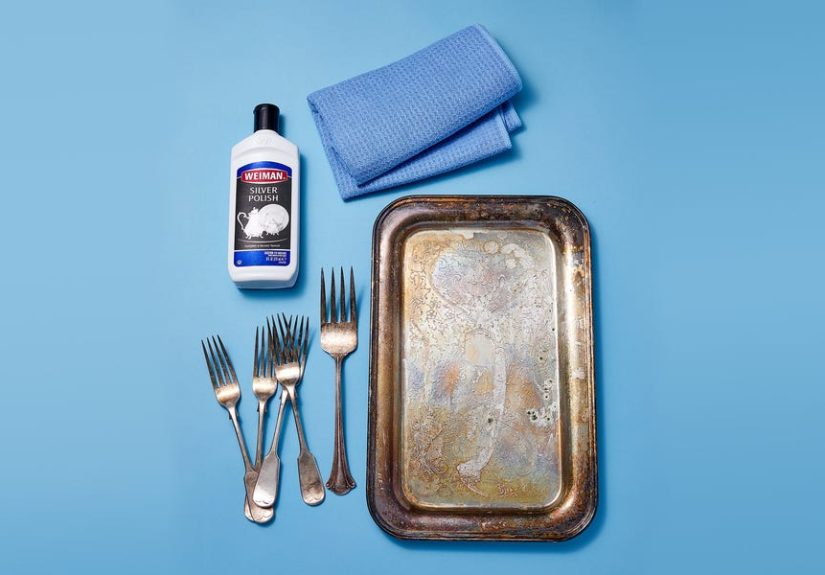
If the tarnish is more stubborn, a commercial silver polish is often the most controlled option. Apply a small amount with a soft cloth or sponge, work gently, and follow the label directions. Use cotton swabs for patterns and crevices. Then rinse if the product instructions say to rinse, and dry the piece thoroughly.
This is often the best option for heirloom flatware, trays, candlesticks, and serving pieces because it gives you more control than a dunk-and-soak method. A quality silver polish can also leave behind a protective layer that helps slow new tarnish.
Method 4: Aluminum Foil and Baking Soda Bath for Sturdy Silver
This popular method works because of a chemical reaction, not magic, although it does look suspiciously magical the first time. Line a glass or heat-safe dish with aluminum foil, place the silver so it touches the foil, sprinkle in baking soda and a little salt if desired, then add hot water. Let the item soak briefly, rinse, and dry well.
This method can be very effective for sturdy silverware or plain silver-plated pieces with heavy tarnish. But it is not ideal for everything. Avoid using it on fragile antiques, pieces with glued parts, hollow items, or jewelry with delicate stones and decorative oxidized finishes. It can remove desirable darkened detail right along with the unwanted tarnish.
How to Clean Different Silver Items
How to Clean Tarnished Silver Jewelry
For plain sterling silver jewelry, start with dish soap and water, then move to a polishing cloth. If needed, use a mild silver cleaner made for jewelry. For rings, chains, and bracelets with stones, avoid harsh dips unless the cleaner specifically says it is safe for that combination. Always dry jewelry completely before storing it.
How to Clean Silverware and Flatware
Wash silverware by hand with mild dish soap, rinse thoroughly, and dry right away. For tarnish, use silver polish or the foil-and-baking-soda method if the set is sturdy and not highly valuable. Do not leave silver soaking in the sink, and do not let it sit with salty or sulfur-rich foods for long periods.
How to Clean Silver-Plated Serving Pieces
Use a gentle hand. Start with a soft cloth and mild soapy water. If tarnish remains, use a cleaner labeled safe for silver plate. Avoid aggressive scrubbing, abrasive pastes, or repeated deep-cleaning sessions. Once plating wears through, you cannot buff it back into existence.
How to Clean Decorative Silver With Crevices
For ornate pieces, use a soft brush, cotton swabs, and small amounts of silver cream. Rushing through detailed silver is how you end up leaving polish in the pattern like unwanted frosting. Work slowly, clean out residue, and buff gently.
What Not to Use on Tarnished Silver
When cleaning silver, a few common mistakes do more harm than good:
- Paper towels: They can scratch the surface.
- Steel wool or abrasive scrubbers: Absolutely not. Silver is not a cast-iron skillet.
- Harsh chemicals: Bleach, ammonia-heavy routines, and random industrial cleaners can damage silver and some gemstones.
- Toothpaste as a default cleaner: Some people use it, but it can be too abrasive, especially for silver plate and softer finishes.
- Long soaks for delicate items: Moisture can creep into hollow handles, glued areas, and settings.
- Over-polishing: Every polishing session removes a little material, so clean only as much as needed.
How to Prevent Silver Tarnish
Cleaning tarnished silver is useful. Not having to clean it every month is even better. Here are the best ways to slow tarnish:
Store Silver Properly
Keep silver in a cool, dry place. Use anti-tarnish cloth, silver cloth, or acid-free tissue made for silver storage. Avoid rubber bands, newspaper, wool, and felt that may contain sulfur compounds.
Dry It Completely
Moisture encourages tarnish. After washing silver, dry it right away with a soft cloth. No “I’ll do it later” pile. Later is where spots and tarnish are born.
Use It and Wipe It Down
Oddly enough, regular gentle use followed by a quick wipe can help keep silver in better shape than long neglect. Skin oils and air exposure can contribute to tarnish, so a simple buff after use makes a difference.
Keep It Away From Problem Foods and Materials
Eggs, mayonnaise, onions, mustard, and salty foods can speed up tarnishing during use. Rubber, latex, some paints, and sulfur-containing materials can also cause trouble in storage.
Expert Tips for Better Results
- Always test a hidden spot first before using a new silver cleaner.
- Use microfiber, cotton, or a proper polishing cloth instead of rough fabrics.
- Clean the piece first, then polish only if it still looks dull.
- For valuable antiques, go with the least invasive method or consult a professional conservator.
- If a piece has intentional dark accents, avoid methods that strip all oxidation from the details.
- For silver that touches food, wash away any cleaner residue thoroughly before using it again.
Conclusion
The best way to clean tarnished silver is not the loudest hack on the internet. It is the method that matches the item. For light tarnish, mild dish soap and a soft cloth are often enough. For everyday shine, a polishing cloth works beautifully. For more serious tarnish, a silver cream or polish gives better control. And for sturdy, less delicate pieces, the aluminum foil and baking soda bath can be a quick win.
The real expert move is knowing when to stop. Silver does not need aggressive scrubbing to look good. Gentle cleaning, careful drying, and smart storage will keep sterling silver, silver-plated pieces, and jewelry looking bright without unnecessary wear. In other words, treat silver like a classic car: maintain it thoughtfully, do not power-sand the dashboard, and everybody stays happy.
Real-World Experiences With Cleaning Tarnished Silver
One of the most common silver-cleaning experiences happens right before a holiday meal. A family opens the flatware chest expecting graceful sparkle and gets something closer to “Victorian thundercloud.” In that moment, people usually learn the first big silver lesson: silver can look dramatically worse than it really is. A dull, dark coating may seem alarming, but on many everyday pieces, it often comes off with patient cleaning and careful drying.
Another common experience comes from inherited items. Someone receives a tarnished tray, teapot, or set of spoons from a grandparent and assumes the pieces are ruined because they look almost black. After gentle cleaning, the shine returns and the emotional reaction is often bigger than expected. It is not just about polishing metal. It feels like recovering a memory. That is why silver care matters so much with heirlooms. People are not simply restoring a finish; they are reconnecting with family history.
Jewelry creates a different kind of experience. Silver rings and chains can tarnish unevenly, especially if they are worn often, stored in a bathroom, or exposed to lotion, perfume, and sweat. Many people notice that a favorite ring dulls slowly and then suddenly looks dark all at once. A quick wipe with a polishing cloth often makes a surprisingly big difference. That is why people who wear silver jewelry regularly tend to have the best results when they clean lightly and often instead of waiting for the piece to get dramatically tarnished.
There is also the experience of using the wrong method once and never forgetting it. A person grabs a rough cloth, paper towel, or random household cleaner, thinking silver is sturdy enough to handle it. The tarnish comes off, but now the finish looks hazy or scratched. That is a painful but effective lesson: silver is durable, but its surface can still be damaged by abrasive cleaning. Plenty of silver owners become lifelong microfiber-cloth believers after one unfortunate “why does this tray look cloudy now?” moment.
Then there is the famous foil-and-baking-soda experiment. For many people, it is the first silver-cleaning trick that feels almost theatrical. You line the container, add the ingredients, pour the hot water, and watch the tarnish loosen. The experience is satisfying, especially on plain silverware. But people also learn that this method is not universal. Ornate pieces, jewelry with stones, and antiques may come out looking too stripped or may need more delicate attention afterward. In real life, the best takeaway is that fast does not always mean best.
Storage habits create another pattern people notice over time. Silver cleaned and tossed into a humid drawer often tarnishes again faster than expected. Meanwhile, silver that is dried carefully and wrapped properly stays bright much longer. That experience teaches the final expert lesson: preventing tarnish is easier than repeatedly fighting it. Once people see the difference good storage makes, silver care becomes less of a giant project and more of a simple routine.