Table of Contents >> Show >> Hide
- Why a Recommendation Letter From Your Boss Matters
- How to Ask Your Boss for a Letter of Recommendation: 10 Steps
- 1. Decide Whether Your Boss Is the Right Person to Ask
- 2. Ask EarlyNot When the Deadline Is Breathing Fire
- 3. Choose the Right Moment and Method
- 4. Make the Request Polite, Clear, and Low-Pressure
- 5. Explain What the Letter Is For
- 6. Provide a Helpful Information Packet
- 7. Remind Your Boss of Specific Wins
- 8. Be Professional About Confidentiality and Company Policies
- 9. Send a Gentle Reminder Before the Deadline
- 10. Say Thank Youand Share the Outcome
- Email Template: Asking Your Boss for a Letter of Recommendation
- What to Avoid When Asking for a Recommendation Letter
- Sample Follow-Up Reminder
- What If Your Boss Says No?
- Real-World Experiences: What Asking Your Boss Really Feels Like
- Conclusion
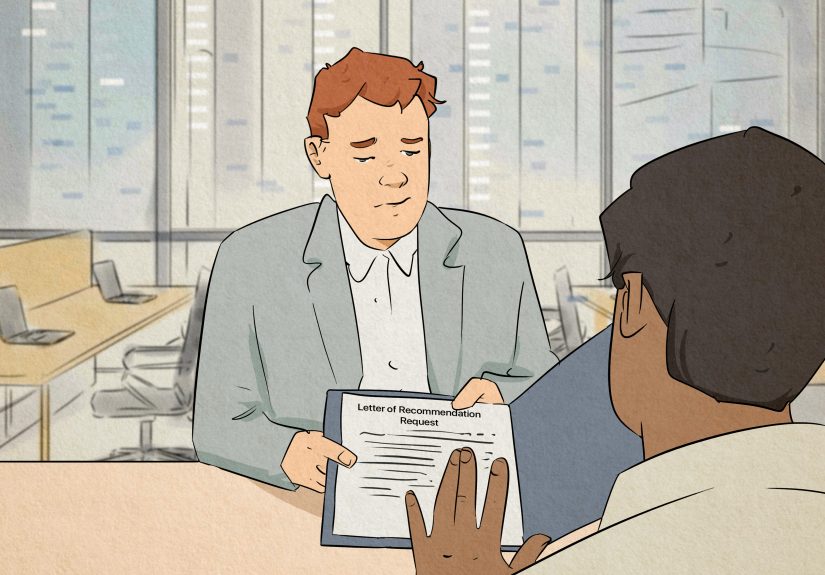
Asking your boss for a letter of recommendation can feel a little like asking your dentist whether your flossing routine is obvious. You know it matters. You know the answer could help you. And yet, the conversation still has a tiny awkward drumroll attached to it.
The good news? A recommendation request is not strange, pushy, or dramatic when you handle it professionally. Managers write recommendation letters for employees all the timefor graduate school, scholarships, leadership programs, internal promotions, new jobs, fellowships, board applications, and career transitions. The key is to make the request easy to say yes to, easy to complete, and easy to personalize.
This guide explains how to ask your boss for a letter of recommendation in 10 practical steps, with examples, email language, and real-world advice. Whether you are leaving your role, applying to a new opportunity, or building a stronger professional profile, these tips will help you request a strong recommendation letter without sounding like you are handing your manager a homework assignment wrapped in guilt.
Why a Recommendation Letter From Your Boss Matters
A letter of recommendation from your boss carries weight because it comes from someone who has seen your work habits, professional skills, reliability, judgment, communication style, and results up close. Unlike a general reference, a written recommendation can highlight specific achievements and show how you contributed to a team or organization.
A strong letter can support many goals, including job applications, graduate school admissions, professional certifications, leadership programs, promotions, internships, and career changes. It can also help explain your strengths in a more human way than a resume. Your resume says, “Managed client accounts.” A great boss recommendation says, “She kept three high-pressure client accounts calm during a system outage and somehow made the Monday meeting feel less like a thunderstorm.” That is the kind of detail people remember.
How to Ask Your Boss for a Letter of Recommendation: 10 Steps
1. Decide Whether Your Boss Is the Right Person to Ask
Before you ask, think carefully about whether your boss can write a positive, detailed, and relevant letter. The best recommender is not always the person with the biggest title. A senior executive who barely knows your name may write a polite but vague letter. Your direct manager, project lead, department head, or former supervisor may be a better choice because they can describe your work with examples.
Ask yourself:
- Has this boss directly observed my work?
- Can they speak positively about my skills and character?
- Do they know specific projects, achievements, or challenges I handled?
- Would their perspective be relevant to the opportunity I am pursuing?
For example, if you are applying to an MBA program, a boss who can discuss your leadership, problem-solving, teamwork, and growth may be ideal. If you are applying for a technical role, a manager who supervised your analytics, engineering, design, or operations work may write a stronger letter.
2. Ask EarlyNot When the Deadline Is Breathing Fire
Timing matters. A thoughtful letter takes time. Your boss may need to review your resume, remember details, draft the letter, revise it, submit it through an online portal, or place it on company letterhead. Asking two hours before the deadline is not “urgent”; it is a tiny professional horror movie.
Whenever possible, ask at least three to four weeks before the deadline. Four to six weeks is even better for competitive programs, graduate school applications, or letters that require detailed examples. If your deadline is sooner, be honest and polite. Your boss may still help, but your request should acknowledge the tight timeline and give them an easy way to decline.
A simple line works well: “I realize this is a short timeline, so I completely understand if you are not available to write it.” That sentence shows maturity, respect, and awareness that your boss is a person with a calendarnot a recommendation-letter vending machine.
3. Choose the Right Moment and Method
If you currently work with your boss, it is often best to ask briefly in person or during a video call, then follow up with details by email. A live conversation feels more respectful and gives your boss a chance to ask questions. If your boss is remote, extremely busy, or a former manager, an email is perfectly acceptable.
The method should match your relationship. If you and your boss have regular one-on-ones, bring it up there. If you have not spoken in six months, start with a warm email. If you are leaving your company, wait until your resignation has been handled professionally before asking, unless the recommendation is for an internal opportunity or a planned academic application.
Avoid asking in a hallway rush, at the end of a tense meeting, or while your boss is holding a sandwich and trying to answer three Slack messages. Recommendation requests deserve a calm moment.
4. Make the Request Polite, Clear, and Low-Pressure
The most important part of the request is giving your boss room to say no. Why? Because a lukewarm recommendation can hurt more than it helps. You want a strong, enthusiastic letter, not a document that says, “Yes, this person existed near a spreadsheet.”
Use language that asks whether they would feel comfortable writing a strong recommendation. This gives your boss a graceful exit if they are too busy, do not know your work well enough, or cannot honestly provide the level of support you need.
Try this wording:
“Would you feel comfortable writing a strong letter of recommendation for me?”
That small word “strong” matters. It politely signals that you are not just asking for a formality; you are asking for meaningful advocacy.
5. Explain What the Letter Is For
Your boss cannot write a tailored recommendation if they do not know the purpose. Be specific. Are you applying for a new job, graduate program, fellowship, scholarship, certification, board role, or promotion? What qualities does the opportunity value? What is the organization looking for?
For example, instead of saying, “Can you write me a letter for a program?” say:
“I am applying to a leadership development program that focuses on project management, communication, and cross-functional collaboration. Since you supervised my work on the client migration project, I thought you could speak directly to those areas.”
This kind of context helps your boss write a letter that matches the opportunity. A recommendation for graduate school may emphasize intellectual curiosity, discipline, and long-term potential. A recommendation for a job may focus on results, reliability, teamwork, leadership, and workplace performance.
6. Provide a Helpful Information Packet
Do not make your boss hunt for your achievements like they are searching for matching socks in a dark laundry room. Give them the materials they need to write quickly and accurately.
Your recommendation packet should include:
- Your updated resume or CV
- The job description, program description, or application details
- The submission deadline
- Submission instructions
- The name and title of the recipient, if known
- A short list of achievements you hope they might mention
- Examples of projects you worked on together
- Any required forms, links, or upload portals
This is not about writing the letter for them. It is about helping them remember the best evidence. Even an excellent boss may not recall the exact date you saved a client account, improved a process, trained three new team members, or built a report that prevented everyone from living permanently inside spreadsheet chaos.
7. Remind Your Boss of Specific Wins
Specific examples make recommendation letters stronger. General praise is nice, but detailed evidence is persuasive. A letter that says you are “hardworking” is fine. A letter that says you “led a six-week onboarding project, reduced response time by 30%, and created training materials now used by the whole team” is far more powerful.
When you send your materials, include three to five bullet points your boss may want to reference. Keep them factual and easy to scan.
Example:
- Led the Q3 vendor transition project with no missed client deadlines.
- Created a reporting template that reduced weekly manual tracking time by four hours.
- Trained two new associates and built a checklist now used by the department.
- Presented customer insights to senior leadership during the annual planning meeting.
- Maintained strong client satisfaction scores during a high-volume period.
These reminders help your boss write a recommendation that sounds personal, credible, and results-driven.
8. Be Professional About Confidentiality and Company Policies
Some employers have policies about recommendation letters, references, letterhead, or what managers can say on behalf of the company. Your boss may be willing to help but limited by HR rules. Be respectful of that.
For example, some companies allow managers to provide personal recommendations but not official company endorsements. Others may require HR approval before using company letterhead. If your boss seems cautious, do not push. You can say:
“I understand if company policy limits what you are able to provide. A personal recommendation based on your experience supervising me would still be very helpful.”
This protects the relationship and shows that you understand professional boundaries. It also prevents your boss from feeling trapped between helping you and following workplace rules.
9. Send a Gentle Reminder Before the Deadline
Even supportive managers forget things. They are juggling meetings, budgets, team issues, hiring, deadlines, emails, and possibly a coffee mug they reheated three times but never drank. A reminder is normal and helpful when it is polite.
Send one reminder about a week before the deadline. Keep it short and appreciative.
“Hi Jordan, I wanted to send a quick reminder that the recommendation letter for my application is due next Friday, May 8. Thank you again for taking the time to help with this. I really appreciate it.”
If the system allows you to see whether the letter has been submitted, do not panic-message your boss every 12 minutes. One clear reminder is usually enough. If the deadline is very close and the letter is still missing, follow up once more with kindness, not alarm bells.
10. Say Thank Youand Share the Outcome
After your boss submits the letter, send a sincere thank-you note. This is not optional. Your boss used their time, reputation, and mental energy to help you. A thoughtful thank-you keeps the relationship strong and leaves the door open for future references.
Your message can be simple:
“Thank you so much for writing my recommendation letter. I appreciate the time you took to support my application, and I am grateful for everything I learned while working with you. I will keep you posted on the outcome.”
When you receive a decision, share it. If you got the opportunity, celebrate with them. If you did not, thank them again anyway. Professional relationships are long games, not one-time transactions.
Email Template: Asking Your Boss for a Letter of Recommendation
Here is a professional email template you can adapt:
Subject: Request for a Letter of Recommendation
Dear [Boss’s Name],
I hope you are doing well. I am applying for [job/program/opportunity], and I wanted to ask whether you would feel comfortable writing a strong letter of recommendation for me.
I thought of you because you supervised my work on [specific project, role, or responsibility], and I believe you could speak to my [skills, leadership, work ethic, communication, technical ability, or other relevant strengths].
The deadline is [date], and the letter should be submitted [through online portal/by email/uploaded as PDF]. I am happy to send my resume, the opportunity description, and a few notes about projects we worked on together to make the process easier.
I completely understand if your schedule does not allow for this. Either way, thank you for considering it, and thank you for your support.
Sincerely,
[Your Name]
What to Avoid When Asking for a Recommendation Letter
Even a good request can go sideways if the delivery is careless. Avoid these common mistakes:
- Do not ask at the last minute unless there is no other option.
- Do not assume your boss will say yes just because you worked together.
- Do not pressure them if they hesitate or decline.
- Do not send vague instructions like “Just write something nice.”
- Do not exaggerate achievements in your notes or resume.
- Do not forget to say thank you after the letter is submitted.
The goal is to make the process smooth, respectful, and useful for both sides. A good recommendation request says, “I value your perspective.” A bad one says, “Please solve my deadline problem by Friday.” Guess which one gets better results?
Sample Follow-Up Reminder
If your boss agreed to write the letter and the deadline is approaching, send a calm reminder:
Subject: Friendly Reminder: Recommendation Letter Due [Date]
Hi [Boss’s Name],
I wanted to send a quick reminder that the recommendation letter for [opportunity] is due on [date]. The submission instructions are included below for convenience.
Thank you again for your time and support. I truly appreciate it.
Best,
[Your Name]
What If Your Boss Says No?
If your boss declines, stay gracious. A “no” may have nothing to do with your performance. They may be overloaded, restricted by company policy, uncomfortable with recommendation letters, or unable to meet the deadline.
Respond with professionalism:
“Thank you for letting me know. I completely understand, and I appreciate you considering my request.”
Then move to your backup list. Consider a former supervisor, department lead, mentor, professor, client, volunteer coordinator, or senior colleague who knows your work well. The best recommendation letter comes from someone who can be specific, sincere, and positive.
Real-World Experiences: What Asking Your Boss Really Feels Like
In real life, asking your boss for a recommendation letter rarely feels as smooth as a polished career article makes it sound. People worry about all sorts of things: “Will my boss think I am leaving?” “Will this make things awkward?” “What if they say no?” “What if they write something so generic it could apply to a houseplant with Wi-Fi?” These concerns are normal.
One common experience is the employee who waits too long because they are nervous. They keep drafting the email, deleting it, rewriting it, and then suddenly the deadline is five days away. By then, the request becomes more stressful than it needed to be. The lesson is simple: ask early, even if the request is not perfect. A clear, respectful message sent four weeks ahead is better than a poetic masterpiece sent during a deadline emergency.
Another common experience involves employees who underestimate how much information their boss needs. They assume the manager remembers every project, every success, and every small workplace miracle. But bosses manage many people and many priorities. When you provide a resume, project notes, and a few accomplishments, you are not being arrogant. You are being useful. You are handing your boss the ingredients for a better letter.
Some employees also discover that asking a former boss is easier than asking a current one. A former supervisor may already know you moved on or are exploring new opportunities, so the conversation can feel less sensitive. If you had a strong relationship, a former boss can be an excellent recommenderespecially if they directly supervised your best work.
There is also the delicate case of asking your current boss while job searching. This can be risky if your workplace does not know you are considering leaving. In that situation, think carefully. You may be better off asking a trusted former manager, mentor, client, or senior colleague. If the letter is for graduate school or a professional program rather than another job, the request may feel more natural because it supports your development rather than signaling immediate resignation.
Another experience worth mentioning: sometimes a boss says yes but asks you to draft talking points. This does not mean they do not care. Busy managers often want to make sure they include the right details. You can provide bullet points, achievements, and context without writing exaggerated praise. Keep everything accurate. Your goal is to help them tell the truth well.
Finally, many people are surprised by how supportive bosses can be. A good manager usually wants talented employees to grow, even if that growth eventually takes them somewhere else. When you ask respectfully, give enough notice, and express gratitude, the conversation often strengthens the professional relationship. In fact, your boss may become one of your long-term career alliesthe kind of person who cheers when you get the offer, the acceptance letter, or the promotion. That is the real value of asking well: you are not just getting a document. You are building a professional bridge.
Conclusion
Learning how to ask your boss for a letter of recommendation is really about learning how to advocate for yourself with professionalism. Choose the right person, ask early, make the request low-pressure, provide helpful materials, remind them politely, and always say thank you. The process does not have to be awkward. With the right approach, it can be a respectful conversation that helps your boss write a detailed, convincing letterand helps you move one step closer to your next opportunity.
A strong recommendation letter is not built from fancy language alone. It is built from real examples, trust, preparation, and a recommender who can honestly say, “Yes, this person is worth believing in.” Ask with confidence, give your boss what they need, and let your work speak through someone who has seen it firsthand.