Table of Contents >> Show >> Hide
- What Is Lawn Aeration, Exactly?
- Why Aerating Your Lawn Matters
- Signs Your Lawn Needs Aeration
- Best Time to Aerate Your Lawn
- How Often Should You Aerate?
- Tools You Can Use to Aerate a Lawn
- Step-by-Step: How to Aerate Your Lawn the Right Way
- Step 1: Identify Your Grass Type and Timing Window
- Step 2: Water the Lawn (If Needed)
- Step 3: Mark Sprinkler Heads, Irrigation Lines, and Hidden Obstacles
- Step 4: Mow Before Aerating
- Step 5: Run the Core Aerator
- Step 6: Leave the Soil Plugs on the Lawn
- Step 7: Follow with Overseeding (Optional but Highly Effective)
- Step 8: Fertilize and Water for Recovery
- Aeration + Overseeding = Lawn Upgrade Mode
- Common Lawn Aeration Mistakes to Avoid
- Quick FAQ
- Final Thoughts
- Real-World Experiences with Lawn Aeration (Extended Section)
- SEO Metadata (JSON)
If your lawn looks tired, patchy, or weirdly dramatic after a little foot traffic, it may not need more fertilizerit may need to breathe. That’s where lawn aeration comes in. Aerating your lawn helps loosen compacted soil so air, water, and nutrients can actually reach the roots instead of hanging out on the surface like uninvited guests.
The good news: lawn aeration is one of the most effective, non-complicated lawn care upgrades you can do. The even better news: you do not need to become a turf scientist overnight. In this guide, you’ll learn when to aerate, how to do it correctly, what tools to use, what mistakes to avoid, and how to follow up for thick, healthy, green grass that looks like it has its life together.
What Is Lawn Aeration, Exactly?
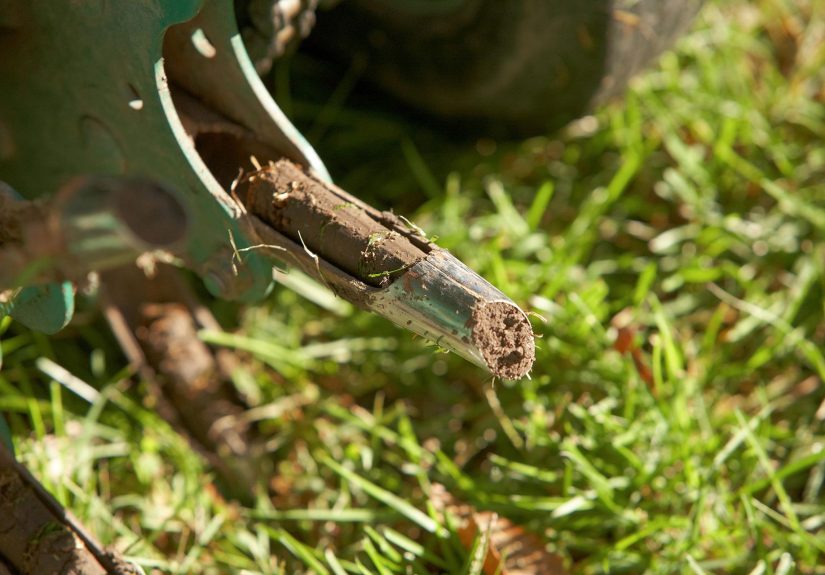
Lawn aeration is the process of creating openings in the soil so oxygen, water, and nutrients can move into the root zone more easily. The gold standard is core aeration (also called plug aeration), which removes small plugs of soil from the lawn.
Core Aeration vs. Spike Aeration
Core aeration removes small soil plugs. This relieves compaction and creates actual space in the soil profile. Spike aeration pokes holes but often presses soil sideways, which can increase compaction around the holes. If your goal is healthier grass and stronger roots, core aeration is the better choice for most lawns.
Think of it this way: spike aeration is like poking a straw into a tightly packed suitcase. Core aeration is like removing a few items so everything can move around again.
Why Aerating Your Lawn Matters
Healthy grass starts below the surface. When soil becomes compactedespecially from foot traffic, pets, mowing patterns, or constructionroots struggle to grow. Water may puddle instead of soaking in, and fertilizer may sit on top instead of feeding the lawn effectively.
Proper lawn aeration can help:
- Relieve compacted soil
- Improve water infiltration and drainage
- Increase oxygen movement to roots
- Improve nutrient uptake
- Support deeper root growth
- Reduce runoff
- Help manage thatch buildup over time
- Improve overall drought tolerance and lawn vigor
In short: if your lawn has been “meh” despite your best efforts, aeration may be the missing step.
Signs Your Lawn Needs Aeration
Not every lawn needs aeration every year, but many doespecially high-traffic lawns or heavy clay soils. Here are common signs your yard is asking for help:
1) Water puddles after rain
If water sits on the surface instead of soaking in, compaction may be limiting drainage and infiltration.
2) Hard soil that feels like concrete
Walk across the lawn. If the ground feels unusually hard, compaction is likely an issue.
3) Thinning grass or bare patches
Roots in compacted soil can’t access what they need. Grass may thin out even if you water and feed it.
4) Heavy foot traffic, pet traffic, or mower traffic
Paths, play areas, and pet runs compact faster than the rest of the yard.
5) Thick thatch or a spongy feel
A little thatch is normal. Too much can block water and air movement. Aeration helps improve the conditions that allow microbial breakdown of thatch.
6) New construction or recently graded areas
Construction equipment compacts soil aggressively. These lawns are prime candidates for core aeration.
7) The screwdriver test fails
This is a simple field check: when soil is moist (not wet), try pushing a screwdriver into the ground. If it’s difficult to push in several inches, the soil is probably compacted enough to benefit from aeration.
Best Time to Aerate Your Lawn
The best time to aerate depends on your grass type. The rule is simple: aerate when your grass is actively growing so it can recover quickly.
Cool-Season Grasses (Tall Fescue, Kentucky Bluegrass, Ryegrass, Fine Fescues)
Best time: Late summer to fall (and sometimes early spring as a secondary option).
Fall is typically ideal because temperatures are milder, grass is actively growing, and weed pressure is often lower. If you’re planning to overseed, fall is the superstar season for most cool-season lawns.
Warm-Season Grasses (Bermuda, Zoysia, St. Augustine, Centipede)
Best time: Late spring to early summer, when the lawn is fully green and actively growing.
Avoid aerating warm-season lawns too early when they’re still waking up from dormancy, and avoid late-season timing that doesn’t allow enough recovery.
Soil Moisture Matters More Than People Think
Aerate when the soil is moist but not soggy. A day or two after rain (or after a deep watering) is usually ideal. If the soil is bone dry, tines won’t penetrate well. If it’s too wet, you can make a muddy mess and worsen compaction.
How Often Should You Aerate?
There’s no one-size-fits-all schedule. Frequency depends on soil type and traffic.
- Heavy clay soil + heavy traffic: Often once a year, sometimes twice in tough conditions
- Moderate traffic lawns: About every 1–3 years
- Light traffic + well-drained soil: As needed, often less frequent
- High-traffic zones only: Spot-aerate those areas more often than the rest of the lawn
Use the screwdriver test and lawn performancenot just a calendarto decide.
Tools You Can Use to Aerate a Lawn
1) Manual Core Aerator (Small Areas)
Best for tiny lawns, repair zones, pet paths, or compacted spots. It’s slower, but effective for targeted work.
2) Power Core Aerator (Most Yards)
This is the typical rental machine used for residential lawns. It removes soil plugs much more efficiently than manual tools.
3) Tow-Behind Aerator (Large Properties)
Useful for larger spaces if you already have a riding mower or tractor setup. Make sure it’s a core aerator, not just a spike model, if compaction relief is the goal.
Step-by-Step: How to Aerate Your Lawn the Right Way
Step 1: Identify Your Grass Type and Timing Window
Before you start, confirm whether you have cool-season or warm-season grass. Timing is the difference between a lawn that recovers beautifully and a lawn that stares back at you in disappointment.
Step 2: Water the Lawn (If Needed)
If rain hasn’t helped recently, water deeply the day before or a couple of days prior so the soil is moist. You want good tine penetration without mud.
Step 3: Mark Sprinkler Heads, Irrigation Lines, and Hidden Obstacles
This step is wildly important and often skipped. Mark sprinkler heads, valve boxes, shallow utility lines, invisible dog fence wires, and any landscape lighting wire. Aerators are great for lawns and terrible for surprises.
Step 4: Mow Before Aerating
Mow your lawn to a normal maintenance height so the machine can work efficiently and plugs are easier to manage afterward. Don’t scalp the lawn unless your grass type and season specifically call for it.
Step 5: Run the Core Aerator
Make steady passes across the lawn. For best results, make multiple passesespecially in compacted areas. Crossing directions (for example, north-south and then east-west) improves hole coverage.
Well-aerated lawns typically need more than one pass because most machines remove only a percentage of the soil with each trip. The goal is good hole density and consistent coverage, not “one lap and done.”
Step 6: Leave the Soil Plugs on the Lawn
Yes, the plugs look a little odd at first. No, your lawn is not ruined. Leaving the cores in place is usually recommended; they break down and return soil and microorganisms to the lawn surface. If appearance bothers you, you can drag a mat, rake lightly, or mow later to help break them up.
Step 7: Follow with Overseeding (Optional but Highly Effective)
If your cool-season lawn is thin, this is the perfect moment to overseed. Aeration holes improve seed-to-soil contact, which can boost germination and fill in patchy areas faster.
Step 8: Fertilize and Water for Recovery
Aeration can improve the movement of fertilizer and amendments into the root zone. Water after aerating if conditions are dry, and keep newly seeded areas consistently moist during germination.
Aeration + Overseeding = Lawn Upgrade Mode
If you only remember one combo from this article, make it this one: core aeration + overseeding (especially for cool-season grass in fall). Aeration relieves compaction and opens the canopy. Overseeding thickens the lawn and helps crowd out weeds over time.
Example: If your tall fescue lawn has summer damage and thin traffic lanes, a fall core aeration plus overseeding can dramatically improve density by the next growing season. This is one of the most practical lawn renovation strategies for homeowners who want results without tearing up the whole yard.
Common Lawn Aeration Mistakes to Avoid
Using a spike aerator when the lawn is compacted
Spike tools can be useful in some situations, but they are not a substitute for core aeration when compaction relief is the goal.
Aerating at the wrong time for your grass type
Aerating during dormancy or during severe heat/drought stress can slow recovery and stress the lawn further.
Aerating when soil is too dry or too wet
Dry soil reduces penetration. Wet soil creates mess, plugged tines, and potential compaction issues.
Doing only one quick pass on heavily compacted soil
High-traffic or clay-heavy lawns usually need multiple passes for meaningful results.
Skipping aftercare
Aeration helps, but recovery still depends on watering, mowing correctly, and (when needed) overseeding and fertilizing.
Forgetting to mark irrigation heads and buried lines
This one can turn a Saturday lawn project into a “why is there water shooting sideways?” project.
Quick FAQ
Will aeration make my lawn look worse before it looks better?
Temporarily, yes. Plugs on the surface can look rough for a short time. That’s normal. Most lawns recover quickly when aerated at the right time.
Can I aerate and fertilize on the same day?
Yes, in many cases. Aeration can improve movement of nutrients into the soil. If you’re also overseeding, follow seed-label and fertilizer guidance for your grass type.
Do I need to rake up the plugs?
Usually no. Let them break down naturally, or lightly break them up if you want a tidier look.
Can I aerate just the bad spots?
Absolutely. High-traffic areas, pet runs, or compacted pathways can be aerated more often than the rest of the lawn.
Final Thoughts
If your lawn has been stuck in a cycle of watering, mowing, and hoping for the best, aeration can be the reset button. It improves the soil environment where real lawn health begins: the root zone. Done at the right time, with the right tool, and followed by smart aftercare, core aeration can turn a stressed lawn into thick, green turf that looks healthier and performs better.
In lawn care, not every fix is glamorous. Aeration literally pulls dirt plugs out of the ground. But it worksand your grass will thank you by growing like it finally got a decent night’s sleep.
Real-World Experiences with Lawn Aeration (Extended Section)
One of the most common homeowner experiences with lawn aeration starts the same way: “I thought I needed more fertilizer.” The lawn looks pale, growth is uneven, and water seems to disappear in some areas while puddling in others. After core aeration, many people notice the biggest difference isn’t immediate colorit’s how the lawn behaves. Water starts soaking in more evenly, the soil feels less brick-like, and the grass gradually thickens over the next few weeks as roots respond to better airflow and moisture movement.
A classic example is the backyard with a dog path worn along the fence. That strip often gets compacted from repeated traffic and becomes thin or muddy. Homeowners who spot-aerate just that lane (instead of the entire lawn) often see faster recovery, especially when they add a little overseeding and keep the area lightly watered. The key lesson from these situations is that targeted aeration works. You don’t always need a full-lawn renovation to see meaningful improvement.
Another common experience happens in newer homes. After construction, the lawn may look acceptable from the curb but struggle in everyday use. The soil underneath can be heavily compacted from equipment and grading. Homeowners often describe these lawns as “hard as pottery” when dry and “slimy” when wet. In those cases, yearly core aeration during the correct growing season can make a dramatic difference over time. The first aeration helps. The second and third are often when the lawn really starts acting like a healthy, established yard.
People also underestimate how much timing affects results. Someone might aerate a cool-season lawn in late summer heat and feel disappointed because recovery is slow. Then they repeat the process in early fall, add overseeding, and suddenly the lawn looks fuller by the next season. Same equipment, different timing, totally different outcome. That’s why matching aeration to your grass type and growth cycle matters more than using the fanciest machine on the rental lot.
There’s also the “plug panic” phase. First-time DIYers often see soil cores scattered across the lawn and assume they made a mistake. A few days later, after mowing or light rain, the plugs break apart and blend in. This is normal. In fact, many experienced homeowners learn to leave the cores alone unless they’re overseeding and want a smoother seedbed. The lawn usually recovers just fineand often betterwithout over-managing every little plug.
Finally, homeowners who combine aeration with better mowing habits tend to report the most lasting success. Aeration helps the root zone, but mowing too short can undo progress by stressing the grass. The best real-world results usually come from a simple combo: core aeration at the right season, mowing at the right height, watering deeply (not constantly), and overseeding when the lawn is thin. It’s not flashy. It’s just good lawn care. And yes, it works even if your lawn currently looks like it lost an argument with summer.