Table of Contents >> Show >> Hide
- What “High Potassium” Really Means (and Why Food Matters)
- Before You Swap Foods: 4 Rules That Make a Big Difference
- The Best Food Swaps for High Potassium
- Swap Ideas by Meal (So You’re Not Staring Into the Fridge)
- Potato and Tomato: The Two Foods People Miss the Most
- Watch Outs: “Healthy” Swaps That Can Backfire
- Lowering Potassium Without Losing Your Mind: Taste Strategies That Work
- When to Call Your Clinician (Don’t “Power Through” This One)
- Real-World Experiences: Food Swaps People Actually Live With (500+ Words)
- Conclusion
High potassium (often called hyperkalemia) is one of those health issues that can feel unfairly sneaky. You can be doing “all the right things” (hello, bananas and spinach smoothies) and still get a lab result that says, “Nopetoo much potassium.” The good news: you don’t have to eat bland, sad food forever. With the right food swaps, smart portions, and a few cooking tricks, you can lower your potassium intake while keeping your meals genuinely enjoyable.
Important note: Don’t start restricting potassium unless a clinician told you to. Potassium is essential for most people, and for many diets it’s a “good guy.” But if your kidneys aren’t clearing potassium well, or you’re on certain medications, it can build up and become dangerous. When in doubt, ask your healthcare provider or a registered dietitian for a target range and a plan.
What “High Potassium” Really Means (and Why Food Matters)
Potassium is an electrolyte that helps your muscles contract and your heart keep a steady rhythm. Your kidneys play a major role in keeping potassium balanced. When potassium rises above your personal goal range, diet often becomes part of the solutionalong with medication changes, treating constipation, or adjusting supplements (depending on the cause).
Here’s the tricky part: many nutrient-dense foods are also high in potassium. So the goal isn’t “never eat produce again.” The goal is “choose lower-potassium options more often, watch portions, and avoid hidden potassium in packaged foods.”
Common reasons potassium runs high
- Chronic kidney disease (CKD) or reduced kidney function
- Medications that can raise potassium (your clinician will know which ones apply)
- Salt substitutes made with potassium chloride (they can be a big surprise)
- Supplements or nutrition drinks that contain potassium
- Uncontrolled blood sugar and chronic constipation (yes, really)
Before You Swap Foods: 4 Rules That Make a Big Difference
1) Portion size is the “quiet superpower”
A “low-potassium” food can stop being low if the portion turns into a mountain. If your plan includes potassium limits, ask what a serving looks like for you and stick to it most of the time.
2) Learn the “hidden potassium” words on labels
Potassium isn’t only in bananas. It can show up in packaged foods as potassium chloride (often used as a salt replacement) or other potassium additives. Scan ingredient lists for the word “potassium” or “KCl.”
3) Don’t drink your potassium
Some beverages can pack a lot of potassium into a small volumethink certain sports drinks, coconut water, vegetable juice blends, and some meal-replacement shakes. If you’re managing high potassium, choose beverages intentionally.
4) Cooking method can change the game
Boiling and leaching can reduce potassium in some vegetables (especially starchy ones). That means you may not have to “break up” with certain foods foreveryou may just need a different prep method and portion.
The Best Food Swaps for High Potassium
Let’s get practical. Below are kidney-friendly, lower-potassium swaps that still feel like real food (because you deserve joy, not punishment).
Quick-swap table: high-potassium picks → lower-potassium alternatives
| If you usually eat… | Try swapping to… | Make it taste good by… |
|---|---|---|
| Banana | Berries, grapes, or apple slices | Adding cinnamon, vanilla, or a dollop of whipped topping (if allowed) |
| Orange/orange juice | Apple juice (small portion) or pineapple | Mixing into a spritzer with sparkling water and lots of ice |
| Tomato sauce | Roasted red pepper sauce or garlic-and-olive-oil sauce | Boosting flavor with basil, oregano, and a squeeze of lemon |
| White or sweet potatoes | Rice, pasta, couscous, or cauliflower mash | Using herbs, roasted garlic, and a little butter or olive oil |
| Beans/lentils (large portions) | Smaller portions of lean poultry, eggs, or tofu (if approved) | Seasoning with smoked paprika, cumin, and fresh herbs |
| Spinach (cooked) in big servings | Romaine, iceberg, cabbage, or arugula (smaller portions) | Turning it into a crunchy salad with a bright vinaigrette |
| Avocado | Cucumber slices or a small amount of mayo-based spread (if appropriate) | Adding lime, pepper, and chili flakes for “guac vibes” |
| Nuts/nut butters (frequent snacking) | Air-popped popcorn, rice cakes, or lower-potassium fruit | Seasoning popcorn with garlic powder, paprika, or cinnamon sugar |
| Salt substitute | Herbs, spices, citrus, vinegar, garlic, onion | Building flavor with acid + aromatics (lemon + garlic = magic) |
Swap Ideas by Meal (So You’re Not Staring Into the Fridge)
Breakfast swaps
- Smoothie fix: Swap banana for berries or apple; use a smaller portion of dairy (or an approved alternative) and add flavor with cinnamon or vanilla.
- Toast upgrade: Instead of avocado toast, try toast with cream cheese (if allowed) plus cucumber slices and everything-seasoning (check labels for potassium additives).
- Oatmeal strategy: Keep toppings lower-potassiumthink berries, a little honey, cinnamon, and a sprinkle of granola (portion matters).
Lunch swaps
- Salad without the potassium pile-up: Use lettuce or cabbage as a base and add cucumbers, onions, and peppers. Go easy on tomatoes and avocado. Choose a simple vinaigrette.
- Soup and sandwich reality check: Tomato-based soups can be potassium-heavy. Try chicken noodle-style soups and pair with a sandwich on white bread (whole grains can be higher in potassium/phosphorus depending on your plan).
- Snackable sides: Swap baked chips (some contain potassium additives) for popcorn or a small serving of fruit.
Dinner swaps
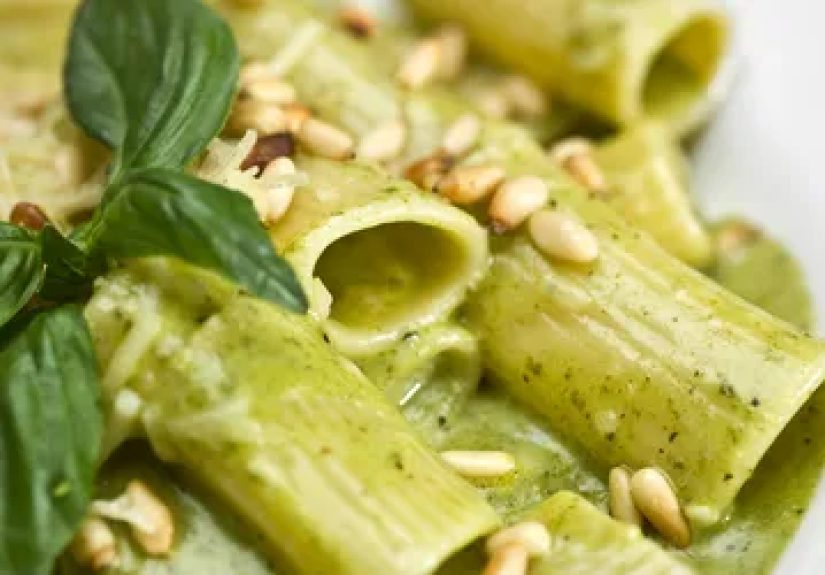
- Pasta night: Swap marinara for roasted red pepper sauce, or do garlic-olive oil with herbs. Add chicken or shrimp (portion-guided) and a side salad.
- “Meat + potato” makeover: Try rice or pasta instead of potatoes. If you really want potatoes, ask your dietitian about leaching/double-cooking methods and portion size.
- Taco night: Use seasoned ground turkey or chicken. Choose lettuce, onions, and a small amount of cheese (if allowed) instead of big scoops of beans and tomatoes.
Potato and Tomato: The Two Foods People Miss the Most
How to keep potatoes on the menu (sometimes)
Potatoes are famous for potassium, but they’re also a comfort-food icon. If your care team allows it, you may be able to reduce potassium by cutting potatoes small and boiling in plenty of water, then discarding the water. Some resources note that boiling can reduce potassium substantiallyoften by about half or morethough you still need portion control.
Even easier swap: try cauliflower mash. It scratches the “creamy, cozy” itch, especially with roasted garlic and pepper.
How to get “tomato flavor” without tomato overload
Tomatoes and tomato products can add up quickly. Try these flavor hacks:
- Roasted red pepper sauce: Sweet, rich, and pasta-friendly.
- Garlic + olive oil + herbs: A classic that tastes expensive (even if it’s not).
- Lemon or vinegar: Acid makes food pop the way tomato often does.
Watch Outs: “Healthy” Swaps That Can Backfire
Salt substitutes (the biggest plot twist)
Many salt substitutes replace sodium chloride with potassium chloride. That’s great for some people trying to lower sodiumbut risky if you have high potassium or kidney disease. If you’re managing hyperkalemia, use herbs, spices, citrus, and vinegar instead.
“Low sodium” packaged foods
Some reduced-sodium products use potassium-based ingredients to keep flavor. Translation: the sodium number can look nice while potassium quietly climbs. Read ingredient lists for potassium chloride or other potassium additives.
Meal-replacement drinks and “nutrition shakes”
Some shakes and supplements contain significant potassium. If you rely on them, ask your clinician or dietitian which brands and serving sizes fit your plan.
Lowering Potassium Without Losing Your Mind: Taste Strategies That Work
If salt substitutes are off the table, flavor has to come from somewhereand fortunately, it can come from places that are actually delicious:
- Aromatics: garlic, onion, scallions
- Acid: lemon juice, lime juice, vinegar
- Herbs: basil, dill, parsley, oregano
- Spices: paprika, cumin, chili powder, black pepper
- Umami boosters: sautéed mushrooms (portion-aware), toasted breadcrumbs, or a little parmesan (if allowed)
When to Call Your Clinician (Don’t “Power Through” This One)
High potassium can be serious, especially if it affects heart rhythm. People often don’t feel symptoms until levels are significantly high. If you’ve been told you have hyperkalemia, follow your care plan and get labs as recommended. Seek urgent care if you have concerning symptoms like severe weakness, fainting, chest pain, or palpitations.
Real-World Experiences: Food Swaps People Actually Live With (500+ Words)
When people first hear “your potassium is high,” the reaction is often a mix of confusion and disbeliefbecause a lot of high-potassium foods are the same ones that get praised in healthy-eating headlines. It’s common to think, “Wait… I thought bananas were basically the mascot of good nutrition?” And you’re not wrong. The challenge is that nutrition is personal: what’s “perfect” for one body can be a problem for another, especially when kidney function or certain medications change how potassium is handled.
One of the most relatable experiences is the “label surprise.” Someone swaps regular salt for a salt substitute to be heart-healthy, or buys reduced-sodium soup to “do better,” and then learns that some products replace sodium with potassium chloride. It can feel like the food version of stepping on a LEGO in the darkunexpected and instantly regrettable. Once people learn to scan ingredient lists for “potassium,” the fear usually turns into confidence. It becomes a quick habit: check the label, choose a different brand, move on with your life.
Another common moment happens at breakfast. Many people have a routinebanana in oatmeal, banana in a smoothie, banana on toastbecause it’s easy, cheap, and reliable. Swapping banana for berries or apple doesn’t sound dramatic until you realize you’ve been buying bananas on autopilot for years. The good news is that taste adjusts quickly, especially when you add cinnamon, vanilla, or a little honey. People often report that after a couple weeks, they don’t miss the banana as much as they expected (and their grocery cart looks more colorful, too).
Potatoes are the emotional heavyweight. For a lot of families, potatoes aren’t just a side dishthey’re tradition. So the first time someone hears “limit potatoes,” it can feel like the universe is being personally rude. That’s where practical coping strategies help: cauliflower mash for weeknights, rice or pasta as the default starch, and (when approved) leached or double-cooked potatoes in smaller portions for special meals. This approach helps people feel like they’re choosing, not just losing.
Eating out can be another learning curve. Restaurant portions are big, sauces are mysterious, and “healthy” options may be loaded with tomatoes, beans, or greens. A lot of people find success with simple, repeatable moves: order sauces on the side, pick rice instead of potatoes, choose a salad base that’s lower in potassium, and focus on the part you can controlthe portion. Over time, dining out becomes less stressful because you build a personal “safe-enough” menu of choices that still feels fun.
Finally, people often describe a huge sense of relief when they work with a registered dietitian. Instead of a scary list of “don’ts,” they get a tailored plan with realistic swaps and a target that matches their labs. The biggest mindset shift is realizing the goal isn’t perfection. It’s consistencymost of the timeso your potassium stays in a safer range without your meals turning into punishment food. And honestly? That’s a goal worth seasoning heavily (with herbs, not potassium chloride).
Conclusion
Managing high potassium doesn’t mean giving up flavor, comfort, or your favorite meals. It means getting strategic: swap higher-potassium staples for lower-potassium alternatives, respect portions, read labels for hidden potassium additives, and use cooking methods that can reduce potassium in certain foods. Most importantly, keep it personalizedyour labs, medications, and kidney function matter. With a little planning (and a lot of garlic, lemon, and herbs), you can eat well and protect your health at the same time.