Table of Contents >> Show >> Hide
- Why Facebook Works So Well for Garage Sale Advertising
- 1. Create a Facebook Event for Your Garage Sale
- 2. Post Your Best Items on Facebook Marketplace
- 3. Share the Sale in Local Facebook Groups
- Extra Tips to Get More Clicks and More Shoppers
- Common Mistakes to Avoid
- Conclusion
- Experience-Based Lessons From Advertising a Garage Sale on Facebook
- SEO Tags
If you want more people at your garage sale, Facebook is basically the modern version of taping neon signs to every telephone pole in townexcept cleaner, faster, and much less likely to get soggy in the rain. The good news is that you do not need a complicated marketing plan, a business page, or a secret degree in internet wizardry. You just need a smart post, clear photos, and the good judgment to avoid sounding like a desperate yard-sale carnival barker.
The best approach is simple: create a Facebook Event, use Facebook Marketplace to spotlight your best items, and share your sale in the right local Facebook groups. Those three methods work together beautifully. The Event builds awareness, Marketplace attracts people who are actively hunting for deals, and local groups help spread the word to nearby neighbors who might happily drive over for a lamp, stroller, blender, or suspiciously stylish side table.
Below, you will learn exactly how to advertise a garage sale on Facebook in three simple ways, plus extra tips for writing posts that actually get clicks, avoiding common mistakes, and turning casual browsers into real-life shoppers with cash in hand.
Why Facebook Works So Well for Garage Sale Advertising
A garage sale is local by nature. You are not trying to attract a buyer from three states away who wants a $4 toaster shipped in bubble wrap like it is a museum artifact. You want nearby people who can show up, browse quickly, and carry home your stuff before lunch. That is where Facebook shines.
Facebook helps you reach people in your area, show photos of what you are selling, answer questions fast, and remind shoppers when the sale actually starts. It also gives you a chance to feature standout items. One folding table full of random knickknacks might not stop the scroll, but a clean post featuring “vintage dresser, baby gear, power tools, kitchen bundles, and women’s name-brand clothing” absolutely can.
Think of Facebook as your digital curb appeal. If your post looks organized, your sale feels organized. And if your sale feels organized, people assume the good stuff has not already been picked over by 7:03 a.m. by a man named Rick who somehow always arrives before sunrise.
1. Create a Facebook Event for Your Garage Sale
The first and easiest way to advertise a garage sale on Facebook is to create a Facebook Event. This works especially well when you want to build interest several days ahead of time and give people an easy way to save the date.
Why a Facebook Event Helps
A Facebook Event gives your sale a home base. Instead of scattering your details across comments, messages, and random posts, you can keep the date, start time, location, photos, and updates in one place. People can mark themselves interested, share it with friends, and come back later when they suddenly remember they need a cheap bookshelf and a miracle.
What to Include in the Event
Your event title should be clear, specific, and slightly more exciting than “Garage Sale.” Try something like:
Saturday Multi-Family Garage Sale – Furniture, Baby Gear, Tools & Home Decor
In the description, include the essentials:
- Date and start time
- Exact address or neighborhood area
- Type of items for sale
- Accepted payment methods such as cash, Venmo, or Cash App
- Whether early birds are welcome
- Whether the sale is one day or multiple days
Do not make shoppers work to understand your post. “Huge sale! Tons of stuff!” is not helpful. “Saturday 8 a.m. to 1 p.m. – women’s clothing, kids’ toys, kitchenware, patio chairs, and small furniture” is helpful. The second version sounds like a real plan. The first sounds like you are selling one dusty DVD player and a broken lamp.
Add Photos That Do the Heavy Lifting
Photos matter more than most sellers realize. Use bright, uncluttered images of your best items. You do not need to photograph every mug and extension cord, but you should showcase the most attractive categories. A stroller, a coffee table, a set of bar stools, a tool chest, and a neatly arranged table of home decor can do a lot of persuasive work.
If possible, take photos in daylight and group similar items together. Facebook shoppers respond better when they can quickly see what kind of sale this is. If your event page looks like a blurry crime documentary filmed in a dim garage, people may keep scrolling.
Example Facebook Event Description
Join us for a Saturday garage sale with lots of clean, well-priced items. We’ll have small furniture, kitchen items, home decor, baby gear, toys, tools, books, and women’s clothing. Sale starts at 8:00 a.m. Cash and mobile payments accepted. Everything is priced to sell, and we’ll be adding more items throughout the morning.
Use Event Updates to Build Momentum
Once your event is live, do not abandon it like a treadmill in February. Post updates in the days leading up to the sale. Add a few teaser photos and short updates such as:
- “Just added a set of bar stools and a working air fryer.”
- “More baby items and kitchen bundles added tonight.”
- “Reminder: sale starts tomorrow at 8 a.m.”
These small updates keep the event active and give people a reason to check back.
2. Post Your Best Items on Facebook Marketplace
The second smart way to advertise a garage sale on Facebook is to use Facebook Marketplace. This is where people go when they are already in buying mode, which makes it powerful for garage sale promotion.
Do Not List “Everything.” List the Eye-Catchers
Marketplace works best when you highlight individual items or strong item categories. Instead of posting “garage sale this weekend” with one generic photo, create listings for items that will pull people in.
Good Marketplace bait includes:
- Furniture
- Baby gear
- Tools
- Outdoor equipment
- Name-brand clothing bundles
- Home decor sets
- Electronics that still work
Then, inside the description, mention that the item is part of a larger garage sale happening on a specific day. This turns one listing into a traffic source for the whole event.
Write a Marketplace Listing That Pulls People In
Your title should be direct and searchable. For example:
Patio Chairs – Garage Sale Saturday
Or:
Baby Swing + Kids’ Items at Weekend Garage Sale
Your description can say:
Clean patio chairs in good condition. Available at our garage sale this Saturday from 8 a.m. to 1 p.m. We’ll also have small furniture, kitchenware, tools, toys, and home decor. Message for details.
This works because it gives the shopper a reason to visit, even if they are only mildly interested in the original item.
Price Strategically
Garage sale shoppers love a bargain, but they also love clarity. If you price an item too high, you get ignored. If you price it too low, you may get flooded with messages and wonder whether you just sold a perfectly good chair for the price of a sandwich.
Research similar items on Marketplace first. Then pick a price that feels fair for the condition and still leaves a little room for negotiation. That part matters because many Facebook buyers expect to haggle. You do not have to encourage chaos, but you should be realistic.
Keep the Listing Honest
Do not oversell. A “vintage farmhouse cabinet” should not turn out to be a slightly wobbly shelf with emotional baggage. Be honest about scratches, missing pieces, or wear. Clear descriptions save time, reduce awkward conversations, and attract buyers who already understand what they are coming to see.
3. Share the Sale in Local Facebook Groups
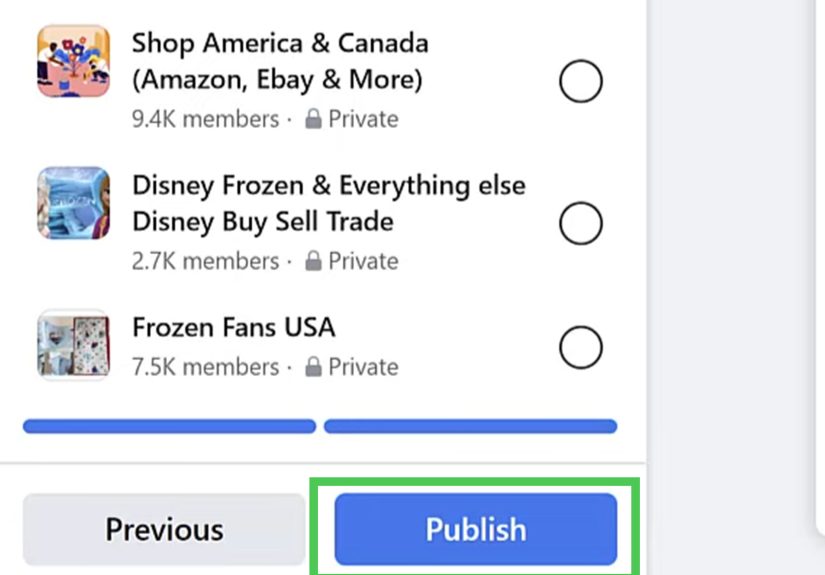
The third simple way to advertise a garage sale on Facebook is to share it in local Facebook groups. This includes neighborhood groups, community groups, yard sale groups, buy-and-sell groups, parent groups, and local bargain pages.
Pick the Right Groups
Not every group is a good fit. You want groups where people expect local recommendations, local sales, and neighborhood events. Search Facebook for your city, neighborhood, county, or subdivision along with phrases like:
- garage sale
- yard sale
- buy sell trade
- community bulletin board
- moms group
- Buy Nothing
Before posting, check the group rules. Some groups allow sale announcements only on certain days. Some require a price. Some ban repeated self-promotion. If you ignore the rules, your post may disappear before it gets any traction.
Write for Neighbors, Not Algorithms
Your group post should sound human, specific, and local. Mention what makes your sale worth stopping for. Focus on the categories people care about most.
Example group post:
We’re having a garage sale this Saturday from 8 a.m. to 1 p.m. near Maple Ridge Park. Lots of baby gear, small furniture, kitchen items, toys, books, and home decor. Everything is clean and priced to move. Message me if you want the exact address, or check the Facebook Event for details.
That is stronger than “Garage sale Saturday!” because it gives shoppers a reason to choose your sale over the seven others happening that morning.
Do Not Spam the Same Copy Everywhere
You can reuse the same core information, but tweak the wording slightly for each group. It feels more natural, and it lowers the chance that your posts look robotic or promotional. Facebook users can smell copy-paste laziness from a mile away.
Extra Tips to Get More Clicks and More Shoppers
Promote High-Value Items Early
If you have standout items, mention them in your ads. A rolling cart, power tools, patio furniture, brand-name baby gear, a record player, or a clean desk can draw people in fast. Once they arrive, they often buy other things too.
Post at the Right Time
Start promoting your sale three to five days in advance. Then post a reminder the night before and another update the morning of the sale. The night-before post catches planners. The morning-of post catches impulsive bargain hunters who are already scrolling with coffee in hand.
Use Simple, Searchable Language
People search Facebook for words like “garage sale,” “moving sale,” “yard sale,” “tools,” “furniture,” and the name of your neighborhood or city. Put those naturally into your title and description. That helps your post show up without sounding like an overstuffed keyword casserole.
Offer Multiple Payment Options
Cash is classic, but many shoppers appreciate mobile payment options. Mention accepted methods in your event or post so buyers are not standing in your driveway muttering, “I only brought $6.”
Think About Safety
If you use Marketplace to attract buyers before the sale, keep communication on the platform when possible. For larger items, move them into the garage or driveway so strangers are not wandering through your house. Daytime pickups are best, and having another adult around is even better.
Common Mistakes to Avoid
- Using blurry photos: Bad images make good items look bad.
- Being vague: “Lots of stuff” is not a strategy.
- Overpricing everything: This is a garage sale, not a luxury auction house.
- Ignoring group rules: Your post may get removed before anyone sees it.
- Listing too late: Waiting until the morning of the sale limits reach.
- Forgetting follow-up posts: One post is good; two or three smart reminders are better.
Conclusion
If you want to advertise a garage sale on Facebook successfully, keep it simple and strategic. Create a Facebook Event so people can save the date. Use Facebook Marketplace to spotlight your best items and pull in buyers who are already shopping. Share the sale in relevant local Facebook groups so nearby people actually hear about it. Together, those three methods give your sale visibility, credibility, and a much better chance of turning clutter into cash.
The biggest secret is not fancy marketing. It is clarity. Clear photos, clear details, clear timing, and clear value. When people know what you are selling, where to go, and why your sale is worth a stop, they are far more likely to show up. And once they show up, your old bread maker, toddler scooter, or mystery box of holiday decorations might finally begin its next chapter somewhere else.
Experience-Based Lessons From Advertising a Garage Sale on Facebook
One of the most useful lessons people learn after advertising a garage sale on Facebook is that shoppers respond better to categories than to chaos. A post that says “tons of random stuff” usually gets mild curiosity. A post that says “small furniture, baby gear, kitchenware, power tools, and women’s clothing” gets better attention because people can immediately decide whether the sale matches their interests. In real-life selling, that difference matters. Shoppers are busy, scrolling quickly, and making split-second choices. The more specific the post, the easier it is for them to say yes.
Another common experience is that one great photo can outperform ten mediocre ones. Sellers often assume quantity wins, but in practice, the clearest image of the best item usually becomes the hook. A clean photo of a dresser, lawn tool set, stroller, or patio chair can bring people in faster than a collage of twenty dimly lit objects spread across a garage floor. Many sellers only realize this after the sale, when the items that drew the most online interest were the ones photographed well and described simply.
Timing also teaches people a lot. Posting too early can make shoppers forget. Posting too late can mean not enough people ever see the sale. In many cases, the sweet spot feels surprisingly practical: one post several days ahead, one reminder the night before, and one quick “we’re open” update the morning of. That rhythm keeps the sale visible without becoming annoying. Sellers who skip follow-up posts often notice slower traffic early in the day, while those who post a reminder tend to get a second wave of buyers.
Many people also discover that Facebook Marketplace and Facebook groups attract different kinds of shoppers. Marketplace users often come looking for a specific item and may message with targeted questions. Group members are more likely to be local neighbors who decide to stop by because the sale sounds convenient and worthwhile. The best results usually happen when both audiences are reached at once. Marketplace gives intent. Groups give local visibility. The Event gives structure. That combination works better than relying on one method alone.
There is also a practical emotional lesson: garage sale advertising works best when the seller stays flexible. Some people will ask if an item is still available and then vanish into the digital wilderness. Some will say they are “definitely coming” and never appear. Some will show up for one item and leave with six. Experienced sellers learn not to take any of that personally. Facebook is a tool, not a promise. Its job is to increase traffic and interest, not guarantee that every message becomes a sale.
Finally, one of the strongest experiences people report is that good organization online usually leads to a smoother sale offline. When the Facebook posts are clear, the items are labeled, the start time is stated, and the best products are highlighted in advance, shoppers arrive with better expectations. That means fewer repetitive questions, less awkward bargaining, and more actual buying. In other words, a little effort in the Facebook promotion phase often saves a lot of stress in the driveway. And that is the dream, really: less clutter, more cash, and fewer strangers asking whether you will take fifty cents for a perfectly decent lamp at 7:58 in the morning.