Table of Contents >> Show >> Hide
- So, How Often Should You Wash Short Hair?
- Why Short Hair Can Get Greasy Faster
- Can You Wash Short Hair Every Day?
- When You Should Wash Short Hair Less Often
- How to Tell Your Short Hair Needs Washing
- The Best Way to Wash Short Hair
- How Hair Type Changes Your Washing Routine
- What About Dry Shampoo?
- Should You Rinse Short Hair Without Shampoo?
- How Lifestyle Affects Washing Frequency
- Common Short Hair Washing Mistakes
- A Practical Weekly Washing Schedule for Short Hair
- Best Tips for Keeping Short Hair Healthy and Clean
- Real-Life Experiences: What Short Hair Washing Actually Feels Like
- Conclusion
Short hair looks easy. It dries fast, uses less conditioner, and rarely requires the Olympic-level arm strength needed to detangle waist-length hair. But then comes the surprisingly tricky question: how often should you wash short hair?
The honest answer is: it depends on your scalp, hair texture, lifestyle, styling products, and how quickly your hair starts looking like it has entered its “buttered toast” era. Some people with short hair need to shampoo daily. Others can go several days between washes and still look fresh, clean, and socially acceptable under bright bathroom lighting.
Short hair can show oil faster because there is less length for scalp oil to travel through. A pixie cut, buzz cut, short bob, crop, or tapered style may become greasy near the roots more noticeably than longer hair. However, that does not automatically mean everyone with short hair should shampoo every morning. Overwashing can leave hair dry, dull, frizzy, or irritated, while underwashing can cause buildup, odor, flakes, and an itchy scalp.
This guide breaks down how often to wash short hair, how to adjust your routine by hair type, and how to keep your scalp clean without treating shampoo like a personality trait.
So, How Often Should You Wash Short Hair?
For most people, short hair can be washed every 1 to 3 days. That range works well for many straight, wavy, fine, or medium-textured short hairstyles. However, the best schedule depends less on hair length and more on scalp oil production.
A Simple Short Hair Washing Guide
- Very oily short hair: Daily or every other day
- Fine short hair: Every 1 to 2 days
- Normal short hair: Every 2 to 3 days
- Dry, coarse, curly, or coily short hair: Once or twice a week, or less often if the scalp stays comfortable
- Short hair with heavy styling products: Every 1 to 3 days, depending on buildup
- Short hair after sweaty workouts: Rinse or wash as needed
The key is to wash your scalp when it feels oily, itchy, sweaty, coated, or uncomfortable. Your scalp is skin, after all. It produces oil, sheds cells, reacts to products, and occasionally throws a tiny tantrum when ignored.
Why Short Hair Can Get Greasy Faster
Short hair often looks oily sooner than long hair because sebum, the natural oil from your scalp, has a shorter distance to travel. On long hair, oil may stay near the roots while the ends remain dry. On short hair, that oil can coat a larger visible portion of the strand quickly.
This is especially noticeable with fine short hair. Fine strands have less surface area and can become weighed down easily. A small amount of oil that might look like “healthy shine” on thick hair can look like “I slept through three alarms” on fine hair.
Other Reasons Short Hair May Need More Frequent Washing
- You use pomade, wax, gel, mousse, texture spray, or hairspray often.
- You exercise frequently or sweat heavily.
- You wear hats, helmets, or head coverings for long periods.
- You live in a humid climate.
- Your scalp naturally produces more oil.
- Your hair is very straight or fine.
Short hair is also usually touched more often. People run their fingers through it, fluff it, smooth it down, reshape it, and perform emergency mirror checks in car windows. Hands transfer oil and dirt, which can make hair feel dirty faster.
Can You Wash Short Hair Every Day?
Yes, you can wash short hair every day if your scalp needs it. Daily shampooing is not automatically bad. People with very oily scalps, fine hair, active routines, or short styles that flatten quickly may feel best with daily washing.
However, the shampoo matters. A harsh cleanser used daily can strip too much oil, leaving the scalp tight and the hair rough. If you wash every day, choose a gentle shampoo designed for frequent use. Look for words like “mild,” “daily,” “hydrating,” “balancing,” or “sulfate-free” if your hair feels dry.
Daily washing may be helpful if your short hair looks greasy by evening, your scalp smells sweaty after workouts, or styling products build up quickly. But if your hair becomes frizzy, squeaky, dull, or straw-like, that is your hair politely filing a complaint.
When You Should Wash Short Hair Less Often
Not everyone with short hair needs frequent shampooing. Dry, thick, curly, coily, textured, bleached, color-treated, or chemically processed hair often does better with fewer wash days.
Curly and coily hair patterns make it harder for natural oils to move down the strand. This means the scalp may be oily while the ends still need moisture. Shampooing too often can make curls feel dry, fluffy, or brittle. For short curly hair, washing once or twice a week may be enough, with conditioning or refreshing between wash days.
Color-treated short hair may also benefit from less frequent washing because shampoo can speed up fading. If you paid good money for icy blonde, copper red, espresso brunette, or fashion-color hair, do not let your shower routine rob the bank.
How to Tell Your Short Hair Needs Washing
Instead of following a strict calendar, pay attention to your hair and scalp. Your head will usually give clues before things become dramatic.
Signs It Is Time to Wash
- Your roots look greasy or flat.
- Your scalp feels itchy or coated.
- Your hair has a noticeable odor.
- Your style will not hold shape.
- You see product buildup near the roots.
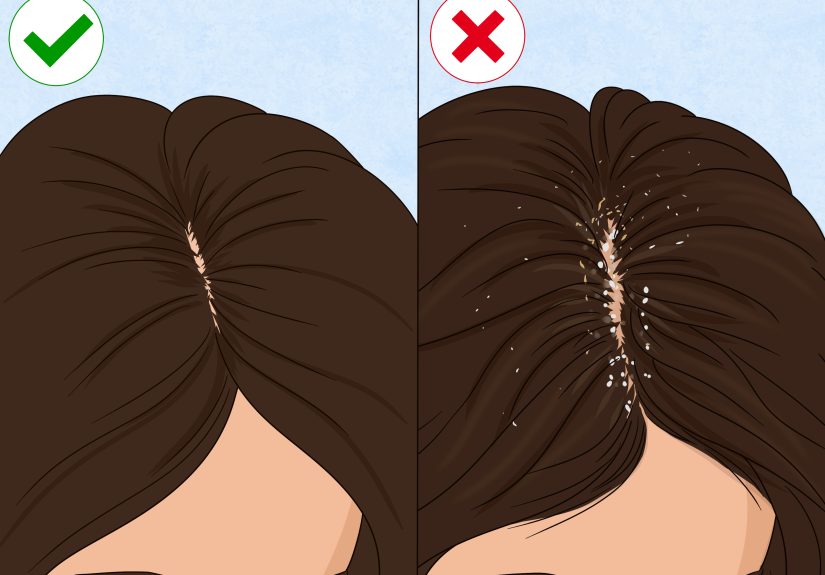
- You notice flakes caused by oil, sweat, or buildup.
Signs You May Be Washing Too Often
- Your scalp feels tight, dry, or irritated.
- Your hair feels rough or brittle.
- Your short style looks puffy instead of polished.
- Your color fades quickly.
- Your ends feel dry even after conditioning.
If both things happen at once, oily roots and dry ends, you may need a gentler shampoo, lighter conditioner placement, or a better rinse technique.
The Best Way to Wash Short Hair
Short hair needs less product than longer hair. That sounds obvious, but many people still use a palmful of shampoo like they are washing a golden retriever. Too much product can leave residue and make hair feel greasy again faster.
Step 1: Wet Your Hair Thoroughly
Use lukewarm water, not boiling-hot water. Hot water can make the scalp feel dry and can rough up the hair cuticle. Short hair wets quickly, but give your scalp enough time under the water to loosen oil, sweat, and styling products.
Step 2: Use a Small Amount of Shampoo
For most short hairstyles, a nickel-sized amount is plenty. For a buzz cut or very short crop, even less may work. Massage the shampoo into your scalp with fingertips, not nails. Your scalp wants a massage, not a tiny excavation project.
Step 3: Focus on the Scalp
Shampoo is mainly for the scalp. The lather that rinses through the hair is usually enough to clean short strands. Scrubbing the hair itself too aggressively can cause roughness and frizz.
Step 4: Rinse Longer Than You Think
Product left behind can make short hair look dull or greasy. Rinse until your hair no longer feels slippery or coated. This is especially important if you use wax, pomade, gel, dry shampoo, or texture spray.
Step 5: Condition Strategically
Short hair may not need conditioner every time, especially if it is very fine or oily. If you do condition, apply a small amount to the ends or driest areas rather than directly on the scalp. For curly, coily, coarse, or color-treated short hair, conditioner is usually more important and may be needed after every shampoo.
How Hair Type Changes Your Washing Routine
Fine Short Hair
Fine short hair often gets oily fast and loses volume quickly. Washing every day or every other day may work best. Use lightweight shampoo and conditioner, and avoid heavy oils or thick creams near the roots. A volumizing shampoo can help keep hair from collapsing into what can only be described as “sad helmet.”
Thick Short Hair
Thick short hair may not show oil as quickly, so washing every 2 to 4 days can be enough. If your hair feels heavy or hard to style, product buildup may be the issue. A clarifying shampoo once or twice a month can help, but avoid using it too often if your hair is dry or color-treated.
Curly Short Hair
Curly short hair usually needs moisture and gentle handling. Washing once or twice a week is common, though some people wash more often depending on sweat, scalp oil, and product use. Use a moisturizing shampoo or co-wash if regular shampoo leaves curls feeling dry.
Coily or Textured Short Hair
Coily and tightly textured short hair often benefits from less frequent shampooing and more moisture-focused care. Washing once a week, every 10 days, or every two weeks may be appropriate, depending on scalp comfort. Between washes, a light scalp refresh or moisturizing routine can help maintain softness.
Color-Treated Short Hair
Color-treated short hair needs a gentle, color-safe shampoo. Washing every 2 to 4 days may help preserve color, but oily scalps may need more frequent cleansing. Cooler water, less heat styling, and conditioning treatments can also help maintain shine.
What About Dry Shampoo?
Dry shampoo can be useful for short hair, especially fine or oily styles that flatten quickly. It absorbs oil, adds texture, and buys you an extra day before shampooing. In other words, it is the closest thing hair care has to a snooze button.
However, dry shampoo is not a true replacement for washing. It does not clean the scalp the way water and shampoo do. If used too often, it can build up and make the scalp itchy or flaky. Use it between washes, then shampoo properly when your scalp feels coated or uncomfortable.
Should You Rinse Short Hair Without Shampoo?
Yes, rinsing with water can help after light sweat, a dusty day, or a workout when your scalp does not feel oily enough for shampoo. Water rinsing can freshen short hair without stripping moisture.
This works especially well for dry, curly, or textured short hair. After rinsing, you can apply a small amount of conditioner or leave-in product to the ends if needed. For oily hair, water alone may not remove enough sebum, so shampoo may still be necessary.
How Lifestyle Affects Washing Frequency
If You Work Out Often
Sweat itself is not dirty, but sweat mixed with oil, bacteria, and styling products can make the scalp feel itchy or unpleasant. If you exercise daily, you may need to wash more often or alternate between shampoo days and water-rinse days.
If You Use Styling Products
Short hair often relies on styling products for shape. Pomade, wax, clay, gel, mousse, and hairspray can build up quickly. If your hair feels sticky, stiff, or coated, wash it. A gentle clarifying wash occasionally can help remove residue.
If You Wear Hats or Helmets
Hats and helmets trap heat and sweat close to the scalp. This can make short hair greasy faster. If you wear one daily, you may need to shampoo more often and wash the hat lining when possible.
If You Live Somewhere Humid
Humidity can make hair feel limp, sticky, or frizzy. Short hair may need more frequent refreshing in warm, humid weather. In colder or drier months, you may be able to wash less often.
Common Short Hair Washing Mistakes
Using Too Much Shampoo
Short hair does not need a large scoop of shampoo. Too much cleanser can dry the scalp and leave residue if not rinsed well.
Skipping Conditioner Completely
Some short hairstyles do not need much conditioner, but many still need a small amount. If your hair feels rough, frizzy, or dull, conditioner may be missing from the routine.
Conditioning the Roots
If your short hair gets greasy fast, applying conditioner directly to the scalp can make it look oily sooner. Focus on dry ends or textured sections instead.
Ignoring Scalp Problems
Persistent flakes, itching, redness, burning, or irritation may need a medicated shampoo or professional advice. Dandruff, seborrheic dermatitis, psoriasis, eczema, and product sensitivity can all affect the scalp.
Changing Products Too Often
Trying a new shampoo every few days makes it hard to know what works. Give a routine a fair chance unless it causes irritation.
A Practical Weekly Washing Schedule for Short Hair
Here are sample routines you can adjust based on your scalp and lifestyle.
For Oily Fine Short Hair
- Monday: Shampoo and light conditioner on ends
- Tuesday: Shampoo or rinse, depending on oil
- Wednesday: Shampoo if greasy; dry shampoo if mildly oily
- Thursday: Shampoo
- Friday: Shampoo or rinse after workouts
- Weekend: Wash as needed
For Normal Short Hair
- Monday: Shampoo and condition
- Tuesday: Rest day
- Wednesday: Shampoo or rinse
- Thursday: Rest day
- Friday: Shampoo and condition
- Weekend: Adjust for sweat, styling, or plans
For Dry, Curly, or Coily Short Hair
- Wash day: Gentle shampoo or co-wash plus conditioner
- Midweek: Water refresh, leave-in conditioner, or curl cream
- As needed: Scalp cleanse if itchy, sweaty, or flaky
Best Tips for Keeping Short Hair Healthy and Clean
Choose Shampoo Based on Your Scalp
If your scalp is oily, choose a balancing or lightweight shampoo. If your scalp is dry, choose a moisturizing or gentle shampoo. If you have flakes, consider an anti-dandruff shampoo and follow the directions carefully.
Use Conditioner Based on Your Hair
Your scalp and hair may need different things. The scalp may need cleansing, while the ends need moisture. This is especially true for short bobs, curly crops, and color-treated cuts.
Keep Styling Products Light
Short hair can be overwhelmed by heavy products. Start with a small amount and add more only if needed. Your hair should look styled, not laminated.
Clean Your Tools
Brushes, combs, clippers, and styling tools collect oil and product residue. Clean them regularly so you are not putting yesterday’s buildup back onto freshly washed hair.
Protect Your Scalp
Very short hair exposes more scalp to the sun. If you have a buzz cut, fade, pixie, or shaved style, protect your scalp outdoors with a hat or scalp-safe sunscreen.
Real-Life Experiences: What Short Hair Washing Actually Feels Like
Short hair routines often change after the first haircut. Many people expect short hair to be effortless, and in many ways, it is. You use less shampoo, drying takes minutes, and detangling is usually less dramatic. But short hair can also be surprisingly honest. It tells the world when you slept funny, used too much wax, skipped a wash day, or thought bangs would “just fall into place.” Spoiler: they often hold a meeting and vote against you.
People with fine short hair often discover that oil shows up quickly. A person with a chin-length bob or pixie may wash at night and wake up with roots that already look flat. For them, washing every day or every other day can feel cleaner and more comfortable. The trick is using a gentle shampoo and not overloading conditioner near the scalp. A lightweight leave-in spray on the ends may work better than a rich cream.
People with thick short hair often have the opposite experience. Their hair may look fresh for several days, but styling product can build up near the roots. Someone with a textured crop, short shag, or layered bob might not look oily, but the scalp may feel coated after using mousse, paste, or texture spray. In that case, washing every 2 to 4 days is often more useful than waiting until the hair looks dirty.
Curly short hair brings another lesson: clean does not have to mean squeaky. Many curly-haired people find that traditional shampooing too often makes curls lose shape. Their best routine may include one full wash day each week, one midweek rinse, and regular conditioning. The goal is a clean scalp and defined curls, not hair that feels stripped and expands like a startled poodle.
Short color-treated hair has its own personality. Bright colors, blondes, reds, and glossed brunettes can fade faster with frequent washing. Many people with dyed short hair stretch wash days with dry shampoo, cool water, and gentle shampoo. They may wash two or three times a week instead of daily. This helps preserve shine and keeps salon color looking expensive instead of “oops, the drain is wearing half my toner.”
Another common experience is the workout problem. Short hair feels great for exercise because it stays off the neck, but sweat can make the scalp feel sticky fast. Some people wash after every sweaty workout, while others rinse with water and shampoo only every second or third session. The best choice depends on oiliness, odor, and scalp comfort.
The biggest lesson from real life is that your routine should be flexible. You might wash more often in summer, after workouts, or during busy styling weeks. You might wash less often in winter, after coloring, or when your scalp feels dry. Short hair does not need one universal rule. It needs observation, a good shampoo, a sensible conditioner, and the confidence to ignore anyone who insists there is only one “correct” wash schedule.
Conclusion
So, how often should you wash short hair? Most people do well washing every 1 to 3 days, but the best routine depends on your scalp, hair type, styling habits, and daily activity. Oily or fine short hair may need daily or every-other-day washing. Dry, curly, coily, coarse, or color-treated short hair often benefits from washing less often and focusing more on moisture.
The healthiest routine is not the one that follows a trendy rule. It is the one that leaves your scalp comfortable, your hair clean, and your style easy to manage. Wash when your scalp feels oily, sweaty, itchy, or coated. Wash less often if your hair becomes dry, dull, or brittle. Short hair may be low-maintenance, but it still appreciates a little strategy.
Note: This article is for general hair-care education. If you have persistent scalp irritation, heavy dandruff, hair loss, burning, sores, or sudden changes in scalp health, consider speaking with a dermatologist or qualified health professional.