Table of Contents >> Show >> Hide
- How Food Fits Into Breast Cancer Prevention
- 1. Alcoholic Drinks
- 2. Processed Meats
- 3. Large Amounts of Red Meat
- 4. Charred, Blackened, and Heavily Grilled Meats
- 5. Sugar-Sweetened Beverages
- 6. Fast Food and Supersized Combo Meals
- 7. Deep-Fried Foods
- 8. Ultra-Processed Snack Foods
- 9. Refined Grains, Pastries, and Everyday Sweets
- What to Eat More Often Instead
- The Bottom Line
- Real-Life Experiences: What Changing These Foods Often Feels Like
- SEO Tags
Let’s start with the truth no headline loves as much as it should: no single food causes breast cancer, and no single food can guarantee that you will never develop it. If that were possible, the produce aisle would need security guards and a velvet rope. Breast cancer risk is shaped by many factors, including age, family history, hormones, body weight, alcohol use, physical activity, and overall eating patterns. Still, food matters. What you eat can influence inflammation, hormone levels, weight gain, insulin response, and long-term metabolic health, all of which play a role in overall cancer risk.
That is why the smartest approach is not panic-eating broccoli while glaring at a cookie. It is building a dietary pattern that makes your body work a little less hard every day. When experts talk about lowering breast cancer risk, they usually focus less on “superfoods” and more on the foods and drinks worth limiting. In other words, this is not about perfection. It is about reducing the stuff that keeps showing up in the research for all the wrong reasons.
Below are nine foods and drink categories to avoid or limit if you want to support lower breast cancer risk, along with practical swaps that do not make dinner feel like a punishment.
How Food Fits Into Breast Cancer Prevention
Before we get into the list, here is the big-picture idea: some foods are linked more directly to cancer risk, while others matter because they promote weight gain, poor diet quality, and a highly processed eating pattern. Alcohol is the standout problem because the evidence is especially strong. Other foods, such as processed meats, sugar-sweetened drinks, and ultra-processed convenience foods, are less about one magical ingredient and more about the damage caused by eating them often, in large portions, over many years.
So when this article says “avoid,” read it as “avoid making these foods regular headliners on your plate.” A birthday slice of cake is not a medical emergency. A daily pattern built around drive-thru meals, sugary drinks, and processed meat is where the concern starts getting louder.
1. Alcoholic Drinks
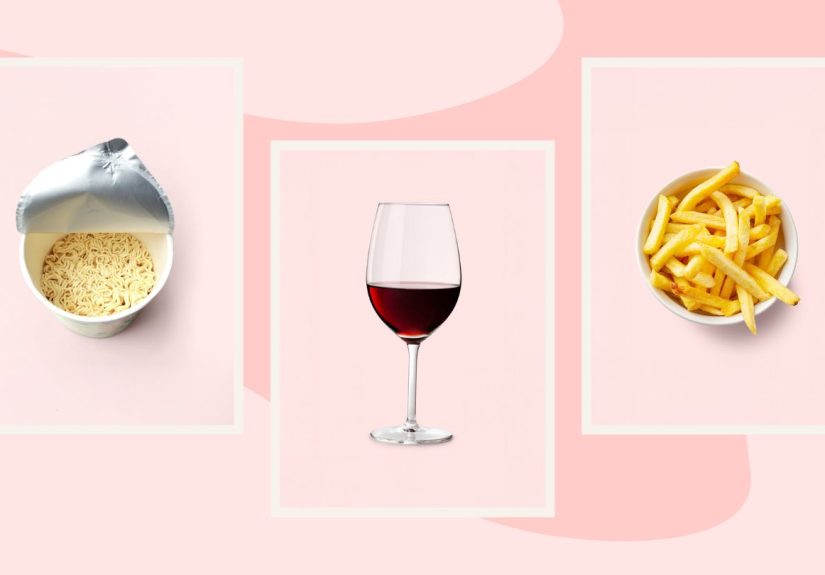
If there is one item on this list that deserves the flashing neon sign, it is alcohol. Beer, wine, cocktails, hard seltzers, fancy spritzes that cost more than lunch, all count. Alcohol is associated with a higher risk of breast cancer, and risk rises with greater intake. That is one reason many cancer organizations now say less is better, and none is safest from a cancer-prevention standpoint.
Why does alcohol matter so much? It can increase estrogen levels, damage DNA, and make it easier for harmful compounds to affect cells. It also adds calories without much nutrition, which can make weight management harder over time. A nightly “just one glass” habit may feel harmless, but from a long-view health perspective, it is worth rethinking.
Smarter move: Trade some drinking occasions for sparkling water with citrus, kombucha, unsweetened iced tea, or a mocktail that does not taste like regret and cucumber.
2. Processed Meats
Processed meats include bacon, sausage, hot dogs, ham, salami, pepperoni, deli meat, and many smoked or cured meats. These foods have long been a red flag in cancer-prevention guidance. While processed meat is most strongly linked to colorectal cancer, evidence also points toward broader cancer concerns, and breast cancer researchers have continued to watch this category closely.
Part of the issue is how processed meats are preserved and flavored. Nitrates, nitrites, sodium, smoke, and other compounds can create an unhealthy package that your body did not exactly order. Add frequent intake, oversized portions, and the fact that these foods often crowd out healthier proteins, and the problem becomes easy to see.
Smarter move: Swap deli meat sandwiches for turkey you roast at home, grilled chicken, hummus, tuna, beans, or smashed chickpea salad. Your lunch can survive without a stack of mystery slices.
3. Large Amounts of Red Meat
Red meat is not the villain in every story, but eating a lot of it on a regular basis is not ideal for cancer prevention. Beef, pork, lamb, and goat can fit into a diet now and then, yet many health organizations recommend limiting red meat overall. The concern grows when portions are large, meals are frequent, and vegetables seem to exist only as burger toppings.
Red meat-heavy diets are often lower in fiber and higher in saturated fat, and they can contribute to weight gain if they regularly replace plant-forward meals. In practical terms, the issue is not that one steak will ruin your future. It is that a routine of burgers, ribs, meat lovers pizza, and double-beef takeout can quietly shape an unhealthy long-term pattern.
Smarter move: Treat red meat more like a guest appearance than a full-time cast member. Build more meals around fish, poultry, lentils, tofu, edamame, or beans.
4. Charred, Blackened, and Heavily Grilled Meats
How you cook meat matters, too. When meat is cooked at very high temperatures, especially until it is charred or blackened, compounds can form that have been linked to cancer risk. This does not mean you need to throw out your grill and apologize to summer, but it does mean that “crispy to the point of carbon” is not a wellness strategy.
Charred burgers, blackened steaks, and heavily smoked meats can expose you to more harmful substances than meat cooked with gentler methods like baking, braising, poaching, stewing, or roasting. If you already eat red or processed meat often, piling high-heat cooking on top of that is not doing your cells any favors.
Smarter move: Marinate meat, cook at lower temperatures when possible, avoid burning it, and balance the plate with vegetables, beans, and whole grains. Your food can have flavor without looking like it survived a wildfire.
5. Sugar-Sweetened Beverages
Soda, sweet tea, energy drinks, sports drinks, flavored coffee drinks, and fruit punches are some of the easiest calories to overconsume because they do not feel filling. Sugar-sweetened beverages are not usually blamed for breast cancer in the same direct way alcohol is, but they are heavily associated with weight gain, poor metabolic health, and dietary patterns that increase overall cancer risk.
This matters because excess body weight, especially after menopause, is linked to a higher risk of breast cancer. Liquid sugar makes it remarkably easy to take in a lot of calories without noticing. A bottle here, a drive-thru drink there, and suddenly your body is carrying around the nutritional equivalent of a bad decision playlist.
Smarter move: Replace sugary drinks with water, sparkling water, unsweetened tea, or coffee with little to no added sugar. Even reducing portion size makes a difference.
6. Fast Food and Supersized Combo Meals
Fast food is convenient, cheap, and engineered to make you want it again before you finish the fries. Unfortunately, many fast-food meals are high in refined carbs, sodium, saturated fat, and calories while being low in fiber and protective nutrients. That combination makes weight management tougher and diet quality worse.
The problem is not just one burger. It is the pattern: breakfast sandwich, fried lunch, drive-thru dinner, giant soda, late-night dessert, repeat. Cancer-prevention guidance consistently leans toward whole foods and away from “fast foods” and highly processed meals that make overeating easy. Supersized combo meals are especially sneaky because they normalize portions that are far larger than what most people actually need.
Smarter move: Keep convenience, but upgrade it. Rotisserie chicken, bagged salad, microwavable brown rice, bean soup, yogurt, fruit, and frozen vegetables can rescue a busy night without turning dinner into a sodium festival.
7. Deep-Fried Foods
French fries, fried chicken, onion rings, funnel cakes, and assorted crunchy temptations are not usually framed as breast cancer foods specifically, but they often sit inside the same high-calorie, low-fiber dietary pattern linked to weight gain and poorer long-term health. Deep-fried foods can also be high in unhealthy fats and are easy to overeat because they are hyper-palatable. That is science-speak for “you meant to have a few and suddenly the basket is empty.”
When fried foods become frequent rather than occasional, they can crowd out meals built around vegetables, legumes, fruit, and whole grains. The issue again is not moral failure. It is repetition. Your body notices what you do most often, not what you ate at the county fair last August.
Smarter move: Roast potatoes instead of frying them, use an air fryer if you like the crunch, and think of deep-fried foods as occasional extras rather than routine staples.
8. Ultra-Processed Snack Foods
Packaged snack cakes, cheese puffs, frosted crackers, candy bars, sweet granola clusters, instant noodles, and many heavily flavored snack foods fall into the ultra-processed category. These products are often high in added sugar, refined starches, sodium, and unhealthy fats while offering little fiber or nutritional value. They are designed for convenience, shelf life, and taste intensity, not exactly for graceful aging.
Researchers are still sorting out exactly how ultra-processed foods affect different cancers, but many experts recommend limiting them because they contribute to excess calories and poor dietary quality. They also tend to replace foods that actually help protect health, such as beans, vegetables, fruit, nuts, and whole grains.
Smarter move: Keep easy snacks around, just make them less synthetic. Try apples with peanut butter, plain yogurt with berries, roasted chickpeas, nuts, popcorn without candy-level sugar coatings, or whole-grain toast with avocado.
9. Refined Grains, Pastries, and Everyday Sweets
White bread, pastries, donuts, giant muffins, sweet breakfast cereals, cookies, and dessert-like coffee shop treats can create a steady stream of refined carbs and added sugar. These foods are usually low in fiber and easy to eat quickly, which means they do not do much to keep you full. If they show up often, they can contribute to overeating, weight gain, and blood sugar spikes that do not support long-term metabolic health.
To be clear, nobody needs to ban birthday cake. The problem is when dessert stops being dessert and becomes breakfast, snack, second snack, and “tiny little treat” number four. An eating pattern built around refined grains leaves less room for the foods that consistently show up in healthier dietary patterns.
Smarter move: Choose whole grains more often, keep sweets smaller and less frequent, and pair carbohydrates with protein or fiber when you can. Oatmeal beats a frosted pastry on most mornings, even if the pastry is emotionally persuasive.
What to Eat More Often Instead
Once you cut back on the foods above, your plate gets surprisingly easier to build. Most cancer-prevention advice points in a similar direction: more vegetables, fruit, beans, lentils, whole grains, nuts, seeds, and reasonable portions of fish or poultry if you eat animal protein. These foods help with weight management, provide fiber, and create a more balanced dietary pattern overall.
A simple plate might look like this: half vegetables, one quarter whole grains, and one quarter protein. Or think in swaps: black bean tacos instead of processed meat tacos, grilled salmon instead of fried chicken, fruit and yogurt instead of cake as an everyday dessert, sparkling water instead of wine on weeknights. Small changes may sound unimpressive, but they are exactly what habits are made of.
The Bottom Line
If your goal is to lower breast cancer risk, the most important food-related step is limiting alcohol. After that, focus on avoiding a routine built around processed meats, oversized red meat portions, heavily charred meats, sugary drinks, fast food, fried foods, ultra-processed snacks, and refined sweets. These foods do not all carry the same level of evidence, but together they create the kind of eating pattern that works against weight control, diet quality, and long-term health.
You do not need a dramatic pantry purge, a suspicious detox tea, or a refrigerator that looks like it belongs to a wellness influencer with no job and six cutting boards. You need a realistic pattern you can repeat. Consistency beats nutritional theatrics every time.
Real-Life Experiences: What Changing These Foods Often Feels Like
One of the most common experiences people have when they start eating with breast cancer prevention in mind is realizing that the hard part is not knowledge. Most people already know that water is a better idea than soda and that bacon is not a leafy green. The hard part is routine. Food is wrapped up in stress, celebration, family habits, convenience, and comfort. That is why changing what you eat can feel emotional in a way that nutrition charts never fully capture.
For many people, alcohol is the first surprise. They may not think of a glass of wine as “risky” because it has been marketed as classy, social, and even relaxing. But once they learn that alcohol is one of the clearest diet-related factors tied to breast cancer risk, the habit starts to look different. Some describe a strange transition period where Friday night feels incomplete without a drink. Then, after a few weeks of sparkling water, mocktails, or skipping alcohol on weekdays, that old habit loses some of its grip. The experience is less dramatic than expected. It often becomes a quiet, sustainable shift.
Processed meat is another big one. People often discover that these foods are everywhere: breakfast sandwiches, deli lunches, pizza toppings, snack boards, convenience meals. At first, cutting back can feel inconvenient. But many later say the swap becomes easier once they find two or three reliable alternatives they actually enjoy. A homemade turkey sandwich, bean chili, rotisserie chicken, or tuna wrap can do a lot of heavy lifting. The lesson is simple: replacement works better than restriction alone.
There is also the experience of relearning fullness. When someone moves away from sugary drinks, pastries, fried foods, and ultra-processed snacks, they often notice that whole foods keep them satisfied longer. A breakfast of oats, fruit, and nuts feels very different from a sweet coffee and a giant muffin that leaves hunger lurking an hour later like a rude coworker. People may not call that a cancer-prevention moment, but it is exactly the kind of pattern shift that supports healthier body weight and better metabolic health over time.
Social life can be tricky, too. Family gatherings, holidays, office treats, and restaurant meals are not designed around your risk-reduction goals. Many people describe feeling awkward at first, especially if they are declining alcohol or choosing smaller portions of processed or fried foods. Over time, however, they often find that nobody is paying as much attention as feared. And when people do notice, a simple “I’m trying to eat a little better” usually ends the conversation without requiring a TED Talk.
The most encouraging experience people report is that progress does not require perfection. Risk reduction is not destroyed by one burger, one cocktail, or one vacation dessert. What matters is what your life looks like most of the time. That realization tends to lower anxiety and increase follow-through. In real life, a protective eating pattern is not built from extreme rules. It is built from ordinary choices repeated often enough that they become your new normal.