Table of Contents >> Show >> Hide
- Why Distilleries Were Uniquely Built for the Pivot
- The Two-Day Timeline: How “Impossible” Turned Into Bottles on the Table
- What Actually Changes When a Distillery Makes Sanitizer
- The Regulatory Fast Lane (With Speed Bumps)
- Specific Examples of the Pivot in Action
- The Business Reality: Sanitizer Helped, But It Wasn’t a Cheat Code
- What We Learned About Resilience (And About Ourselves)
- Conclusion
- Experiences From the Pivot: What the Two-Day Switch Really Felt Like (About )
- SEO Tags
In the spring of 2020, the world learned a strange new phrase: “unprecedented demand.”
It applied to toilet paper, yeast, andsuddenlyhand sanitizer. Shelves went bare. Online listings went feral.
And in small towns across America, people who’d never cared about “isopropyl vs. ethanol” started reading labels like
they were studying for finals.
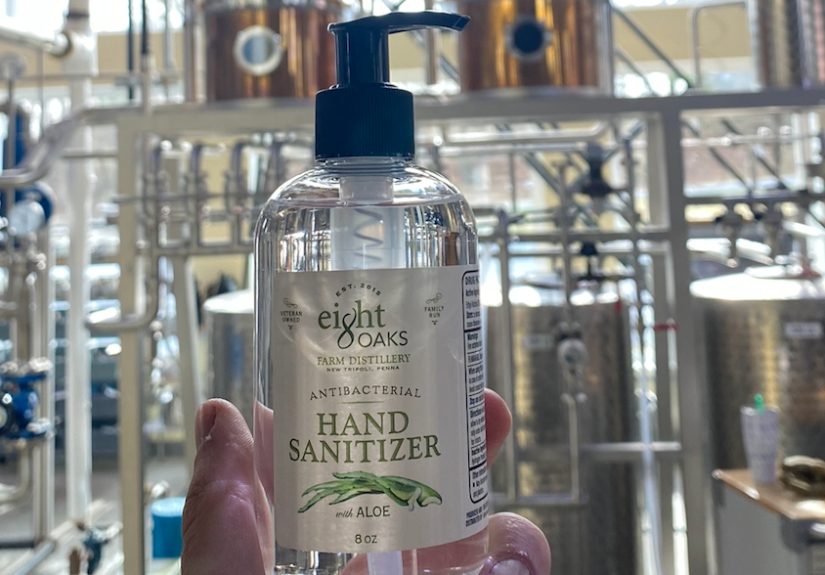
In rural Pennsylvania, Eight Oaks Farm Distillery watched the sanitizer shortage turn into something uglier: price gouging
and panic. Instead of waiting it out, the distillery did what scrappy businesses do bestimprovise, adapt, and get to work.
Within about two days, they’d rerouted their operation from making spirits to producing alcohol-based hand sanitizer, turning
a tasting room into an emergency production and distribution hub.
This is the story of how that kind of lightning-fast pivot happensnot as a magical “just add hustle” moment, but as a
blend of practical equipment, regulatory flexibility, community pressure, and a whole lot of “Okay, what do we do next?”
energy.
Why Distilleries Were Uniquely Built for the Pivot
When you strip away the romance of copper stills and moody barrel rooms, distilling is a disciplined process:
controlled production, sanitation, measurement, documentation, and quality checks. Distilleries already handle high-proof alcohol
safely, already have tanks and pumps and hoses, and already know what it means to keep a process consistent.
That matters because an ethanol-based sanitizer supply crunch isn’t like running out of paper towels. The core ingredient
is alcohol at an effective strength, and producing or handling it at scale isn’t a “Pinterest weekend project.”
Cornell extension experts put it bluntly at the time: sanitizer manufacturing isn’t for hobbyists; it’s for professionals.
Distilleries were among the few local operations already equipped to act like professionals on Day One.
In other words: a distillery can’t make masks or ventilators overnightbut it can make (and manage) alcohol.
When sanitizer disappeared, that capability suddenly became a public service.
The Two-Day Timeline: How “Impossible” Turned Into Bottles on the Table
The phrase “in two days” sounds like a marketing flex. In reality, it’s a frantic, detail-heavy sprint that looks
less like a victory lap and more like a group chat where every message starts with “Quick question…”
Day 0: The SparkShortage, Sticker Shock, and a Moral Line
For Eight Oaks, the tipping point wasn’t just the shortage. It was watching prices climb and hearing from organizations
that couldn’t get sanitizer at any cost. The motivation wasn’t abstract: people needed something, immediately, to protect
patients, residents, and workers. So the question shifted from “Should we?” to “How fast can we responsibly do this?”
That wordresponsiblydid a lot of work. Because while the world was desperate, sanitizer also had to be effective and safe.
Not “close enough.” Not “smells like citrus, so it must work.” Effective.
Day 1: The HomeworkRegulations, Labels, and a Crash Course in Public Health
The first day of the pivot isn’t glamorous. It’s a blur of reading guidance, calling contacts, and figuring out what rules
apply when you’re suddenly straddling multiple worlds: beverage alcohol, public health, consumer safety, and emergency logistics.
During COVID-19, federal agencies created temporary pathways to help increase supply. The Alcohol and Tobacco Tax and Trade Bureau (TTB)
issued guidance allowing existing distilled spirits plants to begin sanitizer-related production quickly under emergency provisions,
while still requiring recordkeeping and compliance with other laws. The Food and Drug Administration (FDA) also issued temporary policies
describing how certain alcohol-based hand sanitizers could be prepared during the declared public health emergency.
In plain English: the government cleared some roadblocksbut it didn’t erase the need to do it correctly.
Distilleries had to pay attention to how the alcohol was handled for non-beverage use, how the product was labeled,
and how it was kept from being mistaken for something drinkable (especially in a moment when “DIY everything” was trending hard).
Meanwhile, public health messaging stayed consistent: soap and water is best when available, and sanitizer needs sufficient alcohol to be useful.
The label matters. The strength matters. And yes, people really do need reminders not to treat sanitizer like a snack.
Day 2: The ConversionFrom Tasting Room to “Mission Control”
Here’s where the distillery brain shines. The equipment didn’t need to be invented; it needed to be repurposed.
The workflow didn’t need a 40-page strategy document; it needed a clean surface, a clear plan, and people who could execute.
At Eight Oaks, the transformation was rapid: the tasting room became an operations center, the product decisions were made in hours,
and sample bottles were ready the same day they finalized their approach. The distillery started smallfirst bottles for groups in needthen
ramped up distribution quickly through the channels they already used to reach the community.
The key to “two days” wasn’t speed for its own sake. It was decisive triage:
cut anything nonessential, focus on the product and distribution, and keep the process simple enough to execute reliably.
What Actually Changes When a Distillery Makes Sanitizer
Swapping whiskey for sanitizer isn’t like swapping a playlist. The pivot touches nearly every part of the operation:
ingredients, handling, packaging, labeling, and the basic question of who the “customer” is now (spoiler: not cocktail enthusiasts).
1) Alcohol for Hands Is Not Alcohol for Happy Hour
Beverage alcohol is made to be consumed. Hand sanitizer is made to be used on skinand never consumed.
That distinction sounds obvious, but in a crisis, obvious needs guardrails. Industry guidance emphasized that sanitizer-related alcohol
often needed to be treated as non-beverage product, with specific handling expectations to keep it out of the “oops, someone drank it” category.
This is also where distilleries had to fight misinformation. Brands like Tito’s publicly warned consumers not to try turning vodka into effective sanitizer
(vodka generally doesn’t meet the alcohol strength recommended for sanitizer effectiveness). The message: don’t waste good spirits,
and don’t rely on a product that won’t do the job.
2) Packaging Becomes the Real Villain
If you want a plot twist, here it is: the hard part often wasn’t alcohol. It was bottles.
In many places, containers and closures were the bottleneckpump tops, caps, small bottles, even basic plastic jugs.
The American Craft Spirits Association began tracking distilleries’ supply needs because so many were stuck hunting for packaging,
closures, and other essentials.
Eight Oaks’ early batches went out in limited quantities, partly because scaling up meant solving the packaging puzzle.
Other distilleries asked customers to bring their own containers, created curbside pickup lines, or partnered with local organizations
that could help source and distribute supplies. This wasn’t about aesthetics; it was about getting sanitizer into hands safely and quickly.
3) Distribution Looks More Like Emergency Response Than Retail
Distilleries that were used to pouring tastings suddenly had drive-through pickup systems, donation-based distribution, and priority lists
for hospitals, nursing homes, and first responders. Eight Oaks, for example, offered sanitizer with a “donate what you can” approach to push back
against gouging and help flood the local area with supply.
Some distilleries also shifted from giving it away to selling it in order to keep staff employed and keep the lights on.
Journeyman Distillery in Michigan, for instance, started by donating sanitizer and later sold it to support rehiring and employee relief efforts.
The pivot had a public-health purpose, but it also became a lifeline for businesses crushed by shutdowns.
The Regulatory Fast Lane (With Speed Bumps)
You can’t tell this story without explaining why it was even possible.
In normal times, changing what you manufactureand how it’s classifiedcan take weeks or months.
During COVID-19, regulators tried to balance urgency with safety.
The TTB issued public guidance allowing distilled spirits plants to commence sanitizer-related operations quickly and remove qualifying products tax-free
under certain conditions, while pointing producers to follow FDA-related guidance for formulations and requirements.
The FDA, for its part, released temporary policies describing expectations during the public health emergency and indicating the policies were tied to that emergency status.
Translation: the doors opened wider, but you still needed to walk through the right door.
Distilleries had to document what they were doing, follow public-health-oriented expectations, and pay close attention to safety and labeling.
The urgency was real, but so was the risk of ineffective or unsafe productssomething public health agencies warned about as homemade or improperly made
sanitizers spread online.
Specific Examples of the Pivot in Action
Eight Oaks Farm Distillery: “Flood the Valley” with Supply
Eight Oaks became a symbol of what local action can look like: they moved fast, produced sanitizer quickly, and directed it to charities and community
distribution points. The “two-day” headline wasn’t a metaphorthey were making decisions and producing initial bottles in a matter of hours once the pivot began.
Their approach also carried a message: scarcity doesn’t have to mean exploitation.
Twin Valley Distillers: Fast Approval, Fast Setup
In Maryland, Twin Valley Distillers also shifted rapidly, with staff describing a fast turnaround in approvals and a quick switch from spirits production to
sanitizer distribution. The reporting captured the scene vividly: labels printing, lids sealing, and a pop-up-style sales/distribution setup outside the facility.
It looked less like a boutique brand experience and more like a neighborhood supply station.
Boardroom Spirits: “Organized Chaos” and Drive-Through Giving
In Pennsylvania, Boardroom Spirits described the early days of sanitizer production as “organized chaos”figuring out new workflows on the fly, redeploying staff,
and building contactless distribution systems. They provided free small amounts daily to individuals while also fulfilling bulk needs for essential institutions.
It wasn’t just production; it was community logistics.
The Business Reality: Sanitizer Helped, But It Wasn’t a Cheat Code
One myth that popped up early was that sanitizer would “save” distilleries financially.
Some did generate revenue, but sanitizer doesn’t typically carry the same margins as premium spiritsespecially when you’re donating large amounts or pricing it
to be accessible.
Journeyman Distillery’s story made this tension clear: sanitizer helped them rehire some staff and create relief funding, but it wasn’t a full replacement for their
core business. And dedicating equipment and time to sanitizer meant less production capacity for whiskey, which could create downstream gaps later.
Even when it worked financially, the pivot required time, risk, and constant problem-solvingespecially as guidance evolved and supply chains stayed strained.
Many distilleries leaned heavily on partnerships: local businesses, industry peers, and community organizations that could help source bottles, move product,
and identify who needed it most.
What We Learned About Resilience (And About Ourselves)
The distillery-to-sanitizer pivot revealed something quietly powerful: local manufacturers can be emergency infrastructure.
Not in a “Hollywood hero” way. In a “we have tanks, we have ethanol, we can move fast, tell us what’s needed” way.
It also revealed the limits of DIY culture. When people are scared, they try to create control. That’s human.
But public health isn’t an arts-and-crafts fair. The most responsible move for most people wasn’t “make your own”it was
to use soap and water when possible, use effective sanitizer when necessary, and let professionals scale production safely.
And finally, it showed how quickly a brand can become a community service.
A tasting room that once hosted weekend crowds became a distribution point for frontline workers.
A business that once measured success in bottles sold started measuring it in who they could protect.
Conclusion
“How did they do it in two days?” isn’t really a question about speed. It’s a question about readiness.
Eight Oaks and countless other distilleries were able to pivot because they already had the core capability (alcohol handling),
already understood process discipline, and were willing to treat a public need as the main mission.
The pandemic forced fast decisionsbut the distilleries that made the cleanest pivots didn’t rely on shortcuts.
They relied on clarity: follow credible guidance, label honestly, distribute thoughtfully, and keep the operation safe.
In a moment when panic was contagious, competence was, too.
Experiences From the Pivot: What the Two-Day Switch Really Felt Like (About )
If you ask people who lived through the distillery pivot what it felt like, you don’t get a neat “Step 1, Step 2, Step 3.”
You get stories. Lots of them. And they usually start with some version of: “Everything changed… immediately.”
For many teams, the first emotion wasn’t prideit was disbelief. One minute you’re thinking about spring cocktail menus,
barrel rotations, and tasting-room events. The next minute you’re reading emergency guidance documents and trying to answer emails from
people asking, “Do you have any sanitizer for my clinic?” or “My parent’s nursing home can’t get supplies.” It’s hard to stay focused
when the stakes suddenly feel personal.
Then comes the “organized chaos” phase. Distilleries are used to controlled processes, but a rapid pivot means building a new workflow
while already running it. Staff who used to pour tastings become bottlers. People who used to manage events become logistics coordinators.
Someone becomes the “label person” because labels suddenly matter like never before. Someone else becomes the “bottle detective,” calling
suppliers, messaging neighboring businesses, and realizing that a simple pump top can be harder to find than a parking spot at the mall on Black Friday.
The most common surprise? How much of the job becomes distribution, not production. Making sanitizer is one thing. Getting it to the right hands
is another. Distilleries set up curbside pickup lanes, contactless drop-offs, and priority lists that felt more like emergency management than retail.
Cars lined up. People rolled down windows to say thank you. A lot of distillers describe that as the moment it stopped feeling like “a project” and
started feeling like “a responsibility.”
Another experience that comes up again and again is the emotional whiplash of helping while also trying to survive as a business.
Some distilleries donated heavily at first, then shifted to partial sales to keep staff employed. Others created relief funds or community partnerships.
It’s not a simple moral math problem; it’s a constant balancing act. But many owners described the pivot as a way to regain purpose during a time
when their normal business model was suddenly frozen.
And yesthere were moments of humor, because that’s how humans cope. Like realizing your tasting room has become a “mini factory,”
complete with improvised stations, hand-written signs, and someone saying, “I can’t believe this is my job now,” while they seal lids
for the hundredth time. In the middle of a frightening season, those small laughs mattered.
In the end, the shared experience wasn’t just “we made sanitizer.” It was “we learned what we’re capable of when the community needs us.”
The pivot left many distilleries changedmore connected, more practical, and more aware that sometimes the most important product you make
isn’t the one that wins awards. It’s the one that helps people get through a crisis.