Table of Contents >> Show >> Hide
- Why These Honey-Lemon Cottage Cheese Pancakes Work
- Honey-Lemon Cottage Cheese Pancakes Recipe
- Tips for Fluffy Cottage Cheese Pancakes
- Easy Variations to Try
- What to Serve With Honey-Lemon Cottage Cheese Pancakes
- How to Store, Freeze, and Reheat
- Frequently Asked Questions
- Why This Recipe Earns a Spot in Your Breakfast Rotation
- A Real Kitchen Experience: What Making Honey-Lemon Cottage Cheese Pancakes Is Actually Like
- Conclusion
- SEO Tags
If your breakfast routine has started to feel like a sad loop of toast, coffee, and existential sighing, allow me to introduce a brighter plan: honey-lemon cottage cheese pancakes. They are fluffy, lightly tangy, gently sweet, and just fancy enough to make a regular morning feel like brunch with decent lighting. The cottage cheese adds richness and body without making the pancakes heavy, while lemon wakes everything up like a tiny citrus alarm clock. Honey brings a soft floral sweetness that tastes warmer and rounder than plain sugar, which is exactly what these pancakes need.
This recipe is designed for real kitchens, not fantasy kitchens where every bowl is already clean and no one has ever burned the first pancake. You do not need unusual ingredients, a professional griddle, or a spiritual connection to breakfast. You just need a bowl, a whisk, one pan, and enough self-control not to overmix the batter into rubbery doom. The result is a stack of pancakes with crisp golden edges, a tender center, and a flavor that lands somewhere between cozy diner breakfast and sunny weekend treat.
Below, you’ll get the full honey-lemon cottage cheese pancakes recipe, plus the little details that make the difference: how to keep the batter fluffy, when to flip, what toppings work best, how to store extras, and how to make the whole thing feel effortless even before coffee fully kicks in.
Why These Honey-Lemon Cottage Cheese Pancakes Work
There are plenty of pancake recipes in the world, and many of them are fine. These are better than fine. These are the kind of pancakes that make people hover near the stove “just to help,” which is family code for “I would like first dibs.”
The secret is balance. Cottage cheese gives the batter moisture, a subtle tang, and a more satisfying texture than standard pancakes. Lemon zest adds perfume and freshness, while a little lemon juice sharpens the flavor so the pancakes don’t taste flat. Honey sweetens without turning the stack into dessert, and vanilla smooths out the edges. The flour, baking powder, and a touch of baking soda provide structure and lift, while a short batter rest helps the pancakes cook up thick and tender instead of thin and tired.
In other words, these pancakes are doing a lot. Quietly. Like the best brunch guests.
Honey-Lemon Cottage Cheese Pancakes Recipe
Quick Recipe Snapshot
Yield: 8 to 10 small pancakes, or 4 generous servings
Prep time: 10 minutes
Cook time: 15 minutes
Best for: breakfast, brunch, meal prep, and impressing people with very little actual drama
Ingredients
- 1 cup cottage cheese, preferably 2% or whole milk
- 2 large eggs
- 2 tablespoons honey, plus more for serving
- 1 tablespoon finely grated lemon zest
- 1 tablespoon fresh lemon juice
- 1 teaspoon vanilla extract
- 2 tablespoons unsalted butter, melted and slightly cooled
- 3/4 cup all-purpose flour
- 1 1/2 teaspoons baking powder
- 1/4 teaspoon baking soda
- 1/4 teaspoon fine salt
- 2 to 4 tablespoons milk, only if needed to loosen the batter
- Butter or neutral oil for the pan
Optional Toppings
- Fresh blueberries, raspberries, or sliced strawberries
- A little extra lemon zest
- Greek yogurt or whipped ricotta
- Warm honey or honey butter
- Toasted sliced almonds
- A light dusting of powdered sugar
Instructions
- Wake up the lemon and honey. In a medium bowl, stir the honey and lemon zest together for 30 seconds. This helps the zest perfume the sweetener and gives the finished pancakes a brighter lemon flavor.
- Mix the wet ingredients. Add the cottage cheese, eggs, lemon juice, vanilla, and melted butter to the same bowl. Whisk until combined. A few cottage cheese curds are perfectly fine. If you want a smoother texture, lightly mash the curds with the whisk or pulse the mixture once or twice with an immersion blender.
- Mix the dry ingredients. In a separate bowl, whisk together the flour, baking powder, baking soda, and salt.
- Combine gently. Add the dry ingredients to the wet ingredients and fold together just until no dry pockets remain. Do not beat the batter smooth. It should look thick and a little lumpy. If it seems excessively stiff, add 2 tablespoons milk and check again. Add more only if needed.
- Let the batter rest. Leave it alone for 10 minutes. This is not laziness. This is strategy. The flour hydrates, the batter thickens properly, and the pancakes cook up fluffier.
- Heat the pan. Place a nonstick skillet or griddle over medium-low to medium heat. Add a little butter or oil. If you are uncertain, make one small test pancake before committing the full batch.
- Cook the pancakes. Scoop about 1/4 cup batter per pancake onto the pan, leaving space between each one. Cook for 2 to 3 minutes, until bubbles appear on top and the edges begin to look set. Flip once and cook for another 1 to 2 minutes, until golden and cooked through.
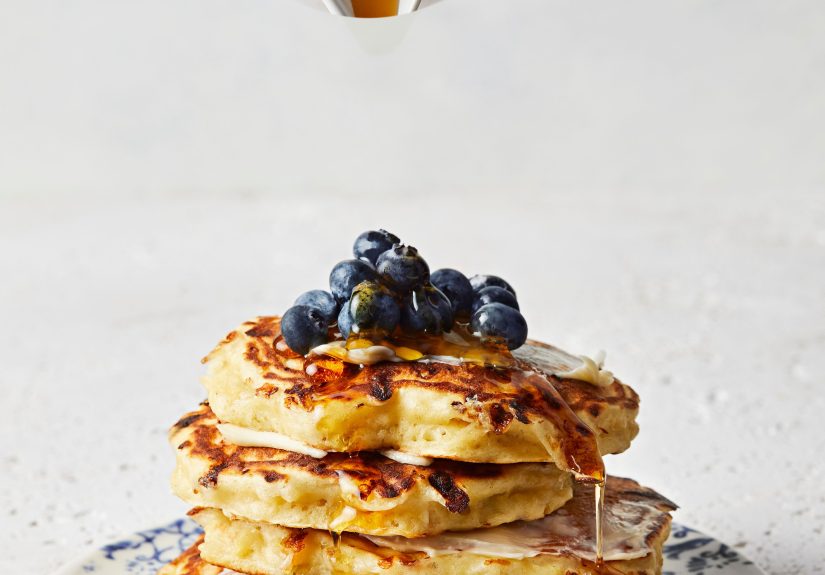
- Serve immediately. Transfer to plates or hold in a 200°F oven while you finish the batch. Top with berries, extra honey, and a little more lemon zest if you want the full breakfast-main-character experience.
Tips for Fluffy Cottage Cheese Pancakes
1. Don’t overmix the batter
This is the big one. Pancake batter should not be whipped into silky submission. Once the flour goes in, mix only until the dry bits disappear. A lumpy batter is not a failure. It is a promise.
2. Keep the heat steady
Cottage cheese pancakes can brown quickly because of the dairy and honey. If the pan is too hot, the outside will get overly dark before the middle finishes cooking. Medium-low to medium heat is the sweet spot. Think patient golden brown, not dramatic breakfast arson.
3. Use fresh lemon, not bottled if possible
Fresh zest gives you the fragrant citrus oils that make these pancakes taste lively instead of one-note. The juice matters, too, but the zest is where the real lemon personality lives.
4. Flip once, and only once
Wait until you see bubbles across the top and the edges lose that wet, shiny look. Then flip confidently. Pressing the pancakes down with a spatula after flipping is unnecessary and a little rude.
5. Keep finished pancakes warm the smart way
If you’re cooking for a group, place finished pancakes on a wire rack set over a baking sheet in a 200°F oven. They stay warm without steaming into softness.
Easy Variations to Try
Blueberry Honey-Lemon Cottage Cheese Pancakes
Scatter fresh or frozen blueberries over the pancakes after you spoon the batter into the skillet. This keeps the berries from bleeding into the bowl and turning the batter a weird breakfast gray.
Lemon Poppy Seed Version
Add 1 tablespoon poppy seeds to the dry ingredients. The result tastes a little bakery-style, in the best possible way.
Extra-Protein Breakfast Stack
Serve with Greek yogurt and berries. The pancakes already feel substantial thanks to the cottage cheese and eggs, but this turns them into a seriously satisfying breakfast.
Whole-Grain Twist
Swap up to one-third of the all-purpose flour for white whole wheat flour. This adds a nuttier flavor while keeping the texture tender.
Brunch-Party Topping Bar
Set out warm honey, berry compote, toasted nuts, lemon curd, whipped cream, and sliced fruit. Suddenly your simple pancake recipe looks like it charges $19 at a café.
What to Serve With Honey-Lemon Cottage Cheese Pancakes
These pancakes are flexible. They can be the whole show or part of a larger breakfast spread. If you want to keep the vibe light and fresh, serve them with berries, citrus segments, and yogurt. If you want full brunch energy, add scrambled eggs, crispy bacon, breakfast sausage, or a fruit salad that someone in the room will call “refreshing” while secretly going back for more pancakes.
For drinks, coffee is the obvious winner, but iced tea, fresh orange juice, or a simple vanilla latte also work beautifully. If this is a weekend brunch, a sparkling drink on the side would not be outrageous. These pancakes can handle a little glamour.
How to Store, Freeze, and Reheat
In the Refrigerator
Let the pancakes cool completely, then stack them with parchment or wax paper between each one. Store in an airtight container in the refrigerator for a few days. Reheat in the microwave, toaster oven, or skillet.
In the Freezer
Freeze the pancakes plain, without syrup or butter on top. Once cooled, layer them with parchment or wax paper and place them in a freezer bag or container. They hold up well for up to 2 months, which is excellent news for Future You.
Best Reheating Methods
- Oven: Place frozen pancakes on a baking sheet at 350°F for about 10 minutes.
- Toaster: Great for a quick weekday breakfast.
- Microwave: Fastest option; heat just until warm so they stay tender.
Frequently Asked Questions
Can I use low-fat cottage cheese?
Yes. Whole-milk cottage cheese gives the richest flavor, but 2% works very well too. Very low-fat versions can be a bit less creamy, though the pancakes will still cook up nicely.
Can I blend the batter completely smooth?
Absolutely. If you want a more uniform texture, blend the wet ingredients before adding the dry ingredients. If you enjoy a little dairy texture, leave the curds as they are. Both roads lead to pancakes.
Can I make the batter ahead of time?
You can prep the dry ingredients and wet ingredients separately ahead, then combine them in the morning. That usually gives you the best texture. Fully mixed batter can lose some lift if it sits too long.
Can I make these gluten-free?
Yes, with a good 1:1 gluten-free flour blend. The texture may be slightly different, but the honey-lemon flavor will still shine.
Why This Recipe Earns a Spot in Your Breakfast Rotation
A good pancake recipe should do three things: taste great, feel doable, and make you want to repeat it. This one checks all three boxes. It uses familiar ingredients, comes together quickly, and delivers a stack that feels more interesting than plain buttermilk pancakes without becoming fussy. The cottage cheese adds protein and tenderness. The honey keeps the sweetness soft. The lemon cuts through the richness and gives the whole recipe a fresh, almost springy brightness even in the middle of a random Tuesday.
And unlike some brunch recipes that behave as though you have unlimited time and eight spare mixing bowls, this one understands real life. It is friendly to meal prep, easy to customize, and forgiving enough for sleepy cooks. That alone deserves applause.
A Real Kitchen Experience: What Making Honey-Lemon Cottage Cheese Pancakes Is Actually Like
The first time you make honey-lemon cottage cheese pancakes, the experience is a little surprising in the best way. The batter looks thicker than standard pancake batter, and if you’re used to perfectly smooth boxed mixes, you may stare at the little cottage cheese curds and wonder whether you’ve made a mistake. You have not. In fact, that slightly bumpy batter is the beginning of a very good breakfast. Once the lemon zest hits the honey and the whole bowl starts smelling bright and sweet, the recipe begins to feel less like a routine breakfast and more like something you intentionally chose because you have standards.
As the batter rests, it thickens just enough to feel substantial, and that’s usually the moment when people get optimistic. You can already imagine the stack. Then comes the skillet test. The first pancake is the usual tiny scout pancake, sent out bravely to report on heat level and timing. Maybe it is slightly too dark. Maybe it is weirdly oval. Maybe it ends up being eaten immediately over the stove, which is honestly its destiny. After that, the rhythm settles in. Scoop, wait, watch for bubbles, flip, admire. The kitchen starts smelling like warm butter, citrus, and actual effort, which is a powerful combination.
What’s especially nice about this recipe is how it feels both wholesome and indulgent at the same time. The cottage cheese gives the pancakes a hearty, satisfying quality, so they don’t disappear from your stomach ten minutes later like some overly airy breakfast foods. But the lemon and honey keep them from feeling heavy. The flavor lands in a sweet spot where you could serve them for a casual weekday breakfast or set them on a platter for brunch guests and act very unbothered about your obvious excellence.
There is also a practical joy to these pancakes. Leftovers reheat well, which means the work pays dividends. On a busy morning, pulling a couple from the freezer and reheating them feels like a small gift from your more organized past self. The texture stays tender, the flavor still feels fresh, and all you need is a little honey or fruit on top to bring them back to life. That kind of breakfast efficiency is deeply underrated.
And then there’s the table moment. Someone cuts into the stack and notices the fluffy interior. Someone else asks what makes them taste “so bright.” Someone who claimed not to be very hungry suddenly wants another pancake. The honey glistens, the berries collapse a little into the warm top pancake, and for a few minutes breakfast becomes the most important event of the day. That’s the real charm of a recipe like this. It isn’t just that the pancakes taste good. It’s that they make an ordinary morning feel a little more generous, a little more relaxed, and a lot more delicious.
So yes, these pancakes are a recipe. But they are also an experience: a better-smelling kitchen, a prettier plate, a more satisfying breakfast, and a dependable excuse to linger at the table. For something made from cottage cheese, lemon, flour, and eggs, that’s an impressive amount of joy packed into one stack.
Conclusion
If you want a pancake recipe that feels fresh, flavorful, and slightly more interesting than the usual breakfast stack, honey-lemon cottage cheese pancakes are an easy win. They’re tender, fluffy, lightly tangy, and balanced with just enough sweetness to keep you going back for another bite. Make them for a quiet weekday breakfast, a weekend brunch, or a meal-prep batch for the freezer. Just don’t be surprised when they become the pancake recipe you stop comparing all other pancakes against.