Table of Contents >> Show >> Hide
- What Counts as a Home Makeover?
- Start With a Game Plan (Because “Wing It” Is Expensive)
- High-Impact, Low-Drama Upgrades
- Room-by-Room Makeovers That Actually Improve Daily Life
- Kitchen Makeover: Function First, Sparkle Second
- Bathroom Makeover: Don’t Skip Ventilation
- Living Room Makeover: Layout Is the Secret Sauce
- Bedroom Makeover: Make Sleep the Main Character
- Entry or Mudroom Makeover: The Small Space That Controls Your Whole Life
- Curb Appeal Makeover: The “First Impression” Power Move
- DIY vs. Pro: A Simple Rule That Saves Money (and Stress)
- Makeover Math: Where to Splurge, Where to Save
- Mistakes That Make a Makeover Feel “Off”
- A Simple Home Makeover Checklist
- Home Makeover Experiences: What People Commonly Learn (the Fun Way and the Hard Way)
- Conclusion
A home makeover is basically a glow-up for the place where your socks mysteriously disappear. It can be as small as swapping out “landlord beige” for a color
with an actual personality, or as big as turning a closed-off kitchen into a space where people can hang out without getting hip-checked by the refrigerator door.
The best part? A makeover doesn’t have to mean chaos, endless dust, and eating cereal out of a mug for six weeks (unless you choose that lifestyle).
This guide breaks down how to plan a home makeover that looks good, works better, and doesn’t quietly set your budget on fire. You’ll get practical steps,
real-world examples, and the kind of “learned it the hard way” wisdom that helps you avoid the classic renovation regret: buying a trendy tile you’ll hate by next Tuesday.
What Counts as a Home Makeover?
Think of home makeovers in three tiers. You can mix and match them depending on your goals, budget, and tolerance for having your living room temporarily resemble a storage unit.
1) Refresh: The “Same House, Better Mood” Update
- Paint, new hardware, updated lighting, and fresh textiles (rugs, curtains, pillows).
- Rearranging furniture so the room finally makes sense for how you live.
- Decluttering so your home stops feeling like a museum of random past versions of you.
2) Rework: The “Better Function” Upgrade
- Adding storage, built-ins, a mudroom drop zone, or closet systems.
- Replacing old fixtures or surfaces (vanities, counters, flooring) without moving walls.
- Improving comfort: sealing drafts, adding insulation, upgrading ventilation.
3) Renovate: The “We’re Changing the Bones” Makeover
- Remodeling kitchens/baths, opening walls, moving plumbing, or changing layouts.
- Replacing windows/doors, siding, roofing, or upgrading major systems.
- Usually needs permits, pros, and a plan that’s more detailed than “vibes.”
Start With a Game Plan (Because “Wing It” Is Expensive)
Pick the Why Before You Pick the Tile
The most satisfying makeovers start with a simple question: What problem are we solving? Not “what looks cute online,” but what actually
makes daily life easier. Examples:
- Problem: Mornings are chaotic. Makeover focus: entry drop zone + better lighting + easy-clean flooring.
- Problem: Kitchen feels cramped. Makeover focus: layout tweaks, slimmer seating, better storage, brighter task lighting.
- Problem: Bedroom never feels restful. Makeover focus: layered lighting, calmer color palette, window treatments, clutter control.
Budget Like a Grown-Up (With a “Stuff Happens” Cushion)
Even a “simple” makeover loves surprise expenses. The smart move is building a contingency into your budget. For decor-only refreshes, you might not need much.
For anything involving contractors, plumbing, electrical, or demolition, plan a cushion (often 10–20%, sometimes more for older homes).
That cushion isn’t pessimismit’s realism with good skincare.
A useful trick: divide spending into must-haves and nice-to-haves. Must-haves solve the core problem (better storage, safe wiring,
working ventilation). Nice-to-haves are the fun extras (statement pendant lights, that artisan tile you “accidentally” bookmarked 47 times).
Know the Right Order of Operations
If you’re doing more than surface-level updates, sequence matters. A common rule:
fix what protects the house first (water issues, roof, foundation, unsafe wiring), then move to systems (HVAC, plumbing, electrical),
then walls and floors, and finally finishes (paint, trim, fixtures, decor). Otherwise you end up painting a room… then cutting holes in it a week later.
High-Impact, Low-Drama Upgrades
If you want the biggest visible transformation with the least construction chaos, start here. These updates are popular because they work.
Declutter and “Shop Your Own House” First
Before you buy anything, clear surfaces and remove items you don’t use or love. Then rearrange what’s left. Many makeovers feel dramatic simply because
the space finally has breathing room. Bonus: you’ll stop buying duplicates of things you already own. (Hello, third tape measure.)
Paint: The Cheapest Drama You Can Buy
Paint changes a room fastwalls, trim, ceilings, cabinets, even front doors. The key is testing. Paint a few large swatches on different walls and look at them
morning, afternoon, and night. Lighting can make the “perfect warm white” look like either cream or scrambled eggs.
Lighting: The Makeover Nobody Regrets
Good lighting is less about one fancy fixture and more about layers:
- Ambient: general overhead light
- Task: focused light where you work (kitchen counters, reading chair, bathroom mirror)
- Accent: lamps and sconces that add warmth and mood
Small win: swap harsh bulbs for warmer ones (many designers recommend around 2700K for cozy living areas). Add dimmers where possible.
Suddenly your room stops looking like an office break room.
Hardware and Fixtures: Tiny Parts, Big Personality
New cabinet pulls, faucets, towel bars, and door handles can modernize a home fast. Keep finishes consistent within a room (you don’t need everything identical,
but you also don’t want your bathroom looking like it was styled by three different timelines).
Textiles: Rugs, Curtains, and the “Softness Upgrade”
A properly sized rug can make a room look finished immediately. In living rooms, a common guideline is to get at least the front legs of key furniture on the rug.
Curtains should usually hang higher and wider than the window frame to make the room feel taller and brighter.
Room-by-Room Makeovers That Actually Improve Daily Life
Kitchen Makeover: Function First, Sparkle Second
Kitchens are expensive because they combine cabinets, labor, appliances, plumbing, and electrical work. Even on a budget, you can get a “new kitchen” feel with:
- Painting cabinets or updating doors (if the boxes are solid)
- Replacing hardware and adding under-cabinet lighting
- Upgrading a faucet (high use = high impact)
- Organizing storage: pull-out trash, spice drawers, pantry zones
If you’re doing a bigger remodel, it helps to know typical cost drivers. A common budgeting framework puts a large portion toward cabinetry and a meaningful chunk
toward labor and appliancesso you can prioritize what matters most to you (durability, storage, or “my oven doesn’t sound like a jet engine anymore”).
Bathroom Makeover: Don’t Skip Ventilation
Bathrooms are small, which makes them perfect makeover candidates. You can get huge results with:
- A new mirror (especially one that’s wider than the sink)
- Updated vanity lighting (flattering, bright, and not haunted)
- Fresh paint and new towel bars/hardware
- Storage upgrades: medicine cabinet, shelves, drawer inserts
One common mistake is ignoring the exhaust fan. Proper ventilation helps prevent moisture problems and keeps the room feeling fresh. If you’re remodeling,
prioritize function and durability over fussy finishes.
Living Room Makeover: Layout Is the Secret Sauce
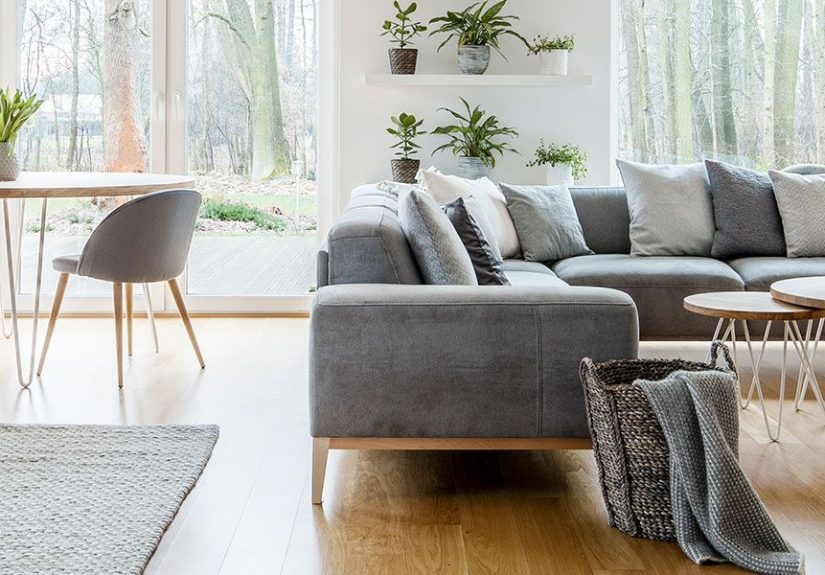
Many living rooms feel “off” because the furniture is arranged for a catalog photo, not for humans who like conversation and snacks. Try these upgrades:
- Create a clear walking path through the room (no obstacle course required).
- Float furniture off the walls when possible; it often makes rooms feel more intentional.
- Add two to three light sources (lamps count!) for warmth and flexibility.
- Use a large rug to anchor the seating area.
Bedroom Makeover: Make Sleep the Main Character
A bedroom makeover doesn’t need a total redesign. Focus on comfort:
- Layered lighting: bedside lamps + overhead + optional wall sconces
- Window treatments that match your sleep needs (light filtering vs blackout)
- Clutter control: a hamper, drawer dividers, and a “drop zone” for daily items
- A calmer palette with one accent color for interest
Entry or Mudroom Makeover: The Small Space That Controls Your Whole Life
If your home’s entryway is a pile of shoes with a front door attached, you’re not alone. A simple system makes a huge difference:
- Hooks at kid and adult height
- A bench or stool for shoes
- A tray or bowl for keys
- A runner rug that can handle real life
Curb Appeal Makeover: The “First Impression” Power Move
Exterior updates often deliver strong satisfaction and can help resale appeal. High-impact options include:
- Painting or replacing the front door
- Updating the garage door (it’s bigger than you think)
- Landscaping refresh: clean edges, lighting, and tidy plantings
- House numbers, mailbox, and exterior fixtures that look intentional
Industry ROI reports repeatedly show that certain exterior projects tend to perform well compared with many interior remodels. Translation:
curb appeal is not just prettyit can be strategic.
DIY vs. Pro: A Simple Rule That Saves Money (and Stress)
DIY is great for paint, hardware, basic landscaping, and many decor projects. But for anything structural or safety-related, consider calling in licensed pros.
Areas where “I watched a video once” is not a plan:
- Major electrical work
- Plumbing changes inside walls
- Load-bearing walls and structural changes
- Roof repairs and water intrusion issues
Older Homes: Be Extra Smart About Safety
If your home was built before 1978, lead-based paint may be present. Disturbing old paint during renovations can create hazardous dust.
If you’re hiring a contractor for work that affects painted surfaces, ask about lead-safe practices and certifications.
Even when rules don’t apply to certain DIY situations, using lead-safe precautions is still a good ideaespecially if children are in the home.
Comfort Upgrades That Pay You Back
Home makeovers aren’t only visual. Improving comfort can be one of the best “invisible” upgrades:
sealing air leaks, adding insulation, and weatherstripping doors can make a home feel better year-round and reduce energy waste.
Many homeowners see meaningful savings from these basics, and the house feels less drafty immediatelywhich is a very underrated luxury.
Makeover Math: Where to Splurge, Where to Save
A makeover looks expensive when it’s intentionalnot when it’s actually expensive. Splurge where you touch things constantly:
- Quality faucets and door hardware
- Comfortable seating
- Durable flooring in high-traffic areas
- Good lighting (fixtures plus bulbs)
Save where you can easily upgrade later:
- Trendy decor items
- Throw pillows and small accent pieces
- Some finishes that are hard to notice (like ultra-lux tile in a low-visibility area)
Also: make decisions early. Late changes (often called “change orders”) can increase costs and slow timelines. If you want your makeover to stay friendly,
don’t change your mind every time a new idea pops up on your feed. (Your feed is not paying your invoice.)
Mistakes That Make a Makeover Feel “Off”
- Scale problems: oversized trim or heavy details in low-ceiling rooms can feel cramped.
- One-light wonder: relying on a single overhead fixture makes rooms feel flat and harsh.
- Ignoring storage: pretty rooms still feel messy if everything has nowhere to live.
- Chasing trends: it’s fine to be inspired, but anchor the home in timeless shapes and colors.
- Skipping the plan: “We’ll figure it out as we go” usually means “We’ll pay extra later.”
A Simple Home Makeover Checklist
- Define the goal: What daily frustration are you fixing?
- Measure everything: Doorways, wall lengths, and clearances.
- Set a budget + cushion: Especially for contractor work.
- Choose your scope: refresh, rework, renovateor a smart combo.
- Plan the order: repairs/systems before finishes.
- Pick a palette: cohesive colors and finishes by room.
- Lighting plan: ambient + task + accent.
- Storage plan: reduce clutter and give essentials a home.
- Schedule and protect: floor coverings, dust control, and a realistic timeline.
Home Makeover Experiences: What People Commonly Learn (the Fun Way and the Hard Way)
If you lined up a hundred homeowners who’ve done makeoverstiny refreshes or full-on remodelsyou’d hear the same themes pop up again and again.
Not because everyone has the same house, but because everyone has the same surprise: your home makeover is never just about how it looks.
It’s about how it works when real life shows up carrying backpacks, groceries, laundry, and one wet umbrella you forgot existed.
One of the most common “aha” moments is how powerful decluttering is before you buy anything. People often expect a makeover to start with paint colors,
but many report that the biggest emotional shift happens when surfaces clear and walkways open up. Suddenly the home feels larger, calmer, and easier to clean.
And it’s not all minimalist perfection, eitherit’s simply that the objects you keep can finally be seen. Favorite artwork gets noticed again. The nice bowl
you bought “for entertaining” stops living in a cabinet like it’s in witness protection.
Another experience that comes up constantly: lighting is the makeover MVP. Homeowners will swap a single overhead fixture for two lamps and a warmer bulb,
and it feels like they changed the whole room. Many people are shocked by how much “harsh” lighting affects moodespecially at nightuntil they replace it.
A cozy living room isn’t only about the sofa; it’s about not being blasted by a ceiling light that makes everyone look like they’re auditioning for a crime documentary.
Budget-wise, the most repeated lesson is the value of a contingency. People don’t add a cushion because they’re irresponsible; they skip it because they’re optimistic.
And optimism is adorableright up until a contractor opens a wall and discovers an “exciting historical artifact” like outdated wiring or a slow leak.
Homeowners who planned an extra 10–20% often say it didn’t feel like wasted money; it felt like buying peace of mind. When the surprise hit, they weren’t forced
to downgrade everything else or pause the project midstream. They could keep going without turning into a full-time stress gremlin.
On the design side, people commonly talk about scale and proportion in a way they never did before. After a makeover or two, you start to notice that a room can feel
“wrong” even with beautiful itemsbecause something is out of proportion. A rug that’s too small makes the space feel awkward. Curtains hung too low can make ceilings
feel shorter. Oversized decorative details in a small room can feel heavy. Many homeowners say that once they learned a few simple proportional guidelines
(bigger rug, higher curtains, layered lighting), their spaces started looking “finished” without needing more stuff.
A final shared experience: the best makeovers support routines. People rarely brag about their “new drawer dividers,” but they’ll quietly admit the kitchen stays cleaner
because there’s finally a place for the scissors, the batteries, and the takeout menus that used to drift across the counter like tumbleweeds.
They’ll mention the entryway hooks that stopped backpacks from landing on the floor. They’ll rave about the bathroom fan they replacedbecause the mirror finally clears
and the room doesn’t smell like “mystery humidity.” In other words, the makeover win isn’t just the before-and-after photo.
It’s the daily moment when you realize your home now helps you instead of fighting you.
Conclusion
The best home makeovers aren’t the ones with the biggest budgetsthey’re the ones with the clearest goals. Start by solving a real-life problem, build a plan,
budget with a cushion, and prioritize upgrades that improve comfort and function. Add personality through paint, lighting, and thoughtful details,
and you’ll end up with a home that looks better and feels easier to live in. That’s not just a makeover. That’s a lifestyle upgrade.