Table of Contents >> Show >> Hide
- What Is the Hederlig Red Wine Glass?
- Why the Hederlig Red Wine Glass Still Gets Attention
- Design Analysis: Simple, Tall, and Aroma-Friendly
- Hederlig Red Wine vs. Modern IKEA Wine Glasses
- Who Is the Hederlig Red Wine Glass Best For?
- How to Use the Hederlig Red Wine Glass Properly
- Care and Cleaning Tips
- Buying Hederlig Red Wine Glasses Today
- Why Affordable Glassware Matters
- Hederlig Red Wine Experience: Living With the Glass
- Conclusion
Note: “Hederlig Red Wine” is best understood as the IKEA HEDERLIG red wine glass, not a bottle of red wine. And honestly, that makes the story more useful: a good glass can turn an ordinary pour into something that feels a little more intentional, a little more elegant, and a lot less like “I grabbed the nearest cup from the cabinet.”
What Is the Hederlig Red Wine Glass?
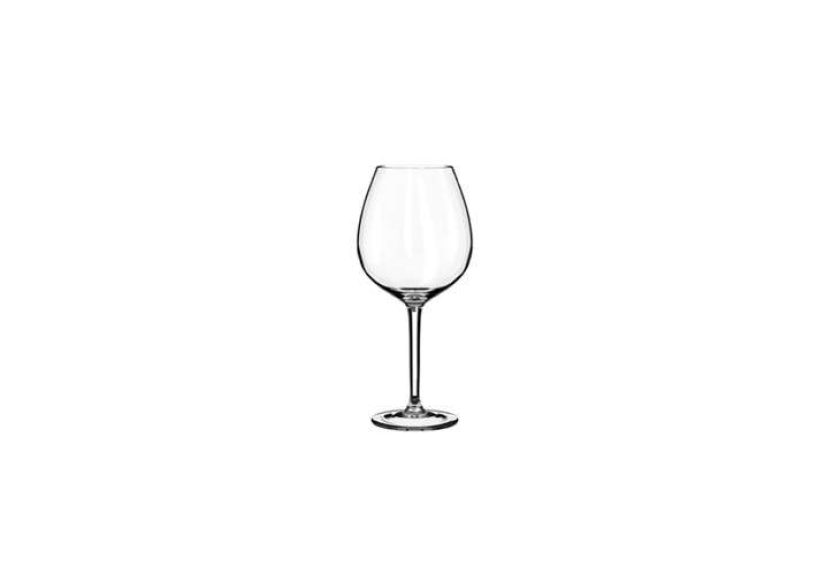
The Hederlig Red Wine glass was part of IKEA’s HEDERLIG glassware line, a simple, clear, undecorated collection designed for everyday drinking without making the dinner table feel like a museum exhibit. The red wine version was known for its tall stem, generous bowl, and practical 20-ounce capacity. It was not flashy, crystal-cut, gold-rimmed, or dramatic enough to demand its own spotlight. That was the point. Hederlig was the kind of red wine glass that quietly did its job: hold wine, allow a good swirl, look clean on the table, and survive real life.
The name “Hederlig” fits the product surprisingly well. In Swedish, the word suggests something honest or decent. That is exactly the appeal of this glass. It is not trying to impersonate a $70 sommelier stem. It is an affordable, sturdy, clear glass made for people who enjoy red wine but also have cabinets, dishwashers, guests, and gravity to deal with.
Why the Hederlig Red Wine Glass Still Gets Attention
Even though the HEDERLIG pattern is now commonly listed as discontinued, people still search for it, resell it, replace broken pieces, and compare it with newer IKEA wine glasses. That tells you something important: everyday design can become memorable when it solves a real problem. The Hederlig Red Wine glass gave wine drinkers a large-bowled, approachable option at a famously low price point. It was attractive enough for dinner guests and inexpensive enough that breaking one did not require a moment of silence.
In a world where wine accessories can become unnecessarily theatrical, Hederlig felt refreshingly normal. No one needed a lecture on terroir before using it. You could pour a Cabernet Sauvignon, Merlot, Syrah, Pinot Noir, or even sparkling water with a slice of orange and still feel like the glass belonged there.
Design Analysis: Simple, Tall, and Aroma-Friendly
A generous bowl for red wine
The most important design feature of the Hederlig Red Wine glass is its large cup. Red wines generally benefit from a wider bowl because more surface area allows the wine to interact with oxygen. That gentle exposure can help soften the perception of tannins and bring forward aromas such as dark cherry, plum, cedar, vanilla, pepper, leather, or baking spice. In plain English: the wine gets room to wake up. Nobody enjoys a sleepy Merlot.
The Hederlig glass was described as having an extra-large cup that helps retain aroma. That matters because aroma is a huge part of flavor. Much of what we call “taste” actually comes from what the nose detects. A larger bowl gives the wine space to release aromatic compounds, while the rim helps guide those aromas upward. This is why drinking red wine from a tiny tumbler can feel flat, even if the wine itself is perfectly good.
A 20-ounce capacity without a 20-ounce pour
The Hederlig Red Wine glass holds about 20 ounces, but that does not mean it should be filled to the top unless your dinner party has gone completely off the rails. A normal wine pour is much smaller, often around five ounces. The extra space is there for swirling, smelling, and letting the wine breathe. Think of it as a dance floor, not a storage unit.
This capacity made Hederlig especially useful for full-bodied reds. Cabernet Sauvignon, Malbec, Zinfandel, Shiraz, and red blends often feel more expressive in a glass with room to move. A tight glass can make bold reds seem sharper or more closed. A roomier bowl gives them a better chance to show fruit, spice, and texture.
Clear glass keeps the focus on the wine
Another strength of Hederlig is its clear, undecorated design. A red wine glass does not need patterns, colors, or complicated shapes to be effective. Clear glass allows you to see the wine’s color, depth, and clarity. That matters whether you are evaluating a wine seriously or just admiring a nice ruby glow before dinner.
Clear glass also makes the Hederlig style easy to pair with different table settings. It can sit beside white plates, stoneware bowls, linen napkins, or takeout pizza boxes with equal confidence. That kind of flexibility is underrated. The best everyday pieces are the ones you do not have to overthink.
Hederlig Red Wine vs. Modern IKEA Wine Glasses
Since HEDERLIG is no longer as easy to find new, many shoppers compare it with current or more commonly available IKEA wine glass lines such as DYRGRIP and STORSINT. These newer options continue IKEA’s tradition of affordable glassware, but each has a slightly different personality.
DYRGRIP tends to be compact, modern, and practical, often praised for value. STORSINT leans more elegant and wine-focused, with larger shapes designed for different wine styles. Hederlig sits somewhere in the charming middle: less refined than premium stemware, but sturdy, familiar, and very easy to live with.
If you already own Hederlig glasses, they are worth keeping. If you are hunting for replacements, check carefully for the exact size and piece type because the HEDERLIG line included several shapes, including red wine, white wine, balloon wine, champagne, and cocktail stemware. A listing that says “Hederlig wine glass” may not always be the red wine version.
Who Is the Hederlig Red Wine Glass Best For?
Casual wine drinkers
Hederlig is ideal for people who enjoy wine without needing their glassware to come with a certificate and a velvet-lined box. It is approachable, affordable, and versatile. For weeknight dinners, casual hosting, apartment living, and starter kitchens, it offers a practical upgrade over mismatched tumblers.
Hosts who need multiples
Hosting is where Hederlig really shines. When you have six people coming over, you do not want to hand one guest a proper red wine glass, another a juice glass, and a third something that may once have held a candle. A set of matching Hederlig glasses makes the table look organized without requiring a luxury budget.
People who break things
Let us be honest: some of us are not meant to own ultra-thin crystal. We gesture while talking. We load the dishwasher with optimism. We have pets, children, tile floors, or all three. Hederlig’s appeal was partly emotional: it looked good, but it did not make you nervous. That is a beautiful thing.
How to Use the Hederlig Red Wine Glass Properly
Pour less than you think
For the best red wine experience, fill the Hederlig glass only to the widest part of the bowl or below. This gives the wine room to aerate and gives you room to swirl without turning your shirt into a crime scene. A modest pour also keeps the wine from warming too quickly in the glass.
Swirl with purpose, not chaos
A gentle swirl coats the inside of the bowl and helps release aromas. You do not need to perform a tornado. Place the base on the table, move the glass in small circles, and then smell the wine. With a fruit-forward red, you may notice berries first. With an oak-aged wine, you might detect vanilla, toast, cocoa, or spice.
Match the glass with the right wines
The Hederlig Red Wine glass works especially well with medium- to full-bodied reds. Try it with Cabernet Sauvignon, Merlot, Malbec, Syrah, Tempranillo, Sangiovese, or a California red blend. For lighter reds like Pinot Noir or Gamay, it still works, though some drinkers prefer a rounder balloon-style glass that emphasizes delicate aromatics.
Care and Cleaning Tips
Wine glasses live longer when treated with a little respect. If washing by hand, use warm water, mild dish soap, and a soft sponge. Avoid twisting the bowl and stem in opposite directions because that is how stems meet their dramatic end. Rinse well, then dry with a lint-free cloth.
If using a dishwasher, space glasses so they do not touch. Place them securely and make sure the spray arm will not hit them. Use a gentle cycle if available. Cloudiness can come from hard water or detergent residue, so rinse aid or an occasional vinegar soak may help restore clarity.
Storage also matters. Keep glasses upright in a cabinet if dust is not an issue, or upside down on a smooth shelf liner if needed. Avoid crowding them. The sound of wine glasses clinking in a cabinet is romantic only until one of them chips.
Buying Hederlig Red Wine Glasses Today
Because the HEDERLIG pattern is often listed as discontinued, buying the red wine glass today usually means looking at resale platforms, replacement services, thrift stores, estate sales, or marketplace listings. When shopping, pay attention to the product name, measurements, and photos. The red wine glass should have the larger bowl and approximately 20-ounce capacity.
Condition is important. Look for chips along the rim, scratches, cloudy glass, and stem damage. A tiny rim chip can make a glass unpleasant or unsafe to drink from. If you are buying a set, ask whether all pieces are identical. Mixed IKEA stemware can look similar in photos but different on the table.
For buyers who simply want the Hederlig “feeling” rather than the exact discontinued piece, consider modern affordable red wine glasses with a similar 18- to 23-ounce capacity, clear glass, a balanced stem, and a bowl large enough for swirling. The spirit of Hederlig is not about rarity; it is about useful design at a sane price.
Why Affordable Glassware Matters
Wine culture sometimes makes people feel as if they need expensive tools before they are allowed to enjoy the bottle. That is nonsense dressed in a waistcoat. A good glass helps, but it does not need to be expensive. The Hederlig Red Wine glass proves that thoughtful shape, clear material, and everyday durability can go a long way.
Affordable glassware also encourages people to actually use it. Very expensive glasses often stay hidden away “for special occasions,” which means they spend most of their lives waiting in a cabinet like tiny glass princesses. Hederlig was different. It was made to be used on Tuesdays, birthdays, pasta nights, and those evenings when dinner is technically cheese and crackers but emotionally a banquet.
Hederlig Red Wine Experience: Living With the Glass
Using the Hederlig Red Wine glass feels like choosing practicality without giving up style. It has enough height to look elegant, enough bowl space to make red wine feel expressive, and enough simplicity to avoid stealing attention from the table. The first impression is usually visual: clean lines, clear glass, and a familiar silhouette that says “wine glass” without trying too hard.
At dinner, the glass is easy to appreciate. Pour a modest amount of Cabernet Sauvignon, and the wide bowl gives the wine room to spread. Swirl it gently, and the aromas rise more clearly than they would from a narrow everyday cup. Black cherry, oak, pepper, and vanilla notes become easier to notice. Even an inexpensive red blend can feel more polished when served in a glass that lets it breathe.
The Hederlig glass also changes the mood of a meal. Put it beside spaghetti with meat sauce, grilled steak, mushroom risotto, or a simple burger, and the table instantly feels more intentional. It does not scream luxury; it whispers, “Yes, we remembered napkins.” That is a very useful kind of elegance.
One of the best experiences with Hederlig is hosting casual guests. You can set out matching glasses without worrying that someone will break a family heirloom. Guests can swirl, sip, laugh, and relax. Nobody has to hold the glass like it is a newborn bird. That comfort matters because wine is supposed to support conversation, not create stress.
Another pleasant surprise is versatility. While it is designed for red wine, the glass can handle sangria, spritzers, sparkling water, mocktails, and even iced tea if your household believes in tasteful rebellion. The large bowl makes drinks look generous and festive. For non-alcoholic entertaining, it gives zero-proof beverages a grown-up presentation, which is especially helpful when not everyone at the table is drinking wine.
There are small drawbacks, of course. A 20-ounce red wine glass takes up more cabinet space than a compact tumbler. The bowl can feel large for very light wines. And like any stemmed glass, it requires more care than a chunky everyday cup. Still, these are reasonable trade-offs. The Hederlig Red Wine glass was not designed to be the ultimate collector’s stem; it was designed to make normal life look and feel a little better.
The lasting appeal comes from that balance. Hederlig feels honest, useful, and quietly attractive. It supports the ritual of red wine without making the ritual fussy. It is the kind of glass that belongs at a dinner party, on a patio, beside a holiday roast, or next to a weeknight bowl of pasta. In other words, it understands the assignment.
Conclusion
The Hederlig Red Wine glass remains memorable because it delivers what many wine drinkers actually need: a clear, generous, good-looking red wine glass that works for real homes. Its large bowl supports aroma, its simple shape suits many table styles, and its approachable design makes wine feel enjoyable rather than intimidating.
For collectors, it is a discontinued IKEA pattern worth tracking down carefully. For everyday drinkers, it is a reminder that great glassware does not have to be precious. The best wine glass is the one you use often, enjoy holding, and do not fear washing. By that standard, Hederlig earns its loyal following one relaxed pour at a time.