Table of Contents >> Show >> Hide
- What Makes the Finex 8" Cast Iron Skillet Different?
- Finex 8" Skillet: Key Specs at a Glance
- How the Finex 8" Skillet Performs in Everyday Cooking
- Pros and Cons of the Finex 8" Cast Iron Skillet
- How to Season and Care for a Finex 8" Cast Iron Skillet
- Is the Finex 8" Cast Iron Skillet Worth It?
- Real-World Experiences with the Finex 8" Skillet
If you think all cast iron skillets are the same, the Finex 8" Cast Iron Skillet is here to politely (and beautifully) disagree.
With its bold octagonal shape, shiny stainless-steel spring handle, and heirloom-level craftsmanship, this little pan manages to
look like it belongs in both a high-end design gallery and over a campfire. It’s compact, tough, and unapologetically premiumdesigned
for home cooks who love cast iron but also care about aesthetics, ergonomics, and smart details.
In this in-depth guide, we’ll walk through what makes the Finex 8" skillet special, how it performs in everyday cooking, how to care
for it so it lasts a lifetime, and whether it’s actually worth the investment compared with more budget-friendly options. We’ll also
finish with some real-world, story-style experiences with this pan so you can picture how it fits into a busy kitchen routine.
What Makes the Finex 8" Cast Iron Skillet Different?
Iconic Octagonal Shape with Multi-Pour Spouts
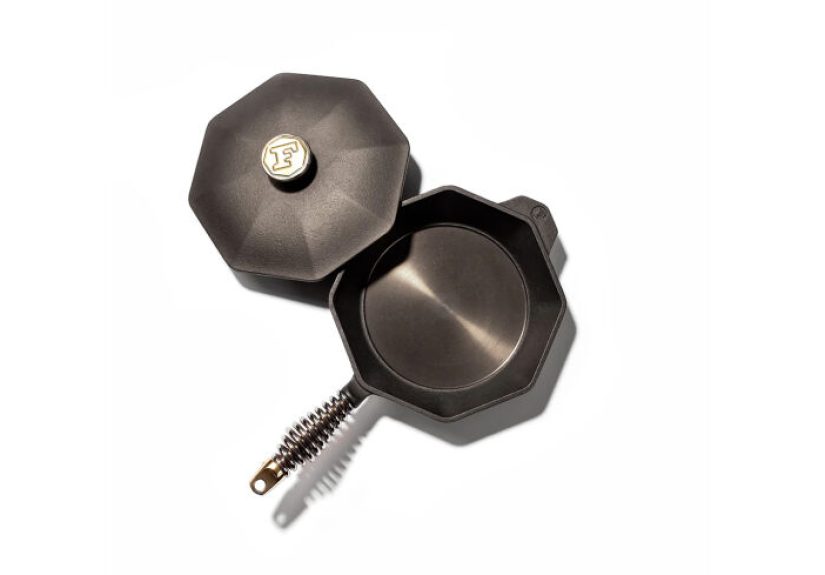
The first thing you notice about the Finex 8" skillet is its eight-sided body. That octagonal shape isn’t just to look cool in photos.
Each corner forms a pour spout, giving you a full ring of “multi-pour” options for draining fat, pouring pan sauces, or sliding out a
frittata without wrestling for the “right angle” on a round pan.
Those straight sides are also slightly taller than many standard skillets, which helps contain splatter and gives a bit more
depth for shallow-frying, braising, or baking something like cornbread that needs structure along the edges.
Heavyweight Build for Even Heating
The Finex 8" isn’t a featherweight. It comes in around 4.2–4.4 pounds, depending on the specific model and lid combination.
That heft translates to a thick base and walls that heat slowly but very evenly, then hang onto that heat like a champ.
In practice, that means better searing on small steaks or pork chops, crispy edges on potatoes, and fewer hot spots when you’re
sautéing or pan-roasting. It’s especially good on gas, but the flat machined base also works smoothly on electric and induction
cooktops, as well as in the oven, on the grill, or over open flame.
Ultra-Smooth Cooking Surface
Unlike many budget cast iron pans that have a rough, pebbly interior, Finex mills and polishes the cooking surface to a smooth,
satin finish before seasoning. This gives you easier food release once you’ve built up a bit
of seasoning, especially for delicate items like eggs, pancakes, or fish.
The pan comes pre-seasoned with organic flaxseed oil, so it’s technically ready to cook right out of the box.
That said, most cast iron fans still recommend a little extra oiling and cooking fatty foods (bacon, sausages, or well-oiled roasted veggies)
for the first few uses to deepen the nonstick layer.
Speed-Cool Stainless Steel Spring Handle
The coiled stainless-steel handle is one of Finex’s signature details. Inspired by old wood-stove door handles, it’s formed from 300-series
stainless and polished for a bright finish. The spring design helps it stay cooler longer and cool down faster once you turn off the heat,
compared with a solid cast iron handle.
To be clear: it’s not magically “cold” foreverif the skillet has been in a 450°F oven, you still need an oven mitt. But on the stovetop,
the spring can be more comfortable to grab than a chunky cast handle, especially during quick sautéing sessions.
Made-in-USA Heirloom Quality
Finex is based in Portland, Oregon, and the company emphasizes small-batch, heirloom-quality production. Each pan passes through multiple
sets of hands for casting, machining, polishing, and seasoning.
The brand’s philosophy is that this is a skillet you can use every day and then pass down to the next generationassuming you don’t
accidentally leave it at a campsite. (Guard it with your life.)
Finex 8" Skillet: Key Specs at a Glance
- Top diameter: 8" (octagonal)
- Cooking surface: approx. 6.375" across
- Capacity: around 1.2 quarts
- Weight: about 4.2–4.4 lbs (pan only)
- Material: bare cast iron with stainless-steel spring handle and brass endcap
- Heat sources: gas, electric, induction, oven, grill, and campfire
- Finish: machined, polished interior; pre-seasoned with organic flaxseed oil
The 8" size makes this skillet ideal for cooking for one or two people, searing a couple of chicken thighs, making a personal pan pizza,
or baking a small cornbread or skillet cookie. It’s also a great side-dish pan when your larger skillets are already busy.
How the Finex 8" Skillet Performs in Everyday Cooking
Searing and Browning
Thanks to its thick base and strong heat retention, the Finex 8" skillet excels at searing. Preheat it properly (give it a few minutes
over medium or medium-high heat), add a thin layer of high-smoke-point oil, and you’ll get deep, even browning on steak, pork chops, or
tofu cutlets.
The smaller diameter works in your favor when you’re cooking a single piece of proteinthere’s less empty, cooling surface area around the
food, so the pan holds its temperature more consistently.
Eggs, Pancakes, and Delicate Foods
Cast iron always needs good seasoning to handle eggs without sticking, and Finex is no exception. The smooth interior gives you a head start,
but you’ll get best results if you:
- Let the pan preheat on low–medium while you prep ingredients.
- Add a bit of fat (butter, ghee, oil) and swirl to coat.
- Give the fat a moment to heat up before adding eggs or batter.
Once you’ve cooked a few rounds of higher-fat dishes in it, the skillet’s seasoning typically becomes slick enough that fried eggs and
pancakes slide out with minimal effort.
Oven and Baking Performance
In the oven, the Finex 8" skillet acts like a sturdy little baking pan. It’s fantastic for:
- Cornbread with crispy, caramelized edges
- Brownie “pie” or cookie skillet desserts
- Small fruit crisps or cobblers
The tall-ish sides and even heating give you a nicely browned crust without burning the bottom, especially if you preheat the skillet
in the oven before adding batter or dough.
Everyday Versatility
Because of its size, the Finex 8" often becomes that “reach for it first” pan for quick tasks: toasting nuts, frying an egg for breakfast,
reheating leftover pizza, charring half a bell pepper, or crisping up a handful of potatoes. It’s small enough to live on the stovetop but
serious enough to handle high-heat jobs.
Pros and Cons of the Finex 8" Cast Iron Skillet
Advantages
- Outstanding build quality: heavy, thick, and machined for a smooth cooking surface.
- Smart design: octagonal shape with multiple pour spouts and a comfortable spring handle.
- Great heat retention: excellent for searing, roasting, and baking.
- Made in the USA: small-batch production in Portland, Oregon.
- Heirloom durability: with basic care, it can last for decades (or longer).
Drawbacks
- Price: the Finex 8" skillet costs significantly more than standard cast iron from brands like Lodge, which often sell for a fraction of the price.
- Weight: its thickness makes it heftier than many traditional 8" pans, which can be a downside for people with limited wrist strength.
- Handle still gets hot: the spring handle stays cooler longer, but you’ll still want a mitt for longer or high-heat cooking sessions.
- Learning curve with seasoning: some owners find flaxseed seasoning can flake if overheated or poorly maintained, and prefer re-seasoning with other oils.
How to Season and Care for a Finex 8" Cast Iron Skillet
Before Your First Few Cooks
The skillet comes pre-seasoned, but you can strengthen that layer by:
- Rubbing a very thin film of neutral, high-smoke-point oil (like canola or grapeseed) over the interior.
- Heating it in the oven around 400–450°F for about an hour, then letting it cool slowly.
- Cooking a few “greasy” mealsbacon, sausages, or well-oiled roasted veggiesto build additional polymerized fat layers.
Daily Use Tips
For everyday cooking:
- Preheat low and slow; cast iron doesn’t like to be shocked with high heat right away.
- Use a bit of fat even when the seasoning is well developed, especially for lean proteins or eggs.
- Avoid constantly moving food in the first minutelet it sear and release naturally.
Cleaning Without Losing Your Mind (or Seasoning)
Cleaning a Finex 8" is similar to any other bare cast iron:
- While the pan is still warm, wipe out excess oil and food bits with a paper towel.
- Rinse quickly with hot water; a drop of mild dish soap is fine if neededmodern guidance agrees it won’t strip well-developed seasoning.
- Use a soft brush or chainmail scrubber if necessary, but avoid aggressive metal scraping on the seasoned surface.
- Dry thoroughly over low heat on the stove or in a warm ovennever let it air-dry.
- When dry, wipe on a super-thin layer of oil, then buff until the surface looks almost dry.
Storage and Long-Term Care
Store your skillet in a cool, dry place. If you stack it with other pans, place a paper towel or cloth between them to protect the seasoning.
Avoid leaving food in the skillet for long periods; moisture and acids can damage the finish and encourage rust.
If you do get a bit of rust (it happens), don’t panicscrub it off, dry thoroughly, and re-season. One of the best things about bare cast iron
is that nearly any cosmetic damage is fixable with a little time and oil.
Is the Finex 8" Cast Iron Skillet Worth It?
In the wider cast iron world, Finex sits in the “modern premium” category alongside brands like Smithey, Field, and Stargazercompanies that
re-imagine classic cast iron with smoother interiors, refined handles, and elevated aesthetics. By comparison, long-standing brands like Lodge
offer excellent workhorse skillets at a fraction of the price, but with rougher interiors and simpler styling.
So, is the Finex 8" worth the splurge? It really depends on what you value:
-
If you want the most affordable, functional cast iron possible, a basic 8–10" skillet from a budget-friendly brand will
absolutely cook great food. -
If you care about design, craftsmanship, and long-term pride of ownership, the Finex 8" delivers a combination of performance
and aesthetics that cheaper pans simply don’t match. -
If your kitchen is small, the 8" size can be the perfect everyday pan for one or two peopleespecially if you pair it with a
larger skillet or Dutch oven.
For many home cooks, the Finex 8" skillet becomes a “treat yourself” or “forever pan”not strictly necessary, but deeply satisfying to use,
display, and eventually hand down.
Real-World Experiences with the Finex 8" Skillet
To really understand how the Finex 8" fits into everyday cooking, imagine a typical week in a small-but-busy kitchen. The pan lives on the
stovetop because, frankly, it’s as much decor as cookware. That octagonal outline and coiled handle just look good sitting there, announcing,
“Yes, someone serious about food lives here.”
Monday morning, it’s egg duty. The skillet gets a quick preheat on low while coffee brews. A little butter goes in, melts smoothly across the
polished surface, and two eggs slip in with a satisfying sizzle. The first time or two, there might be a bit of sticking around the edgesnothing
dramatic, just the normal learning curve of cast iron. By the end of the week, the seasoning is better, and the eggs scoot around when you
nudge them with a spatula.
Midweek, the Finex becomes a single-steak machine. Because it’s smaller, you don’t have the temptation to crowd the pan. The skillet preheats
over medium-high, you blot the steak dry, season it, then drop it in. The heavy base keeps the temperature stable when the cold meat hits,
and after a few minutes you flip to find that deep, mahogany crust people pay good money for at steakhouses. Once the steak is done, you tilt
the pan toward one of those octagonal corners to make a quick pan sauce, pouring it out with surgical precision instead of dribbling all down
the side of the skillet.
On a rainy evening, the same 8" skillet becomes dessert central. You press cookie dough into the pan, scatter chocolate chunks over the top,
and slide it into the oven. The thick iron gives you crisp edges and a gooey center, and the pan goes straight from oven to trivet on the table.
Add spoons and ice cream, and no one asks why the skillet was expensivethey’re too busy fighting for the last bite at the edge.
Weekends are when the Finex really shows off its versatility. It might start out on the grill, charring peppers or searing shrimp in garlicky
butter, then migrate back to the stovetop to finish a quick sauce. Later, it might go over a campfire, where the spring handle is easy to grab
with a gloved hand and the flat, sturdy base sits comfortably over a grate. The small size makes it easy to pack along, but it still feels like
real, serious cookwarenot a flimsy, travel-only piece.
Of course, there are real-life annoyances, too. If you’re tired or rushed, that 4+ pound weight can feel heavy when you’re trying to maneuver
it with one hand. On a busy night, you might wish you had a lid that magically cleaned itself, because the octagonal corners can collect a little
extra sauce and need an extra wipe with a sponge. And if you forget to dry and oil it properly, a tiny bloom of rust may pop up on the rim as a
reminder that cast iron demands a bit of respect.
But over time, those small ritualspreheating, oiling, wiping, drying, re-oilingturn into a kind of rhythm. You learn exactly how long your
stove takes to heat the skillet, how much oil your favorite dishes need, and where on the pan you get the hottest sear. The skillet’s surface
keeps getting darker and smoother, and your meals get better almost without you noticing. That’s the real experience of owning a Finex 8" cast
iron skillet: it’s part tool, part teacher, and part long-term relationship.
If you’re the kind of cook who enjoys that relationshipwho loves gear that looks good, feels solid, and gets better the more you use itthe
Finex 8" may be exactly the skillet you’ll still be reaching for in ten or twenty years.
SEO JSON