Table of Contents >> Show >> Hide
- What Are Felt Chakati Cushions?
- Why Wool Felt Works So Well
- Best Uses for Felt Chakati Cushions
- Design Benefits of Felt Chakati Cushions
- How to Choose the Right Felt Chakati Cushion
- Care and Cleaning Tips
- Where Felt Chakati Cushions Fit in Modern Home Décor
- Are Felt Chakati Cushions Worth It?
- Styling Ideas for Felt Chakati Cushions
- Common Mistakes to Avoid
- Experience Notes: Living With Felt Chakati Cushions
- Conclusion
Some home accessories quietly enter a room, do their job, and ask for nothing. Felt Chakati cushions are not those accessories. These round, compact, wool-felt cushions arrive with texture, color, craft, and a cheerful little personality that says, “Yes, your wooden chair could be softer, and yes, your living room floor deserves better than your old yoga mat.”
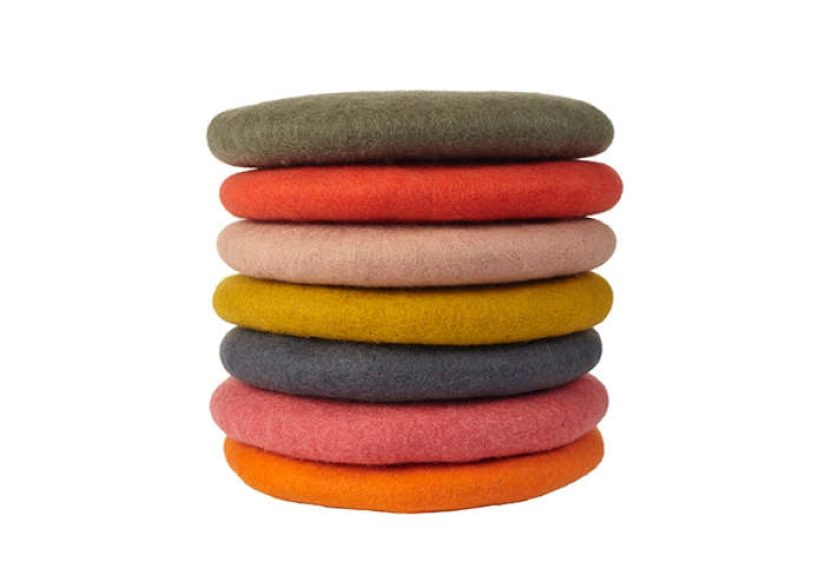
A Felt Chakati cushion is typically a dense, handmade wool-felt seat pad inspired by traditional floor seating and modern minimalist design. It is most often used on chairs, benches, stools, meditation corners, reading nooks, children’s rooms, and relaxed living spaces where comfort matters but bulky furniture feels like overkill. Think of it as the stylish middle ground between a floor pillow, a chair pad, and a decorative object that actually earns its keep.
In a design world currently obsessed with natural materials, handmade texture, warm color, and flexible living, Felt Chakati cushions fit beautifully. They are small, practical, portable, and visually soft without being fussy. They also bring something many mass-produced cushions lack: a tactile, crafted feel that makes a space look lived-in rather than staged by a robot with a beige mood board.
What Are Felt Chakati Cushions?
Felt Chakati cushions are usually round or oval cushions made from felted wool. The word “Chakati” is often associated with compact, low-profile seat cushions designed for casual seating. Many popular versions are handmade in Nepal using wool felt, a material created by matting and pressing wool fibers together through moisture, friction, and pressure. The result is firm, dense, warm, and surprisingly comfortable.
Unlike puffy throw pillows filled with polyester stuffing, Felt Chakati cushions are generally structured. They do not collapse dramatically when you sit on them. Instead, they provide a stable layer of cushioning, making them especially useful on hard surfaces such as wooden dining chairs, benches, metal stools, window seats, and floor areas.
A Cushion With a Nomadic Spirit
The charm of a Chakati cushion is its mobility. It can live on a chair during breakfast, move to the floor for meditation, sit on a bench during a family gathering, and then migrate to a child’s reading corner by evening. It does not demand a permanent address. In home décor terms, that makes it wonderfully flexible. In human terms, it is basically the friend who brings snacks and never complains about parking.
Why Wool Felt Works So Well
Wool felt is one of the main reasons Felt Chakati cushions feel different from ordinary seat pads. Wool is naturally resilient, meaning it can compress and recover better than many flat synthetic materials. Felted wool also has a dense structure that gives the cushion firmness without making it feel harsh.
Because wool fibers have natural texture, felt cushions add visual warmth even when the design is simple. A plain round cushion in olive, blush, stone, mustard, charcoal, or soft blue can make a chair look more intentional. It is the difference between “I found this chair in the garage” and “This is my carefully curated breakfast corner.” Same chair, better story.
Natural Texture Without Visual Noise
One of the best things about felt is that it has presence without shouting. Patterned cushions can be beautiful, but they sometimes compete with rugs, wallpaper, artwork, or wood grain. Felt Chakati cushions offer a quieter design language. Their texture does the decorating, while their simple shape keeps the room calm.
This makes them ideal for Scandinavian interiors, Japandi spaces, bohemian rooms, modern farmhouse kitchens, nursery corners, and small apartments where every item has to work hard without making the room feel crowded.
Best Uses for Felt Chakati Cushions
Felt Chakati cushions are more versatile than they first appear. They may look like simple pads, but once you start using them, you may wonder why every hard chair in your house has been allowed to behave so badly for so long.
1. Dining Chair Comfort
Wooden dining chairs are beautiful until dinner lasts longer than twenty minutes. A Felt Chakati cushion adds a firm but comfortable layer that makes meals, homework sessions, game nights, and long conversations much easier on the body. Because the cushion is low-profile, it usually does not ruin the clean lines of the chair.
2. Bench Seating
Benches are practical, especially in entryways and dining areas, but they can feel a little stern. Add two or three Chakati cushions along the bench, and suddenly the area feels warmer, softer, and more inviting. This works especially well with natural wood benches, built-in banquettes, mudroom seating, and window seats.
3. Floor Seating
For relaxed gatherings, children’s rooms, tea corners, or casual lounges, Felt Chakati cushions make floor seating more comfortable and more attractive. They are not as tall as large floor pillows, so they maintain a grounded, minimal look. They are also easy to stack when not in use.
4. Meditation and Mindful Spaces
The dense structure of a wool-felt Chakati cushion can work well for seated meditation, breathing exercises, journaling, or quiet reading. It gives enough support to create a defined spot without needing a bulky meditation cushion. Your mind may still wander to emails, grocery lists, and whether you left laundry in the washer, but at least your seat will be comfortable.
5. Kids’ Rooms and Reading Corners
Children naturally gravitate toward low, soft, movable seating. A few colorful Felt Chakati cushions can turn a corner into a reading circle, play zone, or tiny meeting room for stuffed animals with very important business. The round shape feels playful, while the wool texture adds a handmade quality that looks more elevated than typical foam pads.
Design Benefits of Felt Chakati Cushions
Felt Chakati cushions are small pieces, but they can make a noticeable design impact. Because they are usually available in rich, matte colors, they are useful for adding accent tones without repainting a wall, buying a new sofa, or making one of those dramatic “I have changed my entire personality” furniture purchases.
Color Without Commitment
If your room is mostly neutral, a cushion in terracotta, moss green, ochre, soft pink, or deep blue can bring energy without overwhelming the space. If your room is already colorful, choose quieter tones such as stone, ivory, gray, or muted brown. Felt absorbs light softly, so even stronger colors tend to feel warm rather than glossy or loud.
Soft Geometry
Round cushions are excellent for balancing rooms full of straight lines. Dining tables, bookshelves, benches, tiles, and windows often create strong rectangular shapes. A round Felt Chakati cushion introduces a softer form, making the space feel more relaxed and human.
Handmade Character
Handmade wool-felt cushions often have subtle variations in shape, density, and surface texture. These tiny differences are not flaws; they are part of the appeal. They remind us that someone made the object, not a machine having a very efficient Tuesday.
How to Choose the Right Felt Chakati Cushion
Choosing a Felt Chakati cushion is not complicated, but a few details matter. Size, thickness, color, shape, and intended use can all affect how well the cushion works in your space.
Check the Diameter
For chairs and stools, measure the seat before buying. A cushion that is too large may hang awkwardly over the edge, while one that is too small can look accidental. Many smaller Chakati-style cushions are designed to fit standard chairs, stools, and benches, while larger versions work better on the floor.
Consider Thickness
A thinner cushion is elegant and easy to use on dining chairs. A thicker one may be better for floor seating or meditation. If you need serious cushioning for long sitting sessions, choose a denser or thicker option. If you mainly want visual softness and light comfort, a slimmer pad may be enough.
Pick Colors That Repeat Something in the Room
The easiest way to make a cushion look intentional is to connect its color to another element nearby. A moss green cushion can echo a plant. A blush cushion can repeat a tone from artwork. A charcoal cushion can connect to black metal fixtures. This small repetition creates harmony without making the room look overly matched.
Choose Round or Oval Based on the Surface
Round cushions work well on chairs, stools, and small floor arrangements. Oval cushions are great for benches, reading nooks, or areas where you want a slightly more lounge-like feel. Both shapes bring softness, but oval versions can feel a bit more relaxed and spacious.
Care and Cleaning Tips
Felt Chakati cushions are generally low-maintenance, but wool felt appreciates gentle care. The golden rule is simple: do not treat it like a gym towel. Wool felt does not want to be thrown into a washing machine, blasted with hot water, or attacked with harsh chemicals.
Regular Maintenance
For everyday care, use a vacuum with a soft brush attachment or gently brush the surface to remove dust, crumbs, and lint. If the cushion is used on the floor, clean it more often, especially in high-traffic areas. Rotating cushions occasionally can also help them wear evenly.
Spot Cleaning
For small stains, blot quickly with a clean cloth. Use a damp sponge with mild soap if needed, working gently rather than scrubbing aggressively. Too much water can distort felt, so use moisture sparingly. After cleaning, let the cushion dry flat and naturally.
What to Avoid
Avoid machine washing, bleach, heavy soaking, tumble drying, and rough twisting. Wool felt can shrink, warp, or lose its smooth structure if handled too harshly. Basically, if the cleaning method sounds like something you would use on a muddy doormat, do not use it on your Felt Chakati cushion.
Where Felt Chakati Cushions Fit in Modern Home Décor
Modern interiors are moving toward warmth, natural texture, and flexible comfort. People want homes that look good but also support real life: working from the dining table, reading on the floor, hosting friends, helping kids with homework, and finding small pockets of calm in busy routines.
Felt Chakati cushions support this lifestyle because they are not locked into one purpose. They can be decorative, functional, portable, stackable, and comfortable. They also offer the kind of tactile quality that many people crave after years of slick, shiny, overly manufactured décor.
Small-Space Friendly
In apartments, studios, and compact homes, furniture has to be flexible. A stack of Felt Chakati cushions can provide extra seating without taking up the room required by chairs. When guests leave, the cushions can be tucked into a basket, stacked under a console, or placed neatly on a shelf.
Great for Layering
Layering is what makes a room feel finished. A wood chair plus a felt cushion looks warmer. A bench plus several cushions looks more inviting. A rug plus floor cushions creates a cozy zone. Felt Chakati cushions add a layer of comfort without adding clutter.
Are Felt Chakati Cushions Worth It?
For many homes, yes. Felt Chakati cushions are worth considering if you value natural materials, handmade texture, flexible seating, and design pieces that are both pretty and practical. They are especially useful if your home has hard chairs, benches, or floor areas that could use extra comfort.
They may not be the right choice if you want a very plush, sink-in cushion or something that can be tossed into a washing machine after every spill. But if you want a structured, attractive, long-lasting seat pad with character, Felt Chakati cushions are a strong option.
Styling Ideas for Felt Chakati Cushions
Use a single cushion on a statement chair to add color. Place matching cushions around a dining table for a clean, coordinated look. Mix two complementary colors on a bench for a more casual feel. Stack several cushions in a corner for spontaneous floor seating. In a nursery, choose soft pastels or earthy neutrals. In a modern kitchen, try charcoal, olive, rust, or warm beige.
For a Japandi-style room, pair stone or oatmeal felt cushions with pale wood and linen. For a bohemian room, combine mustard, terracotta, and deep green. For a Scandinavian space, choose soft gray, ivory, or muted blue. For a playful family room, mix several cheerful colors and pretend you chose them for design theory, not because they made you smile in the store.
Common Mistakes to Avoid
The first mistake is buying without measuring. A beautiful cushion that does not fit the chair will annoy you every day. The second mistake is choosing a color in isolation. Always think about the room as a whole. The third mistake is over-cleaning. Wool felt likes gentle attention, not panic-cleaning with half the products under the sink.
Another common mistake is using Felt Chakati cushions only as chair pads. They are far more flexible than that. Try them on floors, benches, window seats, reading corners, meditation spaces, and kids’ areas. A cushion this useful deserves more than one job title.
Experience Notes: Living With Felt Chakati Cushions
The first thing you notice when using Felt Chakati cushions is the texture. They do not feel like ordinary cotton cushions or foam pads. Wool felt has a dry, warm, slightly springy surface that feels grounded and natural. It is soft, but not floppy. Firm, but not stiff. That balance is what makes the cushion so useful in everyday spaces.
On a wooden dining chair, the difference is immediate. The chair still looks sleek, but the seat becomes much friendlier. You can sit through breakfast, emails, a child’s art project, or a long conversation without feeling like the furniture is silently judging your spine. The cushion does not dramatically change the height of the chair, which is helpful if you use it at a dining table or desk.
On the floor, Felt Chakati cushions create a relaxed atmosphere. Put two or three near a low table, and the room suddenly feels more social. They invite people to sit down casually, sip tea, play a board game, sort books, or have one of those conversations that starts with “just five minutes” and ends an hour later. Because the cushions are compact, they do not dominate the room. They simply make the floor more usable.
In a reading corner, the cushion works as both a seat and a visual anchor. A small stack beside a bookshelf looks intentional and cozy. Children especially seem to understand them immediately. Adults may ask, “Is this for sitting?” Children simply sit, stack, move, arrange, and claim them as part of their tiny kingdom. That is usually a good sign.
From a styling perspective, Felt Chakati cushions are surprisingly powerful. A single cushion can make an old chair look curated. A set of matching cushions can make mismatched chairs feel unified. A mixed-color group can make a plain room feel cheerful without adding busy patterns. Because felt has a matte finish, colors appear calm and sophisticated rather than shiny or artificial.
The care routine also feels realistic. A quick vacuum or brush keeps the surface fresh. Small crumbs can be removed easily. For minor marks, gentle spot cleaning usually does the job. The key is to act calmly. Felt does not reward dramatic cleaning performances. No boiling water, no furious scrubbing, no “I saw this hack online” experiments involving vinegar, baking soda, and regret.
One practical experience worth noting is that these cushions work best when they have a defined place. If used on dining chairs, keep them there. If used as floor seating, stack them neatly in a visible corner. When attractive everyday items are easy to grab and easy to put away, people actually use them. When they are hidden in a closet, they become theoretical décor, which is a fancy way of saying “forgotten.”
Overall, Felt Chakati cushions bring comfort, color, and craft into the home without asking for much space. They are not loud statement pieces, but they quietly improve the way a room feels. They soften hard surfaces, support flexible seating, and add the kind of handmade texture that makes a home feel warmer. In a world full of oversized furniture and disposable décor, that small usefulness is genuinely refreshing.
Conclusion
Felt Chakati cushions are a smart choice for anyone who wants comfort, style, and flexibility in one compact design. Made from dense wool felt, they work beautifully on chairs, benches, floors, meditation corners, reading nooks, and children’s spaces. Their round or oval shapes soften hard lines, while their natural texture adds warmth without visual clutter.
They are easy to style, simple to maintain, and practical for both small apartments and larger homes. Whether you choose earthy neutrals, cheerful pastels, or bold accent colors, Felt Chakati cushions can refresh a room without a major redesign. They prove that good design does not always need to be huge, expensive, or complicated. Sometimes it is just a beautifully made cushion that makes your chair less rude.
Note: This publication-ready article is based on real product information, wool-felt care guidance, natural-material décor trends, and practical home styling analysis. No external source links or content reference markers are included in the HTML.