Table of Contents >> Show >> Hide
- What Is Eve Energy?
- Design and Setup: Clean, Premium, and Not the Cheapest Date at the Dance
- How Eve Energy Can Help Lower Energy Bills
- What Eve Energy Does Not Do
- Eve Energy Plug vs. Eve Energy Outlet
- Performance and Reliability
- Is Eve Energy Worth the Price?
- Best Use Cases for Lowering Energy Bills
- Final Verdict: Can Eve Energy Help Lower Energy Bills?
- Real-World Experience: What Living With Eve Energy Actually Feels Like
- SEO Tags
If your electric bill has been arriving with the same energy as a jump scare, smart plugs may look like tiny plastic superheroes. One of the most talked-about options is the Eve Energy smart plug, along with the newer Eve Energy Outlet. They promise app control, scheduling, automation, and energy monitoring. In plain English: they let you see what certain devices are using and give you a fighting chance against wasteful habits.
But can an Eve smart plug or outlet actually lower your energy bills? That is the real question. A smart plug cannot magically turn a power-hungry space heater into a saint. What it can do is help you spot energy hogs, cut standby power, create smarter schedules, and avoid running devices longer than needed. For some households, that translates into noticeable savings. For others, the payoff is more about convenience, better data, and a smarter home that behaves itself.
In this Eve Energy review, we’ll look at what the plug and outlet do well, where they fall short, who should buy them, and whether they are worth the premium if your goal is lowering energy bills without turning your home into a science fair project.
What Is Eve Energy?
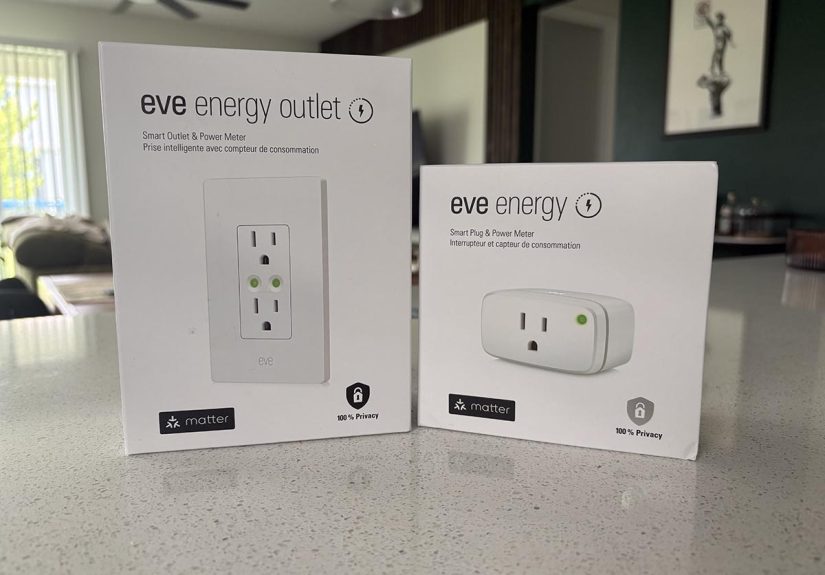
Eve Energy is a smart plug and power meter designed for smart-home users who want more than simple on-and-off control. It supports Matter and Thread, which is a big deal if you are trying to avoid the old smart-home circus where every brand needed its own app, bridge, ritual, and possibly a blood moon. With Eve Energy, you can control compatible devices through major smart-home platforms and use automations, schedules, and voice assistants.
The newer Eve Energy Outlet takes the same idea and moves it into the wall. Instead of plugging a gadget into a smart plug, you replace a standard duplex outlet with a connected one. That creates a cleaner look and is especially appealing in places where a bulky plug sticking out of the wall is not exactly adding to the room’s charm.
The main appeal of both products comes down to three features:
1. Smart control
You can turn devices on or off with an app, voice command, schedule, scene, or automation. Lamps, fans, dehumidifiers, coffee makers, and air purifiers are common use cases.
2. Energy monitoring
Eve Energy can show how much power a connected device is using, how much electricity it has consumed over time, and estimated cost if you input your rate. That turns the plug from a toy into a tool.
3. Local-first privacy approach
One of Eve’s biggest selling points is privacy. The brand has long positioned itself as a company that avoids the usual cloud-heavy, account-heavy smart-home nonsense. For many buyers, that is a serious advantage.
Design and Setup: Clean, Premium, and Not the Cheapest Date at the Dance
Eve products have a polished, premium feel. The plug is compact compared with many older smart plugs, and the outlet version looks much more elegant once installed. If you care about not blocking the second socket or not turning your wall into a small robotics exhibit, Eve scores points here.
Setup is generally straightforward for users already inside Apple Home or another Matter-compatible ecosystem. That said, there is one important catch: Thread and Matter work best when you already have the right hub or border router. If you are using Apple Home, for example, you may need a compatible home hub such as a supported HomePod or Apple TV 4K. That means the product is easiest to love when your smart-home foundation is already in place.
If that sounds mildly annoying, that is because it can be. Eve Energy is not the sort of smart plug you buy for Grandma’s spare lamp if Grandma still uses a flip phone and believes Wi-Fi is a mood. This is a more advanced smart-home product aimed at people who want reliability, automation, and energy insightnot just a remote-controlled outlet.
How Eve Energy Can Help Lower Energy Bills
Now to the money question. Can Eve Energy lower energy bills? Yes, but not in a dramatic, universal, one-size-fits-all way. The savings depend on what you plug into it, how consistent your habits are, and whether you use the data to make better decisions.
Here are the real ways it can help.
It reveals which devices are wasting electricity
Most people have at least one sneaky power user at home. Maybe it is an old mini fridge in the garage. Maybe it is the entertainment center full of “off” devices that are spiritually still on. Maybe it is a dehumidifier running like it is training for a marathon.
Eve Energy’s power-monitoring feature helps identify those culprits. Once you can see actual usage, the conversation changes from “I think this thing uses a lot” to “oh, so that is why my bill looks rude.”
This visibility is valuable because people are much more likely to change behavior when they can see direct results. If a fan uses very little, greatyou stop worrying about it. If a portable heater is guzzling power, you can use it more intentionally.
It reduces standby power and phantom load
Phantom load is the electricity devices use even when they seem off. TVs, game consoles, printers, speakers, cable boxes, and coffee machines can all sip power in the background.
With Eve Energy, you can schedule certain devices to shut off completely overnight or while you are away. That will not turn your utility bill into pocket change, but it can trim waste over time, especially across multiple devices.
This is where smart plugs shine: not by slashing one giant expense, but by tightening up a dozen smaller leaks.
It supports better schedules
One of the easiest ways to save electricity is to stop running things when they are not needed. A smart plug makes that painless. You can schedule a fan to turn off after bedtime, an air purifier to run only during certain hours, or holiday lights to shut down automatically instead of glowing proudly until sunrise like they pay rent.
Schedules are especially useful for people who already know what they should do but prefer technology to act as their more disciplined roommate.
It helps control high-use appliances more intentionally
Not every appliance belongs on a smart plug, but some devices work well with one. Fans, lamps, humidifiers, dehumidifiers, and certain small appliances can become more efficient when paired with routines and shutoff rules. The savings here come less from the plug itself and more from the plug helping you stop accidental overuse.
What Eve Energy Does Not Do
Let’s keep the halo at a reasonable angle. Eve Energy is helpful, but it is not a miracle device.
It will not make inefficient appliances efficient
If a device is inherently expensive to run, the plug will not change its appetite. A space heater is still a space heater. A portable AC is still a portable AC. The plug simply shows you what is happening and lets you control usage better.
It will not replace whole-home energy monitoring
If you want deep, circuit-level insight into your home’s electricity use, a smart plug is only one piece of the puzzle. Eve Energy is best for monitoring specific devices, not your whole house.
It may not expose every feature equally in every ecosystem
This is one of the biggest practical limitations. While Matter improves cross-platform compatibility, energy monitoring has not always been equally surfaced across every platform and app. In real-world use, Eve’s own app has often been the best place to access detailed energy data. That matters because some buyers assume Matter means every feature works the same everywhere. In smart homes, hope is healthy, but assumptions are expensive.
Eve Energy Plug vs. Eve Energy Outlet
Choosing between the plug and the in-wall outlet depends on your goal.
Choose the Eve Energy Plug if:
- You want the easiest setup.
- You rent and cannot replace wall outlets.
- You want flexibility to move the device between rooms.
- You are still testing which appliances actually benefit from energy monitoring.
Choose the Eve Energy Outlet if:
- You want a cleaner, more built-in look.
- You use the same outlet for the same devices all the time.
- You are already comfortable with electrical installation or hiring an electrician.
- You want smart control without a plug protruding from the wall.
The outlet is more elegant, but the plug is more flexible. For most people, the Eve Energy smart plug is the better starting point. It is easier to test, easier to move, and less commitment-heavy than rewiring a wall outlet just to discover you mostly wanted to automate a fan.
Performance and Reliability
One reason Eve has earned respect in the smart-home world is reliability, especially for users with solid Thread infrastructure. Thread is designed to be more responsive and efficient than many older Wi-Fi or Bluetooth-only smart-home setups, and devices that stay plugged in can help strengthen the mesh network.
That is a subtle but important advantage. A smart plug that responds quickly and stays connected is much more useful than a cheaper one that randomly disappears like it is avoiding emotional intimacy.
In homes with the right setup, Eve Energy tends to perform well for automations, remote control, and everyday use. The main barrier is not usually the device itself. It is the ecosystem around it. If your hub situation is messy, your experience may be messier too.
Is Eve Energy Worth the Price?
This is where opinions split. Eve Energy is usually not the bargain-bin option. There are cheaper smart plugs on the market, and some of them are perfectly fine for basic scheduling and voice control.
So why pay more?
You pay more for the combination of premium build quality, Matter support, Thread support, privacy, energy monitoring, and stronger smart-home credibility. For Apple Home users and people who care about local control, that premium can feel justified. For budget shoppers who only want to turn a lamp on at 7 p.m., it may feel like buying a designer raincoat for a houseplant.
If your main goal is purely lowering bills, the math depends on what you monitor and how many wasteful habits you actually change. A single smart plug may not pay for itself overnight. But used strategicallyespecially across devices with standby draw or inconsistent usageit can absolutely help reduce wasted electricity over time.
Best Use Cases for Lowering Energy Bills
Here are the most practical scenarios where Eve Energy can earn its keep:
Home office equipment
Printers, monitors, speakers, chargers, and desk accessories often sit in standby mode. Scheduling them off after work hours can trim waste.
Entertainment centers
TV accessories and connected devices are classic phantom-load offenders. One smart plug can simplify shutdown routines.
Air purifiers and fans
These are ideal for timed schedules and seasonal routines, especially if they are often left running longer than necessary.
Holiday lights and decorative lighting
This is the easy win. Automating lights prevents accidental all-night operation and saves both energy and embarrassment.
Garage or utility-room appliances
Secondary fridges, dehumidifiers, and other always-on devices are worth monitoring because they often use more electricity than people realize.
Final Verdict: Can Eve Energy Help Lower Energy Bills?
YesEve Energy can help lower energy bills, but mostly by improving awareness and control rather than by creating instant savings on its own. Its real value lies in showing you what devices consume, helping you eliminate standby waste, and making schedules and automations painless enough that you actually use them.
If you are already invested in a Matter or Apple Home setup and want a smart plug with strong energy-monitoring features, Eve Energy is one of the more compelling premium choices. The outlet version is also appealing for permanent, polished installations. The biggest downsides are price and the fact that some advanced monitoring experiences still depend on the ecosystem and app you use.
In other words, Eve Energy is not a magic bill-slasher. It is a smart, well-designed tool that helps disciplined users make better energy decisions. And in a world where half of home efficiency is simply noticing what is quietly wasting power, that is not a small thing.
Real-World Experience: What Living With Eve Energy Actually Feels Like
Reading specs is useful, but living with a smart plug day after day tells a more honest story. In real homes, Eve Energy feels less like a flashy gadget and more like a low-key hall monitor for your electricity use. It does not kick down the door and scream, “You’re wasting money!” It just quietly shows the numbers, follows schedules, and exposes which devices are behaving badly when nobody is looking.
For many people, the first surprise comes from how often they check energy data once the plug is installed. At first, it is curiosity. You plug in a fan, coffee machine, air purifier, or portable heater and think, “Let’s just see.” Before long, you are side-eyeing half the house. The old freezer in the garage? Suspicious. The gaming setup? Extremely suspicious. The “energy-saving” device that apparently did not get the memo? Also suspicious.
That experience matters because most people do not change habits until a product gives them a reason to care. Eve Energy does that well. It turns abstract electricity use into something concrete. Instead of one monthly bill showing up like a passive-aggressive postcard from the utility company, you get device-level clues. That creates smarter decisions in everyday life.
Another common experience is the simple relief of automation. Once a lamp, fan, or purifier is on a schedule, your house starts behaving like it has finally learned basic manners. Lights turn off when they should. Office accessories stop sipping power overnight. Decorative lights stop glowing at 3 a.m. for absolutely no reason. These are not earth-shaking victories, but they add up in convenience and consistency.
People who already use Apple Home or another compatible smart-home platform often appreciate how naturally Eve Energy fits into routines. A plug can become part of a “Good Night” scene, a “Leaving Home” automation, or a temperature-related rule. That means the savings do not always come from obsessively opening the app every day. They come from setting better rules once and letting the system handle the repetitive stuff.
Of course, real-life use also reveals the limitations. The most obvious one is price. Eve Energy tends to feel premium because it is premium, but when you want several of them, the total cost can climb quickly. That is when many buyers start thinking, “Do I really need a high-end smart plug for this lamp?” Sometimes the answer is yes. Sometimes the answer is, “No, but I do need one for the devices that actually affect my energy habits.”
The other real-world lesson is that the plug works best when the rest of your smart-home setup is solid. In a well-built Thread and Matter environment, Eve Energy can feel fast, stable, and refreshingly drama-free. In a shaky setup, even a good device can inherit the chaos around it. So the best experiences usually come from users who already have a compatible hub, understand their platform, and want dependable automation rather than endless troubleshooting.
Ultimately, living with Eve Energy is a bit like hiring a very polite accountant for your outlets. It is not exciting every second, and it is not going to transform your life by Tuesday. But over time, it can absolutely make your home more efficient, your routines more consistent, and your electric bill a little less insulting. That is not magic. It is just smart technology doing something genuinely useful for once.