Table of Contents >> Show >> Hide
- What Is Epsom Salt, Exactly?
- How Epsom Salt for Feet May Work
- Benefits of Epsom Salt for Feet
- What Epsom Salt for Feet Probably Does Not Do
- How to Use Epsom Salt for Feet Safely
- Who Should Be Careful With Epsom Salt Foot Soaks?
- Can Epsom Salt Help Specific Foot Problems?
- Common Mistakes to Avoid
- When to See a Doctor
- The Bottom Line on Epsom Salt for Feet
- Experiences Related to Epsom Salt for Feet: What People Often Notice
- Conclusion
If your feet have been through a long day of standing, walking, commuting, exercising, or simply surviving a pair of shoes that looked better than they felt, an Epsom salt foot soak can sound like pure magic. Add warm water, toss in those famous crystals, and suddenly your bathroom starts pretending it’s a spa. Not bad for a Tuesday night.
But does Epsom salt actually do anything for your feet, or is it just warm water wearing a fancy name tag? The answer sits somewhere in the middle. Epsom salt has a long history as a soaking solution, and many people swear by it for tired feet, mild soreness, and softening rough skin. At the same time, the science behind some of the bigger claimsespecially the idea that large amounts of magnesium soak through your skin and fix everything short of bad decisionsisn’t exactly rock solid.
Here’s the good news: Epsom salt foot soaks can still be a helpful part of your routine when used the right way. They may offer comfort, temporary relief, and a little skin-softening support. They are not a cure-all, not a substitute for medical care, and definitely not a hall pass to ignore a painful foot problem that keeps getting worse.
What Is Epsom Salt, Exactly?
Epsom salt is not the same thing as table salt. It’s a mineral compound called magnesium sulfate. It has been used in soaking solutions for a long time and is also sold for other uses, including as an oral laxative in certain forms. For feet, though, the common use is external: dissolve it in water and soak.
The reason Epsom salt became such a household name is simple. It is cheap, easy to find, easy to use, and associated with relief for sore muscles, minor aches, and tired feet. Even major health organizations and clinical references acknowledge magnesium sulfate as a soaking solution for minor discomfort, joint stiffness, soreness, and tired feet. That does not mean every claim about it is proven, but it does mean the product itself has a legitimate place in basic self-care.
How Epsom Salt for Feet May Work
1. Warm water does a lot of the heavy lifting
Before Epsom salt gets all the credit, let’s give warm water its flowers. Soaking your feet in warm water can feel soothing because warmth may help you relax, temporarily ease minor soreness, and soften hard skin. In many cases, the comfort people feel from an Epsom salt foot soak may come partly from the water itself, the rest break, and the simple act of taking pressure off your feet for 15 to 20 minutes.
2. Epsom salt may help create a soothing soak
Epsom salt dissolves easily and can make a foot bath feel more therapeutic. Some people find it especially helpful after a long day, after exercise, or when their feet feel puffy, tender, or generally offended by life. There is also some research interest in whether magnesium can pass through the skin, but experts still say the clinical significance is unclear. In plain English: some absorption may happen, but there is not strong proof that a simple foot soak delivers major whole-body magnesium benefits.
3. It can soften rough skin
This is one of the more practical benefits. A soak can soften dry, thickened, or rough skin on the heels and soles, which may make gentle exfoliation easier afterward. If your feet tend to feel like they’re auditioning for the role of “desert terrain,” soaking first can make follow-up care more effective.
Benefits of Epsom Salt for Feet
An Epsom salt foot soak is best thought of as a comfort tool rather than a miracle treatment. Here are the most realistic benefits.
Relief for tired, achy feet
If your feet feel sore after walking, working on hard floors, traveling, or exercising, a soak may help you unwind. It is especially appealing because it combines warmth, rest, and a little ritual. Sometimes your feet do not need a grand medical intervention. They need you to stop stuffing them into shoes for five minutes and let them breathe.
Support for mild swelling and post-activity discomfort
Some people use Epsom salt foot baths when their feet feel mildly swollen or heavy after a long day. The evidence behind Epsom salt specifically reducing inflammation is limited, but many clinicians note that it is low-risk for many people and can feel soothing. It may help with comfort, even if it is not technically shrinking your feet back to their factory settings.
Softening callused or rough skin
For dry heels and thickened skin, soaking can soften the area so you can gently use a foot scrubber, pumice stone, or washcloth afterward. This can be helpful if you are building a cracked-heel care routine. The key word is gently. Your heels are not a woodworking project.
Temporary comfort for minor ingrown toenail irritation
Warm soaks are commonly recommended as supportive care for mild ingrown toenail discomfort, and some foot specialists say Epsom salt may be used if a clinician recommends it. A soak can soften the surrounding skin and may reduce discomfort. But if there is significant redness, drainage, worsening pain, or you have diabetes or circulation problems, home treatment is not your best plot twist. Get medical care.
A relaxing end-of-day routine
This benefit is underrated. Stress makes everything feel worse, including foot pain. A warm foot soak can become part of an evening routine that helps your whole body settle down. That does not make it a medical cure, but it does make it useful.
What Epsom Salt for Feet Probably Does Not Do
Let’s clear out the wellness fog.
It does not “detox” your body
Your liver and kidneys already have that job. Epsom salt foot soaks may help you feel relaxed and refreshed, but they are not vacuuming toxins out through your toes.
It is not proven to fix magnesium deficiency
Magnesium is important for muscle and nerve function, blood pressure regulation, and hundreds of enzyme systems in the body. But if you are low in magnesium, the best solution is not assuming your feet can absorb enough through a basin of warm water. Talk with a healthcare professional about diet, testing, or supplements when needed.
It is not a cure for athlete’s foot
This one matters. Athlete’s foot is a fungal infection, and fungi love warm, moist environments. Soaking too often can leave feet damp and may make that environment more inviting, not less. If you have athlete’s foot, your priority is keeping feet clean, cool, and dry, plus using antifungal treatment when needed. A soak might feel good for a few minutes, but it is not the star player here.
How to Use Epsom Salt for Feet Safely
Basic foot soak steps
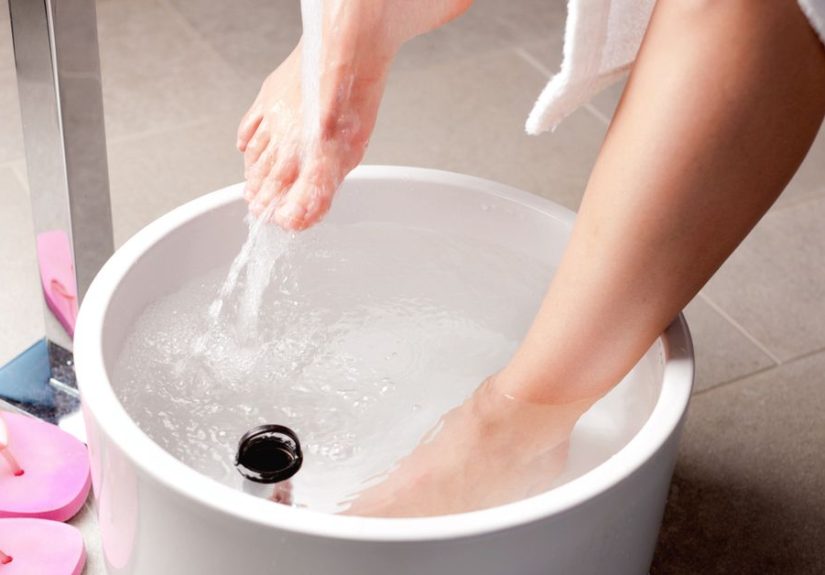
- Fill a clean basin or foot spa with warm, not hot, water.
- Add Epsom salt according to the package directions. Many people use roughly 1/2 cup for a small basin, but follow the label on the specific product you bought.
- Soak your feet for about 15 to 20 minutes.
- Dry your feet thoroughly, especially between the toes.
- Apply a fragrance-free moisturizer to the tops, bottoms, and heels if your skin is dry. Avoid putting moisturizer between the toes.
What to do after the soak
If your goal is softer feet, gently buff rough areas after soaking. If your goal is relaxation, put on clean socks, elevate your feet for a few minutes, and enjoy the rare luxury of doing absolutely nothing productive.
How often should you soak?
For most people, occasional use makes more sense than daily marathons. Too much soaking can dry out your skin or leave feet too moist, which is not ideal. Once or twice a week is a reasonable rhythm for many people, though needs vary.
Who Should Be Careful With Epsom Salt Foot Soaks?
Just because something is sold next to bath products does not mean it is harmless for everyone.
People with diabetes
Major diabetes guidelines say not to soak your feet routinely. Why? Because soaking can dry the skin, and diabetes may come with neuropathy, slower healing, or reduced ability to feel water temperature and injury. If you have diabetes, do not start foot soaks as a casual self-care experiment without asking your clinician or podiatrist first.
People with open wounds, burns, skin infections, or severe irritation
If the skin is already broken, inflamed, infected, or badly irritated, skip the soak and get medical advice. Epsom salt baths are not recommended for open wounds, severe skin inflammation, or infected skin.
People with poor circulation or peripheral artery disease
If blood flow to your feet is reduced, healing problems become more serious. Even a small issue can escalate faster than expected. That is not the moment for DIY spa science.
People with very dry or sensitive skin
Foot soaks can dry out skin, especially if the water is hot or you soak too long. If your skin already cracks easily or reacts to products, keep sessions short and moisturize afterward.
Can Epsom Salt Help Specific Foot Problems?
Cracked heels
Yes, it may help as part of a routine. The soak can soften thick skin so you can gently remove loose dead skin and then apply a heavy moisturizer or petrolatum-based ointment. But the real hero for cracked heels is consistent moisturizing, not the soak alone.
Ingrown toenails
Sometimes. Warm soaks can offer temporary comfort for a mild case, but worsening pain, pus, spreading redness, fever, or persistent symptoms mean it is time for professional care.
Athlete’s foot
Not really as a main treatment. Since fungal infections thrive in moisture, frequent soaking can backfire if you do not dry your feet extremely well afterward. Antifungal creams, powders, dry socks, and breathable shoes matter more.
Foot odor
It may help a little by cleaning and refreshing the feet, but odor usually improves more when you reduce sweat buildup, change socks, let shoes dry out, and practice solid foot hygiene.
Common Mistakes to Avoid
- Using water that is too hot.
- Soaking too long and ending up with dry, cranky skin.
- Skipping the drying step between the toes.
- Using a foot soak on broken or infected skin.
- Assuming a soak can replace antifungal treatment, podiatry care, or medical advice.
- Going wild with scrubbing afterward and turning “self-care” into “self-inflicted regret.”
When to See a Doctor
Call a healthcare professional if you have foot pain that keeps getting worse, swelling that does not improve, signs of infection, numbness, new wounds, drainage, or skin changes that concern you. The same goes for persistent athlete’s foot, a stubborn ingrown toenail, or cracked heels that bleed or keep returning.
If you have diabetes, nerve damage, poor circulation, or a history of foot ulcers, it is smart to treat new foot problems as a “call sooner” situation, not a “let’s see what a bucket of salty water can do” situation.
The Bottom Line on Epsom Salt for Feet
Epsom salt for feet can absolutely earn a spot in your self-care lineupas long as you expect realistic results. It may help tired feet feel better, soften rough skin, support mild post-activity soreness, and turn an ordinary evening into something slightly less chaotic. That is already a respectable résumé.
What it cannot do is cure fungal infections, reverse serious foot conditions, or magically flood your body with magnesium in a clinically proven way. The smartest approach is to use Epsom salt foot soaks for comfort, not miracles. Keep the water warm, not hot. Keep the soak occasional, not excessive. Dry your feet well. Moisturize when needed. And if something looks infected, deeply painful, or just plain suspicious, let a medical professional take it from there.
Experiences Related to Epsom Salt for Feet: What People Often Notice
One reason Epsom salt foot soaks remain so popular is that the experience itself feels rewarding, even when the science is more modest than the hype. A lot of people describe the first few minutes of soaking as the moment their whole body finally notices it has permission to relax. That makes sense. If you spend all day on your feet, your brain may register the soak as relief before your feet even finish their first sigh.
For office workers who commute, walk city blocks, and then sit in stiff shoes all day, an Epsom salt soak often feels best in the evening. The feet may not look dramatically different afterward, but they can feel lighter, less tight, and less cranky. People often say their shoes feel less offensive the next morning, which is not a formal medical outcome but is, frankly, still valuable.
Runners and gym-goers often use Epsom salt foot baths after long workouts. In that setting, the main benefit seems to be comfort. A soak can feel soothing when arches are tired, calves are tight, and soles feel overworked. Some athletes also say the ritual helps them slow down and recover mentally, not just physically. Translation: part of the benefit may be the soak, and part of it may be finally sitting down.
People dealing with rough heels often report one of the most noticeable changes. After soaking, hardened skin usually feels softer and easier to manage. The important detail is what happens next. Those who follow with a thick moisturizer and socks overnight tend to be happiest with the results. Those who soak, forget to moisturize, and then shuffle back into sandals often discover that their feet are not interested in half-hearted teamwork.
There are also mixed experiences. Some people try Epsom salt for athlete’s foot because it sounds natural and simple, then realize the problem keeps hanging around. That is a common lesson: a soak may feel pleasant, but fungal issues usually respond better to keeping the feet dry and using antifungal treatment. Likewise, people with sensitive skin sometimes notice dryness or irritation after soaking too long or too often.
For mild ingrown toenail discomfort, some people feel temporary relief because the skin softens and pressure eases for a while. But when pain escalates, redness spreads, or drainage appears, the home-spa chapter usually ends and the podiatry chapter begins.
Overall, the real-world experience of using Epsom salt for feet is usually less “miracle cure” and more “small, satisfying support.” That may not sound dramatic, but in the world of foot care, a simple habit that helps you feel cleaner, calmer, and more comfortable is nothing to scoff at.
Conclusion
Epsom salt foot soaks are best viewed as a low-cost comfort ritual with a few practical perks. They can help tired feet feel pampered, soften rough skin, and support relaxation after a long day. Just keep expectations reasonable, use them safely, and do not let a pleasant soak distract you from signs that your feet need real medical attention.