Table of Contents >> Show >> Hide
- Why Epic Fails Own the Internet
- When a Funny Fail Stops Being Funny
- The Most Relatable Types of Instant Regret
- The Psychology of Instant Regret
- How to Watch Fail Content Without Becoming the Villain
- What Epic Fails Really Say About Us
- More Instant Regret Experiences That Feel Way Too Real
- Conclusion
There are two kinds of people in this world: the ones who watch an epic fail video and laugh so hard they snort iced coffee through their nose, and the ones who say, “That’s not funny,” while secretly replaying it three more times. Somewhere between those two reactions lives the internet’s favorite genre: the glorious, chaotic, painfully relatable world of instant regret.
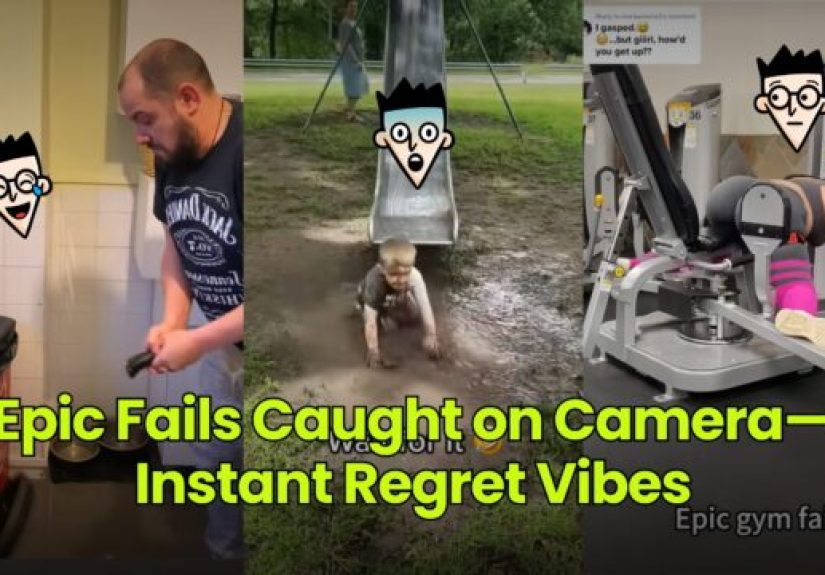
Epic fails caught on camera have become their own digital language. A folding chair gives up on its dreams. A backyard stunt ends with a bruised ego and a very concerned dog. A proud DIY project collapses like it was held together by hope and one suspicious zip tie. Nobody plans to become “the clip,” but millions of people have discovered the hard way that confidence plus a camera plus bad timing equals immortal online weirdness.
What makes these videos so magnetic is not just the fall, the flub, or the faceplant. It is the emotional whiplash. One second, someone is absolutely sure they are about to do something brilliant. The next second, the universe files a formal objection. That split-second collapse from swagger to regret is comedy gold because it feels deeply human. We have all had moments where our brain said “You got this” while reality replied, “Respectfully, no.”
But there is more going on here than simple slapstick. “Epic fails” tap into embarrassment, risk, pride, social pressure, attention economics, and the weirdly powerful joy people feel when someone else’s overconfidence gets humbled. That does not mean every fail is harmless. Some are funny because they are small, surprising, and clearly survivable. Others cross the line into humiliation, harassment, or dangerous copycat behavior. In other words, not every instant regret clip deserves an instant replay.
So let’s unpack why fail videos are irresistible, when they stop being funny, and what these mini-disasters reveal about modern internet culture. Spoiler alert: the internet did not invent human clumsiness. It just gave it subtitles, dramatic zoom, and a comment section full of armchair stunt coordinators.
Why Epic Fails Own the Internet
Fail videos work because they combine three things the internet loves more than sleep: surprise, emotion, and easy shareability. A good fail clip is instantly understandable. You do not need context, a backstory, or a 17-part explainer thread. You see the setup, you sense the confidence, and thenboomthe outcome swerves in exactly the wrong direction.
That structure matters. Comedy often lives in broken expectations. The person lining up the perfect golf swing lands in the pond instead. The carefully staged gender reveal shoots confetti into a ceiling fan. The smooth wedding dance turns into a full-contact furniture event. These moments are funny because the brain predicts one ending and gets another. It is basically storytelling with fewer words and more regrettable footwear.
There is also a social layer. People do not just watch epic fails; they react to them together. They send them to friends with captions like “this is literally you” or “me trying to be normal at work.” The fail becomes a bonding object. It lets people laugh, cringe, and confess their own disasters without giving a TED Talk on vulnerability.
The Secret Ingredient: Secondhand Embarrassment
Part of the appeal is secondhand embarrassment, that full-body “oh nooooo” feeling you get while watching someone confidently walk into disaster. It is uncomfortable, but also weirdly compelling. You flinch because you can imagine being that person. You laugh because the distance between “that poor soul” and “that was me last Tuesday” is alarmingly small.
That emotional blend is why the best fail videos are not just painful; they are recognizable. They trigger the universal fear of looking foolish in public. Nobody wants to be the person who waves back at someone who was not waving at them, walks into a glass door, or confidently presents the wrong slide deck to the whole office. Fail culture thrives because dignity is fragile and cameras are everywhere.
Why People Laugh at Other People’s Misfortune
Here is the uncomfortable truth: sometimes people laugh because another person’s mistake creates relief. If the overconfident guy misses the jump, we are reminded that nobody is invincible. If the person acting a little too smug slips on the metaphorical banana peel, the audience gets a tiny burst of emotional balance. This is where the whole “instant regret vibes” formula becomes so effective. It is not just failure. It is failure arriving immediately, like karma with excellent Wi-Fi.
That does not automatically make viewers cruel. A lot of fail humor is less about malice and more about recognition. We laugh because humans are messy, our plans go sideways, and perfection has terrible comedic timing. When the mistake is small and the person is okay, the laugh can feel communal rather than mean. It says, “Welcome to the club. Membership includes stains, awkwardness, and poor judgment.”
When a Funny Fail Stops Being Funny
Not all camera-caught disasters belong in the same bucket. There is a major difference between harmless clumsiness and content that humiliates, exploits, or endangers someone. The internet blurs that line constantly, which is why “epic fail” culture needs a little grown-up supervision from time to time.
Consent Is Not a Buzzkill
A truly funny fail usually has at least one important feature: the person in it can laugh later too. If they cannot, the vibe changes fast. Posting someone’s most embarrassing moment without permission might get clicks, but it also turns a temporary mistake into a permanent digital souvenir. That is not just awkward. It can affect reputation, relationships, school, work, and mental well-being.
The internet has a bad habit of treating people like content before treating them like humans. A clip that feels hilarious to strangers can feel mortifying to the person living inside it. Once a video spreads, the original moment no longer belongs to them. It becomes a searchable identity. That is a heavy price to pay for ten seconds of public amusement and a comment section full of fire emojis.
Dangerous Challenges and “Hold My Phone” Energy
Then there is the stunt side of fail culture. Some “instant regret” videos are not accidents at all. They are engineered chaos: risky pranks, dangerous jumps, reckless driving, rooftop nonsense, or “content” that seems designed by somebody who thinks gravity is optional. These clips may rack up views, but they also invite imitation. And that is where the joke curdles.
One of the ugliest side effects of viral fail culture is how attention can reward bad decisions. If a person sees outrageous behavior getting millions of views, the temptation is obvious: go bigger, go dumber, go more dangerous. But attention is not the same thing as admiration. Sometimes the internet is not applauding; it is just staring at the wreckage.
The smartest way to enjoy this genre is to keep one rule in mind: funny chaos is one thing, genuine danger is another. If the clip depends on serious risk, panic, or humiliation to work, it is less “epic fail” and more “this should have stayed in the drafts.”
The Most Relatable Types of Instant Regret
Epic fails come in recognizable flavors, and each one tells us something about how humans operate when optimism outruns common sense.
The DIY Disaster
This is the kingdom of overconfidence. Somebody watches a 45-second home improvement video, buys nine tools they do not understand, and decides they are now basically a contractor. Forty minutes later, a shelf is crooked, the paint is on the dog, and a smoke alarm is expressing strong opinions. DIY fail videos hit because they expose a fantasy most people have had: “How hard could it be?” Famous last words.
The Athletic Overreach
These are the clips where a person briefly believes they are one montage away from professional-level ability. The basketball trick shot misses a window instead of the hoop. The treadmill swagger becomes an accidental interpretive dance. The trampoline backflip introduces someone to the concept of consequences. These videos remind us that confidence is lovely, but physics has a stricter management style.
The Social Fail
Not all epic fails involve motion. Some involve microphones, text messages, livestreams, or the horrifying moment someone realizes the camera was already rolling. Social fails are often the most relatable because they do not require athleticism, just a human mouth and unfortunate timing. The accidental reply-all. The hot mic. The live presentation with the wrong tab open. The enthusiastic wave to a stranger. Pure, elegant disaster.
The Celebration Collapse
Parties, weddings, birthdays, and holidays are basically fail-video incubators. People are emotional, distracted, overconfident, and sometimes balancing candles near curtains. Add dancing, slippery floors, or decorative chairs that were built like polite suggestions, and you have instant regret in formalwear. These clips go viral because the setup is so universal: everyone wants the perfect big moment, which makes the imperfect one even more memorable.
The Psychology of Instant Regret
“Instant regret” is really the emotional crash that happens when a person sees the consequences of a bad call before they have time to defend it. The brain goes from excitement to embarrassment in a heartbeat. That is why the facial expressions in fail videos are so legendary. It is not just pain or surprise. It is realization. The face says, “I understand what has happened, and I do not care for it.”
That expression is powerful because regret is not only about the event. It is about self-image. We all carry a version of ourselves in our heads: competent, charming, reasonably graceful, and not the kind of person who falls through a folding table in front of six cousins and one ring light. A fail shatters that internal movie for a moment. Suddenly, there is a gap between who we meant to be and what everyone just saw.
This is where embarrassment can actually do something useful. In the right dose, it teaches. It nudges people to slow down, rethink, apologize, practice, or stop trying to assemble furniture like they are in a speedrun competition. The healthiest response to a fail is not endless shame. It is adjustment. Learn the lesson. Laugh when you can. Retire the bad idea. Move on with slightly improved judgment.
That may be the strange genius of fail culture at its best. It turns mistakes into social evidence that imperfection is normal. You messed up. So did everybody else. Congratulations: you are officially human.
How to Watch Fail Content Without Becoming the Villain
Enjoying a harmless blooper does not make you heartless. Still, there is a better and worse way to consume this stuff.
- Laugh at the moment, not the person. A toppled cake is funny. Cruel comments about someone’s body, age, face, or identity are not.
- Check the stakes. If somebody seems seriously hurt, terrified, or publicly humiliated, that is not a comedy buffet.
- Respect consent. If it is your clip, ask before posting. If it is not your clip, think before sharing.
- Do not copy stunt content. “It looked easy online” is the opening line of many regrettable stories.
- Use humor to connect, not dehumanize. The best fail jokes say, “We have all been there,” not “Let’s ruin this person’s week.”
That approach matters because internet culture has a memory problem. It forgets that behind every viral moment is an actual person who still has to wake up tomorrow and exist. The line between laughter and pile-on is thinner than people think.
What Epic Fails Really Say About Us
For all their ridiculousness, fail videos are not just digital junk food. They are tiny case studies in ambition, ego, distraction, and recovery. They show how quickly confidence can outrun skill, how badly people want attention, and how fragile our carefully managed image can be. They also reveal something softer: audiences often love authenticity, even when it arrives wearing chaos.
A polished success story is impressive, but a believable fail is relatable. Viewers may admire perfection, yet they emotionally trust imperfection more. That is why “instant regret vibes” keeps winning. It captures the exact second a person’s polished plan falls apart and reality barges in wearing work boots.
In a weird way, that is comforting. Nobody can stay cool, smooth, and perfectly curated all the time. Sometimes you miss the step, break the prop, send the typo, trust the chair, or discover too late that your “great idea” belongs in a museum labeled Do Not Repeat. The camera catches it, the internet reacts, and life moves on. Ideally with fewer rooftop scooters and more humility.
So yes, epic fails caught on camera are funny. But the real reason they stick is deeper. They package one of the oldest truths about being alive: humans are ambitious little chaos machines, and regret often arrives right on schedule. That may not be elegant. But it is honest. And honesty, especially the slapstick kind, tends to get views.
More Instant Regret Experiences That Feel Way Too Real
Let’s make this even more relatable, because “epic fail” is not only about dramatic wipeouts. Some of the most powerful instant regret moments are the small, ordinary ones that hit your soul like a flying rake in a cartoon.
There is the classic grocery store fail: you confidently grab what you think is your cart, only to discover it contains somebody else’s almond milk, three lemons, and a deeply judgmental toddler. You smile, apologize, and back away like a raccoon caught in a porch light. No physical injury, maximum spiritual damage.
Or the office version: you are screen-sharing during a meeting and suddenly realize your desktop looks like a crime scene made of random screenshots, half-finished documents, and a file named “final_FINAL_use_this_one_FOR_REAL.” Nobody says anything, which somehow makes it worse. That silence has texture. It tastes like regret.
Then there is the text-message disaster, one of modern civilization’s greatest contributions to embarrassment. You send a sarcastic comment about someone directly to that person, or accidentally drop a voice note into the family group chat that was definitely meant for your best friend. In those moments, time slows down. Technology becomes sentient. Your soul leaves your body and waits in the parking lot.
Family gatherings, of course, are a gold mine for instant regret. Somebody leans too hard on a decorative table. A relative attempts a “fun” group photo on self-timer mode and ends up sprinting into a hedge. An uncle who has no business doing magic tricks lights something he absolutely should not. Every holiday contains at least one moment where everybody freezes, then laughs, then says, “Please do not post that.” Somebody posts it anyway.
Travel offers its own flavor of fail. You stride through the airport acting efficient and worldly, then discover you have been waiting at the wrong gate for 25 minutes. Or you confidently drag a suitcase down cobblestone streets like you are in a movie, only to get absolutely folded by one uneven curb. Nothing humbles a person faster than public luggage drama.
And let’s not forget pet-related regret, one of the purest forms of harmless chaos. You try to film a sweet moment with your dog, and the dog immediately yanks you into a shrub. You leave a snack on the table for two seconds, and your cat launches a precision theft operation worthy of an action franchise. The camera catches everything except your dignity.
These moments matter because they remind us that fail culture is not just about laughing at strangers. It is about recognizing ourselves in the ridiculousness. We all have clips that exist only in our memories, thank goodness. The missed handshake. The wrong name. The dramatic entrance ruined by a locked door. The chair that sounded sturdier than it was. Instant regret is funny because it is familiar. The details change, but the feeling is universal: confidence rises, reality objects, and the lesson lands immediately.
If there is a bright side, it is this: most epic fails become stories. They stop being personal disasters and turn into the thing people laugh about later. That transformation is its own little superpower. Regret stings in the moment, but humor helps shrink it down to human size. And honestly, if you can survive the embarrassment, you might as well keep the punchline.
Conclusion
Epic fails caught on camera keep winning online because they package surprise, vulnerability, and comedy into one fast, highly shareable moment. At their best, they are reminders that nobody is too polished to misjudge a step, trust the wrong chair, or discover that confidence is not a substitute for balance. At their worst, they become humiliating or dangerous. The difference is empathy.
If we can hold onto that, fail culture stays funny without turning cruel. We get the laugh, the lesson, and the relief of knowing everyone occasionally becomes the main character in a tiny disaster. Instant regret may be undefeated, but at least it is equal-opportunity.