Table of Contents >> Show >> Hide
- What Is the Aga Six-Four Range Series?
- Why the Aga Six-Four Still Has a Following
- Design and Build Quality
- How the Cooking Layout Works
- Strengths of the Aga Six-Four Range Series
- Potential Drawbacks to Know Before You Buy
- Is the Aga Six-Four Range Series Still Worth It?
- The Aga Six-Four Experience: What Living With One Feels Like
- Final Thoughts
Note: Publish-ready HTML body only. Source-reference artifacts have been removed.
Some kitchen appliances are designed to disappear into the cabinetry and politely mind their own business. The Aga Six-Four Range Series is not one of them. This is the kind of range that walks into the kitchen like it owns the place, then proves it by handling breakfast, roast chicken, sheet-pan vegetables, and dessert without breaking a sweat. For home cooks who love the romance of an AGA but prefer the instant response of a more conventional range, the Six-Four has long occupied a fascinating middle ground.
That middle ground is exactly why the Aga Six-Four Range Series still gets attention. It offers the signature cast-iron presence, unmistakable British styling, and multi-cavity cooking layout that helped make AGA famous, but it does so in a format that feels more familiar to modern American cooks. Instead of asking you to commit your entire lifestyle to a traditional heat-storage cooker, the Six-Four gives you separate controls, multiple cooking zones, and a much more flexible day-to-day experience. In plain English: it looks grand, cooks seriously, and does not require you to rearrange your life around it like a Victorian duke planning pheasant season.
What Is the Aga Six-Four Range Series?
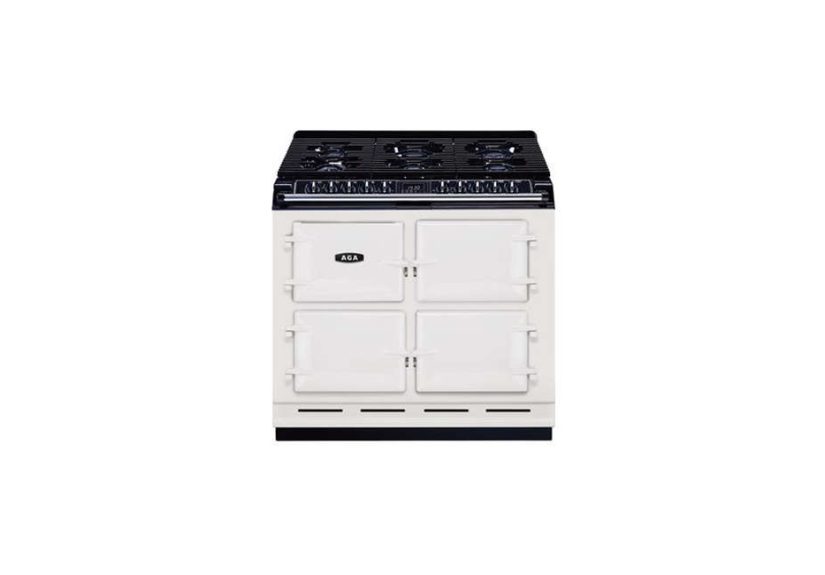
The Aga Six-Four Range Series is best understood as AGA’s bridge between old-world personality and pro-style practicality. In U.S. retail listings, the range is commonly described as a roughly 39-inch cast-iron dual-fuel model with six gas burners and four electric cooking cavities, all wrapped in classic AGA design language. In real-world use, that “four-oven” description is slightly simplified: the layout typically includes a conventional roasting oven, a simmering oven, a fan-assisted baking oven, and a separate grill or broiling compartment. That distinction matters because the Six-Four is not just about size. It is about specialization.
Instead of giving you one giant oven and hoping you sort out the rest with timing and optimism, the Six-Four divides labor beautifully. One cavity handles roasting and everyday oven work. Another is tuned for slow cooking and gentle finishing. A convection-style oven supports more even baking. The grill compartment adds fast top heat for broiling, browning, or last-minute rescue missions when cheese needs to melt immediately and guests are already sitting down. It is a range designed by someone who clearly understands that dinner rarely happens in one temperature zone.
Depending on the market and production period, the Six-Four family also appeared in more than one configuration. Earlier versions emphasized dual-fuel cooking with gas burners and electric ovens, while later documentation also points to ceramic-hob and Six Four 100 naming variants. That makes the series a little more layered than many shoppers first expect. If you are researching one today, model number and configuration matter. “Six-Four” is a family resemblance, not just one single appliance wearing a monocle.
Why the Aga Six-Four Still Has a Following
The classic AGA look, minus the all-day commitment
Traditional AGA ranges are loved for their radiant heat, heritage styling, and cult-like ability to make owners sound as though they joined a very elegant cooking society. The catch is that classic heat-storage AGA ownership is a lifestyle decision. The Six-Four softened that learning curve. It delivered the visual drama of an AGA range cooker, the tactile feel of cast iron, and the pride-of-place kitchen presence, but with more familiar control over when and how you cook.
For many buyers, that was the magic trick. The Six-Four looked like an AGA, felt like an AGA, and carried the brand’s craftsmanship-forward identity, yet operated more like a premium multi-oven range. That made it especially attractive to homeowners who wanted the character of a British icon without turning every weeknight meal into a philosophical debate about residual heat.
Six burners make it genuinely useful, not just pretty
A lot of luxury ranges are gorgeous until you actually try cooking on all of them at once. The Aga Six-Four Range Series was more serious than that. Its six-burner cooktop gave cooks room to simmer sauce, boil pasta, sear protein, keep a soup going, warm a smaller pan, and still have one zone left for that pan you forgot about until the last second. The burner spread also offered real range, from low, gentle heat to high-output power suitable for fast boiling and aggressive searing.
That flexibility makes the Six-Four feel less like a decorative statement piece and more like a working kitchen engine. It is equally at home producing a big holiday meal or handling the chaotic choreography of a Tuesday when half the family wants grilled cheese and the other half suddenly remembers they are “trying to eat clean.”
Multiple cavities reduce cooking traffic jams
The oven layout is where the Aga Six-Four Range Series really earns its fan base. Separate cavities let you roast meat, bake potatoes, slow-cook beans, and broil a gratin without forcing all those foods to negotiate a peace treaty inside one giant compartment. This matters more than marketing copy usually admits. Many home cooks do not need a bigger oven nearly as much as they need smarter separation of temperature and function.
That is also why the Six-Four appeals to entertainers. It makes staggered cooking easier. You can hold one dish at a gentler temperature, finish another at higher heat, and use the grill for a fast final blast. The range’s overall capacity is not enormous by giant American range standards, but the compartment strategy makes it feel remarkably efficient.
Design and Build Quality
AGA’s modern U.S. branding still leans heavily on iconic design, British heritage, and craftsmanship, and the Six-Four fits squarely within that tradition. The range has the kind of visual heft that does not need stainless steel swagger or digital fireworks to command attention. Its cast-iron body, signature doors, handrail, and rich enamel finishes create a look that feels at once traditional and theatrical.
That cast-iron construction is not just cosmetic. It contributes to the range’s sense of permanence and thermal stability. The Six-Four is heavy, substantial, and unapologetically solid. This is not an appliance you casually slide around with one hand while asking someone to “just grab the cord.” It feels built for long-term ownership, and that quality shows up in the way the doors close, the surfaces read visually, and the unit anchors the room.
At the same time, the design is not trying to be trendy. The Six-Four does not chase every passing luxury-kitchen mood. It is not minimal. It is not industrial-cold. It does not want to look like a spaceship. It wants to look like the centerpiece of a serious kitchen, and it succeeds.
How the Cooking Layout Works
One reason the Aga Six-Four Range Series continues to be searched, discussed, and compared is that its oven arrangement is genuinely distinctive. The conventional roasting oven handles classic oven work and performs the heavy lifting for casseroles, sheet bakes, and roast dinners. The simmering oven brings lower, gentler heat that is excellent for braises, long sauces, slow beans, warming, and the kind of “set it and calm down” cooking every busy household needs more of.
The fan oven adds another level of practicality by giving bakers more even airflow and steadier temperature distribution. For cookies, trays of vegetables, and more precision-friendly baking, this is the cavity many cooks learn to love first. Then there is the grill compartment, which is fast, focused, and useful for everything from toast to broiled fish to finishing bubbly cheese. It is not a decorative extra. It is a dedicated tool.
There is also an important behavioral detail here: the grill is powerful and designed for active cooking, not absent-minded wandering. That may sound obvious, but it is worth stating because the Six-Four rewards cooks who pay attention. It is a tactile appliance. You learn its zones, its response, and its rhythm. Once that happens, the range starts to feel less like a machine and more like a collaborator who occasionally insists on doing things the proper way.
Strengths of the Aga Six-Four Range Series
1. It makes a kitchen feel intentional
Some ranges are merely installed. The Six-Four feels chosen. It signals that the homeowner values cooking, design, and atmosphere. In a luxury kitchen, that matters. People do not gather around a forgettable range. They gather around the one that looks like it belongs in a country-house magazine spread but can still turn out weeknight chili.
2. It is better for layered cooking than many single-oven rivals
Separate cooking cavities solve practical problems. Different temperatures, different textures, different timing needs, all handled with far less compromise. That is a major advantage for people who cook complete meals regularly instead of just reheating leftovers and pretending the microwave is a culinary philosophy.
3. It blends heritage and control nicely
The Six-Four captures much of AGA’s heritage appeal while feeling more approachable than a fully traditional heat-storage model. For many cooks, that is the sweet spot. You get character without the full ritual, prestige without the pure nostalgia tax, and flexibility without losing the identity that makes an AGA special in the first place.
Potential Drawbacks to Know Before You Buy
No honest review of the Aga Six-Four Range Series should pretend it is perfect. For one thing, this is a legacy-style luxury range, so buyers expecting modern convenience features such as self-clean cycles, giant glass windows, app controls, or sleek touch-first operation may feel like they accidentally stepped into another century. A charming century, yes, but still another century.
It is also a specialized product. That means servicing, parts availability, and installation expertise may require more planning than a mainstream American range brand. Because U.S. retailer listings now commonly identify Six-Four models as no longer available, the series increasingly sits in legacy territory rather than current flagship territory. If you are shopping for one now, you are often evaluating used inventory, older stock, or inherited ownership rather than a freshly launched showroom darling.
And then there is the cleaning conversation. Manual-clean cooking cavities and a multi-compartment layout can be wonderfully functional, but they are not quite the same thing as carefree. If you want the range to keep looking magnificent, you will need to meet it halfway.
Is the Aga Six-Four Range Series Still Worth It?
Yes, for the right buyer. The Aga Six-Four Range Series still makes sense for people who love cast-iron range design, want multiple cooking cavities, appreciate strong burner coverage, and enjoy appliances with personality. It is especially compelling for kitchens where aesthetics matter as much as performance and where cooking is not just a task but a central part of the home.
It makes less sense for shoppers who want the newest tech, the easiest service path, or the biggest possible single oven. It also may not be the best match for someone who wants a purely contemporary look. Current AGA offerings in the U.S., such as the Elise, Mercury, and eR7 families, show how the brand has evolved toward newer control systems, updated multifunction ovens, and broader finish programs. That evolution does not make the Six-Four obsolete. It makes it specific. And in the luxury-appliance world, specific is often another word for beloved.
The Aga Six-Four Experience: What Living With One Feels Like
Living with the Aga Six-Four Range Series is less like owning a generic appliance and more like learning the habits of a very talented, slightly demanding houseguest. Not demanding in a bad way, exactly. More like the kind of guest who insists on using the good plates and somehow makes the meal better because of it.
In everyday use, the first thing most people notice is how the range changes the pace of cooking. A standard American range often encourages a one-oven, two-burner routine: boil this, bake that, hope the timing works out, and quietly panic when it does not. The Six-Four changes that script. Breakfast can happen in layers. Bacon or toast can move under the grill while eggs cook on the burners and something else warms gently in a lower cavity. Suddenly the kitchen feels less like a traffic jam and more like an organized station.
Weeknight cooking gets easier in a surprisingly old-fashioned way. A pot of soup can bubble on one burner while the fan oven handles a tray of vegetables and the simmering oven keeps another dish in reserve without blasting it into overcooked sadness. You do not have to race every component to the finish line at the same second. The range gives you holding space, and that holding space creates calm. It is the culinary version of having an extra lane on the highway.
Then there is the hosting factor, which is where the Six-Four really starts showing off. During a dinner party or holiday meal, the separate cavities become strategic assets. One dish can roast, another can stay warm, another can bake, and the grill can finish the top of something that needs just a little last-minute glory. The range feels built for households where food arrives to the table in waves rather than in one dramatic, stressful dump.
There is a learning curve, though, and that is part of the experience too. The Aga Six-Four is not a “set everything to 350 and forget your personality” kind of appliance. It rewards familiarity. Over time, cooks start remembering which cavity is best for potatoes, which one is ideal for slow braises, and how quickly the grill can go from “perfectly browned” to “well, that escalated.” That learning process is actually part of the pleasure. The range teaches rhythm.
Visually, it changes the kitchen even when it is off. The Six-Four has presence. Friends notice it. Family members gather around it. It becomes the place where trays land, conversations start, and people hover asking when dinner will be ready. Not every appliance earns that kind of social gravity.
Of course, living with a Six-Four also means accepting a few quirks. It is not the most anonymous or low-maintenance appliance in the world. Cleaning requires intention. The design asks for a little respect. Repairs and parts may take more thought than a mass-market model. But for the cook who wants a range with character, control, and genuine multi-cavity usefulness, those compromises can feel less like burdens and more like the cover charge to join a very good club.
Final Thoughts
The Aga Six-Four Range Series remains one of the most interesting luxury range concepts AGA ever brought to market. It combines heritage styling, cast-iron substance, multi-cavity practicality, and serious cooking flexibility in a format that still feels distinctive years later. It is not the newest thing in the room, and it does not need to be. Its appeal comes from the fact that it solves real cooking problems while bringing unmistakable character to the kitchen.
If you want a range that disappears into the background, keep shopping. If you want one that anchors the room, supports ambitious cooking, and makes everyday meals feel a little more theatrical in the best possible way, the Aga Six-Four Range Series still deserves a very close look.