Table of Contents >> Show >> Hide
- Meet Vessel & Time: When a Plate Has a Backstory
- Why Stoneware Is the Workhorse of Beautiful Meals
- The Three Elements: Earth, Milk, and Tree
- Why Chefs Are Falling Back in Love with Handmade Tableware
- How to Bring the Earth, Milk, and Tree Look Home (Without Cosplaying as a Bistro)
- If You’re Designing Ceramics for Food: Notes from the Chef’s Point of View
- Conclusion: The Elemental Table Is a Philosophy, Not Just a Set
- Experiences Add-On (Approx. ): A Slow Evening with Earth, Milk, and Tree
There are two kinds of plates in the world: the ones that politely disappear under your dinner, and the ones that
show up like, “Hi, I’m part of the experience.” The Earth, Milk, and Tree stoneware collection
belongs to the second categoryquietly dramatic, deeply tactile, and built for the kind of meal where you suddenly
notice the light hitting a rim of glaze and think, Wait… am I flirting with a bowl?
This is the story of stoneware ceramics designed through a chef’s lens: how a restaurant table
becomes a design studio, why handmade dinnerware is having a moment (again), and what makes a trio of finishesEarth,
Milk, and Treefeel less like “place settings” and more like a mood you can stack in a cupboard.
Meet Vessel & Time: When a Plate Has a Backstory
The Earth, Milk, and Tree pieces come from Vessel & Time, a custom line of pottery created for
restaurant service by London chef-restaurateurs Clare Lattin and Tom Hill. Rather than treating
tableware as an afterthought (a.k.a. “whatever was on sale in bulk”), they approached it like chefs approach a menu:
with intention, constraint, and a borderline unreasonable devotion to small details.
The result is stoneware designed to live where it matters most: in the rhythm of a working dining roomset down,
lifted, rinsed, wiped, stacked, reheated, and set down againwithout losing the human touch that makes handmade
ceramics feel alive. Think less “museum shelf,” more “Wednesday night service, but make it poetry.”
Why Stoneware Is the Workhorse of Beautiful Meals
If ceramics had a dating profile, stoneware’s bio would be: stable, dependable, and gets hot enough to commit.
Stoneware is fired at relatively high temperatures until it becomes vitrified (partly glass-like), which
improves strength and reduces porosity. Translation: it’s a smart choice for tableware that needs to survive both
real life and real forks.
Stoneware vs. Earthenware vs. Porcelain (No Shade, Just Science)
-
Earthenware is typically fired lower, can be more porous, and often relies on glaze for water-tightness.
It can be gorgeousjust sometimes less “restaurant hustle” and more “handle with feelings.” -
Porcelain can be strong and refined, with a bright, clean lookbut it often reads “formal” unless
deliberately designed otherwise. -
Stoneware sits in the sweet spot: durable, substantial in the hand, and naturally suited to earthy
glazes and subtle variation.
For a chef, that “sweet spot” matters. Food isn’t just tastedit’s framed. The plate is the stage, the lighting rig,
and the supporting actor that never speaks but can still steal the scene if it’s wrong.
The Three Elements: Earth, Milk, and Tree
The collection is organized into three families. Not three “styles,” exactlymore like three atmospheres. Each
finish changes how color, texture, and even steam reads against the ceramic surface.
Earth: The Warm Gradient That Makes Food Look Like It Has a Passport
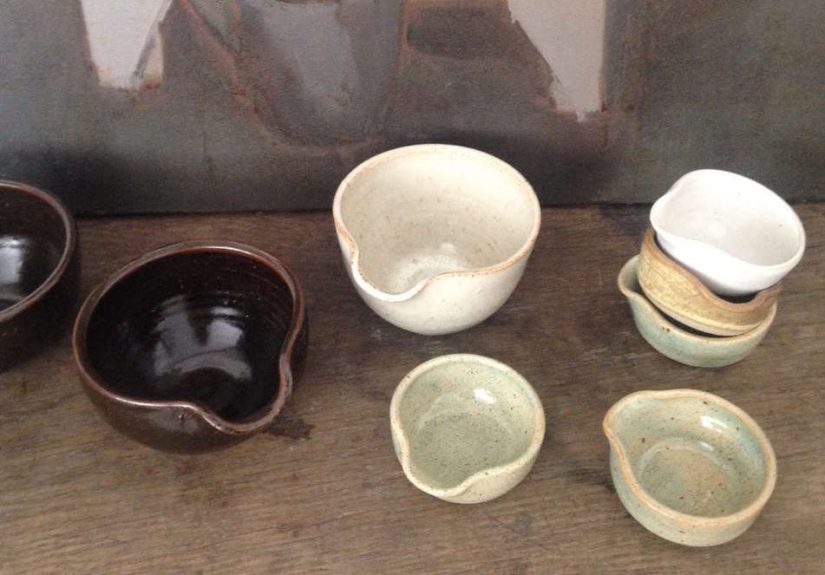
Earth pieces lean into mixed clay and iron-rich tonesoften described as a reddish-brown gradient
created through an iron oxide–based glaze approach. The vibe is grounded and quietly dramatic, like a roasted carrot
that went to art school.
On Earth, foods that already carry warmthcharred brassicas, brown-butter anything, mushroom ragù, grilled lamb,
toasty breadlook more intentional. Even a simple salad gets a visual upgrade because the plate isn’t screaming
“LOOK AT ME,” but it also isn’t pretending it has no personality.
The best part: Earth finishes forgive the chaos of real meals. A little smear of sauce? It looks like a brushstroke.
A crumb trail? It reads “rustic,” not “someone panicked with the baguette.”
Milk: White, But With Depth (Like a Good Plot Twist)
Milk is the collection’s bright counterpointwhite ceramics that can range from matte to lightly
speckled and even subtly tinted. If Earth is the soundtrack on vinyl, Milk is the clean silence that makes you hear
everything.
Milk is a chef’s secret weapon for contrast. Green herbs pop harder. Citrus looks brighter. A drizzle of chili oil
becomes a headline. And because Milk isn’t always a sterile, glossy white, it avoids the “hospital cafeteria”
association that plain white china can accidentally summon on a bad day.
Use Milk when you want the food to look crisp and graphicthink sashimi, burrata, radishes, citrus salads, yogurt
sauces, and anything that benefits from negative space. Milk is minimalism with manners.
Tree: Celadon Calm, With a Kiln’s Worth of Chemistry
Tree moves into celadon territorythose cool green-blue tones that feel both ancient and modern.
Celadon glazes are famously sensitive to firing conditions and iron chemistry, which is why they can look luminous
rather than flat. The effect is calm, watery, and slightly mysterious, like a forest lake that charges rent.
In plating terms, Tree loves anything that lives in the “fresh” color family: shellfish, cucumbers, mint, peas,
pistachios, delicate fish, and brothy dishes. It also makes browned foods look more refined by creating cool/warm
tensionlike a seared scallop wearing a tailored jacket.
There’s also an emotional difference. Earth feels hearty. Milk feels precise. Tree feels restorative. You don’t just
serve dinner on Treeyou serve a deep exhale.
Why Chefs Are Falling Back in Love with Handmade Tableware
Restaurants have always curated ambience, but lately the “frame” around food has become part of the creative
identity. Handmade ceramics help chefs do three things at once: express a point of view, support a specific menu,
and create a sense of place that guests remember (and photograph).
Plating Is Design: Color, Texture, and the “Food Looks Expensive” Effect
A plate can change how we perceive portion size, richness, and even freshness. Matte surfaces reduce glare so sauces
look velvety. Speckles add visual texture so minimalist food doesn’t read “unfinished.” A softly irregular rim makes
a dish feel less manufacturedmore “made today,” less “printed last week.”
That’s why chef-ceramicist collaborations keep showing up everywhere: they allow tableware to be tuned to the
restaurant’s voice. Wide rims for sauce work. Deeper bowls for broths. Footed dishes that lift a course into the
spotlight. Even the “clink” when a fork taps the surface matters more than anyone admits out loud.
Reality Check: The Dishwasher, the Stack, and the Laws of Gravity
Romantic as handmade ceramics are, restaurants live in the land of repetition. Plates must stack well, survive
temperature swings, and handle frequent washing. High-end restaurants may handwash delicate or irreplaceable pieces,
but durability and replaceability still matterbecause gravity never gets fired, and it never gets tired.
Good restaurant ceramics balance artistry with engineering: thoughtful rim thickness, stable feet, glaze choices
that resist metal marking, and forms that feel great in a server’s hands at hour six of a shift. Beauty is a job
requirementbut so is not ruining everyone’s night.
How to Bring the Earth, Milk, and Tree Look Home (Without Cosplaying as a Bistro)
You don’t need a reservation system or a natural wine playlist to borrow this approach. The secret isn’t owning one
exact setit’s thinking like a chef: choose ceramics that support the kind of food you actually make and the kind of
mood you want at the table.
Build a “Menu” for Your Cabinet
- Earth for roasted, braised, grilled, and comfort-food plating.
- Milk for bright salads, breakfast bowls, desserts, and anything color-forward.
- Tree for seafood, broths, greens, and minimalist plates where calm matters.
Start with a few versatile shapes: a medium bowl (the modern hero of dinner), a small plate (for toast, snacks, and
“I’m just having one cookie”), and a dinner plate that doesn’t feel like a serving tray. Add one “signature” piece
(a pouring bowl, a small pitcher, a deep pasta bowl) and suddenly your table looks considered instead of accidental.
Care Tips That Keep Stoneware Looking Good
- Avoid thermal shock: don’t go straight from fridge to blazing oven unless the maker says it’s safe.
- Use gentle scrubbers: metal marks often come from cutlery transfer; a non-abrasive cleaner helps.
- Respect the glaze: matte finishes can stain if left with strongly colored liquids too longrinse sooner, not later.
- Stack smart: if you baby one thing in the kitchen, let it be your nicest rims.
If You’re Designing Ceramics for Food: Notes from the Chef’s Point of View
The most successful restaurant ceramics aren’t just “pretty.” They’re quietly optimized for how food behaves.
If you’re a makeror a chef who’s flirting with the idea of commissioning a linehere’s what tends to matter.
Form Follows Sauce
A shallow bowl with a gentle curve keeps broths pooled and photogenic. A wide rim gives chefs space for sauce
painting without crowding the center. A small foot ring can lift a dish visually, making a portion feel intentional
rather than lost in a flat expanse.
Consistency, But Not Sterility
Restaurants want variation that reads “handmade,” but not variation that reads “we ran out of matching plates.”
That’s why elemental families like Earth, Milk, and Tree work so well: each piece can differ slightly while still
belonging to a coherent world.
Glaze Choice Is Brand Choice
Glossy glazes amplify color and feel classic. Matte glazes feel modern and tactile. Celadon brings depth and
heritage. Iron-rich tones bring warmth and drama. A chef doesn’t just pick a glazethey pick the emotional climate
the table will live in for two hours.
Conclusion: The Elemental Table Is a Philosophy, Not Just a Set
Earth, Milk, and Tree works because it treats tableware like part of hospitalitynot decoration, not an accessory,
not a background extra. The collection shows what happens when a chef thinks about ceramics the way they think about
ingredients: texture, temperature, balance, and the way a small choice can change the whole experience.
Whether you’re eating at a restaurant that takes ceramics seriously or building a small, mismatched “elemental”
lineup at home, the goal is the same: make the everyday meal feel a little more grounded, a little more intentional,
and a lot more human. And if your favorite bowl becomes the one you reach for every time… congratulations. You’ve
been adopted by pottery.
Experiences Add-On (Approx. ): A Slow Evening with Earth, Milk, and Tree
Imagine a winter evening where the sky goes dark at 4:12 p.m. and your brain decides dinner should be “cozy” as a
coping mechanism. You’re not chasing perfectionyou’re chasing that specific comfort of a meal that feels like it
took care of you back.
You start the way chefs often do: with constraints. One cutting board. One pan. A handful of ingredients that make
sense together. Maybe it’s carrots, lentils, yogurt, herbs, and a lemon. Nothing flashyjust honest, solid flavors
with good posture.
Now the ceramics step in, not as props, but as partners. The roasted carrots land on Earth, and
suddenly the char looks deeper, the glaze catching warm light like a campfire story. A spoon drags lentils into a
small ridge; the plate doesn’t judge. It makes the mess look intentionallike the plate is whispering, “Yes, yes,
rustic is in.”
The yogurt goes into a Milk bowlmatte, slightly soft, the kind of white that feels like it belongs
to a living thing rather than a factory. You add lemon zest and olive oil, and the contrast is instant. The green of
herbs becomes brighter. The gold of oil looks like it’s lit from within. It’s the same yogurt you’ve always eaten,
but now it feels plated, like you upgraded your evening without upgrading your grocery bill.
Then comes Tree. You pour a simple brothmaybe a quick miso with scallions, maybe a leftover stock
warmed with gingerinto a celadon-toned bowl, and the whole mood cools down in the best way. Steam rises. The glaze
looks deeper near the curve. The broth feels calmer because the vessel looks calm. It’s ridiculous, scientifically
unverifiable, and also completely true in the way humans experience objects: the container changes the moment.
The best part is the tactile rhythm. The weight of stoneware in your hands. The gentle sound when a spoon taps the
sidemore “thunk” than “tink,” less fragile, more grounded. You notice the lip of a bowl where the glaze thins. You
notice how the plate’s edge frames the food like a quiet border. You slow down, not because you’re trying to be
mindful, but because the table is giving you fewer reasons to rush.
And when you clean up, it still feels practical. You’re not tiptoeing around “precious.” You’re caring for a tool
that happens to be beautifullike a chef’s knife, but for mood. You stack the pieces, and the little variations
don’t look messy; they look human. Earth, Milk, and Tree isn’t just dinnerware. It’s an invitation to treat the
everyday meal like it matterswithout turning dinner into a performance.