Table of Contents >> Show >> Hide
- 1. Dahlias: Drama Queens of Late Summer
- 2. Sunflowers: The Late-August Showstoppers
- 3. Coneflowers (Echinacea): Native Workhorses
- 4. Zinnias: Color Blocks Until Frost
- 5. Hydrangeas: Big, Billowy Late-Summer Clouds
- 6. Cosmos: Airy Clouds of Color
- 7. Marigolds: Tough Heat Lovers at Their Peak
- 8. Snapdragons: Late-Summer Spires With a Second Act
- 9. Balloon Flowers: Late-Summer Garden Surprise
- 10. Sedum (Stonecrop): The Slow-Burn Superstar
- Design Tips for a Late-August Flower Garden
- Late-August Flower-Gardening Experiences and Tips
- Conclusion: Let Summer Go Out on a High Note
When your peonies are a distant memory and your daylilies look like they partied a little too hard in July, late August can feel like a floral hangover. The good news? You don’t have to settle for a tired-looking garden. Plenty of summer flowers actually hit their stride right when the back-to-school ads start rolling in. Think fresh color, happy pollinators, and beds that still look photo-ready long after your neighbors’ borders have checked out for the season.
This guide walks you through 10 summer flowers that peak in late August, with practical tips on how to grow them, where they shine in the landscape, and how to keep them blooming right into fall. Whether you garden on a balcony or a half-acre lot, these late-summer stunners can keep your outdoor space looking intentionalnot accidentalright to first frost.
1. Dahlias: Drama Queens of Late Summer
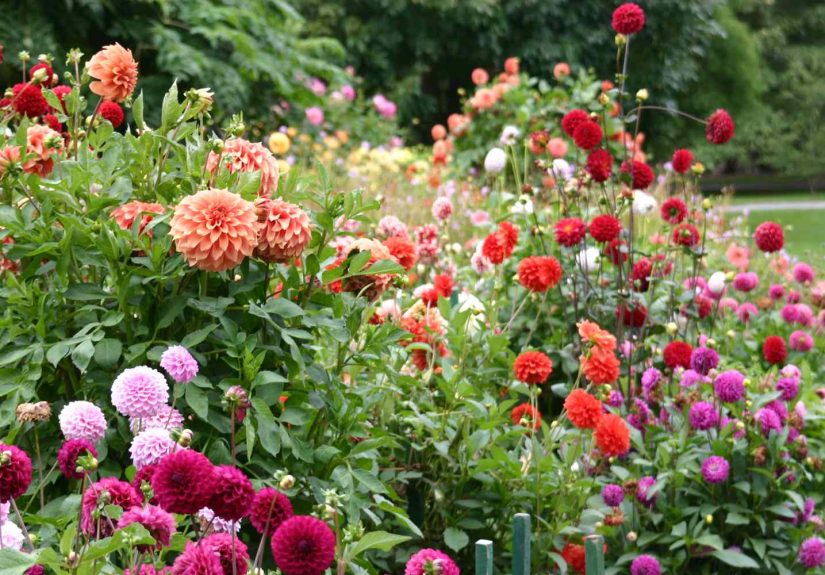
Dahlias are the overachievers of the late-summer garden: huge flowers, wild colors, and enough personality to stop traffic. In many U.S. climates (zones 8–10), they’re perennial tubers; in colder areas, they’re treated as annuals or dug up and stored over winter. Either way, they usually reach peak bloom from late August through the fall, especially if you planted them once the soil warmed in late spring.
Give dahlias full sun (at least 6 hours a day) and rich, well-drained soil. They like consistent moisture but hate sitting in waterlogged beds, so amend heavy clay with compost. Tall varieties need stakingthink tomato cages or bamboo stakesbecause those giant blooms get heavy. Deadhead spent flowers and fertilize lightly with a low-nitrogen formula to encourage more blooms, not just lush foliage. Tuck them in mixed borders, cutting gardens, or even large containers for a backyard that looks like a boutique flower farm.
2. Sunflowers: The Late-August Showstoppers
Nothing says “end of summer” like a row of sunflowers towering over the fence. These annuals are easy to grow from seed and typically hit their stride in late August, especially mid-height and branching varieties that keep producing multiple blooms over several weeks. Their bold yellow, bronze, or even burgundy petals make them an instant focal point.
Sunflowers thrive in full sun and well-drained soil. Plant seeds directly into the ground after frost danger passes, spacing them according to variety. Taller types may need staking, especially in windy areas. For a long display, sow successions every 2–3 weeks in late spring and early summer. The added bonus: birds love the seed heads, so when petals fall, leave a few stalks standing as a late-season buffet.
3. Coneflowers (Echinacea): Native Workhorses
Coneflowers are proof that “tough” and “beautiful” can exist in the same plant. These native perennials start blooming in early summer and keep going right through late August and beyond, especially if you deadhead spent blooms. Their raised cones and daisy-like petals come in shades of purple, pink, white, orange, and even lime green, depending on the cultivar.
Plant coneflowers in full sun and well-drained soil; once established, they’re drought-tolerant and low maintenance. They’re also magnets for bees, butterflies, and, later in the season, seed-loving birds like goldfinches. For a naturalistic, prairie-style look, pair coneflowers with grasses, black-eyed Susans, and Russian sage. They’re excellent in borders, pollinator gardens, and cut-flower bedsand they look especially good when August light turns golden in the evenings.
4. Zinnias: Color Blocks Until Frost
If late August had a confetti flower, it would be the zinnia. These summer annuals bloom relentlessly from early summer to frost, often peaking in color and volume just as the month winds down. From tiny pom-poms to massive cactus-style blooms, they come in just about every shade except blue.
Zinnias thrive in full sun and well-drained soil and are ridiculously simple to grow from seed. Direct-sow them once the soil has warmed, and thin seedlings so air can circulatethis helps prevent mildew in humid climates. Deadheading (or cutting for bouquets) keeps them pumping out new flowers. Mass plant them in beds for a big color statement or mix them into vegetable gardens, where they attract pollinators and make your tomato rows look very Instagram-ready.
5. Hydrangeas: Big, Billowy Late-Summer Clouds
Hydrangeas are the floral equivalent of a cloud couchsoft, generous, and impossible to ignore. Many varieties, especially panicle and smooth hydrangeas, peak from late July through August, then age into gorgeous muted tones that last into fall and even winter if you leave the dried flower heads in place.
These shrubs prefer partial sunmorning sun with afternoon shade is ideal in hot climatesand consistently moist, well-drained soil enriched with organic matter. Panicle hydrangeas tolerate more sun and can be great anchor plants in mixed borders, while mophead and lacecap types often shine in shadier spots. Their large, long-lasting blooms are perfect for fresh arrangements, and the dried flowers add texture to wreaths and indoor decor long after the garden has gone quiet.
6. Cosmos: Airy Clouds of Color
Cosmos are the free spirits of the summer gardentall, wispy, and covered in daisy-like flowers that dance in the breeze. They love heat, which means they’re often at their best in late August when many other plants are fading. Their color range spans white, pink, rose, magenta, yellow, and bright orange, depending on the species.
These annuals prefer full sun and average, even slightly poor soil; rich soil can make them leafy at the expense of flowers. Sow seeds directly outdoors after frost, and don’t overwatercosmos are fairly drought tolerant once established. Regular cutting keeps them blooming. Use them to soften the edges of a border, fill in gaps in a new bed, or create a “meadow” feel in even a small suburban yard.
7. Marigolds: Tough Heat Lovers at Their Peak
Marigolds might seem basic, but in late August they’re anything but boring. These cheerful annuals thrive in hot, sunny conditions and often hit peak bloom right at the end of summer. Their saturated oranges, yellows, and bi-color flowers look especially rich in the slanting light of early fall.
Give marigolds full sun and well-drained soil, and avoid over-fertilizing, which can reduce blooms. Deadheading is key to getting the most out of themsnip off spent flowers regularly and the plants respond with a fresh flush of color. Plant short varieties along paths and in containers, and use taller African marigolds as bold vertical accents. Bonus: they’re great companions for vegetables and can help draw in beneficial insects.
8. Snapdragons: Late-Summer Spires With a Second Act
Snapdragons are often thought of as cool-season flowers, but in many gardens they stage a strong encore in late August and early fall, especially in regions with milder summers or where gardeners start them early. Their tall flower spikes and quirky dragon-shaped blooms add height and structure to beds that might otherwise be flattening out by late summer.
Plant snapdragons in full sun to light shade and well-drained soil. In hot climates, they perform best with afternoon shade and consistent moisture. Deadhead or cut the spikes for bouquets as soon as they finish blooming; this encourages new side shoots and fresh flower spikes. Combine snapdragons with dahlias, zinnias, and cosmos for a late-summer border that looks like it belongs in a flower-farmer’s field.
9. Balloon Flowers: Late-Summer Garden Surprise
Balloon flowers (Platycodon) feel like a magic trick. Their buds inflate like little balloons, then pop open into star-shaped flowers in shades of blue, white, or pink. They typically bloom from mid-summer into late August, making them ideal for bridging the gap between July color and fall asters.
These perennials prefer full sun to light shade and well-drained soil. They’re slow to emerge in spring, so mark their location to avoid accidentally digging them up. Once established, they’re fairly low maintenance and can live for years. Use balloon flowers near the front or middle of borders where their whimsical buds can be appreciated up close, or pair them with coneflowers and ornamental grasses for a relaxed cottage vibe.
10. Sedum (Stonecrop): The Slow-Burn Superstar
Sedumespecially popular cultivars like ‘Autumn Joy’ and ‘Autumn Fire’might be the most reliable sign that late August has arrived. These succulent perennials form sturdy mounds of fleshy foliage, then send up clusters of green buds that gradually turn rosy pink, deepening to copper as fall approaches.
Sedum thrives in full sun and sharply drained soil, making it ideal for dry spots, rock gardens, and low-maintenance borders. It’s drought tolerant, unfussy, and rarely bothered by pests or disease. The flat flower heads are beloved by late-season pollinators, including bees and butterflies, and look fantastic next to grasses, Russian sage, and black-eyed Susans. Leave the dried seed heads up through winter for bonus texture and wildlife interest.
Design Tips for a Late-August Flower Garden
Stagger Bloom Times
To keep your garden from crashing after spring and early summer, combine early, mid-, and late-summer bloomers. Plant tulips and irises for spring, daylilies and bee balm for early summer, and then mix in dahlias, sedum, coneflowers, zinnias, and hydrangeas for that late-August peak.
Play With Height and Texture
Use tall flowers like sunflowers, dahlias, and snapdragons as your backdrop. Middle-height plants such as coneflowers, balloon flowers, and marigolds create the main eye-level show. Sedum, cosmos, and shorter zinnias can spill toward the front of beds. Mix in ornamental grasses to give everything a soft, breezy frame.
Deadhead Smart, Not Just Hard
Deadheading is the secret weapon for late-summer color. Removing spent blooms from zinnias, dahlias, marigolds, coneflowers, and snapdragons encourages more flowers and keeps plants looking tidy. But you don’t have to be a perfectionistleave a few coneflower and sunflower heads to dry so birds can enjoy the seeds.
Late-August Flower-Gardening Experiences and Tips
Ask a group of gardeners about their late-August beds, and you’ll usually hear a mix of pride and confession: “This border looks amazing” paired with “I really meant to pull those weeds in July.” Late summer has its own rhythm. The heat slows people down, but many plants are just hitting their stride. Here are some real-world experiences and lessons that can help you get the most out of your late-season flowers.
1. Start thinking about August in April. The best late-August gardens are planned months earlier. That might mean starting dahlias in pots so they’re ready to explode by late summer, sowing zinnia and cosmos seeds once soil warms, or tucking sedum and coneflower into new beds so they have time to establish. Gardeners who plan backward from late August tend to end up with more continuous color and fewer bare spots.
2. Don’t underestimate the power of heat-lovers. Plants like zinnias, marigolds, cosmos, and sunflowers actually look better in late August heat than many “prettier” early-season perennials. While spring favorites may crisp around the edges, these heat-loving annuals keep pushing new flowers. If your garden usually looks tired by Labor Day, try dedicating one whole bed or raised planter just to these energy-packed bloomers.
3. Water deeply, not constantly. One of the biggest late-summer mistakes is shallow, frequent watering. Deep soaks once or twice a week encourage roots to grow down, where soil stays cooler and moister. This pays off for dahlias, hydrangeas, and newly planted perennials, which can collapse quickly in an August heat wave if their roots are hanging out near the surface. A layer of mulch helps, toojust keep it pulled back a bit from stems to prevent rot.
4. Embrace “good chaos.” By late August, a garden that looked super tidy in May can start to feel wildzinnias leaning into pathways, cosmos flopping into dahlias, coneflowers reseeding wherever they like. Instead of fighting it all, decide which parts of that chaos you actually enjoy. Many gardeners find that a slightly unruly mix of colors and textures looks more alive and natural than a rigidly formal design, especially at the end of summer.
5. Use containers as color boosters. If your in-ground beds are underperforming, pots can save the day. A big container filled with marigolds, compact dahlias, and trailing annuals can instantly brighten a tired patio or porch. Even a single massive sunflower in a deep container can act like a garden exclamation point. The flexibility of pots means you can move color exactly where you need it for late-summer gatherings or curb appeal.
6. Think about wildlife. Late August is a busy time for hummingbirds, butterflies, and migrating songbirds. Sunflowers, coneflowers, zinnias, cosmos, and sedum all provide nectar or seeds when many native food sources are starting to wane. Gardeners who resist the urge to “clean up” too early often report more bird and pollinator activity. Leaving a few seed heads adds a bit of wild charm and turns your yard into a late-summer rest stop for wildlife.
7. Give yourself a second chance for fall. Late August is also a moment to take stock. If a certain area looks flat, you can still add fall-blooming perennials like asters or mums, or plant cool-season annuals for shoulder-season color. Think of your late-August flowers as the pivot point between the lushness of high summer and the moody richness of fall. A little tweaking now can give you another 6–8 weeks of interest.
8. Enjoy itseriously. Gardeners are notoriously hard on themselves. There will always be a mildew-y zinnia or a dahlia that never quite lived up to its catalog photo. But when the sun is slanting low, the dahlias are glowing, the sedum is blushing pink, and bees are still happily working the coneflowers, that’s the moment to sit down with an iced tea (or something stronger) and actually enjoy what you’ve grown. Late August is your garden’s encoredon’t miss the show because you’re too busy critiquing the lighting.
Conclusion: Let Summer Go Out on a High Note
Late August doesn’t have to be the beginning of the end for your garden. With the right mix of dahlias, sunflowers, coneflowers, zinnias, hydrangeas, cosmos, marigolds, snapdragons, balloon flowers, and sedum, your beds can be just as vibrant in the last stretch of summer as they were in June. Plan ahead, deadhead thoughtfully, water wisely, and lean into a little bit of late-season wildness. Your reward: a garden that looks like it’s still in its prime, even as the calendar quietly edges toward fall.